A practical English guide to Onna village in Okinawa: the resort coast, the culture and information centre, the beaches and access from Naha by bus or car.
Operational details such as opening hours, admission fees, and train times can change. Prefer official pages and reconfirm before you travel (sources checked on 06 November 2026).
Why visit
- Onna is a long, thin village on the west coast of Okinawa’s main island, north of Naha, and it is the resort coast of the island: a strip of hotels, beaches and dive shops along a coral shore, with the forested hills behind. It is the most developed part of the island outside Naha, and it is where most package holidays stay.
- The coast is the reason. The reef comes close to the shore here, and the water is clear and calm in the bays, with snorkelling and diving from the beaches and the dive shops. The beaches are mostly attached to hotels, but several are open to the public, and the sunset over the East China Sea is the local spectacle.
- The second strand is the village itself. Onna has a culture and information centre with displays on the local crafts, the Ryukyuan history and the wartime experience, and it runs workshops in weaving, dyeing and pottery. The village is also known for its Okinawan dance and its traditional houses, and the interior, away from the coast, is still farmland and forest.
- The third is the access to the north. Onna is the base for Cape Manzamo, the Ryukyu Mura theme village, the Bios no Oka park and the road up to Nago and the Yambaru. It is a practical place to stay for several nights, with more restaurants than the villages further north and better prices than the resort hotels suggest.
Top places and highlights
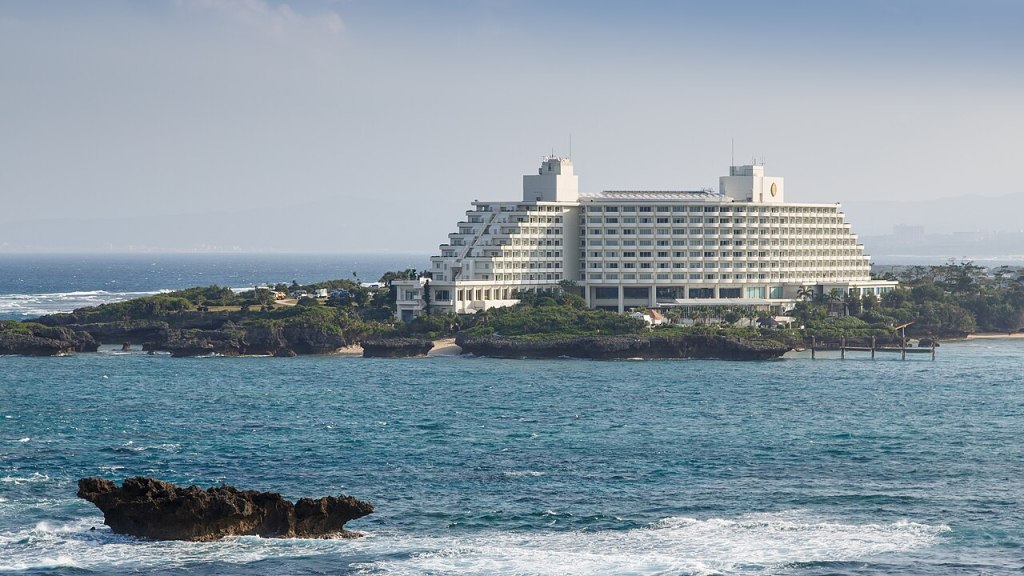
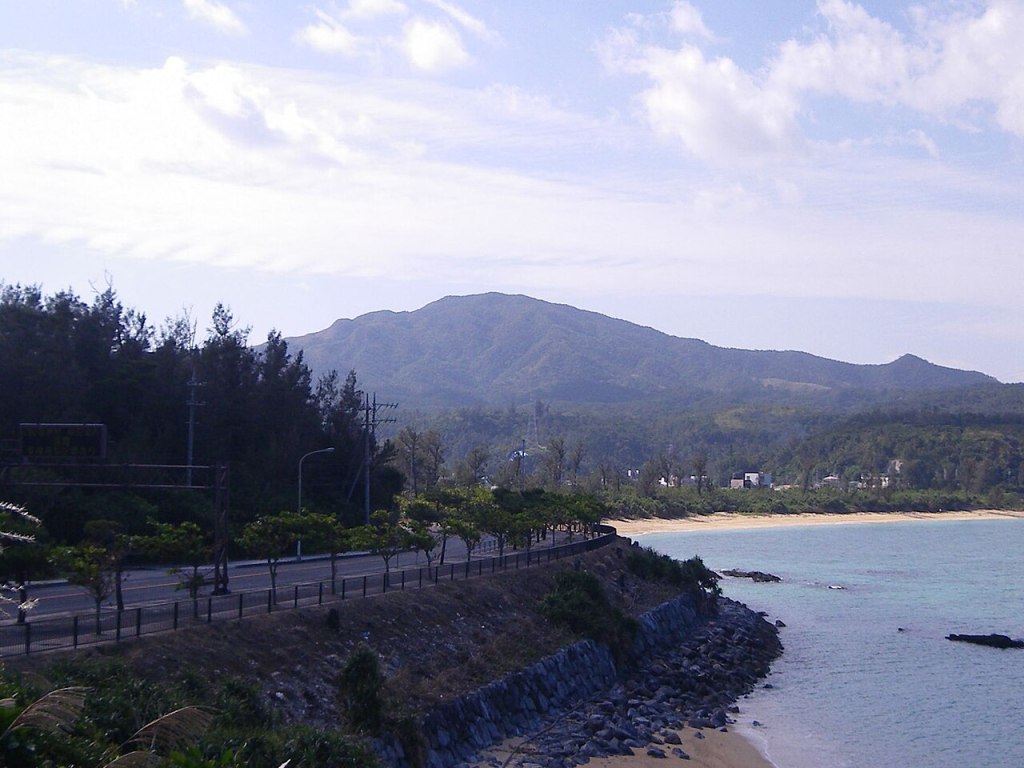
The resort coast
The strip of hotels and beaches runs north along the shore, with the reef close in and the water calm in the bays. Several beaches are open to the public, with showers and rentals, and the sunset is the local event. It is the most convenient swimming on the island.
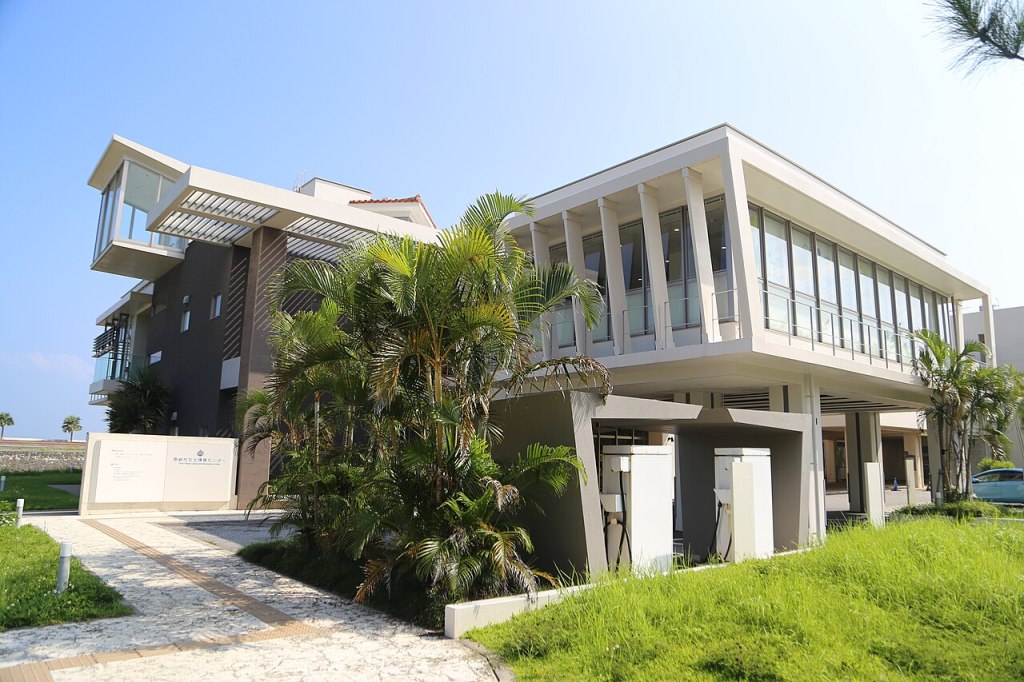
The Onna Village Culture and Information Centre
The centre has displays on the Ryukyuan history of the village, the wartime period and the local crafts, along with workshops in weaving, dyeing and pottery. It is a good introduction to the culture behind the resorts, and the craft shop sells the work of local artisans. Check the workshop times.
The beaches and the reef
The reef comes close to the shore, and the snorkelling from the beaches is good in calm weather. The water is warm from spring to autumn, and the netted areas are safe for families. Diving is popular further out, with the drop-offs and the coral.
The sunset
The west coast faces the East China Sea, and the sunsets from the beaches and the hotel terraces are the reason many people stay here. The light is best in the hour before the sun goes down, and the horizon is clear on most days. It is the local ritual.
The interior villages
Away from the coast, the village is farmland and forest, with small settlements, sugar cane fields and the ruins of old houses. The roads up into the hills are quiet and green, and the views back over the coast are good. It is a different place from the resort strip.
The local food
The restaurants along the coast serve Okinawan soba, pork, seafood and the local vegetables, with a few places doing the village’s own recipes. The prices are higher than in Naha, but the quality is good. The small cafes in the interior are cheaper and quieter.
The access to the north
The village is the base for Cape Manzamo, the Ryukyu Mura theme village, the Bios park and the road to Nago. The bus and the car both run along the coast, and the northern sights are within half an hour. It is the practical centre of the west coast.
Food and drink
- Okinawan soba, pork and the local vegetables are the standard dishes in the coast restaurants.
- Seafood from the reef, including the local fish and squid, is served simply.
- The resort hotels have buffet and French restaurants for guests and visitors.
- The interior cafes serve the village’s sweets and the local coffee.
- The local fruit, including pineapple and mango, is sold at the roadside stands.
Getting there and around
- Onna is about an hour by car from Naha airport on the expressway and the coastal road.
- Local buses run from Naha along the coast, and the journey takes about an hour and a half.
- The village is the base for Cape Manzamo, Ryukyu Mura and the road to Nago.
- A rental car is the practical way to reach the beaches and the interior.
- The resort hotels run shuttle buses to the airport and to the main sights.
Where to stay
- The coast is lined with resort hotels, from large international brands to small pensions.
- The interior has guesthouses and minshuku at lower prices.
- Naha has the widest choice and is an hour away.
- Book well ahead in summer and around the New Year.
Best time to visit
- Spring is warm and clear, with the best conditions for the reef.
- Summer is hot and humid, with the beaches at their busiest.
- Autumn is warm and comfortable, the best season for the coast.
- Winter is mild, with fewer visitors and good diving conditions.
Practical tips
- The coast road is slow in summer; allow more time than the distance suggests.
- Swim only in the netted areas, and check the jellyfish warnings.
- The public beaches charge for parking and showers in season.
- The culture centre’s workshops need booking; check the days.
- A car makes the difference for the interior and the northern sights.
- The resort restaurants are expensive; the interior cafes are cheaper.
Suggested day-trip outline
- Morning: the culture and information centre and the craft shop.
- Late morning: the beach and the reef.
- Lunch: Okinawan soba on the coast.
- Afternoon: the drive into the interior villages.
- Late afternoon: the sunset from the beach.
- Evening: dinner at a coast restaurant, or the drive to Nago.
Before you go
Timetables, fares, admission fees, and seasonal access rules can change. Check the official tourism and transport sites linked below for the latest information before you travel.
Explore More of Japan
Published guides that pair with this one:
- Nago Travel Guide: The Earliest Cherry Blossoms in Japan
- Cape Chinen Travel Guide: Sunrise, Kudaka and Southern Okinawa
- Chatan Travel Guide: American Village, Sunset Beach and Araha
- Hamahiga Island Travel Guide: Okinawa Quiet East Coast
- Ikei Island Travel Guide: Okinawa Beaches and the East Coast
Browse every Okinawa guide on this site for the rest of the region.
Sources
- vill.onna.okinawa.jp (checked 2026-11-06)
- okinawastory.jp (checked 2026-11-06)


Leave a Reply