A practical English guide to Kami in Kochi: the Ryugado limestone cave, the mountain villages, the Birafu roadside station and access from Kochi city.
Operational details such as opening hours, admission fees, and train times can change. Prefer official pages and reconfirm before you travel (sources checked on 06 November 2026).
Why visit
- Kami is a mountain town in northern Kochi, on the upper Yoshino river where it cuts through the limestone of the Shikoku karst. It is a long, thin municipality of villages along the river and the railway, with forest on both sides and a few clear streams, and it is the kind of place that travellers pass through on the train without stopping.
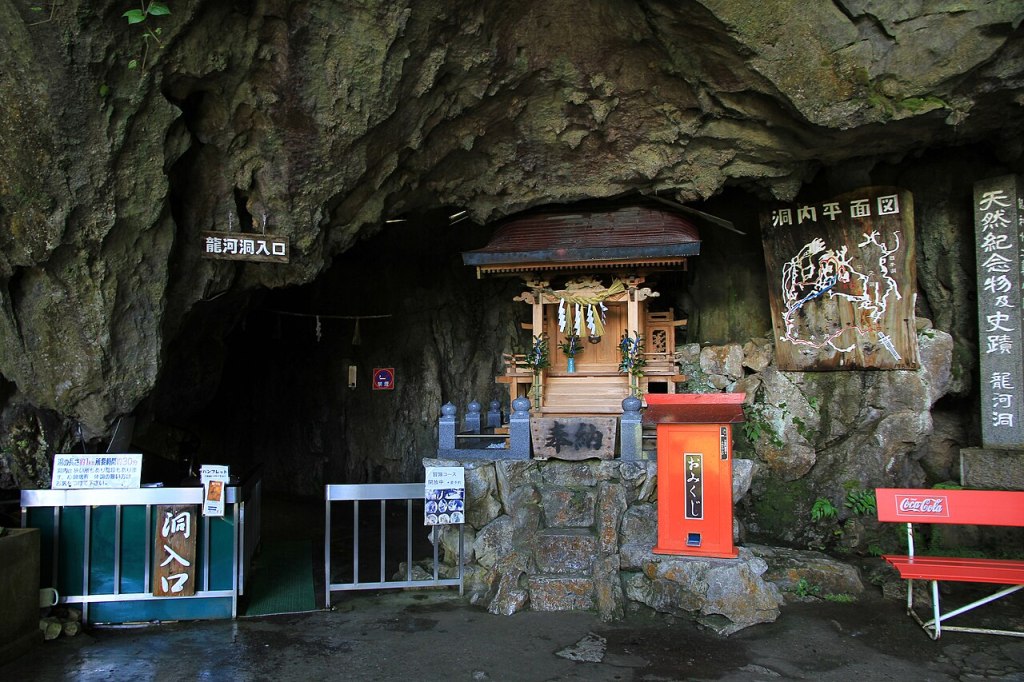
- The reason to stop is the Ryugado, a limestone cave in the hills above the river, one of the largest in Japan. The cave has a long walkway through chambers of stalactites and stalagmites, with lighting and a cool constant temperature, and it is a proper natural sight rather than a theme park. The name means the cave of the dragon palace, and the scale justifies it.
- The second strand is the river and the villages. The Yoshino river here is clear and fast, used for rafting and canoeing further down, and the banks have small settlements, terraced fields and suspension bridges. The roads along the water are quiet and green, and the Birafu roadside station is the local stop for produce and lunch.
- The third is the access to the karst. The Shikoku karst, the limestone plateau on the border with Ehime, is a short drive from the upper part of the town, with open grassland, rock outcrops and views over the mountains. It is one of the least known landscapes on the island, and it pairs naturally with the cave.
Top places and highlights
Ryugado cave
The cave runs for about four kilometres, with a one-kilometre walkway through the main chambers, and the stalactites and the underground river are lit for visitors. The temperature is constant, which makes it a good refuge in summer and winter. It is a short bus or taxi ride from the station, and the walk up is steep.
The Yoshino river
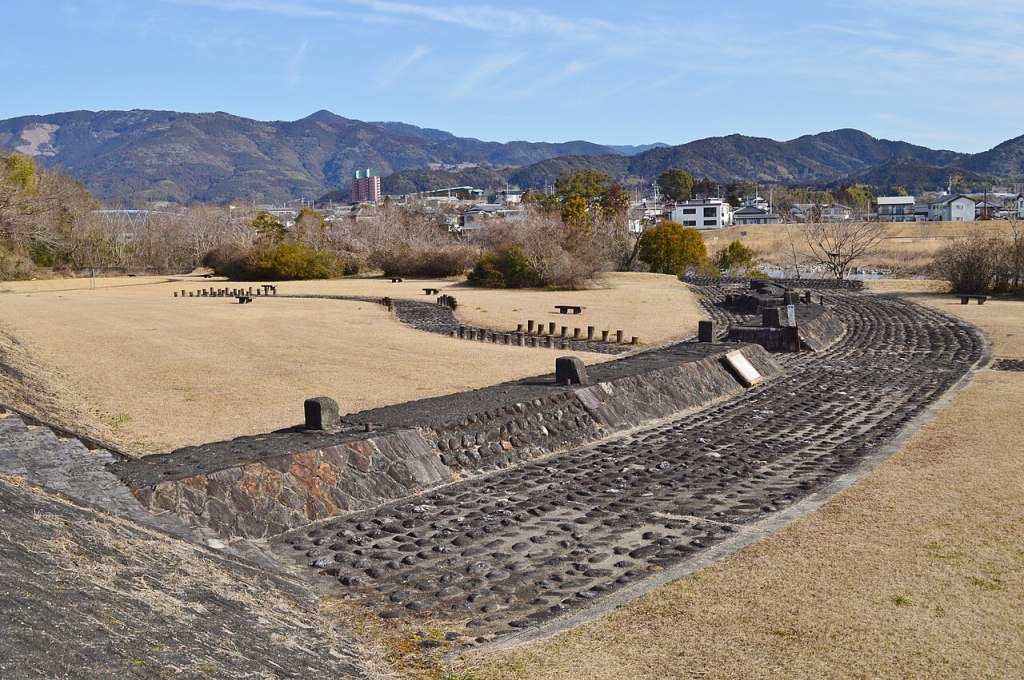
The river runs through the town with clear water, weirs and a few rapids, and the banks are used for walking and fishing. Further down it is one of the rafting rivers of Shikoku, with operators based in Otoyo and Kochi. The upper stretches are quiet and green.
The mountain villages
The town is a string of villages along the river and the railway, with old houses, small shrines and terraced fields on the slopes. They are ordinary and beautiful in the way that rural Japan can be, and the train stops at several of them. Walking a section of the river is the best way to see them.
The Shikoku karst
The limestone plateau on the border with Ehime is open grassland with rock outcrops, grazing cattle and long views, reached by a mountain road from the upper town. It is quiet and strange, and the light in the late afternoon is the best. A car is needed.
The Birafu roadside station
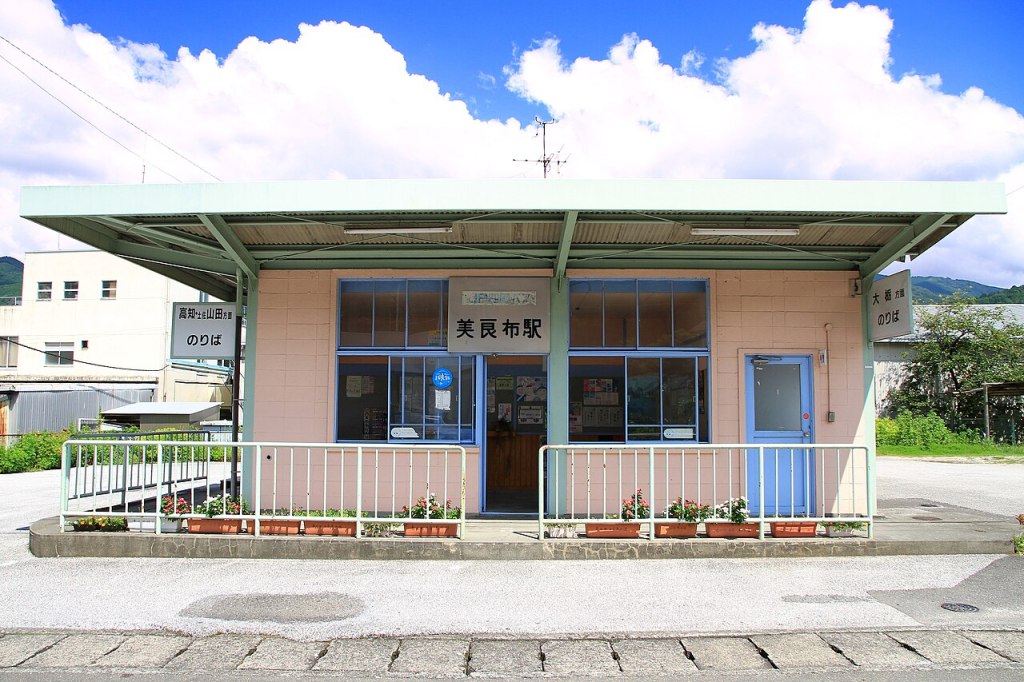
The roadside station on the main road sells the local vegetables, the river fish and the processed goods of the town, and it has a restaurant serving simple meals. It is the practical stop for food and information. The station on the Dosan line is nearby.
The Dosan line
The railway follows the river through the mountains between Kochi and Ehime, with small stations, tunnels and bridges, and the ride is scenic in any season. It is the way most visitors arrive, and the local trains are slow and empty. The stations are close to the river.
The local food
The town is known for its river fish, its buckwheat and its mountain vegetables, and the restaurants serve them plainly. The local sake and the sweetfish in summer are the seasonal specialities. The food is cheap and the portions are large.
Food and drink
- Ayu, the sweetfish of the river, is the summer speciality, grilled with salt.
- Soba made with local buckwheat is the standard lunch in the villages.
- Mountain vegetables and mushrooms appear in the set meals.
- The roadside station sells the local rice, vegetables and pickles.
- The local sake is soft and dry, sold at the small shops.
Getting there and around
- Kami is on the JR Dosan line, about an hour from Kochi city.
- The station is central, and the cave is a short bus or taxi ride away.
- The expressway runs through the valley, and a car is the practical way to the karst.
- Buses run from Kochi to the town and the cave, but the service is limited.
- The town is a stop on the route between Kochi and Matsuyama by train.
Where to stay
- A few small inns and guesthouses operate in the town and along the river.
- Kochi city has the larger hotels and is an hour away.
- The karst area has simple lodges and campsites in season.
- Book ahead in summer, when the river activities are at their peak.
Best time to visit
- Spring is mild, with fresh green on the mountains.
- Summer is hot in the valley but cool in the cave and the karst, and the river is at its best.
- Autumn is clear and cool, the best season for the villages and the karst.
- Winter is cold and quiet, with the cave a warm refuge.
Practical tips
- The cave is a steep walk from the bus stop; wear proper shoes.
- The cave is cool inside; bring a layer even in summer.
- The karst road is narrow and closes in winter; check before driving up.
- The buses are infrequent; check the return times before setting out.
- The roadside station is the best place for lunch and information.
- Cash is needed in the villages and at the cave.
Suggested day-trip outline
- Morning: the train from Kochi and the bus to Ryugado.
- Late morning: the cave walkway.
- Lunch: the roadside station.
- Afternoon: the river walk and a village.
- Late afternoon: the drive to the karst for the view.
- Evening: the train back to Kochi.
Before you go
Timetables, fares, admission fees, and seasonal access rules can change. Check the official tourism and transport sites linked below for the latest information before you travel.
Explore More of Japan
Published guides that pair with this one:
- Kochi Sunday Market Travel Guide: 300 Years of Street Food and Produce
- Cape Ashizuri Guide: Kochi’s Southern Tip
- Kochi and Katsurahama Guide: The Pacific Coast and Ryoma
- Shimanto River Travel Guide: Japan’s Last Clear Stream and the Boats That Drift It
- Cape Muroto Travel Guide: Where the Pacific Meets the Geopark
Browse every Shikoku guide on this site for the rest of the region.
Sources
- city.kami.lg.jp (checked 2026-11-06)
- attaka.or.jp (checked 2026-11-06)


Leave a Reply