A practical English guide to Yonabaru in Okinawa: the Untamamui hill and its view, the town festival, the old streets and access from Naha.
Operational details such as opening hours, admission fees, and train times can change. Prefer official pages and reconfirm before you travel (sources checked on 06 November 2026).
Why visit
- Yonabaru is a small town on the east coast of Okinawa’s main island, just south of Naha, and it is one of the places that visitors pass without noticing. It is a town of low hills and narrow streets, with a view over the Pacific from the top of its central hill, and it has a strong local identity that comes from its festival and its history.
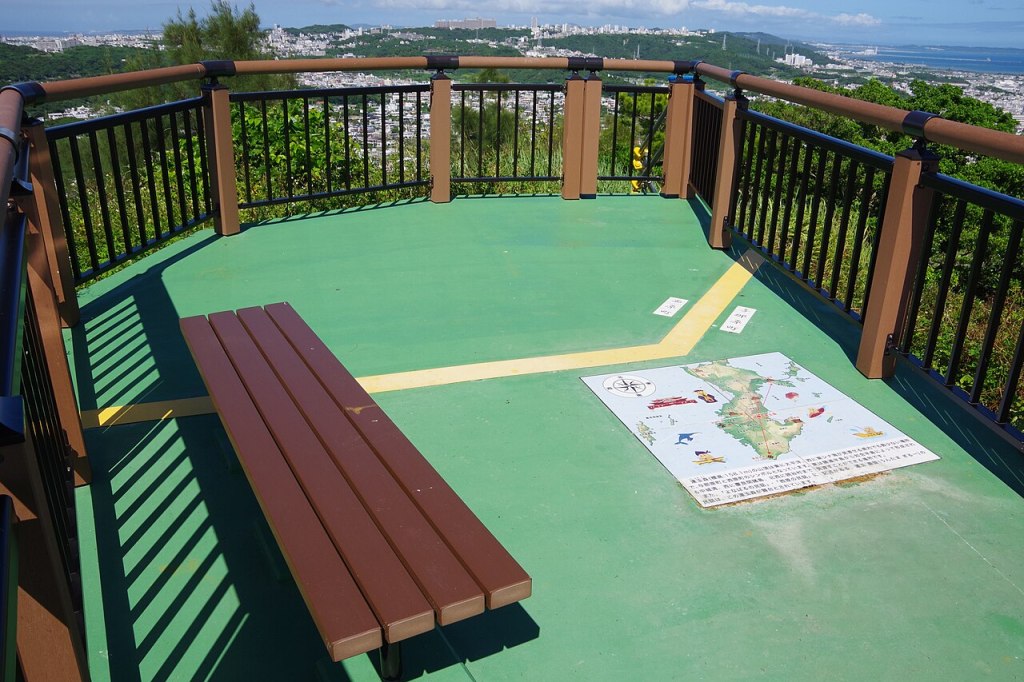
- The hill is the attraction. Untamamui is the small rise in the middle of the town, with a shrine and a park at the top, and the view over the roofs to the sea and the city of Naha. It is a short climb, and it is the best place to understand the geography of the southern part of the island.
- The second is the festival. The Yonabaru Great Tug of War is held in the summer, with a huge rope and the teams from the districts, and it is one of the local festivals of the island. The town also has the traditional dances and the music of the region.
- The third is the food and the everyday life. The town has the markets, the small restaurants and the bakeries of a residential place, with the Okinawan staples and the cheap lunches, and it is within twenty minutes of Naha and the airport. It is a good place to see how the island lives outside the resort strip.
Top places and highlights

Untamamui
The small hill in the centre of the town has a shrine and a park at the top, with a view over the roofs to the sea and Naha. It is a short climb. It is the best place to see the shape of the town.
The tug of war
The summer festival brings the districts together for a great tug of war, with a huge rope and the teams, and it is one of the local events of the island. The date changes each year. It is the biggest day of the town.
The town market
The market sells the local vegetables, the fish and the Okinawan foods, and the morning is the time to see it. The prices are low and the produce is local. It is the everyday centre of the town.
The old streets
The streets around the hill have the Okinawan houses with the shisa and the fukugi trees, and the small shrines and the communal spaces. The walk is short and quiet. It is a working residential area.
The local food
The restaurants serve the Okinawan soba, the taco rice and the local fish, at the prices of a residential town. The bakeries and the coffee shops are good value. The food is the everyday life of the island.
The east coast
The coast to the east has the small ports, the sea walls and the views over the Pacific, with the sunrise and the trade winds. The walk along the shore is quiet. The fishing boats are the morning sight.
The access to Naha
The town is within twenty minutes of Naha and the airport, on the roads and the monorail that serve the south, and it is a practical base without the city prices. The combination with the capital is easy.
Food and drink
- Okinawan soba and taco rice are the everyday dishes in the local restaurants.
- The local fish and the seaweed are served simply.
- The market sells the vegetables, the fruit and the Okinawan foods.
- The bakeries and the coffee shops are cheap and good.
- The local sweets, including the beni imo and the brown sugar confections, are sold in the shops.
Getting there and around
- Yonabaru is about twenty minutes by car or bus from Naha.
- The airport is about thirty minutes away by car.
- The buses run from Naha bus terminal through the town.
- A car is the practical way to reach the coast and the surrounding area.
- The town is on the route to the southern sights of the island.
Where to stay
- Business hotels and guesthouses in the town are cheaper than Naha.
- Naha has the widest choice and is twenty minutes away.
- Book ahead in summer and around the festival.
- The town is a practical base for the south of the island.
Best time to visit
- Spring is warm and clear, with good conditions for the coast.
- Summer is hot and humid, with the festival and the beaches.
- Autumn is warm and comfortable, the best season for walking.
- Winter is mild, with fewer visitors and good conditions.
Practical tips
- The hill is a short climb; wear shoes for the steps.
- The festival dates change each year; check before travelling.
- The market is a morning place.
- The town is residential; keep the noise down.
- A car makes the coast and the south easier.
- Combine the visit with Naha and the southern sights.
Suggested day-trip outline
- Morning: the bus from Naha to Yonabaru.
- Late morning: the market and the old streets.
- Lunch: Okinawan soba in the town.
- Afternoon: Untamamui and the view.
- Late afternoon: the east coast and the sea walls.
- Evening: back to Naha.
Before you go
Timetables, fares, admission fees, and seasonal access rules can change. Check the official tourism and transport sites linked below for the latest information before you travel.
Explore More of Japan
Published guides that pair with this one:
- Ginowan Travel Guide: The Tropical City Between Naha and the Resorts
- Nago Travel Guide: The Earliest Cherry Blossoms in Japan
- Tsuken Island Travel Guide: The Carrot Island of Okinawa
- Urasoe Travel Guide: The Castle of the Tedako and the Art Museum
- Itoman Travel Guide: Peace Memorial Park and the Fishing Port
Browse every Okinawa guide on this site for the rest of the region.
Sources
- town.yonabaru.okinawa.jp (checked 2026-11-06)
- okinawastory.jp (checked 2026-11-06)


Leave a Reply