A practical English guide to Kihoku in Ehime: the Shimanto headwaters, the Matsuno valley, the mountain roads and access from Matsuyama and Uwajima.
Operational details such as opening hours, admission fees, and train times can change. Prefer official pages and reconfirm before you travel (sources checked on 06 November 2026).
Why visit
- Kihoku is a mountain town in southern Ehime, on the border with Kochi, and it is the place where the Shimanto river begins. It is a landscape of forested ridges, deep valleys and clear streams, with a few villages along the roads, and it is one of the emptiest and quietest parts of Shikoku.
- The river is the attraction. The Shimanto is famous as the last clear river in Japan, and its headwaters are here, in the streams that run down from the ridges, with the water clear and cold and the forest around it. The walks and the drives along the valleys are the way to see it.
- The second is the Matsuno valley, an old market town on the road south, with a few streets of wooden houses, a river and a bridge, and the atmosphere of a place that has not changed much. It is small, and the walk takes under an hour, but it is the human centre of the area.
- The third is the food and the pace. The restaurants serve the river fish, the soba, the mountain vegetables and the local meat, along with the yuzu and the tea of the region, and the pace is slow. It is a place for a drive and a walk rather than a checklist of sights.
Top places and highlights
The Shimanto headwaters
The streams that form the Shimanto river run down from the ridges of the town, with the water clear and cold and the forest around them, and the walks along the valleys are quiet. The river is famous as the last clear river in Japan. The source is marked.
The Matsuno valley
The old market town on the road south has a few streets of wooden houses, a river and a bridge, and the pace of a place that has not changed much. The walk takes under an hour. It is the human centre of the area.
The mountain roads
The roads over the ridges are narrow and winding, with the forest, the valleys and the small villages, and the views open at the passes. The drive is the attraction. The autumn colour is fine.
The clear streams
The streams and the small waterfalls along the valleys are good for a walk and a picnic, with the water cold and clear, and the rocks and the pools. The fishing is allowed in parts. The sound of the water is the background.
The forest
The ridges are covered with cedar and broadleaf forest, with the trails and the logging roads, and the walking is quiet and steep in places. The birds and the plants are the interest. The forest is the reason the river is clear.
The local food
The restaurants serve the river fish, the soba, the mountain vegetables and the local meat, along with the yuzu and the tea. The food is plain and cheap. The shops sell the produce and the crafts.
The access to Uwajima
The town is on the road south to Uwajima and the coast, with the castle, the bull sumo and the fish of the region within an hour and a half, and it fits into a loop of southern Shikoku. The drive is scenic.
Food and drink
- The river fish and the ayu are served grilled with salt.
- The soba and the mountain vegetables are the local lunch.
- The yuzu products and the tea of the region are the specialities.
- The local meat and the game dishes are served in the mountain restaurants.
- The shops sell the preserved foods and the crafts.
Getting there and around
- Kihoku is reached by car from Matsuyama in about two hours, and from Uwajima in about an hour.
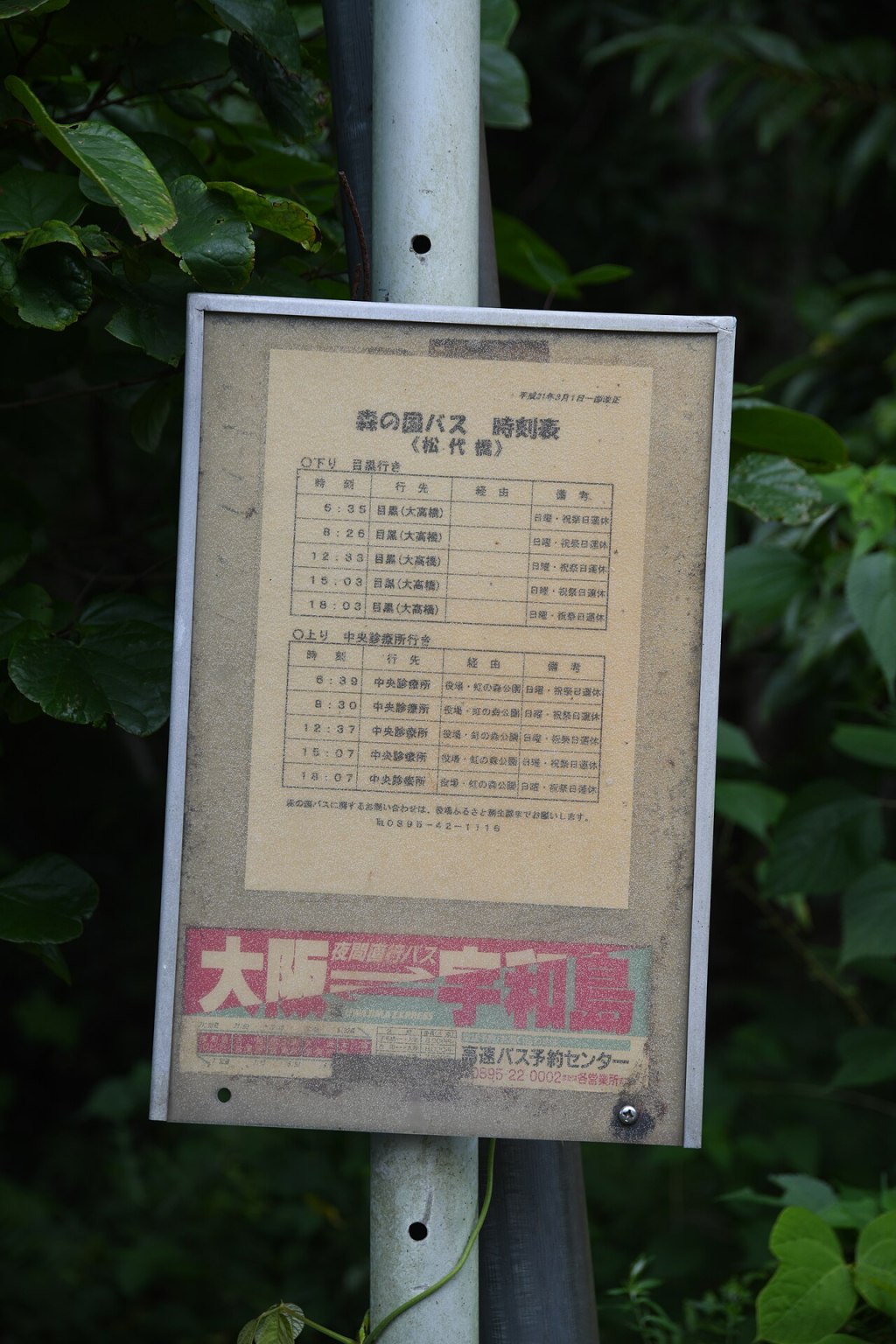
- The JR Yodo line runs through the valleys, with the small stations and the scenic views.
- The buses are very limited, and a car is essential for the valleys.
- The roads are narrow and winding; allow more time than the distance suggests.
- The town is on the route between Uwajima and Kochi.
Where to stay
- A few minshuku and guesthouses operate in the valleys.
- Uwajima and Matsuyama have the larger hotels and are within reach.
- The farm stays offer meals and a quiet night.
- Book ahead in the autumn colour season.
Best time to visit
- Spring is mild, with fresh green in the valleys.
- Summer is warm and green, with the river at its best.
- Autumn is the colour season, from late October.
- Winter is cold, with snow on the ridges and few visitors.
Practical tips
- A car is essential; the buses are very limited.
- The roads are narrow; drive slowly and watch for the local traffic.
- The river is cold and fast in places; swim with care.
- The restaurants are few and close early.
- Cash is needed at the small inns and shops.
- The area is a working forest and farm community; keep to the roads.
Suggested day-trip outline
- Morning: the drive from Uwajima into the mountains.
- Late morning: the Matsuno valley and the bridge.
- Lunch: soba or the river fish.
- Afternoon: the headwaters and the forest roads.
- Late afternoon: the view from the pass.
- Evening: a minshuku in the valley, or back to Uwajima.
Before you go
Timetables, fares, admission fees, and seasonal access rules can change. Check the official tourism and transport sites linked below for the latest information before you travel.
Explore More of Japan
Published guides that pair with this one:
- Kami, Kochi Travel Guide: Ryugado Cave and the Mountain Villages
- Matsuyama City Travel Guide: Trams, Haiku and the Okaido Arcade
- Toon Travel Guide: Temples and Rice Fields in Central Ehime
- Yawatahama Travel Guide: The Fish Market Port of Western Shikoku
- The Museum of Art, Ehime Travel Guide: Highlights, Access, and Planning
Browse every Shikoku guide on this site for the rest of the region.
Sources
- town.kihoku.ehime.jp (checked 2026-11-06)
- iyokannet.jp (checked 2026-11-06)


Leave a Reply