A practical English guide to Yamaga in Kumamoto: the Yamaga lantern festival, the Yachiyoza theatre, the hot springs and access from Kumamoto and Fukuoka.
Operational details such as opening hours, admission fees, and train times can change. Prefer official pages and reconfirm before you travel (sources checked on 06 November 2026).
Why visit
- Yamaga is a hot spring town in northern Kumamoto, on the plain between the mountains and the Ariake sea, and it is known for a festival of a thousand lanterns and for the oldest theatre of its kind in Japan. It is small and quiet, with a river through the centre, and it has the atmosphere of a place that was once a post town and a spa.
- The festival is the main attraction. The Yamaga lantern festival in August is held for the ancestors, with a thousand paper lanterns carried through the streets and set up in the shrine grounds, and the dancers in the traditional costume of the town. The dance is slow and formal, and the whole town takes part.
- The second is the theatre. The Yachiyoza is a wooden playhouse from the early twentieth century, with the revolving stage, the trap door and the hanamichi, and it is still used for performances. It is a National Important Cultural Property, and the backstage tour shows how the old theatres worked.
- The third is the hot springs and the food. The town has a public bath and the inns with the simple water, and the local food is the sake, the tofu and the vegetables of the plain, along with the noodles. It is a good stop between Kumamoto and Fukuoka, and the access by train and bus is easy.
Top places and highlights
The lantern festival
The August festival is held for the ancestors, with a thousand paper lanterns carried through the streets and set up in the shrine grounds, and the dancers in the traditional costume. The dance is slow and formal. It is the main event of the town.
The Yachiyoza theatre
The wooden playhouse from the early twentieth century has the revolving stage, the trap door and the hanamichi, and it is still used for performances. It is an Important Cultural Property. The backstage tour shows how the old theatres worked.
The hot springs
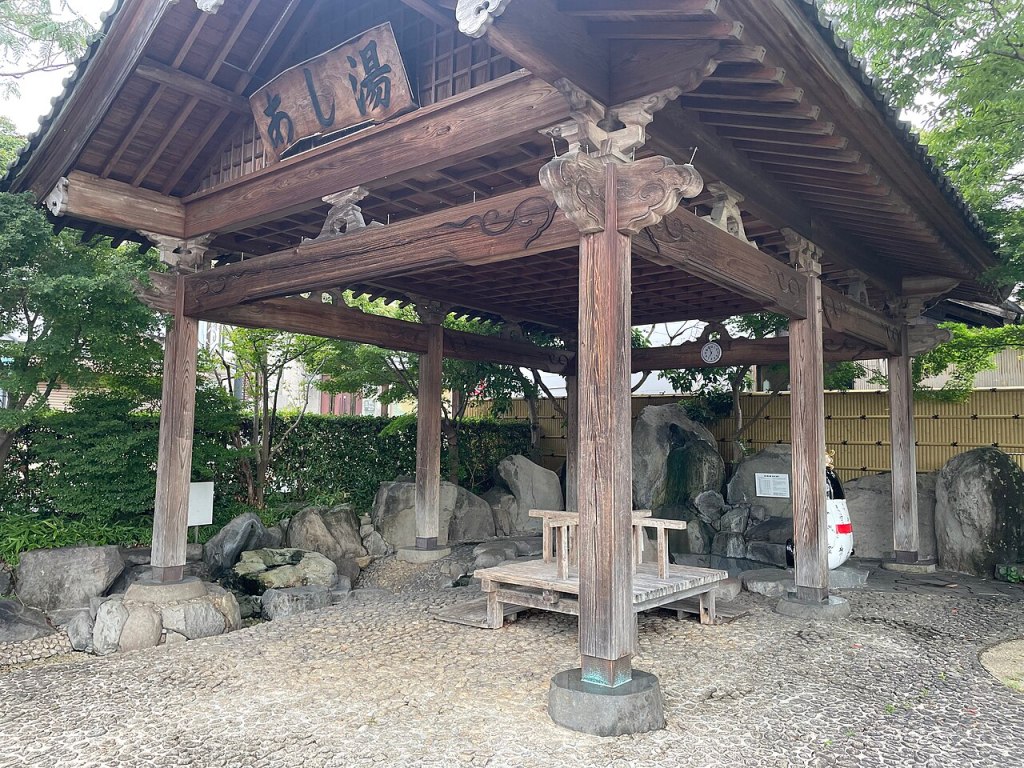
The town has a public bath and the inns with the simple water, and the footbath in the centre is free. The water is soft and warm. It is the reason the town grew.
The shrine
The shrine at the centre of the town is the focus of the festival, with the lanterns and the dances, and the precinct is old and shaded. It is a place of local worship. The atmosphere during the festival is the best.
The old streets
The town has a few streets of old houses and shops, with the timber fronts and the river, and the walk takes under an hour. The area is lived in. The local sweets are sold in the shops.
The sake brewery
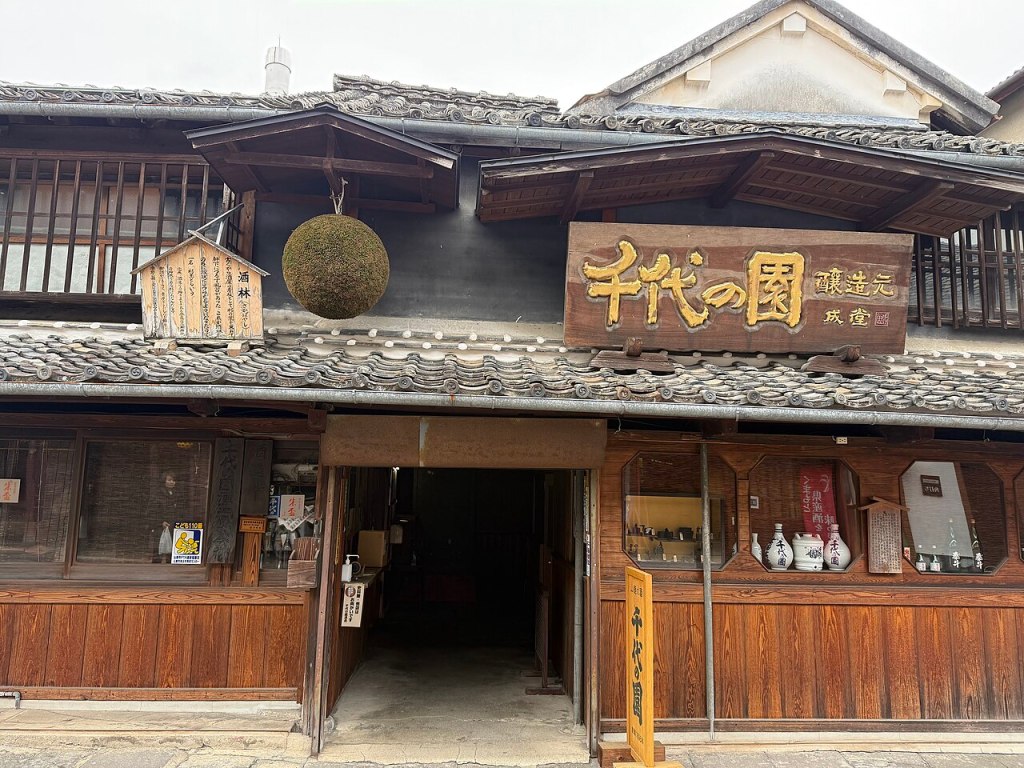
The town has a brewery making the local sake with the water and the rice, and the shop sells the bottles and offers tastings. It is a small, local operation. Check the opening days.
The access to Kumamoto
The town is within an hour of Kumamoto and an hour and a half of Fukuoka, with the trains and the buses connecting the plain, and the airport is close. It is a practical stop. The combination with the onsen makes a good night.
Food and drink
- The local sake from the brewery is the drink to try.
- The tofu and the vegetables of the plain are the local food.
- The noodles and the set meals are served in the simple restaurants.
- The sweets shops sell the traditional confections of the spa town.
- The shops at the station sell the local produce.
Getting there and around
- Yamaga is about an hour from Kumamoto by the JR Kagoshima main line and a bus.
- The shinkansen stops at Shin-Tamana, with a bus to the town.
- The town is on the route between Kumamoto and Fukuoka, with the expressway nearby.
- A car is useful for the surrounding area, but the town itself is walkable.
- The buses run from the station to the centre.
Where to stay
- The town has ryokan and small hotels with the hot spring baths.
- Kumamoto and Fukuoka have the wider choice and are within reach.
- Book well ahead for the August festival.
- The inns serve the local food with the baths.
Best time to visit
- Spring is mild, with blossom in the shrine and the parks.
- Summer is hot, with the lantern festival in August.
- Autumn is clear and cool, the best season for the town.
- Winter is cold, with the hot springs at their best.
Practical tips
- The festival dates change each year; check before booking.
- The theatre tour runs on certain days; check the schedule.
- The footbath is free and open; bring a towel.
- The restaurants are few and close early.
- Cash is needed at the small shops and the brewery.
- Combine the visit with Kumamoto and the onsen of the interior.
Suggested day-trip outline
- Morning: the train and bus from Kumamoto.
- Late morning: the Yachiyoza theatre and the old streets.
- Lunch: a set meal in the town.
- Afternoon: the shrine and the sake brewery.
- Late afternoon: the footbath and the hot spring.
- Evening: dinner at the inn, or back to Kumamoto.
Before you go
Timetables, fares, admission fees, and seasonal access rules can change. Check the official tourism and transport sites linked below for the latest information before you travel.
Explore More of Japan
Published guides that pair with this one:
- Hitoyoshi Travel Guide: The Kuma River, Boat Trips and Castle Town Streets
- Hita Travel Guide: The Mameda Old Town and the Gion Festival
- Kikuchi Travel Guide: The Gorge, the Valley and the Water of Kumamoto
- Kurokawa Onsen Travel Guide: A Small Hot-Spring Village in the Aso Caldera
- Goto Islands Travel Guide: Churches, Coves and the Edge of Kyushu
Browse every Kyushu guide on this site for the rest of the region.
Sources
- city.yamaga.kumamoto.jp (checked 2026-11-06)
- kumamoto.guide (checked 2026-11-06)


Leave a Reply