A practical English guide to Shibata in Niigata: the castle, the cherry blossoms, the old town and access from Niigata and Tokyo.
Operational details such as opening hours, admission fees, and train times can change. Prefer official pages and reconfirm before you travel (sources checked on 07 November 2026).
Why visit
- Shibata is a castle town in northern Niigata, on the plain between the Sea of Japan and the mountains of Iide. It was the seat of a domain in the Edo period, and its castle, moat and grid of streets are still the shape of the centre.
- The castle keep was lost, but the stone walls, the moat and one gate remain, and the grounds are planted with cherry trees that make the town a spring destination. The old merchant streets nearby have been kept, with wooden houses and shops.
- Shibata is close to Niigata city and to the mountains, and it is a practical base for the northern part of the prefecture, with hot springs and ski areas within reach.
Top places and highlights
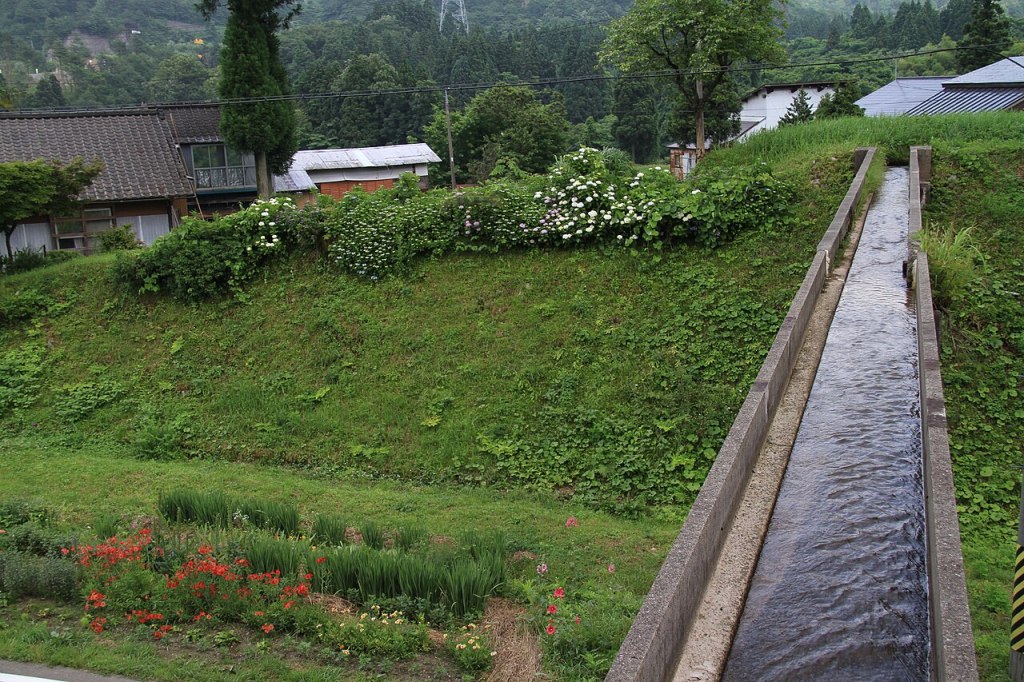
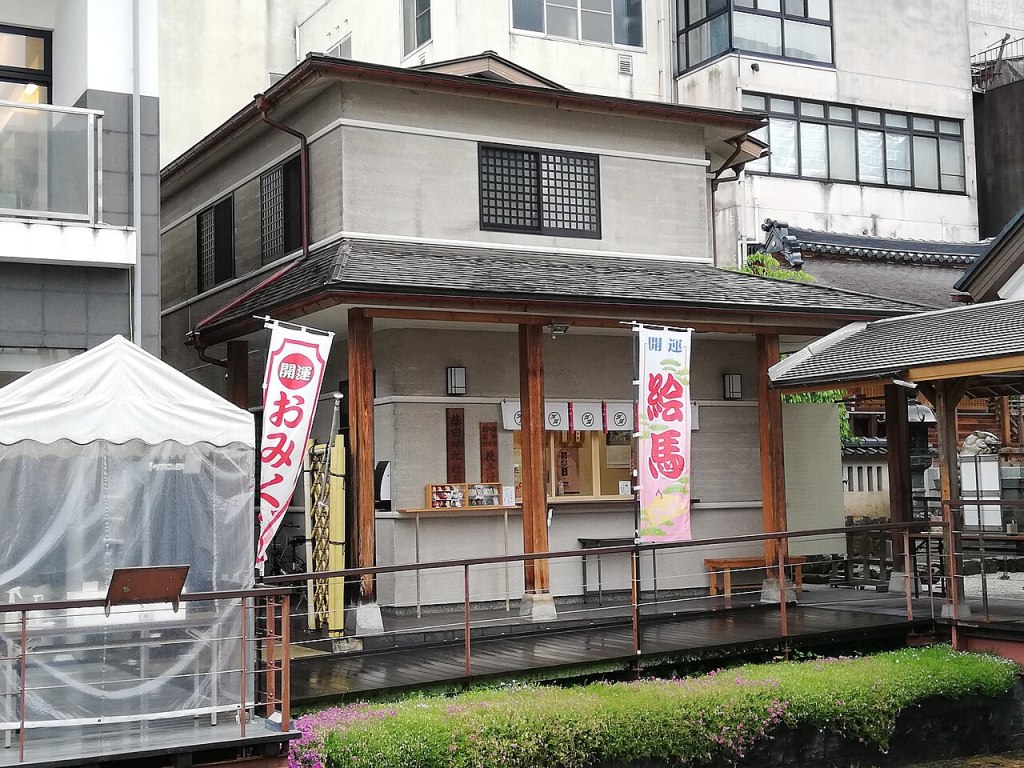
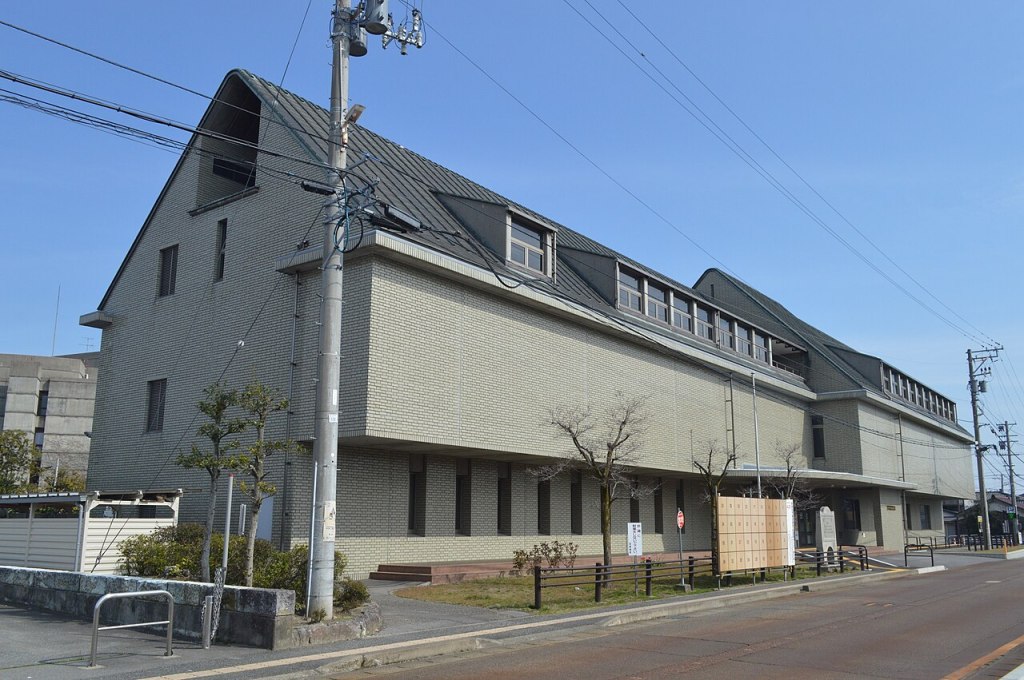
Castle site
Stone walls, a moat and a surviving gate in the centre of town.
Cherry blossoms
Trees around the castle grounds, best in early April.
Old merchant streets
Wooden houses and shops in the historic centre.
Mountains and hot springs
The Iide range and onsen in the surrounding countryside.
Food and drink
- N
- i
- i
- g
- a
- t
- a
- f
- o
- o
- d
- i
- s
- r
- i
- c
- e
- ,
- f
- i
- s
- h
- a
- n
- d
- v
- e
- g
- e
- t
- a
- b
- l
- e
- s
- :
- o
- u
- t
- s
- t
- a
- n
- d
- i
- n
- g
- k
- o
- s
- h
- i
- h
- i
- k
- a
- r
- i
- r
- i
- c
- e
- ,
- s
- a
- k
- e
- ,
- s
- o
- b
- a
- a
- n
- d
- s
- e
- a
- f
- o
- o
- d
- f
- r
- o
- m
- t
- h
- e
- c
- o
- a
- s
- t
- .
- S
- h
- i
- b
- a
- t
- a
- h
- a
- s
- s
- m
- a
- l
- l
- r
- e
- s
- t
- a
- u
- r
- a
- n
- t
- s
- i
- n
- t
- h
- e
- c
- e
- n
- t
- r
- e
- ,
- a
- n
- d
- t
- h
- e
- s
- u
- r
- r
- o
- u
- n
- d
- i
- n
- g
- f
- a
- r
- m
- s
- s
- e
- l
- l
- d
- i
- r
- e
- c
- t
- l
- y
- .
Getting there and around
- S
- h
- i
- b
- a
- t
- a
- i
- s
- o
- n
- t
- h
- e
- J
- R
- H
- a
- k
- u
- s
- h
- i
- n
- l
- i
- n
- e
- ,
- a
- r
- o
- u
- n
- d
- t
- h
- i
- r
- t
- y
- m
- i
- n
- u
- t
- e
- s
- f
- r
- o
- m
- N
- i
- i
- g
- a
- t
- a
- ,
- a
- n
- d
- i
- s
- r
- e
- a
- c
- h
- e
- d
- b
- y
- r
- o
- a
- d
- o
- n
- r
- o
- u
- t
- e
- 7
- a
- n
- d
- t
- h
- e
- N
- i
- h
- o
- n
- k
- a
- i
- –
- T
- o
- h
- o
- k
- u
- e
- x
- p
- r
- e
- s
- s
- w
- a
- y
- .
- T
- h
- e
- c
- e
- n
- t
- r
- e
- i
- s
- w
- a
- l
- k
- a
- b
- l
- e
- f
- r
- o
- m
- S
- h
- i
- b
- a
- t
- a
- s
- t
- a
- t
- i
- o
- n
- .
Where to stay
- A
- c
- c
- o
- m
- m
- o
- d
- a
- t
- i
- o
- n
- i
- s
- m
- o
- s
- t
- l
- y
- b
- u
- s
- i
- n
- e
- s
- s
- h
- o
- t
- e
- l
- s
- a
- n
- d
- s
- m
- a
- l
- l
- i
- n
- n
- s
- ,
- w
- i
- t
- h
- m
- o
- r
- e
- c
- h
- o
- i
- c
- e
- i
- n
- N
- i
- i
- g
- a
- t
- a
- c
- i
- t
- y
- .
- I
- t
- i
- s
- a
- q
- u
- i
- e
- t
- b
- a
- s
- e
- r
- a
- t
- h
- e
- r
- t
- h
- a
- n
- a
- r
- e
- s
- o
- r
- t
- .
Best time to visit
- S
- p
- r
- i
- n
- g
- i
- s
- t
- h
- e
- s
- e
- a
- s
- o
- n
- f
- o
- r
- t
- h
- e
- c
- h
- e
- r
- r
- y
- b
- l
- o
- s
- s
- o
- m
- s
- .
- S
- u
- m
- m
- e
- r
- i
- s
- w
- a
- r
- m
- a
- n
- d
- h
- u
- m
- i
- d
- .
- A
- u
- t
- u
- m
- n
- i
- s
- t
- h
- e
- h
- a
- r
- v
- e
- s
- t
- ,
- w
- i
- t
- h
- g
- o
- o
- d
- r
- i
- c
- e
- a
- n
- d
- s
- a
- k
- e
- .
- W
- i
- n
- t
- e
- r
- i
- s
- c
- o
- l
- d
- a
- n
- d
- s
- n
- o
- w
- y
- ,
- w
- i
- t
- h
- s
- k
- i
- a
- r
- e
- a
- s
- n
- e
- a
- r
- b
- y
- .
Practical tips
- Cherry blossom dates vary; check the official forecast.
- Some old buildings are private; view from the street.
- Winter snow can make the streets and roads slow.
Suggested day-trip outline
- Morning: train from Niigata.
- Late morning: the castle site and the moat.
- Lunch: soba or a local set meal.
- Afternoon: the old merchant streets.
- Late afternoon: a drive to the mountains or an onsen.
- Evening: dinner in town, or back to Niigata.
Before you go
Timetables, fares, admission fees, and seasonal access rules can change. Check the official tourism and transport sites linked below for the latest information before you travel.
Explore More of Japan
Published guides that pair with this one:
- Joetsu Travel Guide: Takada Castle, the Cherry Lanes and the Sake
- Nagaoka Travel Guide: The Fireworks and the Gardens of Niigata
- Iida Travel Guide: Southern Shinshu on the Tenryu River
- Iiyama Travel Guide: Snow Country in Northern Nagano
- Itoigawa Travel Guide: Jade, Cliffs and the Japan Sea
Browse every Chubu guide on this site for the rest of the region.
Sources
- city.shibata.lg.jp (checked 2026-11-07)
- niigata-kankou.or.jp (checked 2026-11-07)


Leave a Reply