A practical English guide to Nagaoka in Niigata: the August fireworks festival, the Rakuzan-en garden, the sake and the access from Tokyo by shinkansen.
Operational details such as opening hours, admission fees, and train times can change. Prefer official pages and reconfirm before you travel (sources checked on 06 November 2026).
Why visit
- Nagaoka is a city in central Niigata, on the Shinano river, about two hours from Tokyo by shinkansen, and it is known for one of the largest fireworks festivals in Japan. The festival began as a memorial for the dead of the Second World War and the earthquakes, and it now draws hundreds of thousands of people to the river bank in early August for a display of extraordinary scale.
- The fireworks are the reason many visitors come. The show is famous for the Phoenix, a wide burst that spans almost two kilometres across the river, and for the density of the launches, with tens of thousands of shells in a few hours. The river bank and the bridges are the viewpoints, and the heat and the crowds are part of the experience.
- The second attraction is the quieter city. Nagaoka has the Rakuzan-en, a landscaped garden of the Edo period with a pond and a tea house, the remains of the castle, and a set of temples and old streets. It is a pleasant, ordinary city, with the food and the sake of Niigata, and it is a good base for the surrounding mountains.
- The third is the region. The city is close to the Sea of Japan, the mountains of the Echigo range, the onsen of the interior, and the rice fields that produce the famous Koshihikari. The local food is the rice, the sake, the soba and the fish of the coast, and the autumn harvest is the season.
Top places and highlights

The fireworks festival
The show in early August is one of the largest in Japan, with tens of thousands of shells and the Phoenix, a burst that spans almost two kilometres across the Shinano river. The river bank and the bridges are the viewpoints. The crowds are enormous and the heat is intense.
The Phoenix
The signature burst of the festival is a wide fan of shells across the river, launched in a sequence that lights the whole sky above the water. It is the moment the crowd waits for. The scale is hard to describe.
The Rakuzan-en garden
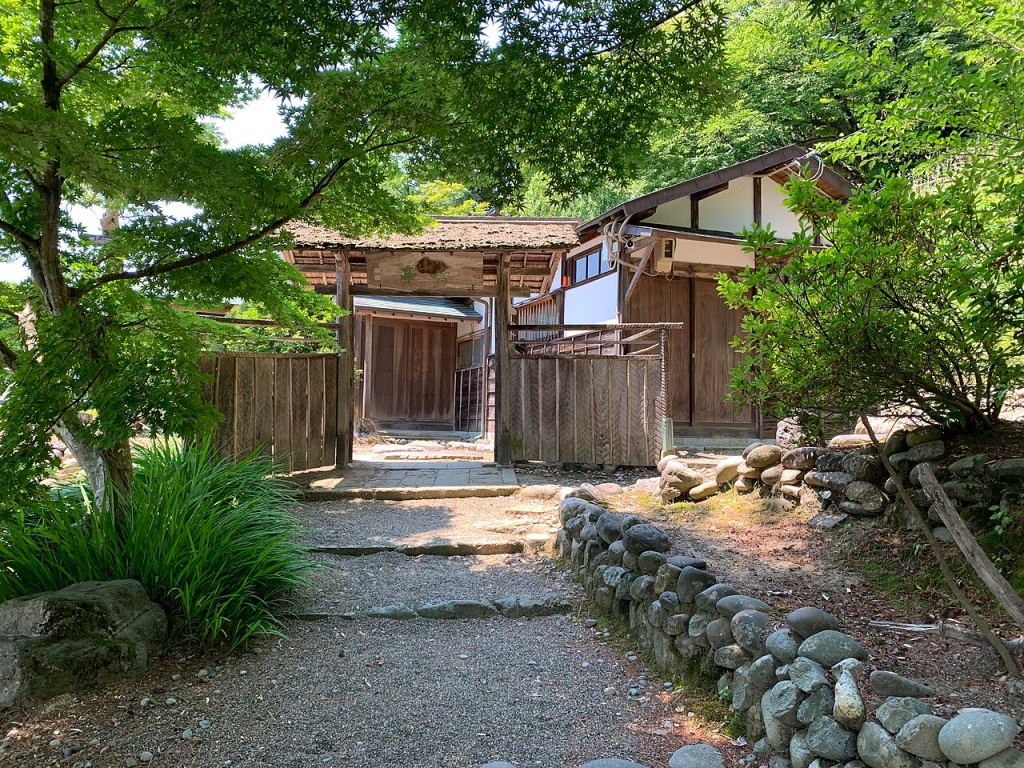
The garden was laid out in the Edo period, with a pond, a tea house and the borrowed scenery of the mountains, and it is quiet and beautiful in every season. It is the historic sight of the city. The blossom and the autumn colour are the best times.
The castle site
The remains of the castle are on a hill above the city, with stone walls, a park and a view over the plain, and it is a short walk from the centre. The site is free and open. The history of the city is tied to it.
The sake and the rice
The city is in the rice country of Niigata, with the Koshihikari of the plain and the sake breweries of the region, and the shops and the restaurants serve both. The tasting rooms are a good way to try the local labels. The quality is high.
The temples and the streets
The city has a set of temples and old merchant streets, with the timber fronts and the quiet precincts, and the walk between them is short. The area is lived in rather than preserved. It is the ordinary Niigata of the plain.
The access to the coast and the mountains
The city is within reach of the Sea of Japan, the Echigo mountains and the onsen of the interior, with the trains and the roads connecting them. The drive to the coast is short. The combination makes a full day.
Food and drink
- The Koshihikari rice of the plain is the local staple, served in every restaurant.
- The sake of Niigata is dry and clean, sold at the breweries and the shops.
- The soba of the region, made with the local buckwheat, is the everyday lunch.
- The fish of the Sea of Japan, including the salmon and the yellowtail, is served at the coast.
- The local sweets and the rice crackers are the souvenirs.
Getting there and around
- Nagaoka is about two hours from Tokyo by the Joetsu shinkansen.
- The station is central, and the garden and the castle site are a short bus or taxi ride away.
- A car is useful for the coast and the mountains.
- The expressway connects the city with Niigata and Tokyo.
- The festival shuttle buses run from the station in August.
Where to stay
- Business hotels near the station are the practical choice.
- The onsen of the interior have the larger inns and are within an hour.
- Niigata city has the wider choice and is half an hour away.
- Book well ahead for the fireworks festival, when the city fills up.
Best time to visit
- Spring is mild, with blossom in the garden and the parks.
- Summer is hot and humid, with the fireworks in early August.
- Autumn is clear and cool, with the rice harvest and the best food.
- Winter is cold and snowy, with the mountains and the onsen at their best.
Practical tips
- The fireworks festival needs tickets for the paid seats and fills the hotels.
- The garden is closed on some weekdays; check before visiting.
- The summer heat at the festival is intense; bring water and a hat.
- A car makes the coast and the mountains much easier.
- The sake breweries keep limited hours.
- The rice and the sake are the best souvenirs of the region.
Suggested day-trip outline
- Morning: the shinkansen from Tokyo to Nagaoka.
- Late morning: the Rakuzan-en garden.
- Lunch: soba and the local rice.
- Afternoon: the castle site and the temples.
- Late afternoon: a sake brewery or the shops.
- Evening: dinner, or the fireworks in August.
Before you go
Timetables, fares, admission fees, and seasonal access rules can change. Check the official tourism and transport sites linked below for the latest information before you travel.
Explore More of Japan
Published guides that pair with this one:
- Hamamatsu Travel Guide: Castle, Gyoza and the Instrument Makers
- Obuse Travel Guide: Hokusai, Chestnuts and the Sake of Nagano
- Azumino Travel Guide: Wasabi Fields, Mountain Water and Cycling
- Niigata Travel Guide: Sake, Rice and the Furumachi Quarter
- Nagoya Travel Guide: Castle, Miso Food and a Practical Base for Central Japan
Browse every Chubu guide on this site for the rest of the region.
Sources
- city.nagaoka.niigata.jp (checked 2026-11-06)
- visitsado.com (checked 2026-11-06)


Leave a Reply