A practical English guide to Joetsu in Niigata: the Takada castle site and its cherry lanes, the old town, the sake breweries and access from Tokyo by shinkansen.
Operational details such as opening hours, admission fees, and train times can change. Prefer official pages and reconfirm before you travel (sources checked on 06 November 2026).
Why visit
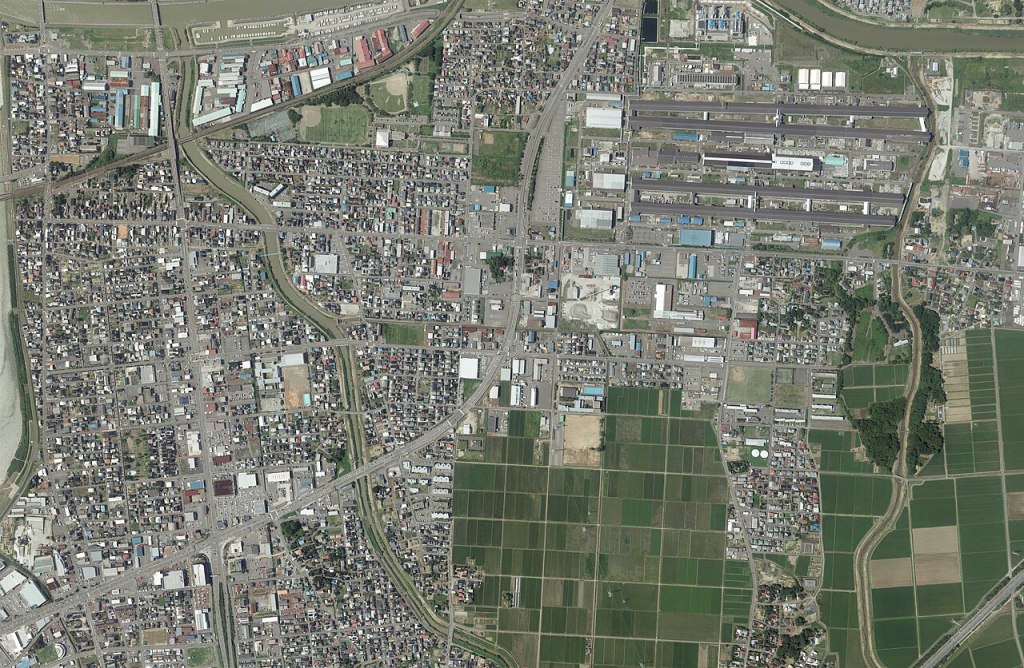
- Joetsu is a city on the Sea of Japan in western Niigata, and it is the place where the old castle town of Takada and the port of Naoetsu grew together. It is known for one of the great cherry blossom sites of Japan, the Takada castle park, where the blossom is lit at night and the moat is lined with hundreds of trees.
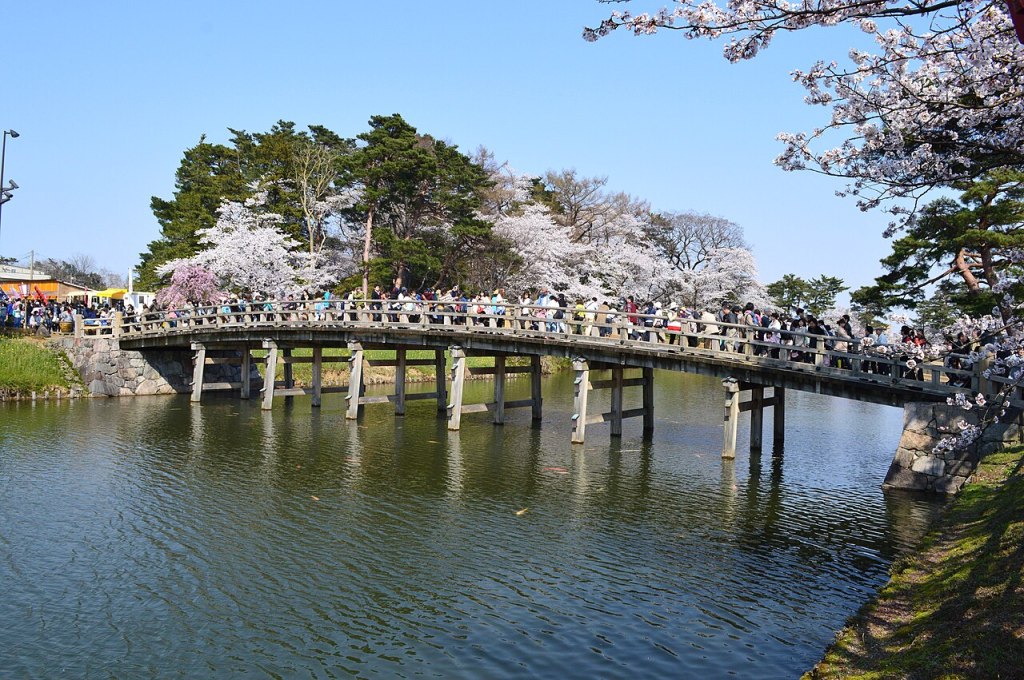
- The castle park is the main attraction. The site has the moat, the stone walls, a reconstructed turret and a large park, and in early April the cherry trees along the water are lit for a festival that draws crowds from across the region. The reflection of the blossom in the moat is the classic image.
- The second is the old town. Takada has a grid of streets from the Edo period, with the temples, the merchant houses and the shrines, and a few of the old buildings are open, including the former school and the samurai house. The walk is quiet and gives the shape of the castle town.
- The third is the food and the drink. The city is in the rice country of Niigata, with the sake breweries of Takada and the fish of the Japan Sea at Naoetsu, and the local food is the sushi, the soba and the sake. The port and the markets are the other half of the city, and the two together make a full day.
Top places and highlights
The Takada castle park
The park has the moat, the stone walls, a reconstructed turret and hundreds of cherry trees, and in early April the blossom is lit at night for a festival. The reflection in the moat is the classic image. It is the main sight of the city.
The cherry festival
The blossom festival in early April lights the trees along the moat and draws crowds from across the region, with the food stalls and the evening illumination. The dates depend on the season. It is the busiest time of the year.
The old town of Takada
The streets of the castle town have the temples, the merchant houses and the shrines, with the grid of the Edo plan, and a few of the old buildings are open to visitors. The walk takes a couple of hours. The scale is right.
The samurai house
The old house of a samurai family is open to visitors, with the rooms, the garden and the tools of the period, and it shows the life of the middle rank of the castle town. It is modest and informative. The garden is small and fine.
The sake breweries
The city has breweries making the sake of Niigata, with the rice and the water of the plain, and some offer tours and tastings. The shops sell the bottles. The labels are part of the local pride.
The port of Naoetsu
The port on the Sea of Japan has the fish market, the ferry terminal and the restaurants, and the catch is sold and served there. The morning is the time to see it. The sunset over the sea is the evening scene.
The mountains and the onsen
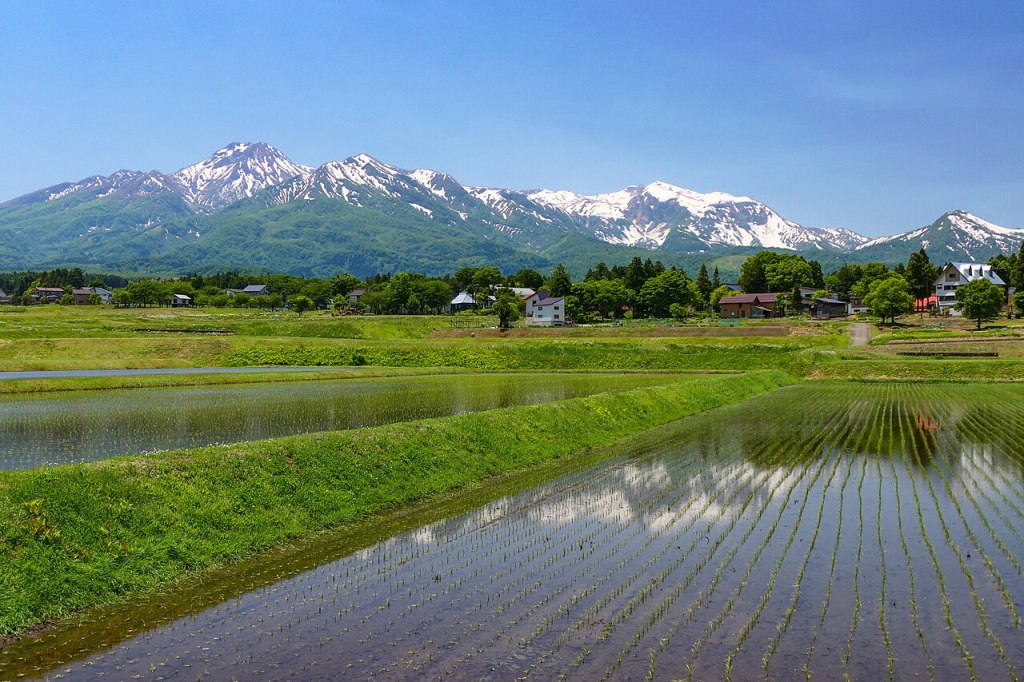
The city is within reach of the Kubiki mountains, the ski areas and the onsen of the interior, with the trails and the hot springs. The drive up is scenic. The combination makes a winter day.
Food and drink
- The sushi and the seafood of the Japan Sea are served at the port of Naoetsu.
- The sake of Takada is dry and clean, sold at the breweries.
- The soba and the udon of the region are the everyday lunch.
- The rice of the plain is the local staple.
- The sweets and the rice crackers are the souvenirs.
Getting there and around
- Joetsu is about two hours from Tokyo by the Joetsu shinkansen to Joetsu-Myoko.
- The station is outside the centre, with a bus or taxi to Takada and Naoetsu.
- The old town and the castle park are a short ride from the station.
- A car is useful for the port, the mountains and the onsen.
- The expressway connects the city with Niigata and Nagano.
Where to stay
- Business hotels near the stations are the practical choice.
- The onsen of the interior have the larger inns.
- Niigata and Nagano have the wider choice and are within reach.
- Book well ahead for the cherry festival in April.
Best time to visit
- Spring is the cherry season, in early April, and the busiest time.
- Summer is warm and humid, with the sea and the mountains at their best.
- Autumn is clear and cool, with the rice harvest and the sake.
- Winter is cold and snowy, with the ski areas and the onsen.
Practical tips
- The cherry dates change each year; check the forecasts.
- The castle park is free and open; the turret charges a small fee.
- The old buildings keep limited hours.
- A car is useful for the port and the mountains.
- The roads are snowy in winter; drive with care.
- The sake breweries close early in the afternoon.
Suggested day-trip outline
- Morning: the shinkansen from Tokyo to Joetsu-Myoko.
- Late morning: the Takada castle park and the moat.
- Lunch: soba in the old town.
- Afternoon: the temples and the samurai house.
- Late afternoon: the sake brewery or the port of Naoetsu.
- Evening: dinner in Takada, or a night at the onsen.
Before you go
Timetables, fares, admission fees, and seasonal access rules can change. Check the official tourism and transport sites linked below for the latest information before you travel.
Explore More of Japan
Published guides that pair with this one:
- Nagaoka Travel Guide: The Fireworks and the Gardens of Niigata
- Obuse Travel Guide: Hokusai, Chestnuts and the Sake of Nagano
- Nagoya Travel Guide: Castle, Miso Food and a Practical Base for Central Japan
- Hamamatsu Travel Guide: Castle, Gyoza and the Instrument Makers
- Azumino Travel Guide: Wasabi Fields, Mountain Water and Cycling
Browse every Chubu guide on this site for the rest of the region.
Sources
- city.joetsu.niigata.jp (checked 2026-11-06)
- japan.travel (checked 2026-11-06)


Leave a Reply