A practical English guide to Tokoname in Aichi: the kiln lanes, the pottery workshops, the lucky cats and access from Nagoya.
Operational details such as opening hours, admission fees, and train times can change. Prefer official pages and reconfirm before you travel (sources checked on 07 November 2026).
Why visit
- Tokoname is a pottery town on the coast of Aichi, south of Nagoya, and it has been making ceramics for centuries. It is one of the six old kiln towns of Japan, and its slopes are still full of climbing kilns, clay walls and narrow lanes lined with pots and pipes.
- The town is famous for two things beyond its tableware: maneki-neko, the lucky cats that are made here in great numbers, and the ceramic pipes that were produced for industry. The old kiln lanes, known as the pottery path, run up a hillside past workshops, chimneys and a small museum.
- Tokoname is easy to reach from Nagoya and the airport, and it is a good half-day for anyone interested in craft, with shops selling both traditional wares and the cats.
Top places and highlights
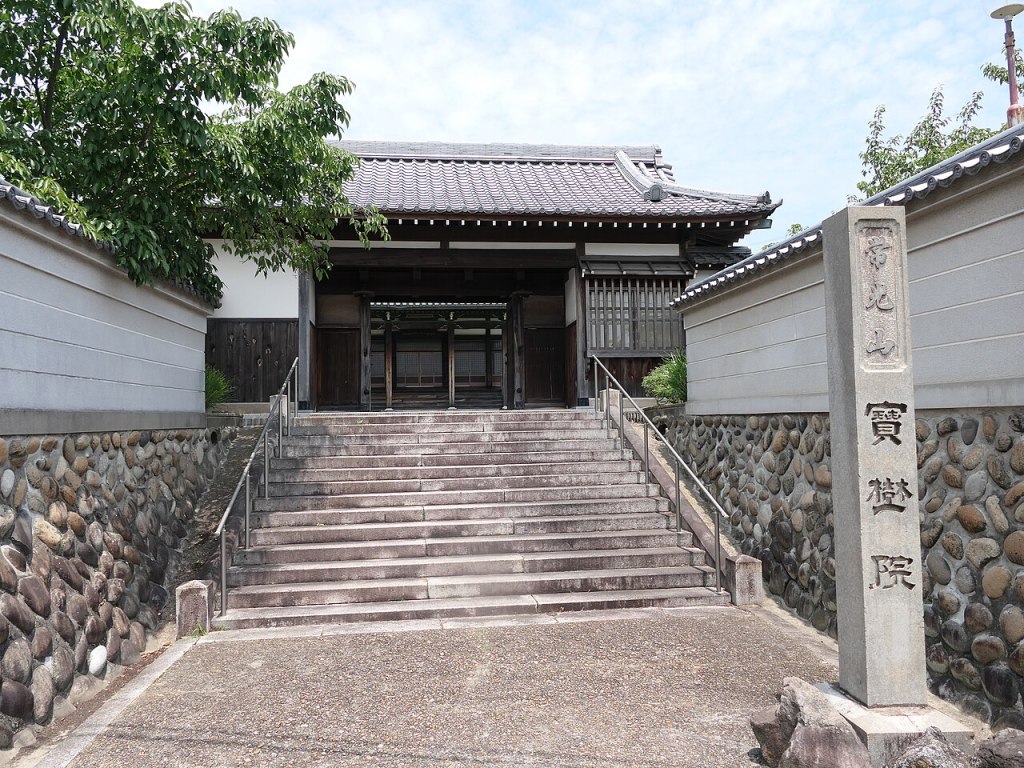
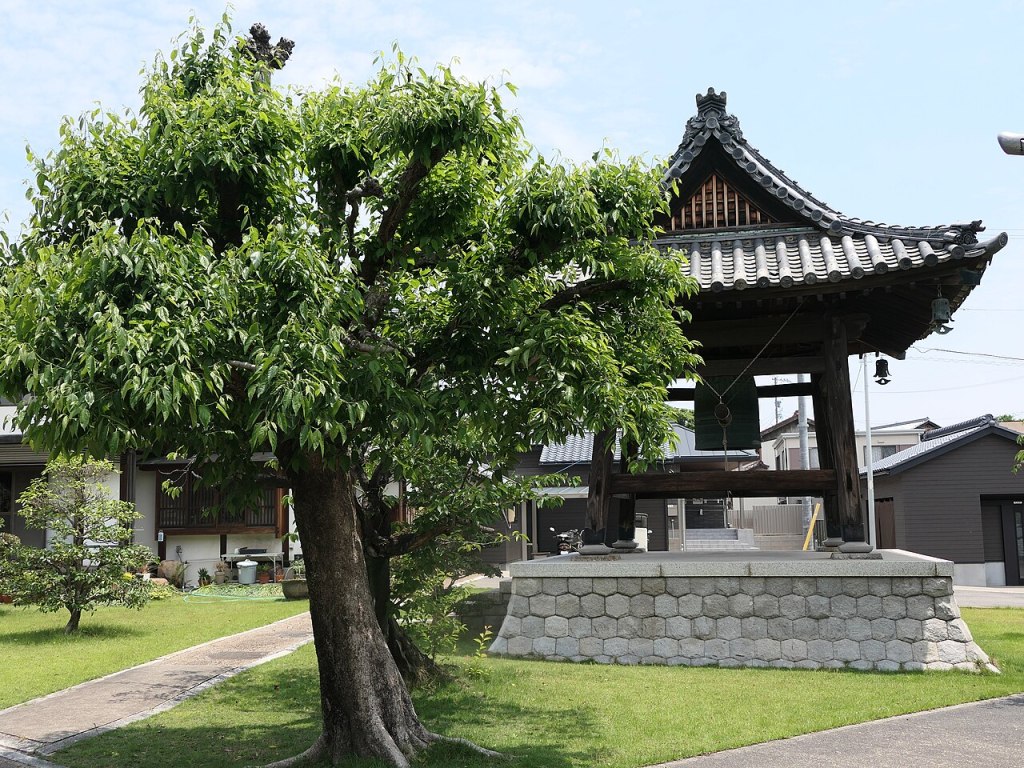
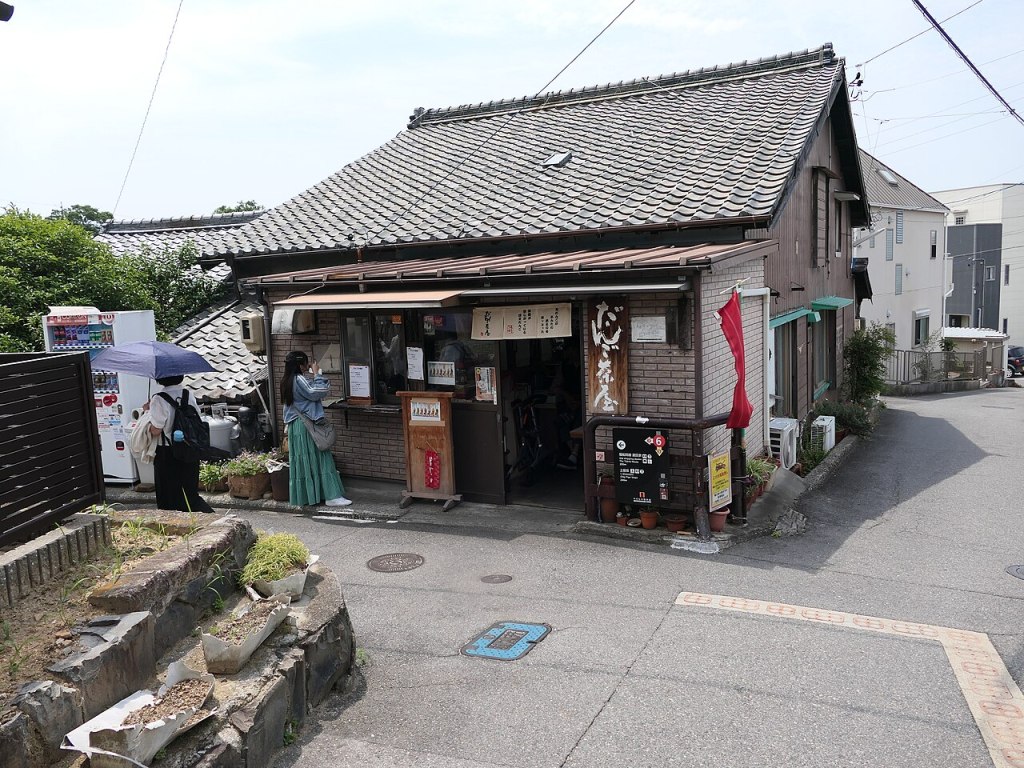
Kiln lanes
The pottery path up the hillside, with climbing kilns and chimneys.
Workshops and shops
Potters making tableware, pipes and figures, with pieces for sale.
Lucky cats
Maneki-neko made in the town, in sizes from tiny to enormous.
Pottery museum
A small museum on the town’s ceramics and its industrial history.
Food and drink
- A
- i
- c
- h
- i
- f
- o
- o
- d
- i
- s
- v
- a
- r
- i
- e
- d
- ,
- a
- n
- d
- T
- o
- k
- o
- n
- a
- m
- e
- h
- a
- s
- s
- i
- m
- p
- l
- e
- r
- e
- s
- t
- a
- u
- r
- a
- n
- t
- s
- a
- n
- d
- c
- a
- f
- e
- s
- n
- e
- a
- r
- t
- h
- e
- k
- i
- l
- n
- d
- i
- s
- t
- r
- i
- c
- t
- ,
- p
- l
- u
- s
- s
- e
- a
- f
- o
- o
- d
- o
- n
- t
- h
- e
- c
- o
- a
- s
- t
- .
- N
- a
- g
- o
- y
- a
- ‘
- s
- o
- w
- n
- d
- i
- s
- h
- e
- s
- a
- r
- e
- a
- s
- h
- o
- r
- t
- t
- r
- a
- i
- n
- r
- i
- d
- e
- a
- w
- a
- y
- .
Getting there and around
- T
- o
- k
- o
- n
- a
- m
- e
- i
- s
- o
- n
- t
- h
- e
- M
- e
- i
- t
- e
- t
- s
- u
- T
- o
- k
- o
- n
- a
- m
- e
- l
- i
- n
- e
- f
- r
- o
- m
- N
- a
- g
- o
- y
- a
- ,
- a
- r
- o
- u
- n
- d
- f
- o
- r
- t
- y
- m
- i
- n
- u
- t
- e
- s
- ,
- a
- n
- d
- i
- s
- c
- l
- o
- s
- e
- t
- o
- C
- h
- u
- b
- u
- a
- i
- r
- p
- o
- r
- t
- .
- T
- h
- e
- k
- i
- l
- n
- d
- i
- s
- t
- r
- i
- c
- t
- i
- s
- a
- s
- h
- o
- r
- t
- w
- a
- l
- k
- f
- r
- o
- m
- T
- o
- k
- o
- n
- a
- m
- e
- s
- t
- a
- t
- i
- o
- n
- .
Where to stay
- A
- c
- c
- o
- m
- m
- o
- d
- a
- t
- i
- o
- n
- i
- s
- m
- o
- s
- t
- l
- y
- b
- u
- s
- i
- n
- e
- s
- s
- h
- o
- t
- e
- l
- s
- n
- e
- a
- r
- t
- h
- e
- s
- t
- a
- t
- i
- o
- n
- a
- n
- d
- t
- h
- e
- a
- i
- r
- p
- o
- r
- t
- ,
- w
- i
- t
- h
- m
- o
- r
- e
- c
- h
- o
- i
- c
- e
- i
- n
- N
- a
- g
- o
- y
- a
- .
- M
- o
- s
- t
- v
- i
- s
- i
- t
- o
- r
- s
- c
- o
- m
- e
- a
- s
- a
- h
- a
- l
- f
- –
- d
- a
- y
- t
- r
- i
- p
- .
Best time to visit
- S
- p
- r
- i
- n
- g
- a
- n
- d
- a
- u
- t
- u
- m
- n
- a
- r
- e
- t
- h
- e
- m
- o
- s
- t
- c
- o
- m
- f
- o
- r
- t
- a
- b
- l
- e
- .
- S
- u
- m
- m
- e
- r
- i
- s
- h
- o
- t
- a
- n
- d
- h
- u
- m
- i
- d
- .
- W
- i
- n
- t
- e
- r
- i
- s
- c
- o
- l
- d
- b
- u
- t
- c
- l
- e
- a
- r
- ,
- w
- i
- t
- h
- f
- e
- w
- e
- r
- v
- i
- s
- i
- t
- o
- r
- s
- a
- n
- d
- q
- u
- i
- e
- t
- l
- a
- n
- e
- s
- .
Practical tips
- Some workshops are closed on irregular days; check before visiting.
- The kiln path has steps and slopes.
- Pottery is fragile; ask about packing for transport.
Suggested day-trip outline
- Morning: train from Nagoya or the airport.
- Late morning: the kiln lanes and the pottery path.
- Lunch: a cafe or restaurant in the old district.
- Afternoon: a workshop and the pottery museum.
- Late afternoon: shops for lucky cats and tableware.
- Evening: back to Nagoya.
Before you go
Timetables, fares, admission fees, and seasonal access rules can change. Check the official tourism and transport sites linked below for the latest information before you travel.
Explore More of Japan
Published guides that pair with this one:
- Nagoya Travel Guide: Castle, Miso Food and a Practical Base for Central Japan
- Gujo Hachiman Travel Guide: Waterways, a Summer Dance, and a 1933 Castle
- Inuyama Castle Travel Guide: Japan’s Oldest Surviving Keep
- Tobe Travel Guide: Ehime’s Pottery Town
- Iida Travel Guide: Southern Shinshu on the Tenryu River
Browse every Chubu guide on this site for the rest of the region.
Sources
- aichi-now.jp (checked 2026-11-07)


Leave a Reply