A practical English guide to Hitachinaka in Ibaraki: the seaside parks, the Katsuta centre and access from Tokyo and Mito.
Operational details such as opening hours, admission fees, and train times can change. Prefer official pages and reconfirm before you travel (sources checked on 08 November 2026).
Why visit
- Hitachinaka is a city on the Pacific coast of Ibaraki, just south of Hitachi and east of Mito. It grew from the old towns of Katsuta and Nakaminato, and it is known for its large seaside parks, its harbour and its industrial hinterland.
- The coast has beaches, a fishing port and open parks that fill with visitors in spring for the nemophila and in summer for swimming. The centre around Katsuta station is a practical grid of shops and restaurants, used by residents and day-trippers from Tokyo.
- Hitachinaka is on the JR Joban line and the Hitachinaka Seaside Railway, which makes it an easy trip from Tokyo and Mito, and a good base for the Ibaraki coast.
Top places and highlights
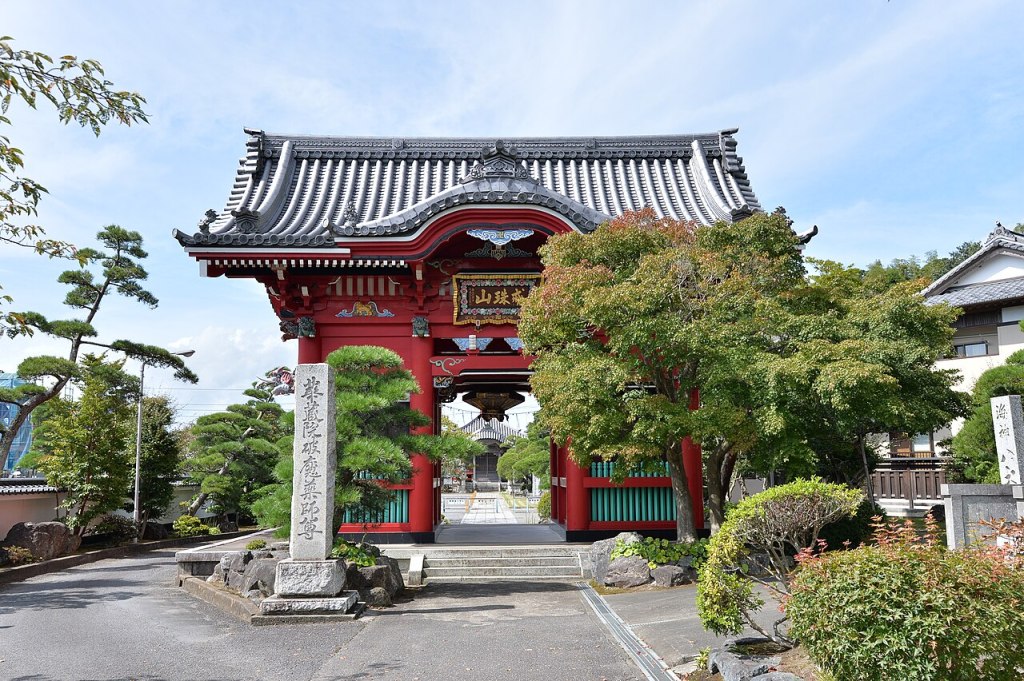
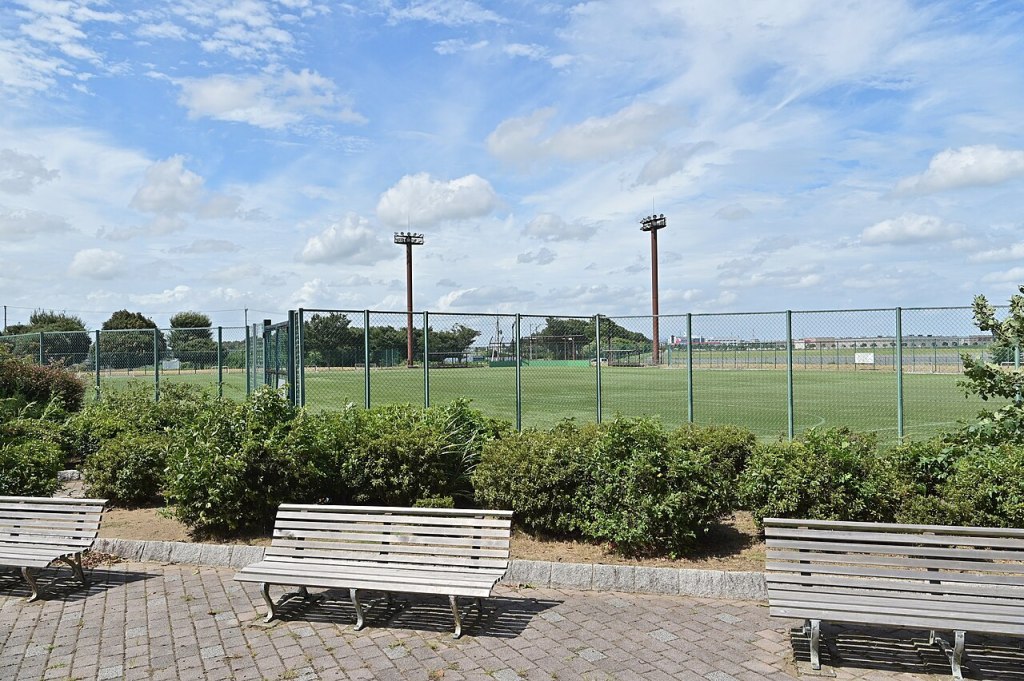
Seaside parks
Large coastal parks with seasonal flowers and walking paths.
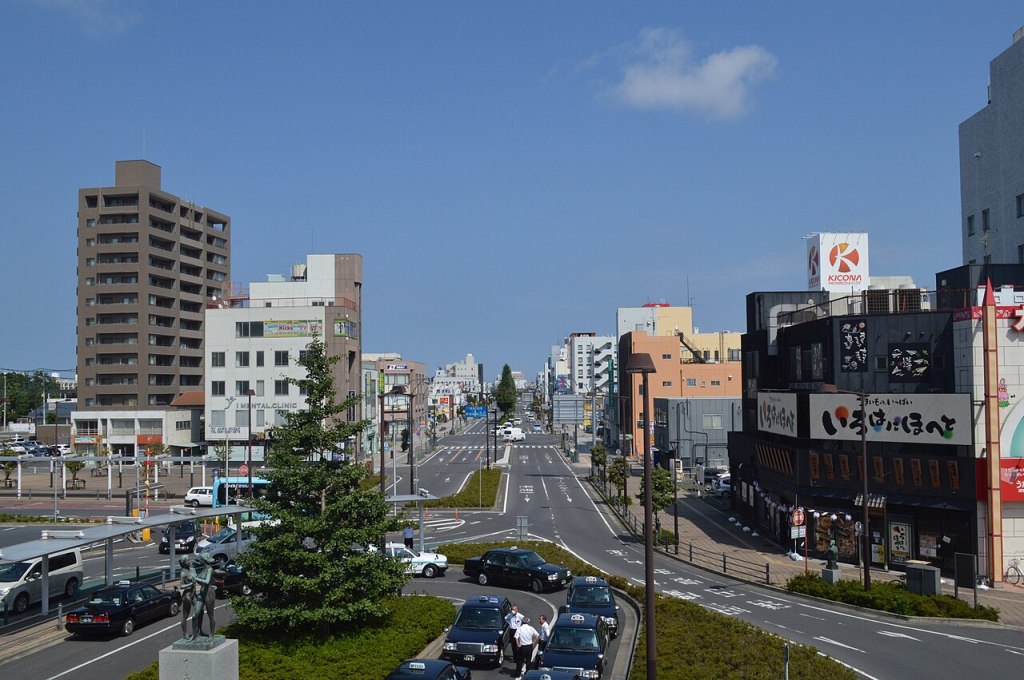
Katsuta centre
A practical station town with shops and restaurants.
Fishing harbour
A working port at Nakaminato with seafood stalls.
Pacific beaches
Sand and open water along the Ibaraki coast.
Food and drink
- I
- b
- a
- r
- a
- k
- i
- c
- o
- a
- s
- t
- a
- l
- f
- o
- o
- d
- i
- s
- s
- e
- a
- f
- o
- o
- d
- a
- n
- d
- l
- o
- c
- a
- l
- p
- r
- o
- d
- u
- c
- e
- :
- f
- i
- s
- h
- ,
- n
- a
- t
- t
- o
- ,
- s
- w
- e
- e
- t
- p
- o
- t
- a
- t
- o
- e
- s
- a
- n
- d
- s
- o
- b
- a
- .
- H
- i
- t
- a
- c
- h
- i
- n
- a
- k
- a
- h
- a
- s
- r
- e
- s
- t
- a
- u
- r
- a
- n
- t
- s
- n
- e
- a
- r
- K
- a
- t
- s
- u
- t
- a
- s
- t
- a
- t
- i
- o
- n
- a
- n
- d
- s
- t
- a
- l
- l
- s
- a
- t
- t
- h
- e
- h
- a
- r
- b
- o
- u
- r
- .
Getting there and around
- H
- i
- t
- a
- c
- h
- i
- n
- a
- k
- a
- i
- s
- o
- n
- t
- h
- e
- J
- R
- J
- o
- b
- a
- n
- l
- i
- n
- e
- a
- t
- K
- a
- t
- s
- u
- t
- a
- ,
- a
- r
- o
- u
- n
- d
- a
- n
- h
- o
- u
- r
- a
- n
- d
- a
- h
- a
- l
- f
- f
- r
- o
- m
- T
- o
- k
- y
- o
- a
- n
- d
- f
- i
- f
- t
- e
- e
- n
- m
- i
- n
- u
- t
- e
- s
- f
- r
- o
- m
- M
- i
- t
- o
- ,
- a
- n
- d
- i
- s
- r
- e
- a
- c
- h
- e
- d
- b
- y
- r
- o
- a
- d
- o
- n
- r
- o
- u
- t
- e
- 6
- a
- n
- d
- t
- h
- e
- J
- o
- b
- a
- n
- e
- x
- p
- r
- e
- s
- s
- w
- a
- y
- .
- B
- u
- s
- e
- s
- a
- n
- d
- t
- h
- e
- s
- e
- a
- s
- i
- d
- e
- r
- a
- i
- l
- w
- a
- y
- l
- i
- n
- k
- t
- h
- e
- p
- a
- r
- k
- s
- .
Where to stay
- A
- c
- c
- o
- m
- m
- o
- d
- a
- t
- i
- o
- n
- i
- s
- m
- o
- s
- t
- l
- y
- b
- u
- s
- i
- n
- e
- s
- s
- h
- o
- t
- e
- l
- s
- a
- n
- d
- s
- m
- a
- l
- l
- i
- n
- n
- s
- ,
- w
- i
- t
- h
- m
- o
- r
- e
- c
- h
- o
- i
- c
- e
- i
- n
- M
- i
- t
- o
- .
- M
- a
- n
- y
- v
- i
- s
- i
- t
- o
- r
- s
- c
- o
- m
- e
- a
- s
- a
- d
- a
- y
- t
- r
- i
- p
- .
Best time to visit
- S
- p
- r
- i
- n
- g
- i
- s
- t
- h
- e
- s
- e
- a
- s
- o
- n
- f
- o
- r
- t
- h
- e
- f
- l
- o
- w
- e
- r
- p
- a
- r
- k
- s
- .
- S
- u
- m
- m
- e
- r
- i
- s
- h
- o
- t
- a
- n
- d
- b
- u
- s
- y
- o
- n
- t
- h
- e
- b
- e
- a
- c
- h
- e
- s
- .
- A
- u
- t
- u
- m
- n
- i
- s
- m
- i
- l
- d
- a
- n
- d
- q
- u
- i
- e
- t
- .
- W
- i
- n
- t
- e
- r
- i
- s
- c
- o
- l
- d
- a
- n
- d
- w
- i
- n
- d
- y
- o
- n
- t
- h
- e
- c
- o
- a
- s
- t
- .
Practical tips
- Flower seasons are short; check bloom forecasts.
- The parks are spread out; a bicycle or bus helps.
- Harbour stalls close early on quiet days.
Suggested day-trip outline
- Morning: train to Katsuta.
- Late morning: a seaside park.
- Lunch: seafood at the harbour, or near the station.
- Afternoon: the beaches or the seaside railway.
- Late afternoon: the Katsuta centre.
- Evening: back to Tokyo or Mito.
Before you go
Timetables, fares, admission fees, and seasonal access rules can change. Check the official tourism and transport sites linked below for the latest information before you travel.
Explore More of Japan
Published guides that pair with this one:
- Kasama Travel Guide: Pottery and Shrines in Ibaraki
- Koga Travel Guide: A River Town in Ibaraki
- Yuki Travel Guide: A Temple Town in Ibaraki
- Oarai Travel Guide: Ibaraki’s Seaside Shrine and Coast
- Hitachi Seaside Park Travel Guide: Nemophila, Kochia, and the Pacific
Browse every Kanto guide on this site for the rest of the region.
Sources
- city.hitachinaka.lg.jp (checked 2026-11-08)
- pref.ibaraki.jp (checked 2026-11-08)


Leave a Reply