A practical English guide to Okuizumo in Shimane: the old iron trade, the mountain temple and access from Izumo and Hiroshima.
Operational details such as opening hours, admission fees, and train times can change. Prefer official pages and reconfirm before you travel (sources checked on 08 November 2026).
Why visit
- Okuizumo is a town in the mountains of eastern Shimane, on the upper reaches of the Hii river, and it is one of the historic centres of Japanese iron making. The iron sand of the river and the charcoal of the forests supported the tatara furnaces that produced steel for swords and tools for centuries.
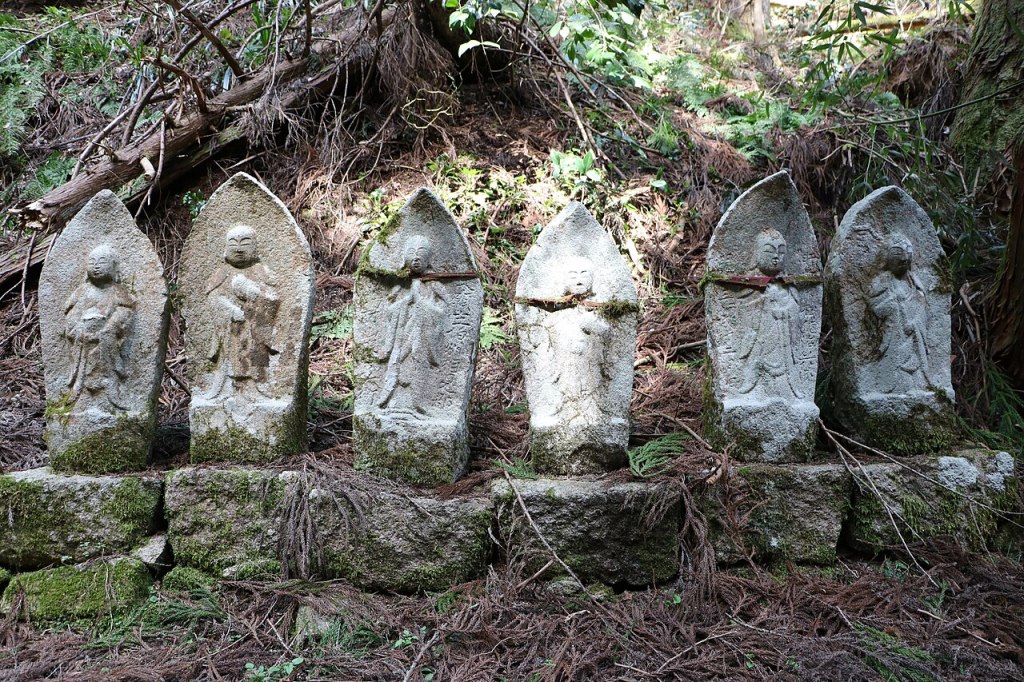
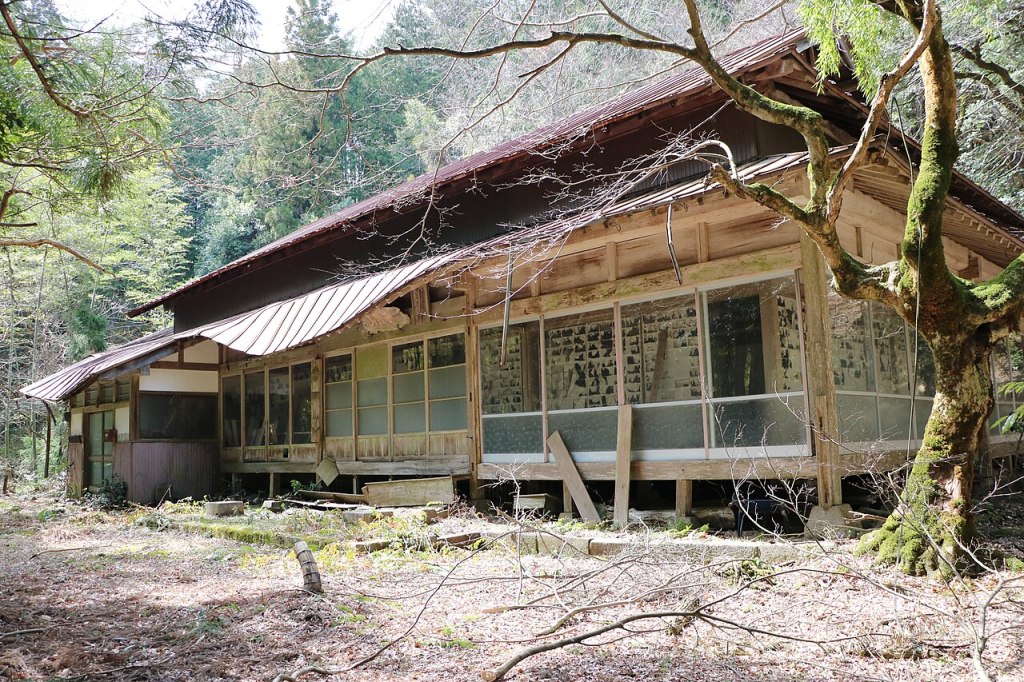
- The town is quiet mountain country, with forests, terraced fields and small settlements along the valleys, and it has a museum and preserved sites that record the iron trade. The mountain temple of Iwayaji, reached by a path of stone figures, is the other reason to come.
- Okuizumo is between Izumo and Hiroshima, which makes it a stop on the mountain roads rather than a destination on the main line, and it is a good place to see the interior of the Chugoku region.
Top places and highlights
Iron history
Museums and sites that record the tatara iron making of the region.
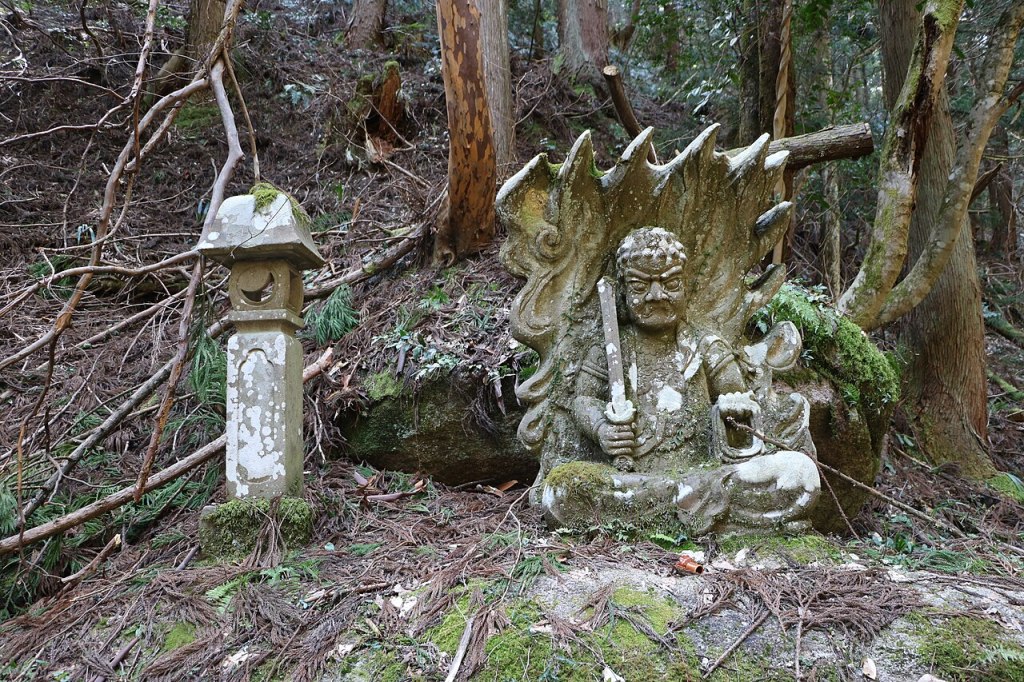
Iwayaji temple
A mountain temple reached by a path of stone figures and carved Jizo.
Mountain valleys
Forests, terraced fields and small settlements along the Hii river.
Quiet roads
Routes across the mountains towards Izumo and Hiroshima.
Food and drink
- S
- h
- i
- m
- a
- n
- e
- f
- o
- o
- d
- i
- s
- r
- i
- c
- e
- ,
- f
- i
- s
- h
- a
- n
- d
- s
- a
- k
- e
- ,
- w
- i
- t
- h
- s
- o
- b
- a
- a
- n
- d
- m
- o
- u
- n
- t
- a
- i
- n
- v
- e
- g
- e
- t
- a
- b
- l
- e
- s
- .
- O
- k
- u
- i
- z
- u
- m
- o
- h
- a
- s
- s
- m
- a
- l
- l
- r
- e
- s
- t
- a
- u
- r
- a
- n
- t
- s
- a
- n
- d
- f
- a
- r
- m
- s
- h
- o
- p
- s
- ,
- a
- n
- d
- t
- h
- e
- t
- o
- w
- n
- s
- n
- e
- a
- r
- b
- y
- h
- a
- v
- e
- l
- o
- c
- a
- l
- p
- r
- o
- d
- u
- c
- e
- .
Getting there and around
- O
- k
- u
- i
- z
- u
- m
- o
- i
- s
- o
- n
- t
- h
- e
- J
- R
- K
- i
- s
- u
- k
- i
- l
- i
- n
- e
- ,
- a
- r
- o
- u
- n
- d
- a
- n
- h
- o
- u
- r
- f
- r
- o
- m
- I
- z
- u
- m
- o
- ,
- a
- n
- d
- i
- s
- r
- e
- a
- c
- h
- e
- d
- b
- y
- r
- o
- a
- d
- o
- n
- r
- o
- u
- t
- e
- 3
- 1
- 4
- a
- n
- d
- r
- o
- u
- t
- e
- 4
- 3
- 2
- .
- A
- c
- a
- r
- i
- s
- t
- h
- e
- p
- r
- a
- c
- t
- i
- c
- a
- l
- w
- a
- y
- t
- o
- r
- e
- a
- c
- h
- t
- h
- e
- t
- e
- m
- p
- l
- e
- a
- n
- d
- t
- h
- e
- i
- r
- o
- n
- s
- i
- t
- e
- s
- .
Where to stay
- A
- c
- c
- o
- m
- m
- o
- d
- a
- t
- i
- o
- n
- i
- s
- l
- i
- m
- i
- t
- e
- d
- t
- o
- s
- m
- a
- l
- l
- i
- n
- n
- s
- a
- n
- d
- g
- u
- e
- s
- t
- h
- o
- u
- s
- e
- s
- ,
- w
- i
- t
- h
- m
- o
- r
- e
- c
- h
- o
- i
- c
- e
- i
- n
- I
- z
- u
- m
- o
- a
- n
- d
- M
- a
- t
- s
- u
- e
- .
- I
- t
- i
- s
- a
- q
- u
- i
- e
- t
- b
- a
- s
- e
- f
- o
- r
- t
- h
- e
- m
- o
- u
- n
- t
- a
- i
- n
- s
- .
Best time to visit
- S
- p
- r
- i
- n
- g
- i
- s
- g
- r
- e
- e
- n
- ,
- w
- i
- t
- h
- f
- r
- e
- s
- h
- l
- e
- a
- v
- e
- s
- .
- S
- u
- m
- m
- e
- r
- i
- s
- w
- a
- r
- m
- a
- n
- d
- h
- u
- m
- i
- d
- .
- A
- u
- t
- u
- m
- n
- i
- s
- t
- h
- e
- b
- e
- s
- t
- s
- e
- a
- s
- o
- n
- f
- o
- r
- c
- o
- l
- o
- u
- r
- .
- W
- i
- n
- t
- e
- r
- i
- s
- c
- o
- l
- d
- ,
- w
- i
- t
- h
- s
- n
- o
- w
- o
- n
- t
- h
- e
- h
- i
- g
- h
- e
- r
- r
- o
- a
- d
- s
- .
Practical tips
- Mountain roads are narrow; drive carefully.
- Some sites are unmanned; check opening times in advance.
- Winter snow can close the passes.
Suggested day-trip outline
- Morning: train or drive from Izumo.
- Late morning: the iron museum and the sites.
- Lunch: soba or a local set meal.
- Afternoon: the Iwayaji temple path.
- Late afternoon: a drive through the valleys.
- Evening: dinner in town, or back to Izumo.
Before you go
Timetables, fares, admission fees, and seasonal access rules can change. Check the official tourism and transport sites linked below for the latest information before you travel.
Explore More of Japan
Published guides that pair with this one:
- Masuda Travel Guide: Iwami Kagura and the Shimane Coast
- Unnan Travel Guide: Rice and Old Roads in Eastern Shimane
- Yanai Travel Guide: Goldfish Lanterns on the Seto Inland Sea
- Yasugi Travel Guide: Sada Shrine and the Tatara Steel of Shimane
- Etajima Travel Guide: Naval History on a Seto Island
Browse every Chugoku guide on this site for the rest of the region.
Sources
- town.okuizumo.shimane.jp (checked 2026-11-08)
- kankou-shimane.com (checked 2026-11-08)


Leave a Reply