A practical English guide to Imabari in Ehime: the towel factories and museums, Imabari castle, the port and the start of the Shimanami Kaido.
Operational details such as opening hours, admission fees, and train times can change. Prefer official pages and reconfirm before you travel (sources checked on 05 November 2026).
Why visit
- Imabari is a port town on the Ehime coast that most travellers pass through on the way to the Shimanami Kaido, and it deserves more than a change of buses. It is the towel capital of Japan, a castle town with a moat of seawater, and the starting point of one of the best cycling routes in the country.
- The towels are the unlikely attraction. Imabari has been making them for over a century, and the town’s mills produce a large share of the high-quality towels sold in Japan. Several factories and shops open their doors to visitors, and there is a museum that explains the weaving, the dyeing and the testing, with the piles of white towels and the old looms as the centrepiece. It sounds dull and it is not: the standards are extraordinary, the staff are proud, and the towels make the best souvenir in Shikoku.
- The castle is the other reason to stop. Imabari castle was built in 1602 by Todo Takatora, one of the great castle designers, and its moat is filled with seawater, drawn directly from the nearby strait, so the fish in it are sea fish. The keep is a 1980s reconstruction, but the walls, the moat and the layout are original, and the site is quiet and pleasant.
- And then there is the water. The Kurushima strait, just north of the town, is one of the fastest tidal channels in the Seto Inland Sea, crossed by a chain of bridges that begins the Shimanami Kaido. Even if you are not cycling the whole route, the first stretch out of Imabari, over the Kurushima bridges, is worth an afternoon on a rented bicycle.
Top places and highlights
The towel factories and museum
The towel industry here is not a heritage display: the mills still run, and the quality control is the thing visitors remember. A museum and several factory shops explain the process from cotton to finished towel, with looms, dyeing vats and samples, and the difference between an ordinary towel and an Imabari one becomes obvious when you feel them side by side. Many of the shops sell seconds and end-of-line stock at low prices, which is the practical reason to visit. The larger mills offer short tours, and the staff will explain the grading system if you ask.
Imabari castle
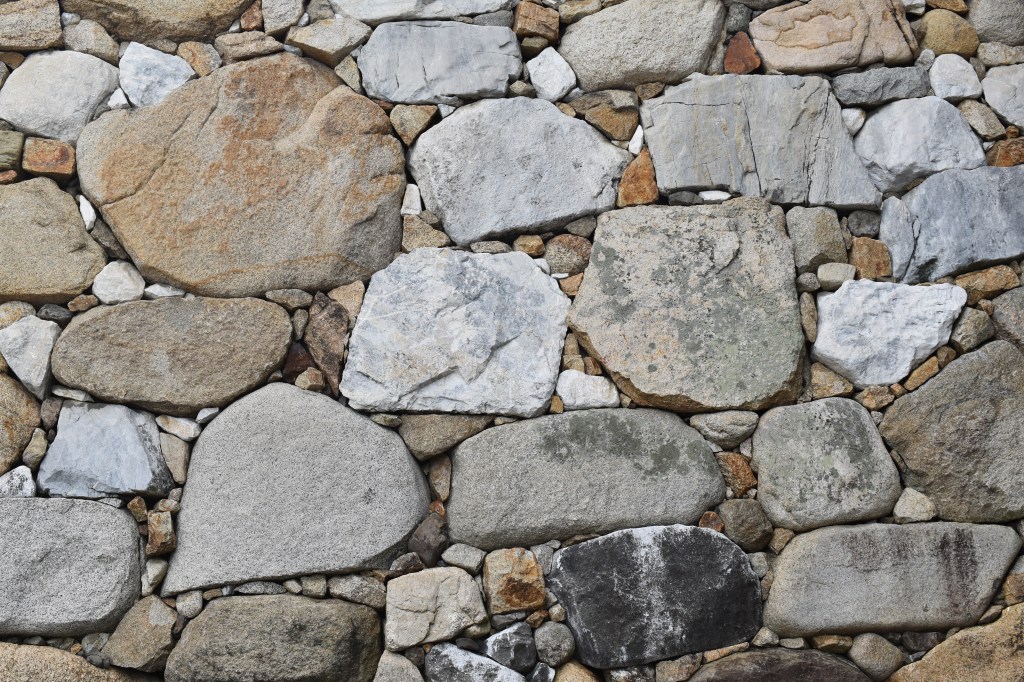
The castle sits on a flat site near the port, surrounded by a wide moat of seawater, and the effect is unusual: the water is tidal, the walls rise straight from it, and the reflections change through the day. The keep is a reconstruction from the 1980s with a small museum inside, and the grounds are free to walk. The stone walls and the corner turrets are the original features, and the moat is the star. Walk the full circuit and cross the bridges, and look at the way the seawater is fed in from the strait through a channel.
The Kurushima bridges and the Shimanami start
The Shimanami Kaido begins at Imabari and crosses to Oshima over the Kurushima strait, where three parallel suspension bridges span a channel with some of the strongest currents in the inland sea. The cycling path runs alongside the road, and the view from the bridge approach, with the towers, the water and the islands, is the shot that sells the route. You can rent a bicycle at the port and ride the first stretch without committing to the whole 70 kilometres. The wind and the traffic on the approach require care.
The port and the ferries
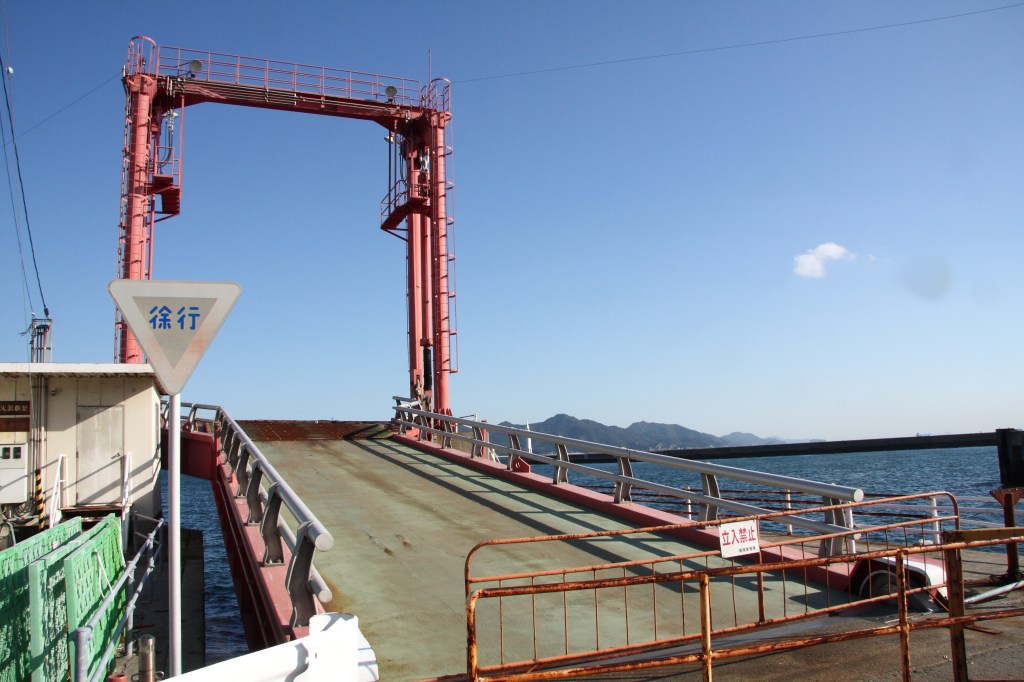
Imabari port is a working harbour with ferries to the islands and a terminal for the Shimanami buses, and it is a good place to watch the boats and the bridge traffic. The waterfront has been redeveloped with a wide promenade, and the view across to the islands is best at sunset. There are a few cafes and shops, and the ferry timetable is worth a look if you want to add an island to the day without cycling.
The old streets and the temples
Behind the castle, the town keeps a grid of old streets with wooden houses, a few temples and the remains of the merchant quarters. It is not a preserved district, and that is part of its charm: people live here, the shops are for local needs, and the pace is slow. Walk from the castle towards the station and take the side streets, and you will find small shrines, old storehouses and a couple of coffee shops in converted buildings.
The food of the port
Imabari has its own yakitori style, and it is not what you expect: the chicken is grilled on skewers over charcoal and served with a sweet-savoury sauce, and the shops are small, smoky and full in the evening. There is also Imabari ramen, a local bowl with a soy or salt broth, and the fish from the strait, especially the sea bream and the octopus. The restaurants around the station and the port are where to eat, and they are cheap.
The view from the castle keep
The top floor of the keep has windows on all sides, and the view takes in the moat, the town, the port and the bridges to the north. It is the best place to understand the geography: the town sits on a flat coastal strip, the mountains rise behind, and the islands are a short ride away. On a clear day the Kurushima towers are visible, and the water of the strait is a different colour from the moat. It is a small museum and a small view, and it takes twenty minutes.
Food and drink
- Imabari yakitori is the local speciality: chicken skewers grilled over charcoal and dipped in a sweet soy sauce, served in small smoky shops. It is different from the yakitori of Tokyo, and the locals are particular about it.
- Imabari ramen is the other everyday dish, with a soy-based broth and thin noodles. The shops around the station serve it cheaply, and it is a good breakfast or lunch.
- The Seto Inland Sea provides sea bream, octopus and small sardines, and the restaurants near the port serve them as sashimi, grilled or in rice bowls. The fish is the reason to eat near the water rather than in the station building.
- Ehime is a citrus prefecture, and the mandarins, lemons and juices appear in the shops and the cafes. In winter the mandarins are at their best, and a bag from a roadside stand is the easy souvenir.
- The towel shops often have small cafes attached, and the port area has a few bakeries and coffee stands. For a proper dinner, the streets around the station have the widest choice, and they are busy on Friday and Saturday nights.
Getting there and around
- Imabari is on the JR Yosan line, about forty minutes from Matsuyama by limited express and two hours from Okayama with a change. The station is a short walk from the castle and the port.
- From the Shimanami Kaido, buses run across the bridges from Onomichi to Imabari, and the journey takes about an hour and a half. The bus is the easy way to connect the two sides if you are not cycling.
- Imabari has a small airport with limited flights, and the nearest major airport is Matsuyama, about an hour away by train or car. From Matsuyama, the JR line and the expressway both run east to Imabari.
- By car, the Nishiseto expressway connects Imabari with Onomichi across the islands, and the drive is spectacular. Tolls apply, and the route is slow in holiday traffic.
- Bicycles can be rented at the port and at several shops in town, and the Shimanami route is well signposted. The first bridge is a short ride from the centre.
Where to stay
- Business hotels around Imabari station are the practical choice, with a few within walking distance of the castle and the port. They are cheap and quiet.
- The hotels and guesthouses near the Shimanami bridge approach are set up for cyclists, with bike storage and early breakfasts. They book out in the cycling season.
- Matsuyama is forty minutes away and has a much wider range of accommodation, including the historic hot spring hotels at Dogo. It is a good base if you are combining the two towns.
- The islands along the Shimanami route have small guesthouses and cyclist hostels, and staying on one of them is the best way to break the ride. Book ahead, since the capacity is limited.
Best time to visit
- Spring, from late March to May, is the best time for cycling: mild, dry and green, with cherry blossom in the castle park. The route is busy at weekends and in the holiday weeks.
- Summer is hot and humid, and the cycling route is exposed. Start early, carry water and plan on finishing by midday, or use the ferries and the islands to break the heat.
- Autumn, from October to November, is the second-best season, with clear air, calm water and comfortable temperatures. The islands are at their best, and the crowds are thinner than in spring.
- Winter is mild but windy, with cold rain and occasional snow on the mountains. The castle and the towel shops are good indoor stops, and the cycling route is quiet.
- The rainy season runs from early June to mid-July. The route is still rideable, but the bridges are exposed and the views are often hazy.
Practical tips
- Check the towel factory and museum hours before you go, since some are closed on weekdays and others require a reservation for tours.
- Rent a bicycle at the port rather than bringing one, unless you are doing the full Shimanami route. The rental shops have maps and can arrange one-way drop-off.
- Start the bridge ride early in the morning to avoid the wind and the traffic, and carry a windproof layer even in summer.
- Eat Imabari yakitori in the evening, when the shops open and the locals come out. Many are small, so arrive early or book.
- Buy towels at the factory shops rather than the station, where the prices are higher and the choice is smaller.
- If you are continuing to Onomichi, take the bus or the ferry rather than riding the whole route unless you are fit and have a full day.
Suggested day-trip outline
- Morning: train or bus to Imabari, walk to the castle and climb the keep for the view over the moat and the port.
- Late morning: the towel museum and one of the factory shops, with a look at the looms and the grading.
- Lunch: Imabari ramen or a fish bowl near the port.
- Afternoon: rent a bicycle and ride the first stretch of the Shimanami Kaido towards the Kurushima bridges, turning back before the climb.
- Evening: Imabari yakitori and a walk along the waterfront, with the bridges lit in the distance.
- With a second day: the full Shimanami ride to Onomichi, or the ferry to one of the islands for a slower day.
Before you go
Timetables, fares, admission fees, and seasonal access rules can change. Check the official tourism and transport sites linked below for the latest information before you travel.
Explore More of Japan
Published guides that pair with this one:
- Awa Odori Guide: Tokushima’s August Dance Festival
- Iya Valley Travel Guide: Vine Bridges and Mountain Villages
- Kotohira Travel Guide: Konpira Shrine Stairs and Shikoku Pilgrim Town
- Matsuyama Castle Travel Guide: The 1854 Keep above the City
- Dogo Onsen Travel Guide: Historic Hot Springs in Matsuyama
- Shimanami Kaido Guide: Cycling Across the Islands
Browse every Shikoku guide on this site for the rest of the region.
Sources
- city.imabari.ehime.jp (checked 2026-11-05)
- iyokannet.jp (checked 2026-11-05)


Leave a Reply