A practical English guide to Masuda in Shimane: the Iwami kagura performances, the old town, the coast and access from Hiroshima.
Operational details such as opening hours, admission fees, and train times can change. Prefer official pages and reconfirm before you travel (sources checked on 05 November 2026).
Why visit
- Masuda is a small city on the far western coast of Shimane, near the border with Yamaguchi, and it is one of the best places in Japan to see Iwami kagura, the dramatic mask dance of the region. The kagura is performed in shrines and halls through the year, with elaborate costumes, masks and music, and the stories are drawn from the old myths.
- The city was a port and a merchant town on the Sea of Japan, and it has the old houses, the temples and the sake breweries of a prosperous trading place. The streets are quiet and the buildings are well kept, and the town has a scale that makes it easy to walk.
- The coast around Masuda is a line of cliffs, beaches and small fishing ports, with the Sea of Japan on one side and the mountains on the other, and the sunsets are the local spectacle. The area is also known for its seafood, especially the squid, the sea urchin and the fish of the warm current.
- Masuda is on the Sanin line between Hiroshima and Matsue, and it is a stop on the western end of the Sanin coast. It is not on the standard route, and that is part of the appeal: a living tradition, a quiet old town and a beautiful coast, with few foreign visitors.
Top places and highlights
The Iwami kagura
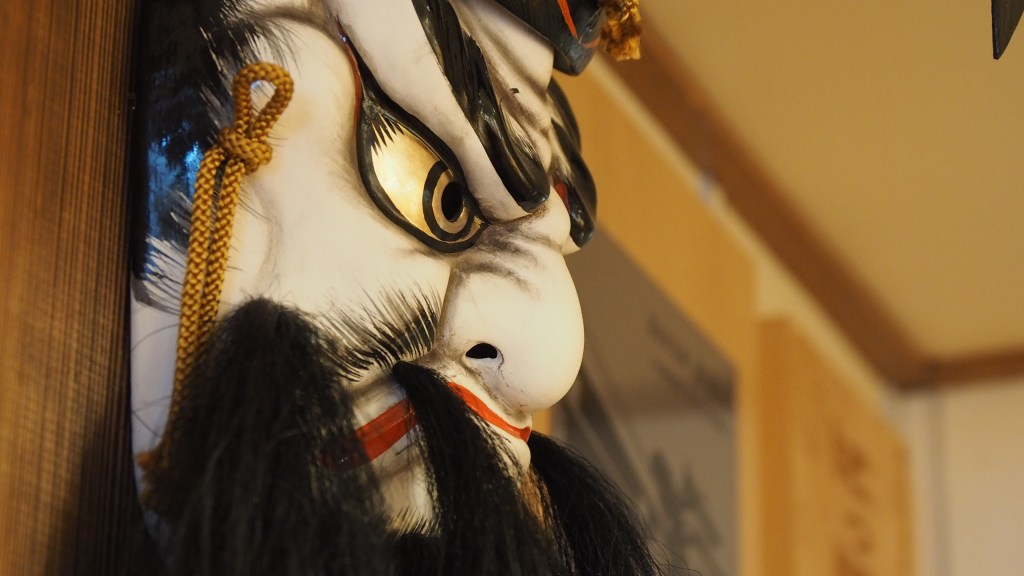
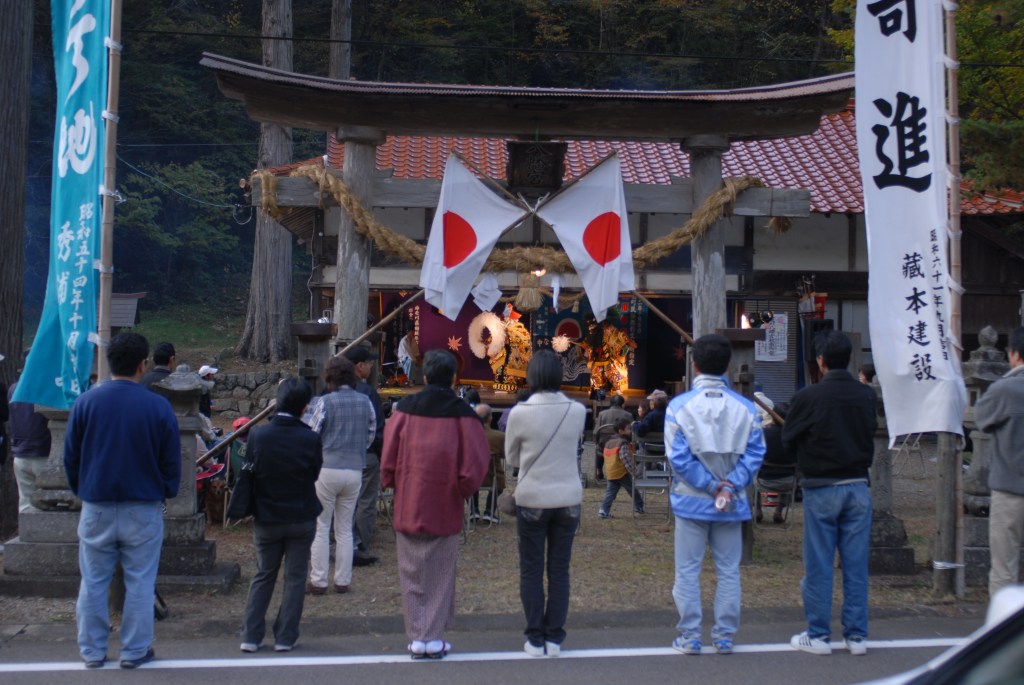
Iwami kagura is the local form of the kagura dance, performed with masks, costumes and a small orchestra of flute, drums and bells, and the stories are the myths of the gods, the demons and the heroes. The performances are fast and theatrical, with the masks changing in a flash, and they are as much theatre as ritual. The city has a hall with regular performances, and the shrines have seasonal ones.
The kagura masks and costumes
The masks are the heart of the kagura, carved from wood and painted with the faces of gods, demons, old men and women, and the costumes are silk and brocade with the colours of the roles. The city has workshops and a small museum, and the carvers and the performers explain the tradition. It is the craft behind the dance, and it is as interesting as the performance.
The old merchant town
The centre of Masuda has the houses of the merchants and the samurai, with thick walls, deep eaves, wooden lattices and the small gardens, and several of them are open to visitors. The streets are quiet and the buildings are well preserved, and the walk between them passes the temples and the old shops. It is a town to wander rather than to tick off.
The coast and the cliffs
The coast west of Masuda has cliffs, sea stacks, small beaches and fishing ports, and the road along it is quiet and scenic. The Sea of Japan is open and the sunsets are dramatic, and the ports have the boats and the drying racks of the squid fishery. Stop at the viewpoints and the small shrines, and watch the light on the water.
The seafood
The warm current brings a rich catch to the coast, and Masuda is known for its squid, its sea urchin, its fish and its shellfish. The restaurants and the markets serve them fresh, and the local speciality is the squid prepared in the traditional way, dried and grilled. The prices are low, and the quality is high.
The sake and the breweries
The region has a number of small sake breweries, and Masuda has its own, with tours and tastings in the winter. The water and the rice of the area give a clean, dry sake, and the local bars and restaurants carry the labels. It is a good way to see a small Japanese brewery at work, and the winter brewing season is the best time to visit, when the steam and the smell fill the building.
The Sanin coast route
Masuda is on the Sanin line and the coast road, between Hiroshima and Matsue, and it is a natural stop on the western Sanin route. The combination of the kagura, the old town and the coast makes a good two-night stay, and the area is close to Hagi, Tsuwano and the Iwami silver mine. The drives between them are quiet and scenic, and the coast is the best part of the route.
Food and drink
- The squid is the local speciality, served as sashimi, grilled or dried, and the restaurants and the markets sell it fresh from the coast.
- The sea urchin and the fish of the warm current are the other local catch, and the seafood bowls and the sushi are good value.
- The local sake from the Masuda brewery is dry and clean, and the bars and the shops carry it along with the regional labels.
- The town has a few cafes and noodle shops, serving the local soba and the usual set meals, and the choice is limited.
- The markets sell the fish, the vegetables and the pickles, and they are a good place for a cheap lunch or a picnic.
- The roadside stations and the shops around the station sell the local produce, the pickles and the sweets, and they are a good place for a cheap lunch or a souvenir.
Getting there and around
- Masuda is on the JR Sanin main line, about two hours from Hiroshima and an hour and a half from Matsue, and the station is in the centre of the city.
- By car, the expressway and the national roads connect Masuda with Hiroshima, Yamaguchi and Matsue, and the coast road is scenic.
- The city is compact and walkable, with the old town and the kagura hall within a few minutes of the station, but the coast needs a car or a bus.
- From Tokyo, the shinkansen to Hiroshima and the train take about five hours, which makes the city a stop on a longer trip.
- The nearest airport is Hagi-Iwami, about thirty minutes away, with domestic flights to Tokyo and Osaka.
Where to stay
- The hotels and the guesthouses around Masuda station are simple and cheap, and they are the practical base for the kagura and the town.
- The ryokan and the onsen inns on the coast and in the mountains offer baths and local meals, and they are within an hour by car.
- The old merchant houses converted into guesthouses are a special option, with tatami rooms and the atmosphere of the town.
- Hagi and Matsue are within two hours and have the full range of accommodation, but they make the kagura a late-night drive.
Best time to visit
- Spring, from April to May, is mild and green, with the cherry trees in the town and the coast calm.
- Summer is hot and humid, with the sea at its best and the festivals in the shrines. The kagura season is at its height.
- Autumn, from October to November, is the best all-round season: clear air, good fish and comfortable walking.
- Winter is cold and windy, with the sea rough and the town quiet. The kagura performances and the sake breweries are the attractions.
- The rainy season runs from early June to mid-July. The old town and the museum are the indoor options.
Practical tips
- Check the kagura schedule before you go. The performances are seasonal and the best ones sell out.
- Book a seat for the hall performance. The popular nights fill up, and the tickets are cheap.
- Allow two nights if you want the coast and the town as well as the kagura.
- Rent a car for the coast. The buses are infrequent and the sights are spread out.
- Carry cash for the small shops and the ticket offices. Not every place takes cards.
- Try the dried squid and the local sake. They are the taste of the coast.
- Carry a light jacket in the evening. The temperature drops quickly after sunset, especially near the water.
Suggested day-trip outline
- Morning: train to Masuda, walk the old merchant town and the temples.
- Late morning: the kagura museum and the mask workshops.
- Lunch: a seafood bowl or the local soba.
- Afternoon: the coast road and the fishing ports, with the views of the sea.
- Late afternoon: the sunset over the water, and a bath at an onsen.
- Evening: an Iwami kagura performance, and dinner in the town.
Before you go
Timetables, fares, admission fees, and seasonal access rules can change. Check the official tourism and transport sites linked below for the latest information before you travel.
Explore More of Japan
Published guides that pair with this one:
- Yamaguchi Travel Guide: Ruriko-ji Pagoda and the Western Capital
- Hagi Travel Guide: A Castle Town That Shaped Modern Japan
- Tsuwano Travel Guide: The Little Kyoto of San’in
- Iwami Ginzan Travel Guide: UNESCO Silver Mine in Shimane
- Hamada Travel Guide: Shimane’s Sea of Japan Coast
Browse every Chugoku guide on this site for the rest of the region.
Sources
- city.masuda.lg.jp (checked 2026-11-05)
- kankou-shimane.com (checked 2026-11-05)


Leave a Reply