A practical English guide to Minna island in Okinawa: the beaches, the ferry from Motobu, the snorkelling and the day trip.
Operational details such as opening hours, admission fees, and train times can change. Prefer official pages and reconfirm before you travel (sources checked on 05 November 2026).
Why visit
- Minna island is a small island off the Motobu peninsula in northern Okinawa, reached by a short ferry from the port at Toguchi. From the boat it looks like a low green crescent in bright water, with a white beach on the sheltered side, and that is essentially what it is: a place to swim, snorkel and do very little else for a day.
- The reef close to the shore is the main attraction. The water is clear, the coral is shallow enough to see from the surface, and the beach shelves gently, which makes it one of the easier places in Okinawa for a first snorkel. Because the island is small, the crowds that arrive on the morning ferry are concentrated on one stretch of sand, and a short walk takes you away from them.
- Facilities are limited and that is part of the appeal. There are a few shops, showers and toilets near the beach, a handful of places to eat in summer, and very little else. There is no resort, no chain hotel and no shopping street. What you bring with you is what you have.
- The island pairs naturally with the rest of northern Okinawa: the aquarium at Churaumi, the coast road around the peninsula, and the quieter beaches of Sesoko and Kourijima are all within half an hour of the ferry port. It is a good day out from Naha or Onna, and a good reason to base yourself in Motobu.
Top places and highlights
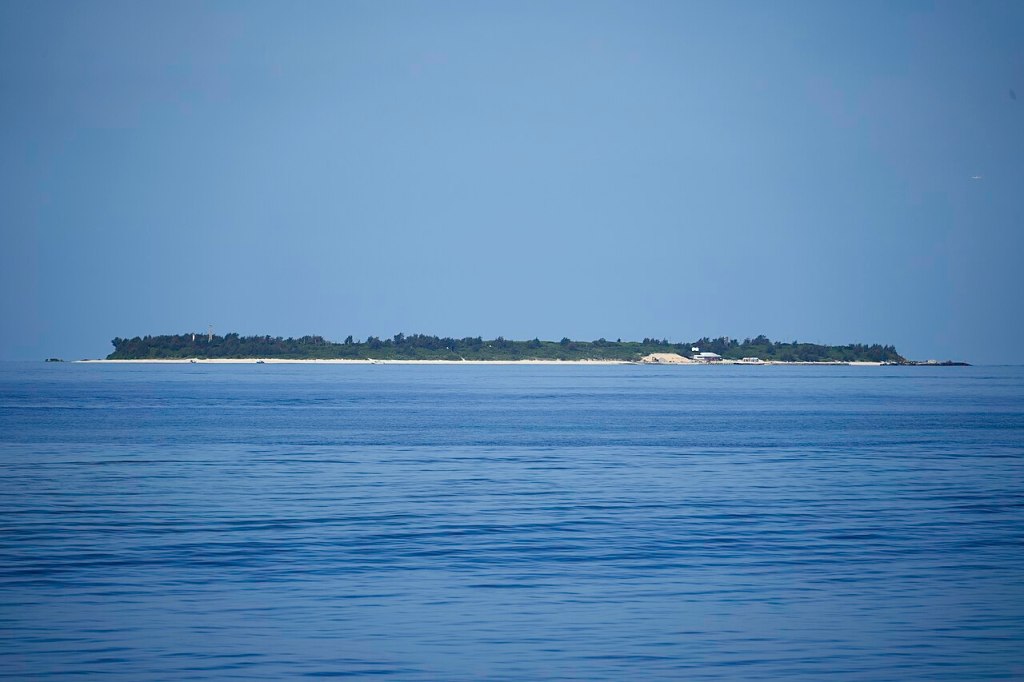
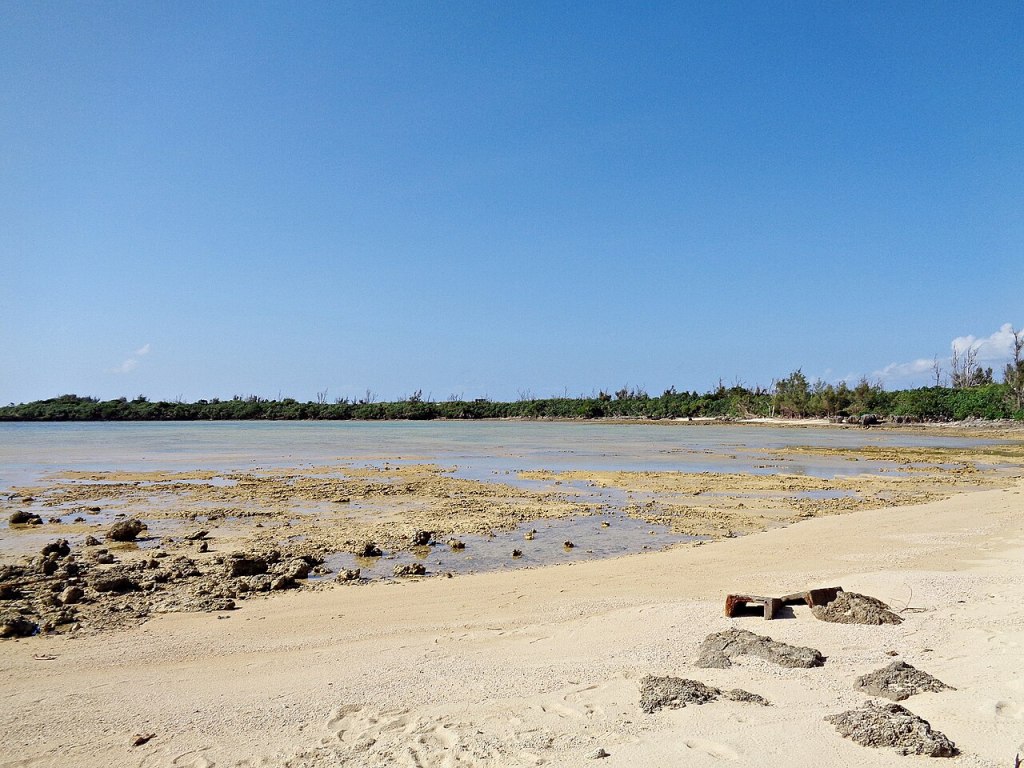
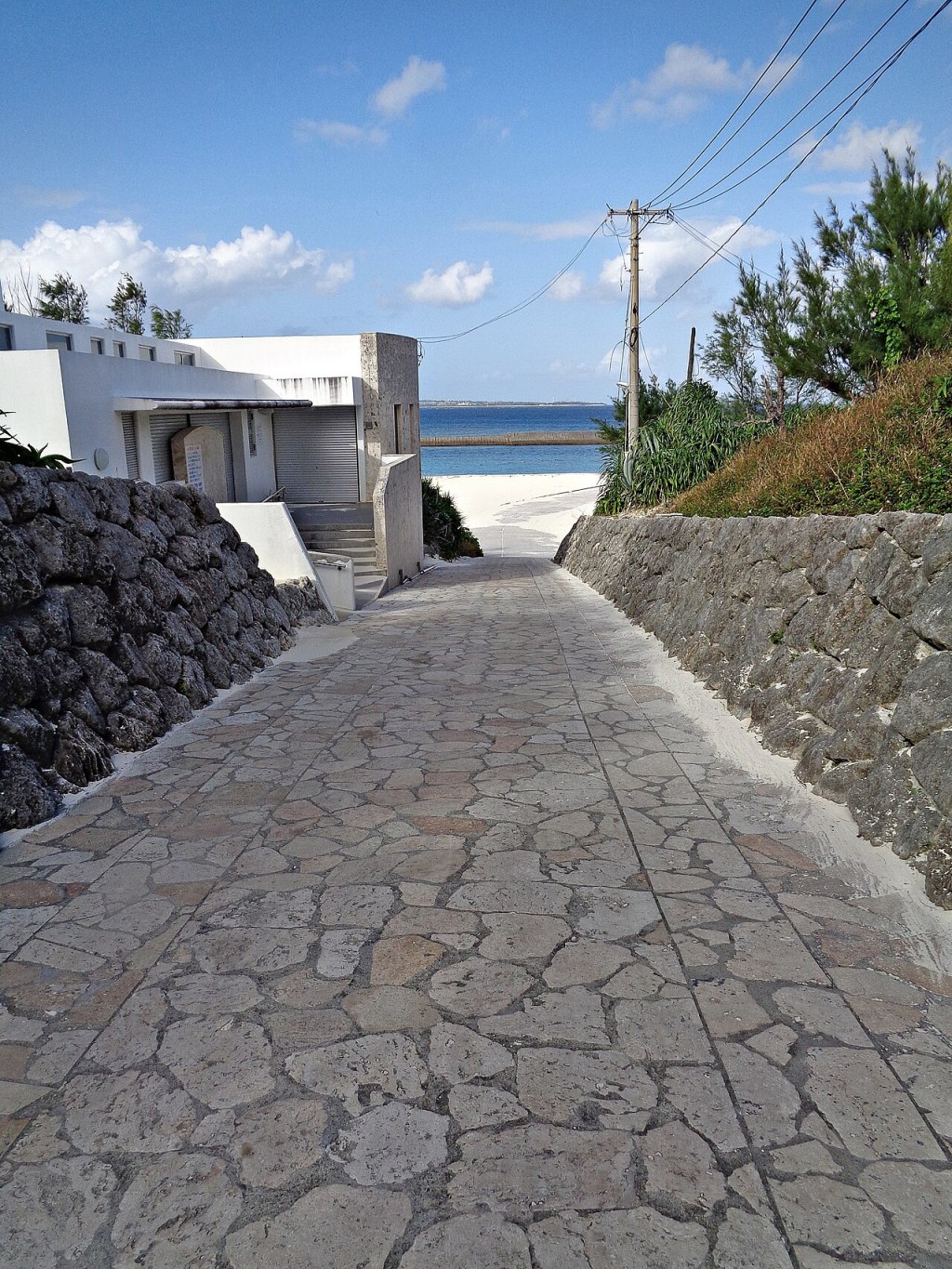
The beach and the reef
The main beach faces the sheltered side of the island, with white sand and a shallow reef that runs along the shore, and the water is calm enough for children in the right conditions. Snorkelling from the beach is the point: the coral starts close in and the fish are abundant, so you do not need a boat. Currents and the tide vary, and the beach is unpatrolled, so check conditions and never swim alone. Bring your own mask if you can, since rental options are limited.
The ferry crossing
The boat from Toguchi port takes about fifteen minutes and crosses water so clear that the reef is visible from the deck. On the way out the island grows from a line on the horizon into a beach and a cluster of trees, and on the way back the sun is usually behind you. It is a short ride, but it sets the tone for the day: nothing about Minna is complicated, and the boat is the only way in.
The walk around the island
Away from the beach, a narrow road and a path run along the coast and through the middle of the island, past a few houses, a small shrine and fields, and you can walk most of the way round in an hour. The views open to the east and north, where the water is deeper and the colours change, and the island feels much larger than its size when you are on the far side. Take water and sun protection, because there is little shade.
The view back to Motobu
From the northern shore the mountains of the Motobu peninsula rise across the water, green and close, and on a clear day you can pick out the coast road and the headlands you drove past. It is the best reminder that this is not a remote island but a small one in a populated sea, and the contrast between the empty beach and the busy coast is part of what makes the day work. The far side of the island is also where the water deepens and turns a darker blue, and where you are most likely to have the view to yourself. Take the path that leaves the beach and follow it until the houses end, then look back the way you came.
Snorkelling the shallows
The reef flat is shallow enough to explore without diving, with coral heads, small fish and the occasional sea cucumber, and the sandy channels between them are easy to follow. Go at high tide for the clearest water, and keep off the coral itself. The best area is usually a little to one side of where the ferry passengers gather, and a five-minute swim buys you quiet.
The northern Okinawa coast
The drive along the Motobu peninsula is one of the best in Okinawa, with the sea on one side, forest on the other and small harbours and beaches between. Sesoko island is connected by a bridge, Kourijima by another, and the aquarium at Churaumi sits at the tip of the peninsula. Minna fits into that circuit rather than standing alone, and a car makes the day much easier.
Okinawan food
The island’s cooking is built for heat and long life: Okinawa soba in a pork broth, taco rice, bitter melon stir-fried with egg and pork, and the deep-fried doughnuts called sata andagi. Around Motobu there are small restaurants serving these dishes without fuss, and the portion sizes are generous. After a morning in the water, a bowl of soba and a glass of shikuwasa juice is the right lunch.
Food and drink
- Okinawa soba, with pork, fish cake and a clear broth, is the standard lunch and the best value on the coast.
- Taco rice and bitter melon stir-fry are the everyday dishes of the islands, and they appear on most menus around Motobu.
- Sata andagi, the local doughnuts, are sold in small shops and are good with coffee after the beach.
- Shikuwasa, the small green citrus of Okinawa, makes a sharp juice and a good dressing for fish.
- On the island itself, food is limited to a few summer shops near the beach, so eat a proper meal on the mainland before or after.
Getting there and around
- The ferry leaves from Toguchi port on the Motobu peninsula and takes about fifteen minutes, with a limited number of sailings each day.
- From Naha airport, a car or a highway bus reaches Motobu in about two hours, and the port is on the coast road north of the town.
- Local buses run along the peninsula, but they are infrequent, so a rental car is the practical way to reach the port on time.
- On the island, everything is within walking distance of the ferry landing and the beach.
- Sailings are cancelled in rough weather, so check the status on the morning of your visit and keep a backup plan.
Where to stay
- There is very little accommodation on Minna itself, and most visitors come for the day.
- Motobu town and the coast around Churaumi have hotels, pensions and rental villas, which is the practical base.
- Onna and Nago are within an hour and offer a wider range of resorts and restaurants.
- A few guesthouses on the peninsula suit travellers with a car who want to be close to the ferry for an early crossing.
Best time to visit
- Late spring to early autumn is the beach season, with warm water and the ferry running frequently.
- Summer is hot and bright, and the island is at its busiest, with the first ferry carrying most of the day visitors.
- Autumn is warm and quieter, with good visibility in the water, though typhoons can disrupt the ferry.
- Winter is cool and often windy, and the ferry may be cancelled; the island is not a winter beach destination.
Practical tips
- Take the earliest ferry you can and come back on a late one; the middle of the day is the most crowded.
- Bring water, food and sun protection, since supplies on the island are limited and expensive.
- Wear reef-safe sunscreen and do not stand on the coral.
- Watch the tide and the current, and stay within the area you can swim back from.
- Carry cash for the ferry and the beach facilities.
- Have a backup plan on the peninsula in case the crossing is cancelled.
Suggested day-trip outline
- Morning: drive to Toguchi port and take the first ferry, then claim a spot on the beach.
- Late morning: snorkel the reef before the day-trippers arrive in numbers.
- Lunch: a bowl of Okinawa soba back on the peninsula, or a packed lunch on the sand.
- Afternoon: the walk around the island or a second swim, then the ferry back.
- Late afternoon: the Churaumi aquarium or the coast road towards Sesoko.
- Evening: dinner in Motobu or Nago, with the sunset over the East China Sea.
Before you go
Timetables, fares, admission fees, and seasonal access rules can change. Check the official tourism and transport sites linked below for the latest information before you travel.
Explore More of Japan
Published guides that pair with this one:
- Itoman Travel Guide: Peace Memorial Park and the Fishing Port
- Hamahiga Island Travel Guide: Okinawa Quiet East Coast
- Ikei Island Travel Guide: Okinawa Beaches and the East Coast
- Kudaka Island Travel Guide: The Island of the Gods
- Cape Manzamo Travel Guide: Elephant Rock, Sunset and the Onna Coast
Browse every Okinawa guide on this site for the rest of the region.
Sources
- town.motobu.okinawa.jp (checked 2026-11-05)
- visitokinawajapan.com (checked 2026-11-05)


Leave a Reply