A practical English guide to Kudaka island in Okinawa: the sacred sites, the ferry from Azama, the beaches and the village life.
Operational details such as opening hours, admission fees, and train times can change. Prefer official pages and reconfirm before you travel (sources checked on 05 November 2026).
Why visit
- Kudaka is a small island off the east coast of Okinawa’s main island, about fifteen minutes by ferry from Azama, and it is one of the most sacred places in the Ryukyu islands. The island is associated with the creation myths of Okinawa: the goddess Amamikiyo is said to have descended here, and the first king of the Ryukyu kingdom is said to have been born on the island. It is a place of pilgrimage and ritual, not a resort.
- The island is small, with a village, a few fields, a beach and a network of sacred sites called utaki, and it is flat enough to walk or cycle around in a few hours. The coast is clear and shallow, with a reef offshore, and the ferry crossing gives a view back to the main island and the Pacific.
- What makes Kudaka different from the other islands near Naha is the intensity of its religious life. The island has a priestess tradition that has continued for centuries, and the sacred sites are still used for ceremonies. Visitors are welcome, but the island asks for respect: some sites are off limits, and the village is quiet and traditional.
- It is a day trip from Naha, and it pairs well with the beaches and the peace memorial park of the southern part of the main island. It is not a place for nightlife or shopping, and that is exactly the point.
Top places and highlights
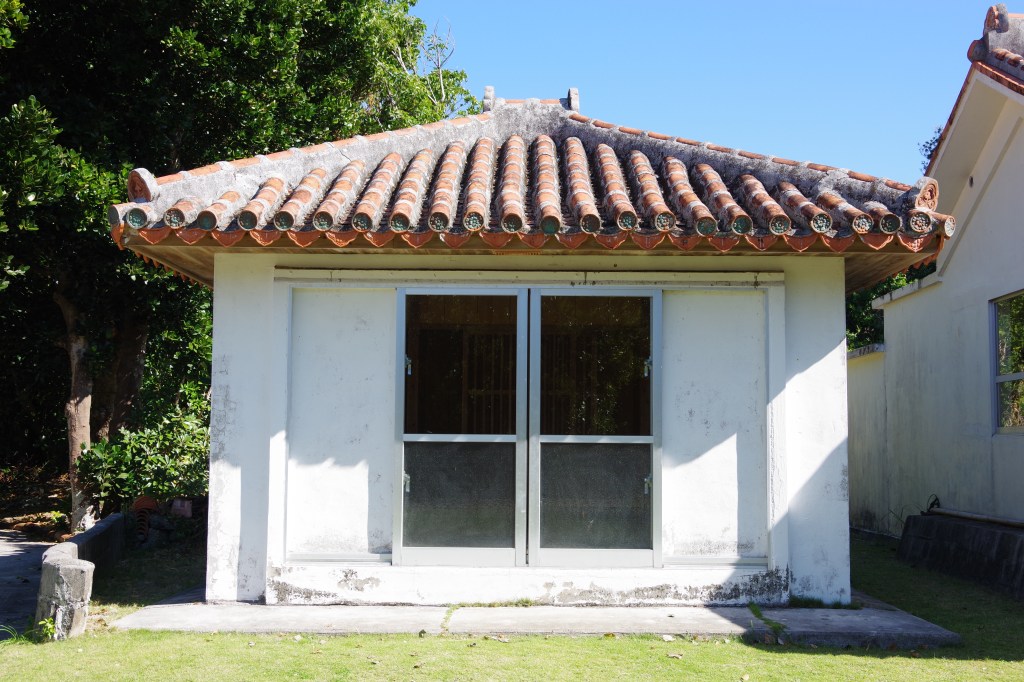
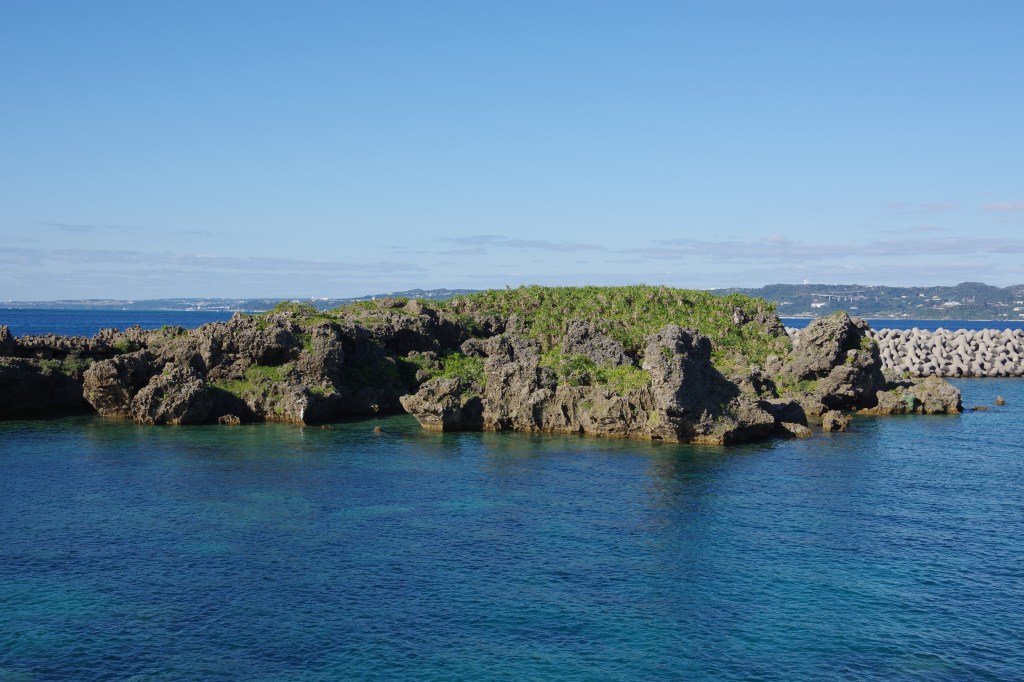
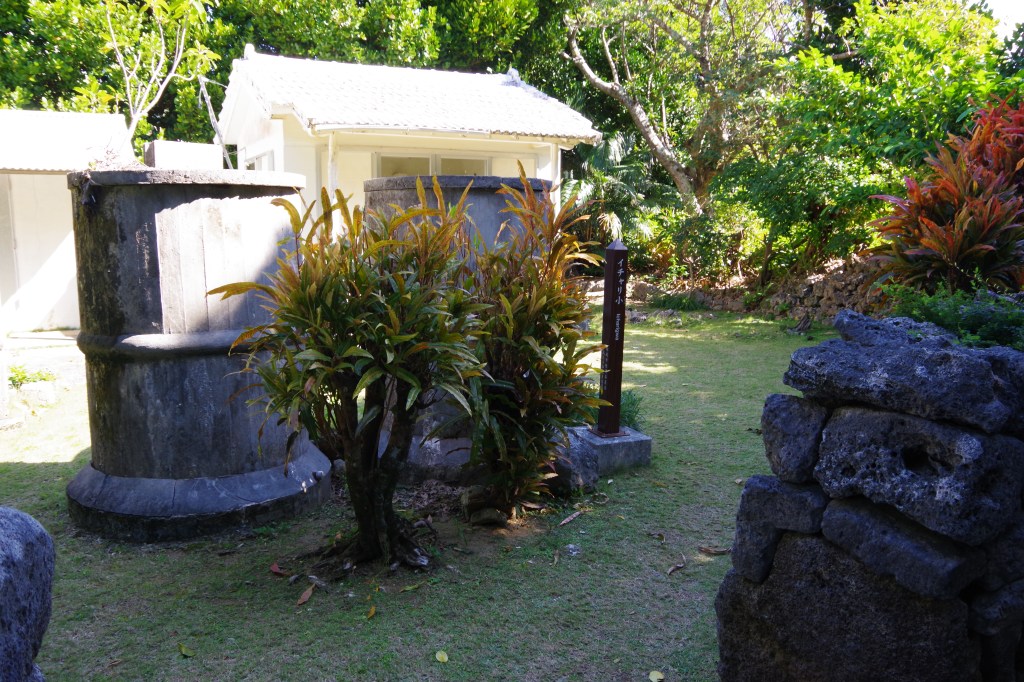
The sacred sites
Kudaka has a series of utaki, the sacred groves and rock sites of the Ryukyu religion, and several of them are associated with the creation myths and the priestess tradition. They are marked by stone walls, small shrines and old trees, and they are quiet and shaded. Some are open to visitors and some are restricted, and the signs and the local customs explain which. Walk between them slowly, and treat them as places of worship rather than sights.
The village
The village is a cluster of traditional Okinawan houses with low walls, deep eaves and walled gardens, and the lanes between them are quiet and shaded. The houses have shisa on the gates and the gardens are full of flowers and vegetables. The village is small and there are few shops, and the atmosphere is slow and rural. Walk the lanes and look at the details rather than looking for attractions.
The beaches and the reef
The island has a few small beaches and a reef offshore, with clear water and good snorkelling in the calm season. The beaches are not developed, with no hotels or beach clubs, and the facilities are minimal. The reef is shallow and the coral is patchy but the fish are plentiful. Bring your own gear and water, and check the tide and the currents.
The ferry crossing
The ferry from Azama takes about fifteen minutes and runs several times a day, and the crossing gives a view of the main island’s coast and the open Pacific. The boat is small and the ride can be rough in bad weather, and the schedule is reduced in winter. The approach to Kudaka, with the village and the trees coming down to the water, is the best introduction to the island.
The island food
There are a few small restaurants and shops on the island, serving Okinawan food: soba, rice bowls and the local sweets, often in a family kitchen with a few tables. The food is simple and cheap, and the opening hours are limited. Bring cash and do not expect a wide choice, especially outside the summer season.
The view back to the main island
From the eastern shore, the main island is a low green line across the water, and the Pacific stretches out to the horizon. The sunrise on this side is the local spectacle, and the light in the late afternoon is soft and clear. It is a good place to sit and look at the sea, which is the main activity on the island.
The southern main island nearby
The ferry port at Azama is close to the peace memorial park, the Himeyuri museum and the beaches of the southern coast, and the combination makes a full day. The peace memorial park is a sobering and important site, and the museums explain the battle of Okinawa and its aftermath. It is a strong contrast to the sacred and quiet island.
Food and drink
- The island has a few small restaurants serving Okinawa soba, rice bowls and simple set meals, often in a family house with a handful of tables.
- The shops sell the local sweets, the purple sweet potato products and the drinks, and the choice is limited. Bring water and snacks if you plan to walk the island.
- The main island has the wider choice, and the restaurants around Azama and the southern coast serve the seafood and the Okinawan dishes.
- The local markets on the main island sell the tropical fruit, the vegetables and the sweets of the region, and they are a good stop before or after the ferry.
- There is no nightlife on Kudaka. Eat before the last ferry or plan a simple meal at the guesthouse.
Getting there and around
- Kudaka is reached by ferry from Azama port on the east coast of the main island, about forty minutes by car or an hour by bus from Naha. The crossing takes about fifteen minutes.
- The ferry runs several times a day, with a reduced schedule in winter, and the tickets are bought at the port. The boat is small and the ride can be rough.
- On the island, the village and the sacred sites are within walking distance of the port, and a bicycle is a good way to reach the beaches and the far side. Rentals are limited.
- A rental car is the best way to reach Azama from Naha, and the drive along the east coast is scenic. Parking is available at the port.
- Naha airport is about an hour away by car, and the buses from the city take longer. The island is a feasible day trip from Naha and the southern resorts.
Where to stay
- Kudaka has a small number of guesthouses and minshuku, simple and cheap, with shared facilities and home-cooked meals. They book out in the summer.
- The southern coast of the main island, around Azama and Chinen, has hotels and guesthouses within a short drive of the ferry port.
- Naha has the full range of hotels and is an hour away, which suits a day trip. The trade-off is the early start for the ferry.
- The resorts on the west coast are further away but offer a comfortable base for a longer stay on the main island.
Best time to visit
- Spring, from March to May, is warm and clear, with calm seas and few visitors. It is the best season for the ferry and the sacred sites.
- Summer is hot and humid, with strong sun and the typhoon season from August. The beaches are at their best, and the island is busy with day trippers.
- Autumn, from October to November, is warm and clear, with the typhoons tailing off and the sea calm. It is the second-best season.
- Winter is mild and windy, with grey days and occasional rain, and the ferry schedule is reduced. The island is quiet and the sacred sites are peaceful.
- The rainy season runs from mid-May to June, and the typhoon season peaks from August to September. Check the forecast and the ferry status in those months.
Practical tips
- Check the ferry schedule and the weather before you go. The boat is small and the crossings can be cancelled.
- Bring cash, water and sun protection. The island has few shops and no ATMs.
- Respect the sacred sites. Some are closed to visitors, and the islanders ask for quiet and modest behaviour.
- Wear shoes for walking. The lanes are unpaved in places and the paths to the sites are rough.
- Do not expect a resort. There are no hotels on the beach and the facilities are minimal.
- Combine the island with the peace memorial park on the main island, and allow a full day for both.
Suggested day-trip outline
- Morning: drive or bus to Azama port, take the ferry to Kudaka and walk the village lanes.
- Late morning: the sacred sites and the old groves, following the local signs and restrictions.
- Lunch: a simple meal at one of the island restaurants, or a bento brought from the main island.
- Afternoon: the beach and the reef, or a walk around the island to the far shore.
- Late afternoon: the last ferry back to Azama, and the sunset over the east coast.
- Evening: dinner in Naha or the southern coast, or a quiet night at an island guesthouse.
Before you go
Timetables, fares, admission fees, and seasonal access rules can change. Check the official tourism and transport sites linked below for the latest information before you travel.
Explore More of Japan
Published guides that pair with this one:
- Nakijin Castle Ruins Travel Guide: A World Heritage Gusuku
- Cape Manzamo Travel Guide: Elephant Rock, Sunset and the Onna Coast
- Naha and Kokusai Street Guide: Markets, Food and the Old Capital
- Sefa Utaki Travel Guide: The Ryukyu Sacred Grove in Nanjo
- Katsuren Castle Ruins Travel Guide: A Gusuku above the East Coast
- Yomitan Travel Guide: Okinawan Pottery and the Quiet Coast
Browse every Okinawa guide on this site for the rest of the region.
Sources
- city.nanjo.okinawa.jp (checked 2026-11-05)
- okinawastory.jp (checked 2026-11-05)


Leave a Reply