A practical English guide to Taishakukyo gorge in Hiroshima: the limestone cliffs, the natural bridge, the lake and access from Hiroshima.
Operational details such as opening hours, admission fees, and train times can change. Prefer official pages and reconfirm before you travel (sources checked on 05 November 2026).
Why visit
- Taishakukyo is a limestone gorge in the mountains of northern Hiroshima, cut by the Taishaku river through a plateau of pale rock, and it is one of the most distinctive landscapes in western Japan. The river has carved caves, cliffs, natural bridges and deep pools, and the gorge is wooded and quiet, with few visitors compared with the coast.
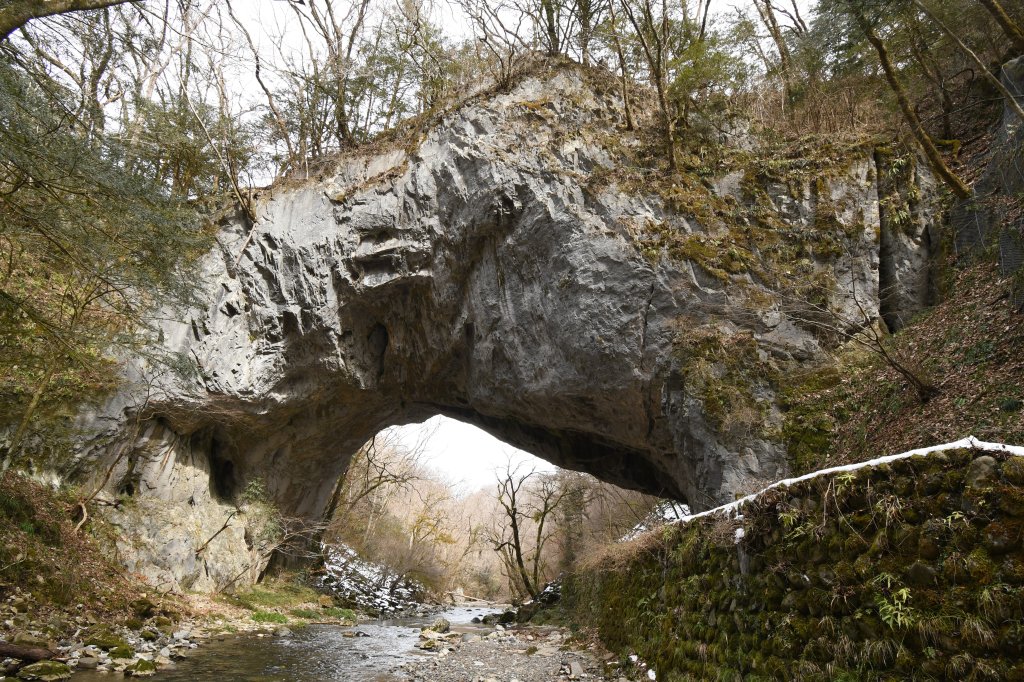
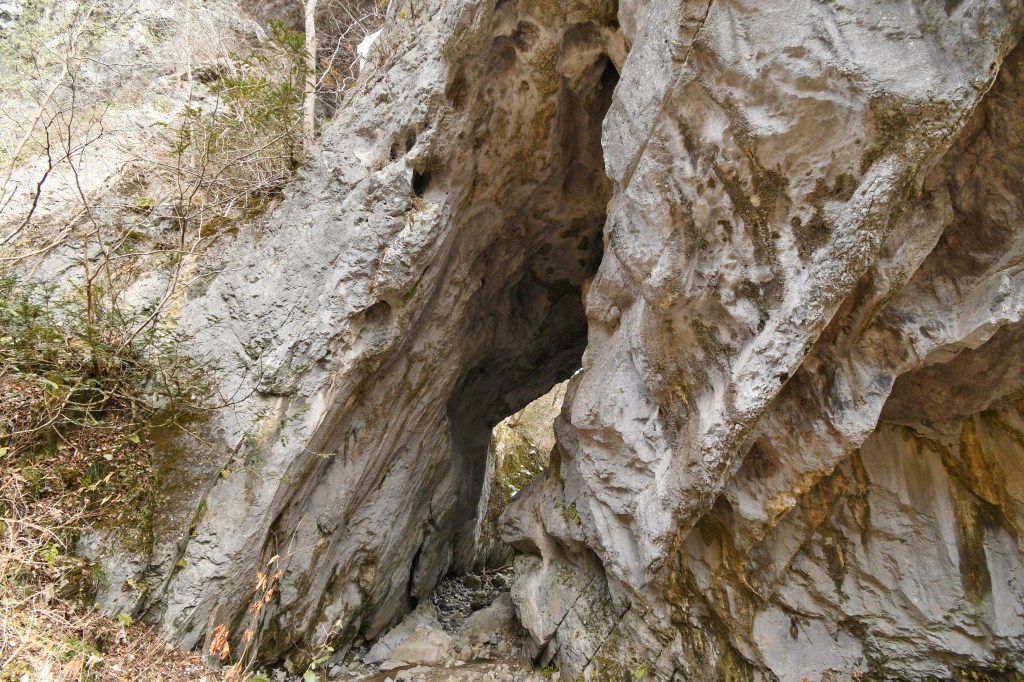
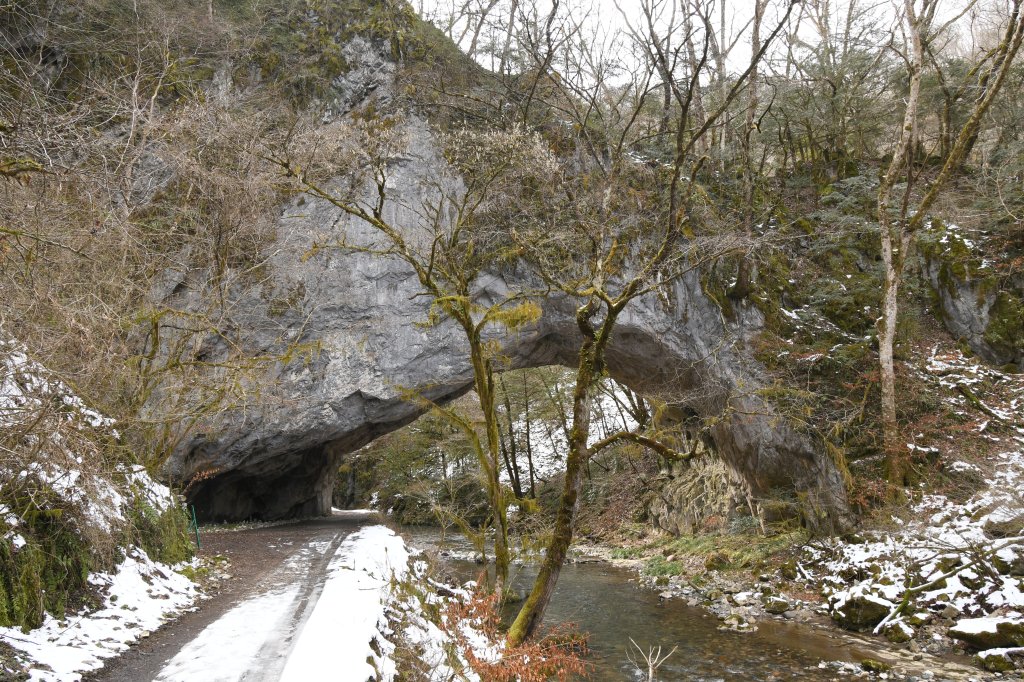
- The centrepiece is the Oni-no-Karamon, a natural rock bridge about ninety metres long and forty metres high, formed by the collapse of a cave roof and left standing across a side valley. It is one of the largest natural bridges in Japan, and the walk through it, with the forest above and the river below, is the reason to come.
- The gorge also has caves, including the limestone caverns that were used by people in the Jomon period, and a lake behind the dam with a sightseeing boat. The combination of the rock, the water and the forest is the appeal, and the area is a good place for walking, photography and a quiet night in a hot spring inn.
- Taishakukyo is in the city of Shobara, about two hours from Hiroshima by car or bus, and it is close to the Miyoshi and the Chugoku mountains. It is not on the main tourist route, and that is part of its charm: a landscape of national importance with the facilities of a rural park.
Top places and highlights
The Oni-no-Karamon
The natural bridge is the symbol of the gorge, a span of rock about ninety metres long and forty metres high, with a path that runs under and through it. It was formed when the roof of a cave collapsed and left the arch standing, and the scale is hard to judge until you walk beneath it. The forest and the cliffs around it are part of the experience, and the walk from the car park takes about fifteen minutes.
The gorge and the river
The river runs through the limestone plateau in a series of pools, rapids and cliffs, and the paths along the banks and the bridges give views of the water and the rock. The colour of the water changes with the light, and the forest is dense on both sides. Walk the main trail and stop at the viewpoints, and take the side paths to the smaller bridges and the caves.
The limestone caves
The gorge has several caves, including the one that gives the area its name, and they were used by people in the Jomon period. The caves are dark and cool, with stalactites and the traces of the excavations, and the walkways are lit. They are a good contrast to the open gorge, and they are easy to visit. The largest is a short walk from the road, and the interior stays cool even in summer.
The lake and the boat
The dam on the river created a long lake in the gorge, and a small sightseeing boat runs through the narrowest part, between the cliffs. The ride is short and the views of the rock and the forest from the water are the attraction. It is a good way to see the gorge from below, and it is popular in autumn. The boat is open-sided, and the commentary explains the rock formations.
The autumn colour
The gorge is one of the best places in the region for autumn colour, with the maples and the beeches turning above the pale rock and the water. The season runs from late October to mid-November, and the paths and the boat are busy at the peak. The combination of the limestone and the red and yellow leaves is the reason photographers come.
The hot spring inns
The gorge has a small hot spring area with inns along the river, and the baths look out over the water and the trees. The inns serve the local mountain vegetables, the river fish and the sake, and they are quiet and inexpensive. Staying overnight is the best way to see the gorge in the morning light, before the day visitors arrive.
The Chugoku mountains
The gorge is in the Chugoku mountains, and the surrounding area has the Miyoshi and the Okuizumo region, with the old iron and steel sites, the sake breweries and the rural landscape. The drives are quiet and scenic, and the area is a good place to see the interior of western Japan. The villages are small and the roads follow the rivers, and the pace is slow.
Food and drink
- The inns and the restaurants near the gorge serve the local mountain vegetables, the river fish, the soba and the wild boar, and the food is simple and seasonal.
- The area is known for its buckwheat soba, and the shops near the gorge serve it cold with the local broth.
- The sake from the Miyoshi and the Shobara breweries is dry and clean, and the inns carry the local labels.
- The restaurants are few, and the best meals are at the inns with a reservation. Bring water and snacks for the walks.
- The nearby towns have the usual cafes and shops, and the roadside stations sell the local produce and the sweets.
Getting there and around
- Taishakukyo is in northern Hiroshima, about two hours by car from Hiroshima city, and the roads through the mountains are scenic.
- By public transport, the bus from Shobara or Miyoshi takes about an hour, and the service is limited. A car is the easiest option.
- From Okayama and Matsue, the expressway and the national roads connect to the region, and the drive takes about two hours.
- The gorge is a linear area along the river, and the car parks are at the main sights. Walking between them is possible but the distances add up.
- The nearest stations are Shobara and Miyoshi, and the buses and taxis from there are the public transport option.
Where to stay
- The hot spring inns along the gorge are the best base, with river views, baths and local meals, and they are quiet and inexpensive.
- The hotels and guesthouses in Shobara and Miyoshi are simple and cheap, and they suit a wider exploration of the region.
- The campsites along the river are open in summer, and they are a good option for a budget trip.
- Hiroshima and Okayama are within two hours and have the full range of accommodation, but they make the gorge a long day trip.
Best time to visit
- Spring, from April to May, is green and fresh, with the new leaves and the clear water. The gorge is quiet.
- Summer is hot and humid, with the forest shaded and the river cool. The boat and the caves are at their busiest.
- Autumn, from late October to mid-November, is the best season: the colour is spectacular and the air is clear.
- Winter is cold and quiet, with the trees bare and the rock at its most dramatic. Some facilities close, and the paths can be icy.
- The rainy season runs from early June to mid-July. The waterfalls and the river are full, and the paths are wet.
Practical tips
- Wear shoes with grip. The paths and the stairs are stone and can be slippery.
- Come in autumn if you can. The colour is the best in the region, and the gorge is at its most beautiful.
- Check the boat and the cave schedules. They are seasonal and weather-dependent.
- Bring water and food. The restaurants are few, and the walks take time.
- Drive carefully on the mountain roads. They are narrow and winding, and the deer are active at dusk.
- Stay overnight for the morning light. The gorge is at its best before the day visitors arrive.
Suggested day-trip outline
- Morning: drive from Hiroshima or Shobara, arrive at the Oni-no-Karamon and walk the path.
- Late morning: the gorge trail and the viewpoints, and the limestone cave.
- Lunch: soba or a set meal at an inn near the river.
- Afternoon: the boat on the lake, or the side paths to the smaller bridges.
- Late afternoon: the autumn colour or the river, and the sunset behind the ridge.
- Evening: a bath at the inn, and dinner with the local vegetables and the river fish.
Before you go
Timetables, fares, admission fees, and seasonal access rules can change. Check the official tourism and transport sites linked below for the latest information before you travel.
Explore More of Japan
Published guides that pair with this one:
- Hiroshima Peace Memorial Travel Guide: The Park, the Dome, and the Museum
- Miyajima Travel Guide: Itsukushima Shrine, the Floating Torii, and a Hiroshima Day Trip
- Onomichi Travel Guide: Temple Walks and the Shimanami Kaido Gateway
- Iwami Ginzan Travel Guide: UNESCO Silver Mine in Shimane
- Hofu Travel Guide: Tenmangu Shrine and the Mori Clan
Browse every Chugoku guide on this site for the rest of the region.
Sources
- city.shobara.hiroshima.jp (checked 2026-11-05)


Leave a Reply