A practical English guide to Megijima and Ogijima in the Seto Inland Sea: the art, the villages, the ferries and access from Takamatsu.
Operational details such as opening hours, admission fees, and train times can change. Prefer official pages and reconfirm before you travel (sources checked on 05 November 2026).
Why visit
- Megijima and Ogijima are two small islands in the Seto Inland Sea, a short ferry ride from Takamatsu in Kagawa, and they are part of the art islands that have made the Seto region famous. They are quieter and less visited than Naoshima, and they have the same combination of fishing villages, steep lanes, sea views and contemporary art.
- Megijima is the larger of the two, with a village on the shore, a hill in the middle and a cave at the top that is the setting of the Momotaro legend. The island is known for the story of the ogre and the peach boy, and the cave, the shrines and the views from the hill are the sights. In the art triennale years, the houses and the slopes are used for installations.
- Ogijima is smaller and steeper, with a village that climbs the hillside in a maze of lanes and stairs, and it has become one of the most atmospheric of the art islands. The island has a lighthouse, a small beach and a network of paths, and the art is in the houses and along the lanes. It is quiet, and the pace is slow.
- The two islands are close enough to visit in a day, with ferries from Takamatsu and between them, and they are a good introduction to the Seto islands without the crowds of Naoshima. The villages, the art and the sea are the reason to go, and the ferries are frequent enough for an easy day.
Top places and highlights
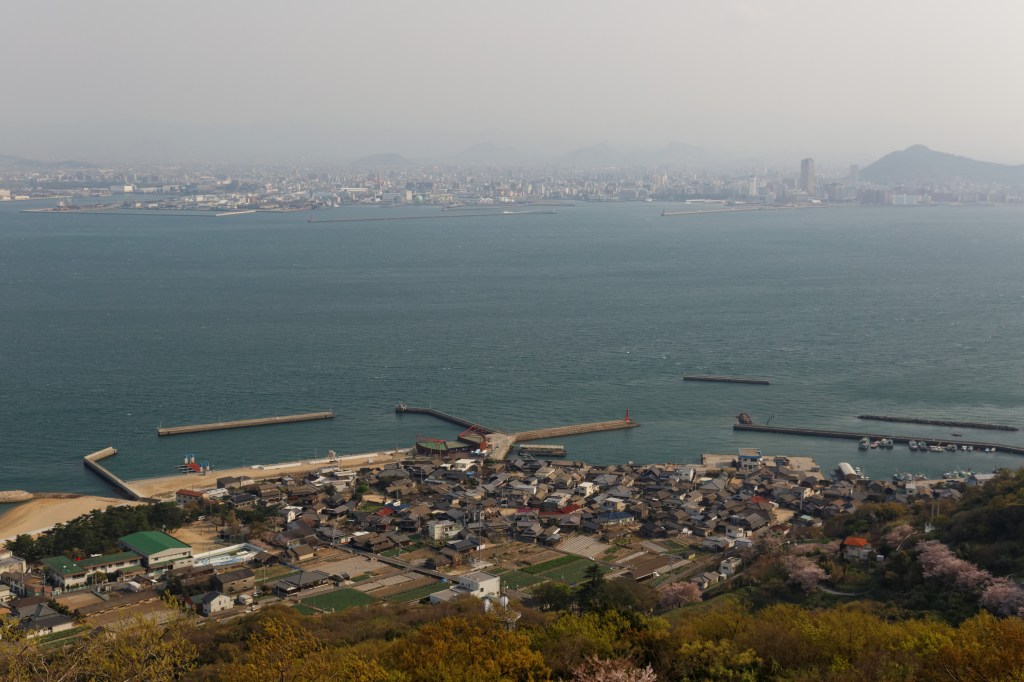
The Megijima cave
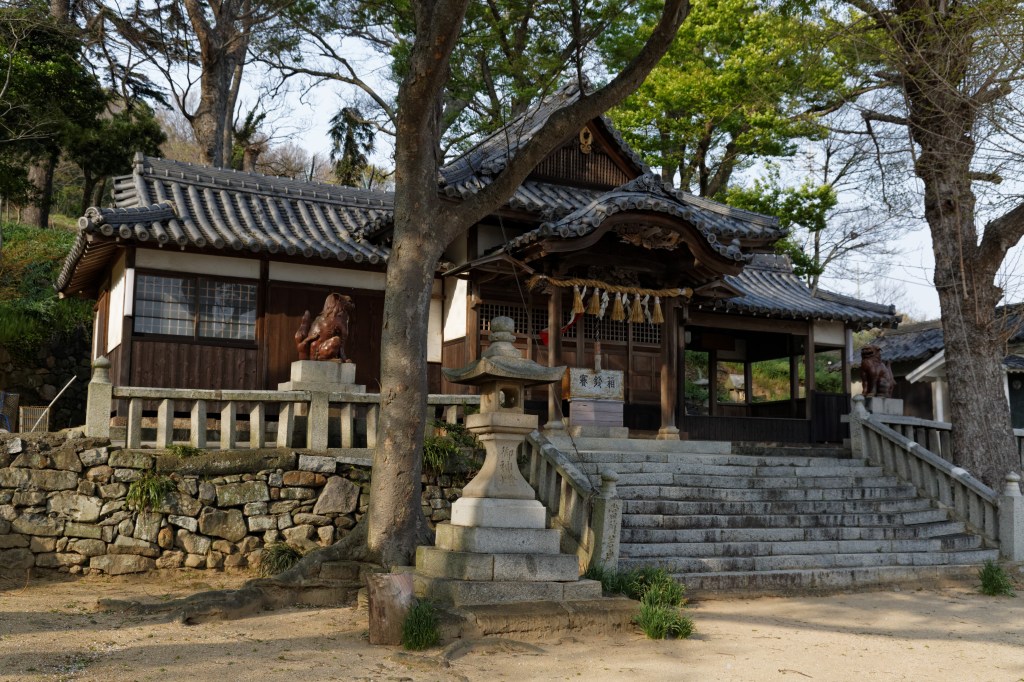
The cave at the top of the island is the setting of the Momotaro legend, where the peach boy and his companions defeated the ogres, and it is a long, cool tunnel with stone chambers and a small shrine. The walk up from the village takes about twenty minutes, and the view from the hill over the village and the sea is the reward. The cave is the island’s main sight.
The Megijima village
The village is a cluster of old houses along the shore, with narrow lanes, stone walls and small gardens, and it is quiet outside the art seasons. The ferry terminal, the shops and the cafes are in the village, and the paths up the hill start from the lanes. Walk the shore and the back streets, and look at the details of the houses.
The Ogijima lanes
The village on Ogijima climbs the hillside in a maze of steps and lanes, with houses stacked above each other and views of the sea between them. It is one of the most photogenic villages in the Seto islands, and the walk to the top takes about twenty minutes. The lanes are narrow and steep, and the cats and the flowers are part of the scene.
The art
Both islands have art installations in the houses, the schools and the slopes, and the works are part of the Setouchi Triennale. In the triennale years the islands are busy, and in the off years the permanent works and the buildings remain. The art is integrated into the villages rather than set apart, and the combination of the old houses and the contemporary works is the point.
The sea and the ferries
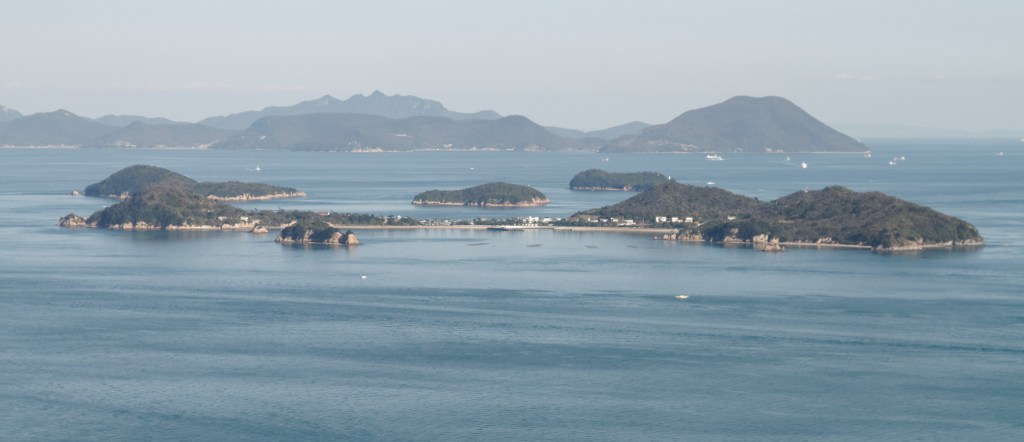
The ferry ride from Takamatsu is part of the visit, with the islands and the ships of the Seto Inland Sea passing by. The boats are small and the crossing takes about twenty minutes to Megijima and forty to Ogijima, and the decks are open. The sea is the reason the islands exist, and the views from the water are the best introduction.
The food of the islands
The islands have a few cafes and restaurants serving the local fish, the Seto seafood and the simple island dishes, and the choice is limited. The cafes in the old houses are a good stop, and the local sweets and the citrus drinks are worth trying. In the triennale years the food stalls and the temporary cafes open along the routes.
Takamatsu and the gardens
Takamatsu, the departure point, has the Ritsurin garden, one of the finest in Japan, and the city udon shops, which are among the best in the country. The combination of the islands and the garden makes a full day, and the city is a good base for the Seto region. The garden is a short bus ride from the station, and the udon shops around the port are cheap and fast, and they are the local ritual.
Food and drink
- The Seto seafood is the local staple, with the sea bream, the octopus and the small fish, and the cafes and restaurants on the islands serve it simply.
- Takamatsu is famous for its sanuki udon, and the shops around the station and the port serve it cheap and fast. It is the best value meal in the region.
- The islands have a few cafes in the old houses, serving coffee, cake and light meals, and the choice is limited.
- The local citrus and the olives of the Seto islands are sold as juice, oil and sweets, and they make good souvenirs.
- In the triennale years the food stalls and the temporary restaurants open along the art routes, and the choice improves.
Getting there and around
- The islands are reached by ferry from Takamatsu port, about twenty minutes to Megijima and forty minutes to Ogijima, and the boats run several times a day.
- Takamatsu is on the JR lines and the shinkansen, about an hour from Okayama, and the port is a short walk or bus ride from the station.
- The ferries between the islands are limited, and the day trip needs a check of the timetable. The boats from Takamatsu to Ogijima may stop at Megijima on the way.
- The islands are walkable, with steep lanes and stairs, and a bicycle is not practical on Ogijima. Wear shoes with grip.
- From Tokyo and Osaka, the train and the ferry take most of a day, and the islands are a good stop on a Seto Inland Sea trip.
Where to stay
- The guesthouses and the small inns on the islands are simple and cheap, and they are the best way to see the villages in the evening and the morning.
- Takamatsu has the full range of hotels, and it is the practical base for the islands and the garden.
- The art houses and the renovated old buildings on Ogijima are a special option, with simple rooms and the village atmosphere.
- The hotels on Naoshima and the other art islands are more comfortable but more expensive, and they are a short ferry ride away.
Best time to visit
- Spring, from March to May, is mild and clear, with the sea calm and the islands green. The art season opens in the spring.
- Summer is hot and humid, with the sea at its best and the islands busy in the triennale years. The evenings are long.
- Autumn, from October to November, is the best all-round season: clear air, calm sea and comfortable walking.
- Winter is cold and windy, with the ferries sometimes cancelled and the cafes closed. The islands are quiet and the art houses limited.
- The rainy season runs from early June to mid-July. The indoor art and the cafes are the fallback.
Practical tips
- Check the ferry timetable before you go. The boats are limited, and the islands are not connected by a bridge.
- Wear shoes with grip. The lanes on Ogijima are steep and the steps are uneven.
- Carry cash. The islands have few ATMs and not every cafe takes cards.
- Check the art house opening days. They vary by season and by triennale year.
- Allow a full day for both islands. The ferries and the walking take time.
- Eat udon in Takamatsu before or after the ferry. It is the local speciality and the best value meal.
Suggested day-trip outline
- Morning: ferry from Takamatsu to Megijima, walk the village and climb to the cave.
- Late morning: the view from the hill, and the ferry to Ogijima.
- Lunch: a cafe in the old houses on Ogijima, or a packed lunch with a sea view.
- Afternoon: the lanes and the art houses on Ogijima, and the lighthouse walk.
- Late afternoon: the ferry back to Takamatsu, and the Ritsurin garden if there is time.
- Evening: sanuki udon for dinner, and the city’s bars.
Before you go
Timetables, fares, admission fees, and seasonal access rules can change. Check the official tourism and transport sites linked below for the latest information before you travel.
Explore More of Japan
Published guides that pair with this one:
- Zentsuji Travel Guide: Kukais Birthplace and Temple 75
- Shimanami Kaido Guide: Cycling Across the Islands
- Matsuyama Castle Travel Guide: The 1854 Keep above the City
- Teshima Travel Guide: Art, Rice Terraces and the Seto Sea
- Dogo Onsen Travel Guide: Historic Hot Springs in Matsuyama
Browse every Shikoku guide on this site for the rest of the region.
Sources
- city.takamatsu.kagawa.jp (checked 2026-11-05)
- my-kagawa.jp (checked 2026-11-05)


Leave a Reply