A practical English guide to Hofu in Yamaguchi: the Tenmangu shrine, the Mori clan history, the old town and access from Hiroshima.
Operational details such as opening hours, admission fees, and train times can change. Prefer official pages and reconfirm before you travel (sources checked on 05 November 2026).
Why visit
- Hofu is a small city on the Inland Sea coast of Yamaguchi, west of Hiroshima, and it was the seat of the Mori clan, the great daimyo family who ruled western Japan in the sixteenth century. The city’s main sight is the Hofu Tenmangu, one of the three great Tenmangu shrines of Japan, dedicated to the scholar and statesman Sugawara no Michizane, who was exiled here before his death.
- The shrine is large and beautiful, with a long approach through a stone torii and a path between old trees, a main hall and a series of subsidiary buildings on a wooded hill. The shrine is the oldest Tenmangu in Japan, founded in 904, and its buildings are painted in the vermilion and white of the tradition. It is a quiet place, and the view from the hill over the city and the sea is part of the visit.
- The Mori clan connection gives the city a second layer: the Mori family built the castle and the town, and their tombs and the old temple are in the hills behind. The city also has a small museum and a preserved merchant house, and the streets are quiet and old-fashioned.
- Hofu is on the Sanyo line between Hiroshima and Shimonoseki, and it is an easy stop on the way west. It is not a major destination, and that is part of its appeal: a shrine of national importance in a small city that sees few foreign visitors.
Top places and highlights
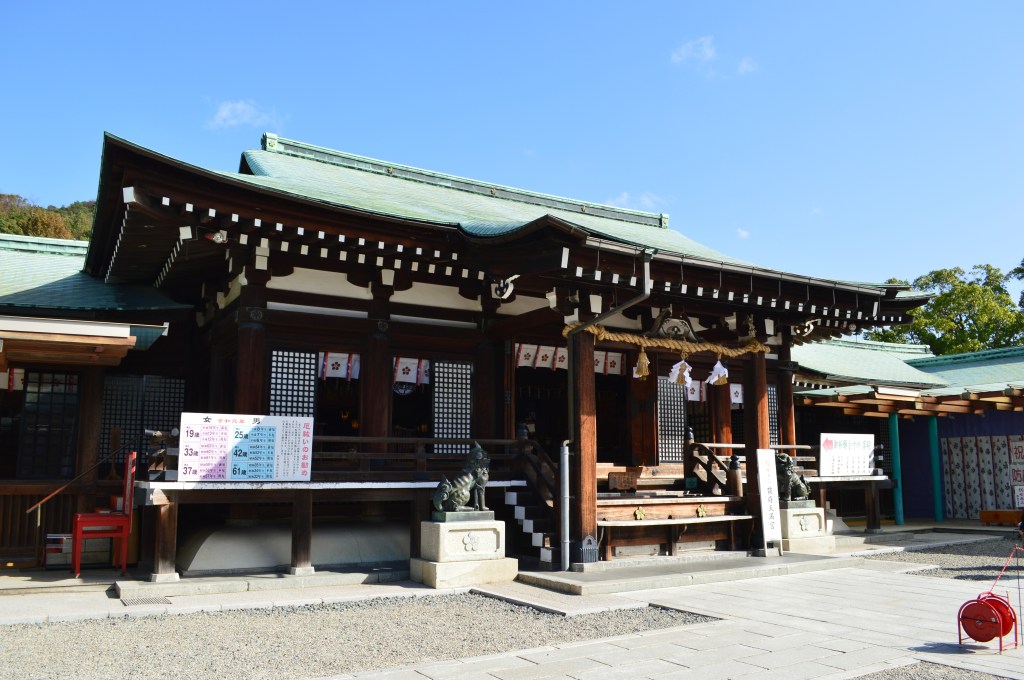
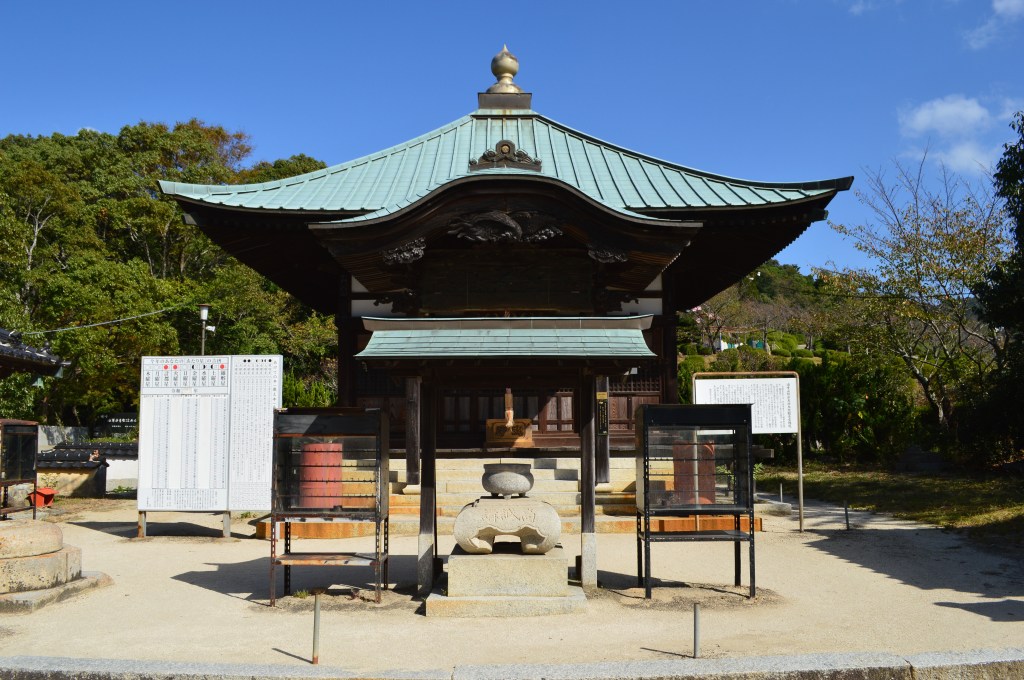
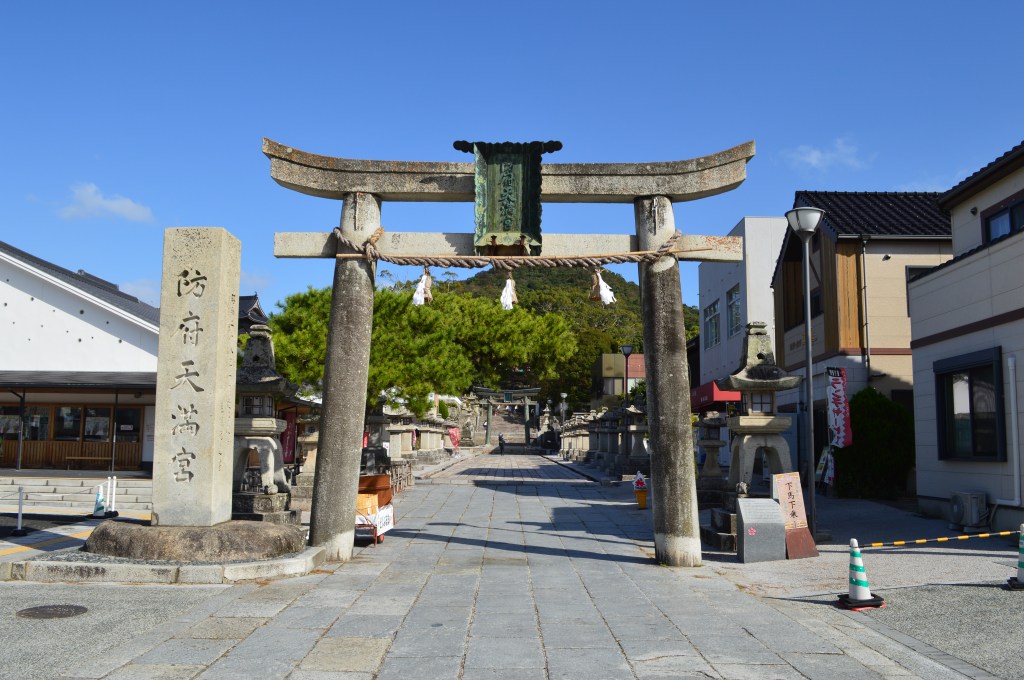
Hofu Tenmangu
The shrine is entered through a large stone torii and a path that runs between old trees, and the main hall stands at the top of a flight of steps, painted in vermilion and white. The buildings are elegant and well proportioned, and the atmosphere is calm. The shrine is dedicated to Sugawara no Michizane, the god of learning, and students come to pray before exams. It is the oldest Tenmangu in Japan and one of the three great ones, and the scale and the setting are the reason.
The shrine grounds and the hill
The precinct extends up a wooded hill behind the main hall, with subsidiary shrines, stone lanterns and paths between the trees. The climb is gentle and the view from the upper terraces takes in the city, the sea and the islands. It is the best place to understand the layout of the town and the relationship between the shrine and the coast.
The Mori clan sites
Hofu was the capital of the Mori domain, and the family tombs and the temple of the clan are in the hills behind the city. The tombs are simple stone monuments in a quiet grove, and the temple has a garden and a hall, and the walk between them passes old houses and small shrines. The sites are not spectacular, but they give the city a depth that the shrine alone does not, and the view from the hill over the town and the sea is worth the climb. Allow an hour for the circuit.
The old town streets
The centre of Hofu has a few old merchant houses, a preserved samurai residence and the traces of the castle, and the streets are quiet and walkable. The city is not a preserved district, and the old buildings sit among ordinary shops and houses, which is part of its charm. Walk from the station to the shrine and look at the details.
The food and the sea
Hofu is on the Inland Sea, and the fish is good and cheap: sea bream, oysters, squid and the local catch. The city is also known for its summer oranges and its sake, and the restaurants around the station and the shrine serve the local dishes at reasonable prices. It is not a food destination, but the everyday cooking is solid.
The coast and the islands
The coast around Hofu has small fishing ports, quiet beaches and views over the islands of the Inland Sea, and the road west towards Shimonoseki is scenic and slow. The city is a good base for the western end of the Sanyo coast, with the Kintaikyo bridge and Iwakuni, the Akiyoshidai plateau and the Hagi coast within reach. A car makes the coast and the islands accessible, and the drive is one of the best in the region.
Food and drink
- The Inland Sea fish is the local staple, served as sashimi, grilled or in bowls, and the restaurants around the station and the port serve it fresh and cheap.
- Hofu is known for its summer oranges, the sweet citrus that ripens in the summer, and the shops sell them in season and as juice and sweets.
- The local sake from the Yamaguchi breweries is soft and clean, and the bars and restaurants carry the regional labels.
- The city has a few cafes and noodle shops, and the area around the shrine has souvenir shops selling the local sweets and the Tenmangu goods.
- For a proper meal, Hiroshima and Shimonoseki are within an hour, and they have the wider range of restaurants and the famous local dishes.
- The city has a local sweet called the Hofu manju, sold near the shrine, and the tea shops serve it with the local green tea.
Getting there and around
- Hofu is on the JR Sanyo main line, about an hour and a half from Hiroshima and forty minutes from Shimonoseki, and the shinkansen stops at Shin-Yamaguchi, a short train ride away.
- The shrine is a twenty-minute walk or a short bus ride from Hofu station, and the route is flat and signed.
- By car, the Sanyo expressway and the national roads connect Hofu with Hiroshima, Yamaguchi and Shimonoseki, and the city is easy to reach.
- From Yamaguchi Ube airport, the bus and train take about an hour, and the airport handles domestic flights.
- The city is compact and the main sights are within walking distance, though the Mori sites in the hills need a bus or a car.
Where to stay
- The hotels and guesthouses around Hofu station are simple and cheap, and they suit an early start at the shrine.
- The ryokan and hot spring inns in the surrounding countryside, towards Yuda and the mountains, offer quiet rooms and local meals.
- Hiroshima and Shimonoseki are within an hour and have the full range of accommodation, and most visitors come as a day trip.
- The temple lodgings in the hills are basic and atmospheric, and they are a good base for the Mori sites and the walks.
Best time to visit
- Spring, from late March to April, is the best time: the cherry trees at the shrine and in the parks are in flower, and the weather is mild.
- Summer is hot and humid, with the sea and the oranges, and the shrine is shaded by the trees. The evenings are long.
- Autumn, from October to November, brings colour to the hills and clear air, and the shrine is at its most beautiful.
- Winter is cold and quiet, with the shrine at its emptiest and the sea grey. The New Year visit is the busiest time.
- The rainy season runs from early June to mid-July. The shrine halls and the covered paths are good wet-weather stops.
Practical tips
- Walk the shrine grounds and the hill. The view from the upper terraces is the best in the city.
- Check the opening hours of the treasure hall and the Mori sites. Some close on certain days.
- Combine the shrine with the coast and the Kintaikyo bridge. The drive west is scenic and the sites are close.
- Carry cash for the small shops and the local restaurants. Not every place takes cards.
- Dress modestly and follow the purification ritual. The shrine is a working place of worship.
- Allow half a day for the shrine and the town, and a full day if you add the coast and the Mori sites.
Suggested day-trip outline
- Morning: train to Hofu, walk to the shrine and the main hall before the crowds.
- Late morning: the hill and the subsidiary shrines, with the view over the city and the sea.
- Lunch: a seafood bowl or a set meal near the station.
- Afternoon: the Mori clan sites and the old town streets, then the coast road.
- Late afternoon: the shrine again for the low light, or the port for the sunset.
- Evening: dinner in the city, and the train to Hiroshima or Shimonoseki.
Before you go
Timetables, fares, admission fees, and seasonal access rules can change. Check the official tourism and transport sites linked below for the latest information before you travel.
Explore More of Japan
Published guides that pair with this one:
- Yamaguchi Travel Guide: Ruriko-ji Pagoda and the Western Capital
- Shimonoseki Travel Guide: Fugu, the Kanmon Strait and the Edge of Honshu
- Hiroshima Peace Memorial Travel Guide: The Park, the Dome, and the Museum
- Iwami Ginzan Travel Guide: UNESCO Silver Mine in Shimane
- Kintaikyo Bridge Travel Guide: Iwakuni’s Five Arches
Browse every Chugoku guide on this site for the rest of the region.
Sources
- city.hofu.yamaguchi.jp (checked 2026-11-05)
- tohokukanko.jp (checked 2026-11-05)


Leave a Reply