A practical English guide to Zentsuji in Kagawa: the temple where Kukai was born, the five-storey pagoda, the pilgrimage and access from Takamatsu.
Operational details such as opening hours, admission fees, and train times can change. Prefer official pages and reconfirm before you travel (sources checked on 05 November 2026).
Why visit
- Zentsuji is a small town in the middle of Kagawa, on the plain between Takamatsu and the mountains, and it is the birthplace of Kukai, the monk who founded the Shingon school of Buddhism and is known after his death as Kobo Daishi. The temple that stands on the site of his birth is one of the most important in Japan and number seventy-five of the eighty-eight temples of the Shikoku pilgrimage.
- The temple is large and quiet, with a five-storey pagoda, a main hall, a hall built over the site of the birth, and a garden of five hundred stone figures of the Buddha’s disciples. It is a working place of worship rather than a museum, and the pilgrims in white coats with their staffs are part of the scene. The scale is bigger than the town around it, and the atmosphere is calm and slightly austere.
- The town itself is small and ordinary, with a few shops, a station and the flat Kagawa landscape around it, and it is easily combined with the pilgrimage route and the other temples of the area. It is also close to the Marugame castle and the udon shops of the region, which makes a good day.
- For travellers interested in the pilgrimage, Zentsuji is the natural starting point of the circuit in Kagawa, and for everyone else it is a beautiful temple with a deep history, reached in under an hour from Takamatsu.
Top places and highlights
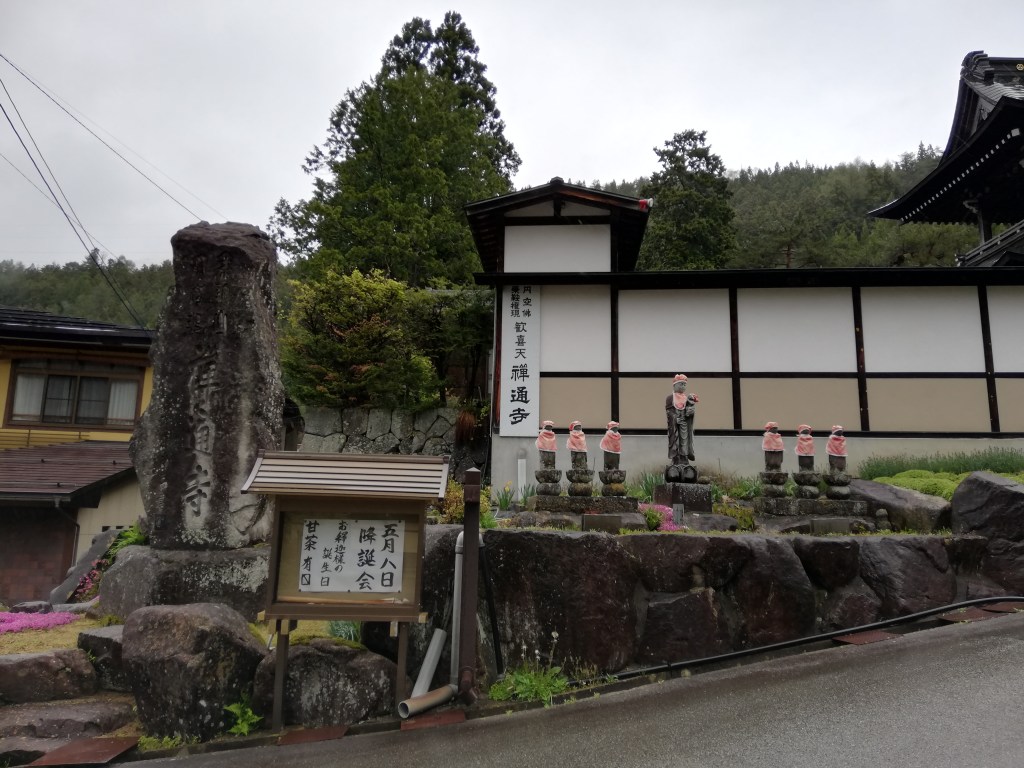
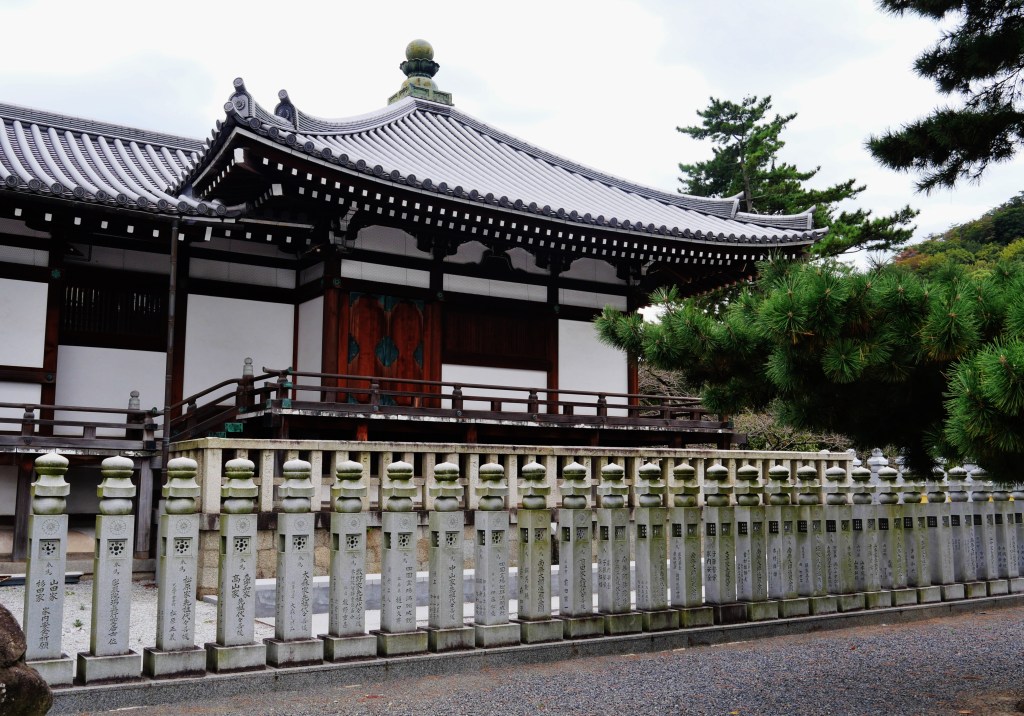
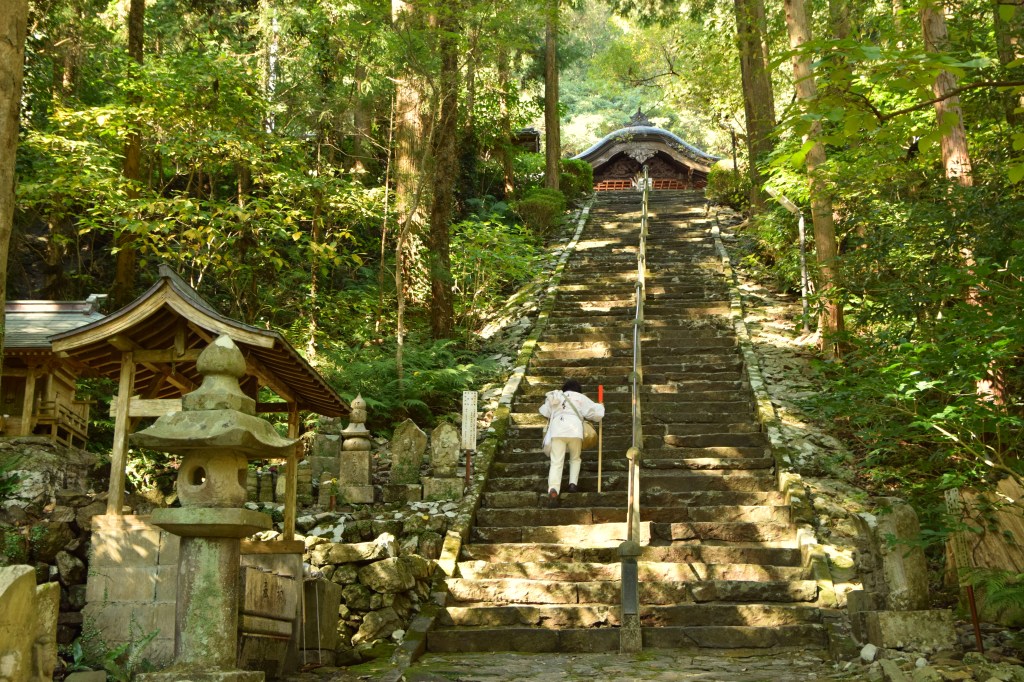
The main hall and the pagoda
The temple grounds are entered through a gate and a long approach, with the main hall and a five-storey pagoda at the centre. The pagoda is a tall wooden structure with a spire, and the main hall is large and dark, with the altar and the ritual objects at the front. The architecture is solid and restrained, and the proportions are the point. Walk the grounds slowly, and note the stone lanterns and the old trees.
The hall over the birthplace
The site of Kukai’s birth is marked by a hall built over a small structure, and pilgrims come here to pray and to receive the temple’s stamp. The hall is quieter than the main buildings, and the atmosphere is intimate. The story of Kukai’s life is told in the displays and the signs, and the connection between the temple and the pilgrimage is explained. It is the heart of the site.
The five hundred disciples
A slope behind the main buildings is covered with five hundred stone figures of the Buddha’s disciples, each with a different face and expression, arranged in rows among the trees. They are weathered and mossy, and the effect is strange and impressive. Walk among them, and look at the details: the faces are individual, and some are humorous. It is the most memorable part of the temple for many visitors.
The pilgrimage
Zentsuji is temple seventy-five of the eighty-eight temples of the Shikoku pilgrimage, and pilgrims in white coats and conical hats pass through the grounds with their staffs and their books. The temple sells the stamps and the goods of the route, and the rhythm of the pilgrimage is visible. Even if you are not walking the route, the sight of the pilgrims and the sound of the chants is part of the experience.
The town and the station
The town is small and flat, with a station on the Yosan line, a few shops and the plain of Kagawa around it. The walk from the station to the temple takes about twenty minutes, and the route passes ordinary houses, small factories and the local shops. It is not a sight in itself, but it gives a sense of the everyday life of the region.
The udon of Kagawa
Kagawa is the udon prefecture, and the shops around Zentsuji and Marugame serve the thick, springy noodles with a simple broth and a few toppings. The self-service shops, where you boil your own noodles and add the broth, are the local institution, and they are cheap and fast. A bowl of udon is the right lunch after the temple.
Marugame and the castle
Marugame, a short train ride away, has one of the finest surviving castle keeps in Japan, with a fan-shaped stone base and a view over the sea, and it is a good addition to the day. The town also has the uchiwa fan workshops and a market, and it is on the pilgrimage route. The combination of Zentsuji and Marugame is one of the best half-days in Kagawa.
Food and drink
- Sanuki udon is the local food, thick and springy, served in a simple broth with green onion, tempura or an egg. The self-service shops are the cheapest and the most local.
- The town has a few udon shops and cafes near the station and the temple, and the quality is high even in the ordinary places.
- Kagawa is also known for its small sweet potatoes and the local sake, and the shops around the temple sell the sweets and the souvenirs.
- The restaurants in Marugame and Takamatsu have a wider choice, including seafood from the Inland Sea and the local chicken.
- For a quick lunch, the udon shop at the station or near the temple is the practical option, and the self-service style means you can eat quickly and cheaply.
Getting there and around
- Zentsuji is on the JR Yosan line, about thirty minutes from Takamatsu and an hour from Okayama with a change at Utazu or Takamatsu. The station is a twenty-minute walk from the temple.
- From Takamatsu airport, the bus and train take about an hour, and from Okayama the train crosses the Seto Ohashi bridge to Kagawa.
- The temple is on the edge of the town, with a car park and a bus stop, and the walk from the station is flat and signed.
- By car, the Takamatsu expressway and the national roads connect Zentsuji with Takamatsu, Marugame and the rest of the island, and the roads are quiet.
- The pilgrimage route passes through the town, and the local buses connect the temples of the area for walkers who want to skip a stage.
Where to stay
- The hotels and guesthouses around Zentsuji station and the temple are simple and cheap, and they suit pilgrims and travellers on a budget.
- The shukubo, the temple lodgings, offer simple rooms and vegetarian meals, and they are the traditional way to stay on the pilgrimage. Book ahead.
- Takamatsu and Marugame are within half an hour and have a wider range of hotels and restaurants, which suits a day trip.
- The hot spring inns in the surrounding countryside are quiet and cheap, and they are a good base for the temples and the udon shops.
Best time to visit
- Spring, from late March to April, is mild and clear, with the cherry trees in the temple grounds and the surrounding parks.
- Summer is hot and humid, with the temple busy with pilgrims and the udon shops full at lunchtime.
- Autumn, from October to November, is the best all-round season: clear air, comfortable walking and the colour in the trees.
- Winter is cold and quiet, with the temple at its emptiest and the pilgrimage at its slowest. The stone figures look their best in the low light.
- The rainy season runs from early June to mid-July. The temple halls and the covered walkways are good wet-weather stops.
Practical tips
- Walk the five hundred disciples before you leave. They are behind the main buildings and easy to miss.
- Carry a small towel and a coin for the temple stamp, and keep the book dry.
- Eat udon at a self-service shop. It is cheap, fast and the local way.
- Combine the temple with Marugame castle. The two are half an hour apart and make a full day.
- Wear shoes you can slip off for the halls, and dress modestly. It is a working temple, not a museum.
- Check the opening hours of the halls and the stamp office. They close in the late afternoon.
Suggested day-trip outline
- Morning: train from Takamatsu, walk to the temple and start with the main hall and the pagoda.
- Late morning: the hall over the birthplace and the five hundred disciples on the slope.
- Lunch: udon at a self-service shop near the station.
- Afternoon: the train to Marugame for the castle and the fan workshops, or back to Takamatsu for the Ritsurin garden.
- Late afternoon: the shops around the temple for the stamps and the local sweets.
- Evening: dinner in Takamatsu, with the local fish and sake, and the train back.
Before you go
Timetables, fares, admission fees, and seasonal access rules can change. Check the official tourism and transport sites linked below for the latest information before you travel.
Explore More of Japan
Published guides that pair with this one:
- Sanuki Udon Travel Guide: Eating Kagawa Noodles
- Iya Valley Travel Guide: Vine Bridges and Mountain Villages
- Takamatsu Travel Guide: Ritsurin Garden, Udon, and Seto Sea Gateways
- Marugame Castle Travel Guide: An Original Keep on a High Stone Wall
- Kotohira Travel Guide: Konpira Shrine Stairs and Shikoku Pilgrim Town
- Teshima Travel Guide: Art, Rice Terraces and the Seto Sea
Browse every Shikoku guide on this site for the rest of the region.
Sources
- zentsuji.com (checked 2026-11-05)
- my-kagawa.jp (checked 2026-11-05)


Leave a Reply