A practical English guide to Kure in Hiroshima: the Yamato Museum, the naval port, the shipyards and access from Hiroshima.
Operational details such as opening hours, admission fees, and train times can change. Prefer official pages and reconfirm before you travel (sources checked on 05 November 2026).
Why visit
- Kure is a port city on the Seto Inland Sea, south of Hiroshima, and it was for decades one of the main bases of the Japanese navy and the site of the largest shipyard in the country. The battleship Yamato was built here, and the city’s identity is still bound up with the sea, the ships and the workers who built them.
- The Yamato Museum, opened in 2005, is the centre of that story. It is built around a one-tenth scale model of the Yamato, ten metres long and meticulously detailed, and around it are the engineering exhibits, the personal effects of the crew, the history of the shipyard and a section on the postwar reconstruction of the city. The museum is one of the best industrial and maritime museums in Japan, and it treats its subject with care.
- Next door is the JMSDF Kure Museum, built around a real submarine, the Akishio, which you can walk through. It is a strange and memorable experience, and it explains the technology and the life on board. Together the two museums take half a day, and they are the reason most people come.
- The city itself is a working port with shipyards, docks and a waterfront, and the view from the hills over the bay and the islands is one of the best in the region. It is also the gateway to the Shimanami Kaido, the cycling route across the islands to Ehime, and to the naval history of the Inland Sea.
Top places and highlights
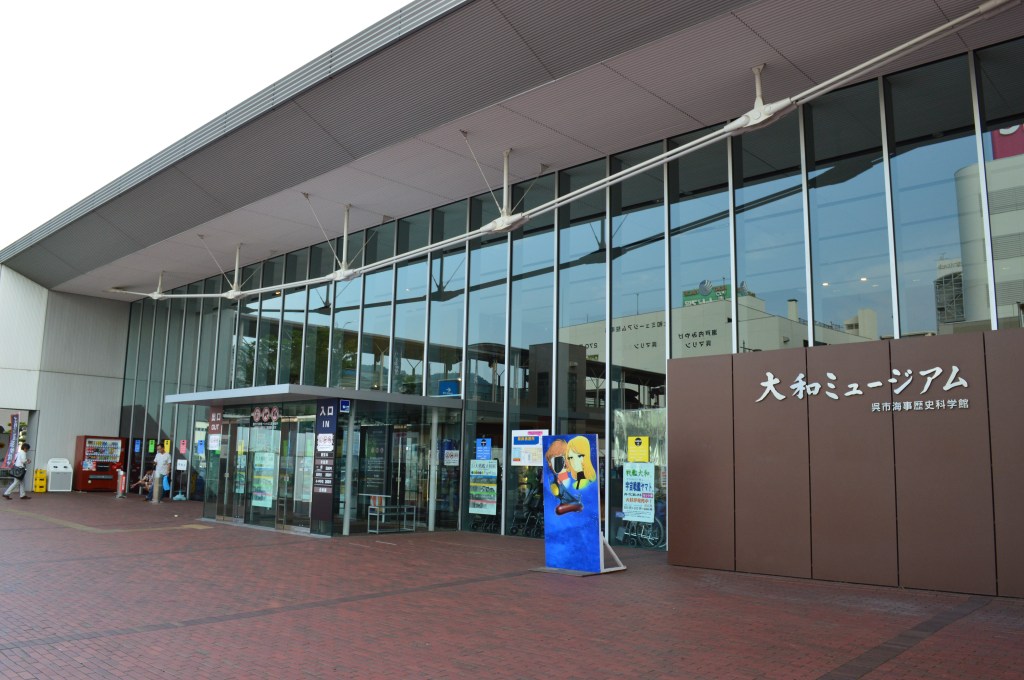
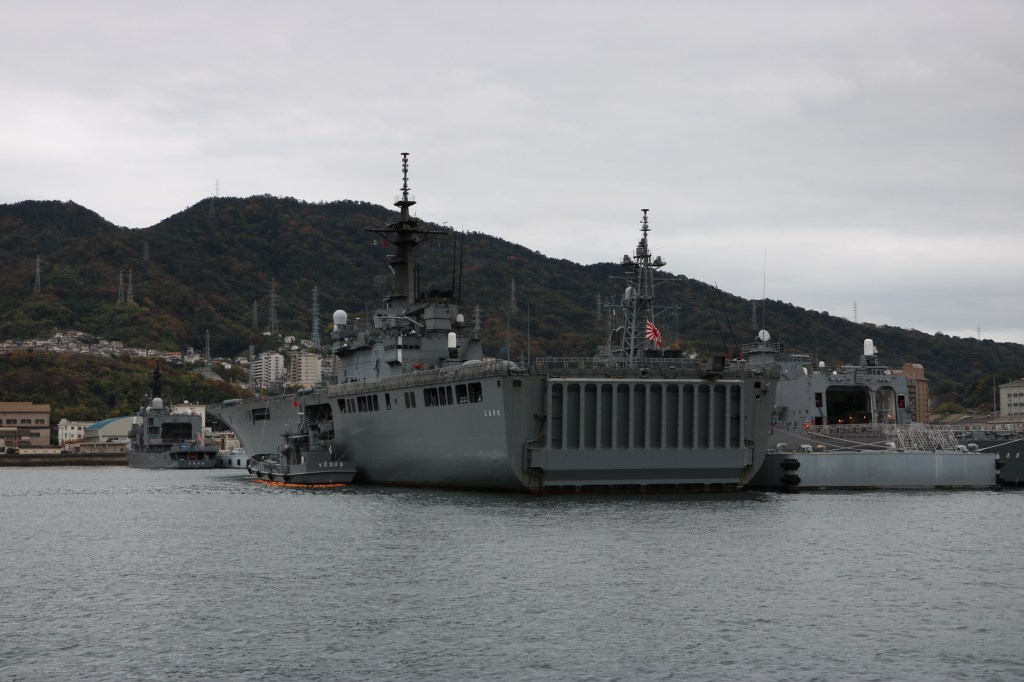
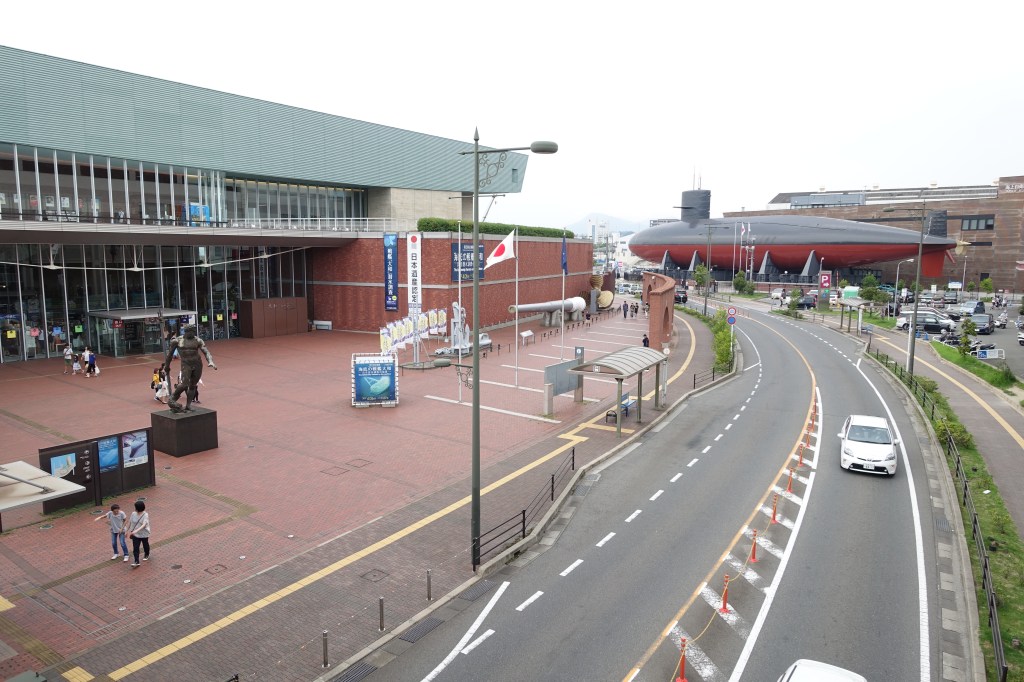
The Yamato Museum
The museum is built around the model of the Yamato, displayed in a huge hall with the light coming down on it, and around it are the exhibits on the design, the construction and the fate of the ship. The shipyard section explains how Kure built the largest warships in the world, and the personal section shows letters, uniforms and photographs of the crew. There is a good section on the science of ships and a display of the Zero fighter. Allow two hours at least.
The submarine museum
The JMSDF Kure Museum is built around the submarine Akishio, which is displayed out of the water and can be walked through from end to end. The interior is cramped and technical, with the torpedo room, the control room and the engine spaces open to view, and the exhibits around it explain submarine warfare and the daily life of the crew. It is a short visit, and it is included in the same area as the Yamato Museum.
The waterfront and the shipyards
Kure’s waterfront is a working industrial landscape, with cranes, docks and the yards where ships are still built and repaired, and the view across the bay to the islands is the best free sight in the city. Walk the promenade near the museums, look at the ships and the docks, and take a boat trip if one is running. The scale of the industry is the point.
The hills and the view
The city is squeezed between the sea and the hills, and the roads up to the residential districts give views over the bay, the islands and the shipyards. The Kure port area and the Aga peninsula are within a short drive, and the sunsets over the Inland Sea are the local spectacle. A car or a bus to the higher districts is worth the effort.
The naval history sites
Beyond the museums, the city has the old naval port facilities, the dry docks and the buildings of the naval arsenal, some of which are still in use and others preserved. The history is layered: the Meiji navy, the wartime shipyards, the postwar self-defence forces and the present-day industry. The museums tell the story, and the streets around them show the fabric.
The Shimanami Kaido
The cycling route across the islands from Onomichi to Imabari starts near Kure, and the bridges and islands are one of the great rides in Japan. It is a full day by bicycle, and the route can be done in stages with ferries and buses. Kure is a practical base for the western end, and the views from the bridges are the reward.
The local food
Kure is a port, and the seafood is good and cheap: oysters, squid, sea bream and the fish of the Inland Sea. The city also has a navy tradition of curry and the stew called nikujaga, and the restaurants around the station and the museums serve both. It is not a gourmet destination, but the everyday food is solid.
Food and drink
- The naval curry is the local joke and the local dish: the curry and rice that the navy popularised, served in restaurants around the city with a side of pickles and a glass of milk.
- Nikujaga, the stew of beef and potatoes, is another navy dish, and the local version is sweeter than elsewhere. The restaurants near the museums serve it.
- The seafood from the Inland Sea is the other option: oysters in winter, squid, sea bream and the small fish for sashimi. The port restaurants and the market are the places to try it.
- The city has a good bakery and cafe culture around the station, and the local sweets include the usual Japanese confections.
- For a quick lunch, the area around the Yamato Museum has several restaurants, and the station has the usual chains. The local places are cheaper and better.
Getting there and around
- Kure is on the JR Kure line from Hiroshima, about fifty minutes by local train, and the line runs along the coast with views of the sea and the islands. The station is in the centre of the city.
- The museums are a twenty-minute walk or a short bus ride from the station, along the waterfront. The route is flat and signed.
- From Hiroshima, the express bus and the train both take about an hour, and the ferry from Hiroshima to Kure is a slower and more scenic option.
- By car, the Sanyo expressway and the national roads connect Kure with Hiroshima and the surrounding region, and the drive along the coast is scenic.
- The Shimanami Kaido is reached from Onomichi, about an hour away by train or car, and the ferries connect the islands.
Where to stay
- Hotels around Kure station are the practical base, with business hotels and a few larger ones within walking distance of the restaurants and the museums.
- The hotels near the waterfront have views over the bay and the shipyards, which is the reason to pay for a higher floor.
- Hiroshima is an hour away and has the full range of accommodation, and most visitors stay there and visit Kure as a day trip.
- The inns on the islands and along the Shimanami Kaido are a good base for cycling, with sea views and simple meals.
Best time to visit
- Spring, from late March to April, is mild and clear, with the cherry trees along the waterfront and the hills. The museums are busy in the holidays.
- Summer is hot and humid, with the sea calm and the islands at their best. The ferries and the cycling routes are busy.
- Autumn, from October to November, is the best all-round season: clear air, good fish, and comfortable walking along the waterfront.
- Winter is cold and grey, with the sea rough and the museums quiet. The oysters are at their best, and the views are dramatic.
- The rainy season runs from early June to mid-July. The museums are the obvious wet-weather stops, and the city is quiet.
Practical tips
- Check the closing days of the museums. They are the main sights, and both close on certain days.
- Allow half a day for the Yamato Museum and the submarine, and more if you read all the displays.
- Take the local train from Hiroshima rather than the express bus. The coastal route is slower and much more scenic.
- Walk the waterfront between the museums and the port. The industrial landscape is part of the experience.
- Try the naval curry for lunch. It is cheap, filling and part of the local identity.
- Bring cash for the small restaurants and the museum shops. The city is not set up for cards everywhere.
Suggested day-trip outline
- Morning: train from Hiroshima along the coast, walk to the Yamato Museum and start with the ship model.
- Late morning: the engineering and crew exhibits, then the submarine museum next door.
- Lunch: naval curry or a seafood bowl near the museums.
- Afternoon: the waterfront and the shipyards, then a bus or car up to the hills for the view over the bay.
- Late afternoon: the port area and the sunset over the Inland Sea.
- Evening: dinner in the city and the train back to Hiroshima, or a night in Kure before the Shimanami Kaido.
Before you go
Timetables, fares, admission fees, and seasonal access rules can change. Check the official tourism and transport sites linked below for the latest information before you travel.
Explore More of Japan
Published guides that pair with this one:
- Tsuyama Travel Guide: Kakuzan Park and the Castle Town
- Kurashiki Travel Guide: Bikan Canal District
- Hiroshima Peace Memorial Travel Guide: The Park, the Dome, and the Museum
- Miyajima Travel Guide: Itsukushima Shrine, the Floating Torii, and a Hiroshima Day Trip
- Onomichi Travel Guide: Temple Walks and the Shimanami Kaido Gateway
- Iwami Ginzan Travel Guide: UNESCO Silver Mine in Shimane
Browse every Chugoku guide on this site for the rest of the region.
Sources
- kure-kankou.jp (checked 2026-11-05)
- city.kure.lg.jp (checked 2026-11-05)


Leave a Reply