A practical English guide to Teshima in the Seto Inland Sea: the art sites, the rice terraces, the ferries and where to stay.
Operational details such as opening hours, admission fees, and train times can change. Prefer official pages and reconfirm before you travel (sources checked on 05 November 2026).
Why visit
- Teshima is a small island in the Seto Inland Sea, about an hour by ferry from Takamatsu or Uno, and it is one of the three islands of the Benesse art project along with Naoshima and Inujima. It is quiet, rural and hilly, with terraced rice fields, a few hamlets, and a handful of art sites that are among the best in Japan.
- The main reason to come is the Teshima Art Museum, a concrete shell shaped like a water droplet, with an opening in the roof and a shallow pool of water on the floor. There is almost nothing inside, and that is the point: the light, the wind, the sound of the water and the birds come through the opening, and the experience changes with the weather. It is one of the most memorable buildings in the country.
- The second site is Les Archives du Coeur, a small museum by Christian Boltanski that plays recordings of heartbeats from around the world, collected in a dark room by the sea. It is strange and moving, and it is a ten-minute walk from the port with a view over the water.
- Beyond the art, Teshima is a farming island, and the rice terraces, the stone walls, the small shrines and the views over the islands are the other half of the visit. It is a place to walk slowly, eat a simple lunch and take the last ferry back, and it rewards an overnight stay if you can find one.
Top places and highlights
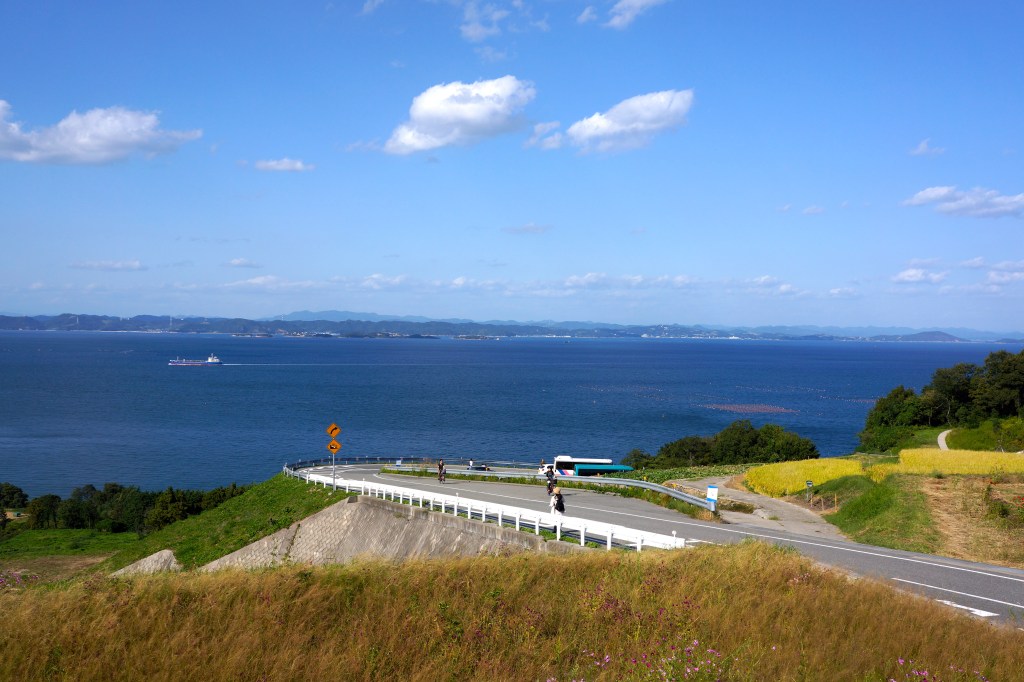
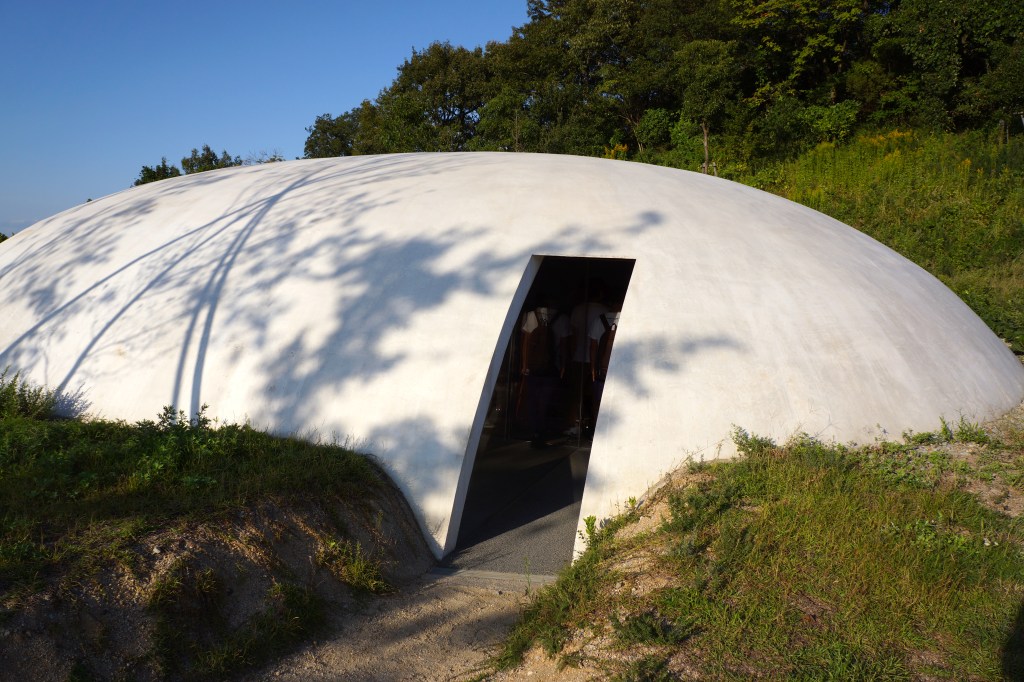
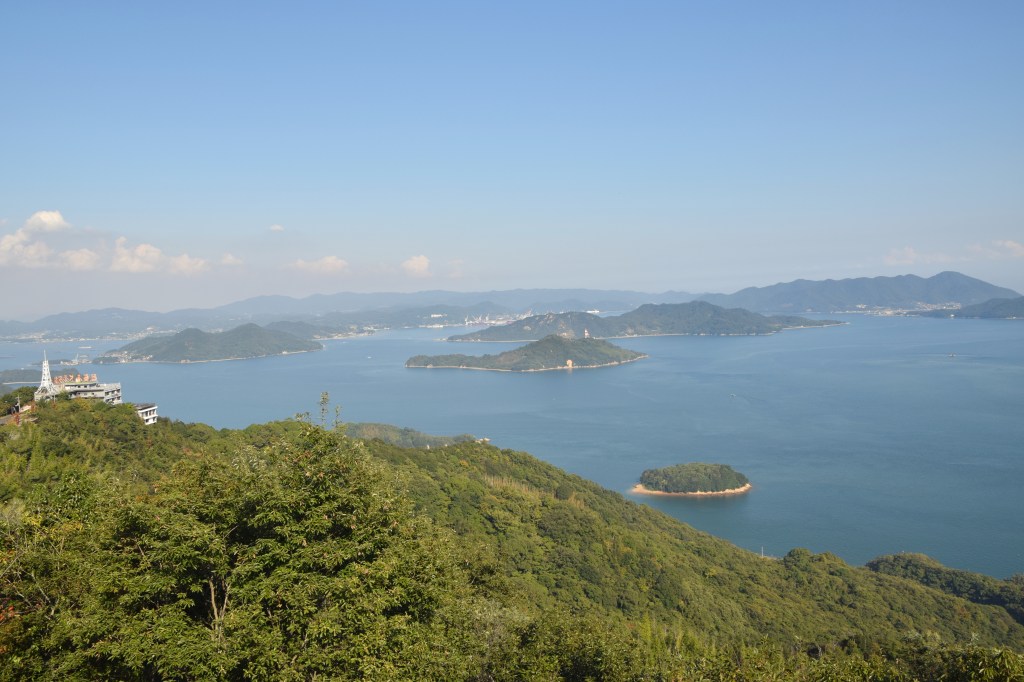
Teshima Art Museum
The museum is a single concrete shell, free of columns, with two oval openings in the roof and a floor of white concrete with a thin film of water that moves across it. There are no exhibits in the usual sense. The building is the work, and the experience is sitting or lying on the floor and watching the light and the water move as the wind and the temperature change. The acoustics are extraordinary, and the sound of a bird or a drop of water carries across the space. Shoes are removed, photography is restricted inside, and the number of visitors is limited, so book a time slot.
Les Archives du Coeur
A small wooden building near the coast holds a dark room where recordings of heartbeats play continuously, collected from visitors and from people around the world. The sound is intimate and the darkness is complete, and most people sit for longer than they expect. There is a listening room where you can search the archive and hear a specific heartbeat, and a small bar of light from the doorway. It is a short walk from the port, and it is the second essential stop on the island.
The rice terraces
Teshima’s interior is a patchwork of small rice terraces cut into the hills, with stone walls, narrow paths and irrigation channels, and it is one of the most beautiful working landscapes in the Seto area. The terraces are cultivated by the islanders and supported by the art project, and in early summer the fields are flooded and reflective, in autumn they turn gold. Walk the paths between the hamlets, and look for the small shrines and the stone markers at the edges of the fields.
The village of Karato
Karato is the main hamlet, a cluster of wooden houses around the port, with narrow lanes, stone walls and a few cafes and shops. The art project has renovated several buildings, and there are small galleries and installations among the houses. Walk the lanes without a map, look at the gardens and the old shopfronts, and stop at the island’s small cafe for a coffee and a set lunch. It is the place to wait for the ferry.
The other art sites
Beyond the two main museums, the island has a scattered set of installations and a small gallery or two, reached by walking or by the island bus. Some are in old houses, some are in fields, and the map from the ferry terminal shows the locations. The distances are short but the hills are steep, and a bicycle is the best way to cover them. Not every site is open every day, and the combination changes with the season.
The ferry crossing
The ferry from Takamatsu or Uno is part of the experience: the Seto Inland Sea is a maze of islands, and the crossing passes fishing boats, small ports and wooded slopes. The fast boats are quicker and enclosed, but the slower ferries have decks where you can sit outside. The approach to Teshima, with the terraces coming down to the water, is the best introduction to the island.
The island food
Teshima has a few cafes and restaurants, mostly around Karato, serving simple lunches of fish, vegetables and rice, with the local lemons and the island’s produce. The food is not the reason to come, but it is good and it is part of the slow rhythm of the day. Book ahead in the busy seasons, since the number of seats is small.
Food and drink
- The cafes around Karato serve set lunches of local fish, vegetables and rice, often with the island’s lemons. The menus are short and the food is simple and good.
- Teshima is known for its lemons, and the island sells lemon products, juices and sweets at the port and the shops. They are the easy souvenir.
- The seafood from the Seto Inland Sea is the local catch: small fish, octopus, squid and shellfish. The restaurants serve it grilled or as sashimi with the local rice.
- There are few restaurants outside the main hamlet, so plan lunch around Karato or bring food from Takamatsu. The ferry terminal has a small shop.
- The island’s water and the local sake are worth trying, and the cafes serve coffee and cakes in the afternoon. Do not expect a food destination: the pleasure is the simplicity.
Getting there and around
- Teshima is reached by ferry from Takamatsu, Uno and a few other ports, and the crossing takes about an hour from Takamatsu and about forty minutes from Uno. The fast boats are quicker, and the car ferries take vehicles.
- From Takamatsu, the ferry leaves from the Sun Port, which is a short walk from the station. From Uno, the port is connected by train and bus to Okayama.
- On the island, the port of Karato is the main arrival point, and the art sites are reachable on foot, by bicycle or by the island bus. The hills are steep and the bus is infrequent, so a bicycle is the best option.
- Rental bicycles are available near the port, and electric bikes are worth the extra cost on the hills. Book ahead in the busy seasons.
- The island has no train and few taxis. Plan the return ferry before you start, since the last boat leaves in the late afternoon.
Where to stay
- Teshima has a small number of guesthouses, pensions and renovated houses, and they book out early in the art season. Staying overnight is the best way to see the island without rushing.
- The guesthouses are simple, with shared bathrooms and home-cooked meals, and the atmosphere is quiet and local. Book directly and confirm the meal arrangements.
- Naoshima has more accommodation and is a short ferry ride away, which makes a two-island trip possible with a single base.
- Takamatsu and Okayama have the full range of hotels and are within an hour by ferry, which suits a day trip. The trade-off is the early start and the last boat.
Best time to visit
- Spring, from March to May, is the best season: mild weather, green terraces and the art sites open. The Seto islands are at their most beautiful, and the ferries are busy.
- Summer is hot and humid, with strong sun and the rice fields flooded and green. The sea is calm and the island is quiet on weekdays, but the heat is severe at midday.
- Autumn, from October to November, is the other best season, with clear air, gold rice and comfortable walking. The art season is at its peak and the museums sell out.
- Winter is cold and quiet, with bare fields and a grey sea, and some art sites and restaurants close. The museums are peaceful if they are open.
- The rainy season runs from early June to mid-July. The island is green and empty, and the art museums are good wet-weather stops.
Practical tips
- Book the Teshima Art Museum in advance. Entry is timed and the museum sells out in the art season.
- Take the early ferry and the late one back, or stay overnight. The island is small but the hills and the sites take a full day.
- Rent an electric bicycle at the port. The island is hilly and the bus is infrequent, and the bike gives you the freedom to stop.
- Bring cash. Not every cafe or shop takes cards, and the island’s ATMs are limited.
- Check the closure days of the art sites before you book the ferry. Several close on certain weekdays and in winter.
- Wear shoes you can remove for the museum, and carry a light layer for the wind on the terraces.
Suggested day-trip outline
- Morning: early ferry from Takamatsu or Uno, arrive at Karato and walk the village lanes before the art sites open.
- Late morning: the Teshima Art Museum, with a booked time slot, and a slow hour inside.
- Lunch: a set meal at one of the cafes in Karato, booked if possible.
- Afternoon: Les Archives du Coeur, then the rice terraces and the scattered installations by bicycle.
- Late afternoon: the port and the last ferry, or a walk to the beach for the sunset.
- Evening: back in Takamatsu or Okayama for dinner, or a night in an island guesthouse with a home-cooked meal.
Before you go
Timetables, fares, admission fees, and seasonal access rules can change. Check the official tourism and transport sites linked below for the latest information before you travel.
Explore More of Japan
Published guides that pair with this one:
- Yashima Travel Guide: Temple 84, the Genpei Battlefield and Seto Views
- Marugame Castle Travel Guide: An Original Keep on a High Stone Wall
- Naoshima Travel Guide: Art Islands, Museums, and the Seto Inland Sea
- Takamatsu Travel Guide: Ritsurin Garden, Udon, and Seto Sea Gateways
- Shodoshima Travel Guide: Olive Groves, Coast Roads, and a Seto Inland Sea Ferry
Browse every Shikoku guide on this site for the rest of the region.
Sources
- benesse-artsite.jp (checked 2026-11-05)
- my-kagawa.jp (checked 2026-11-05)


Leave a Reply