Planning Ie Island from Motobu? This English guide covers the ferry, the beaches, Mount Gusuku and the island’s seasons.
Operational details such as opening hours, admission fees, and train times can change. Prefer official pages and reconfirm before you travel (sources checked on 04 November 2026).
Why visit
- Ie Island is a 30-minute ferry ride from Motobu Port on the Motobu peninsula, and it feels further away than that. The island is small and flat, about 22 square kilometres, with a low ridge, fields of sugar cane and tobacco, and a coast that is mostly open beach and low limestone rock. It is the easiest island escape from northern Okinawa and the one that rewards a full day rather than an hour.
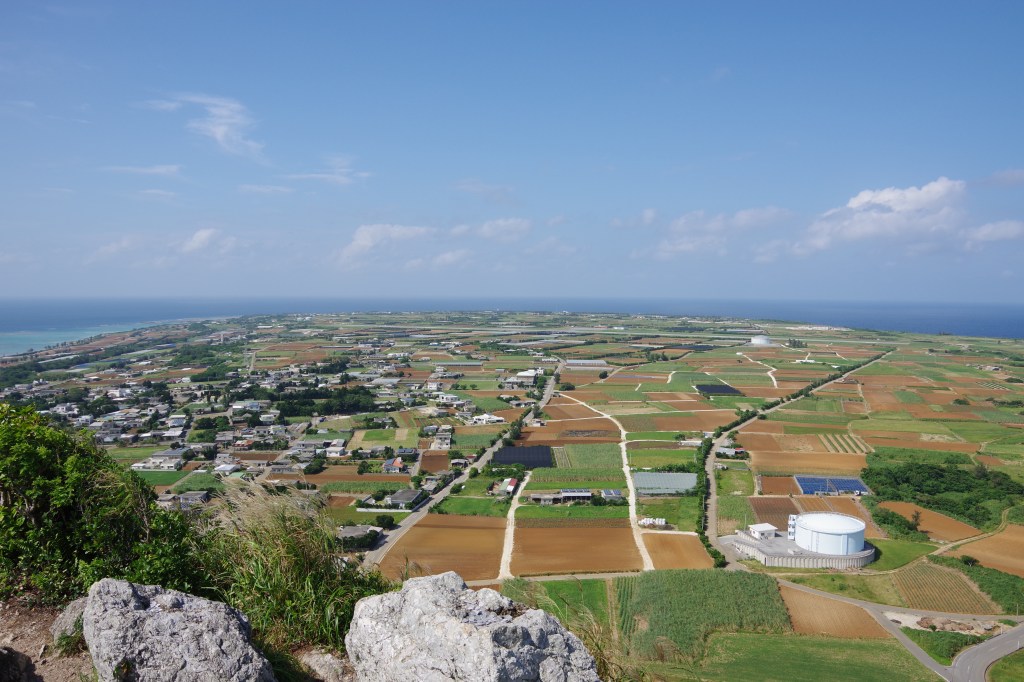
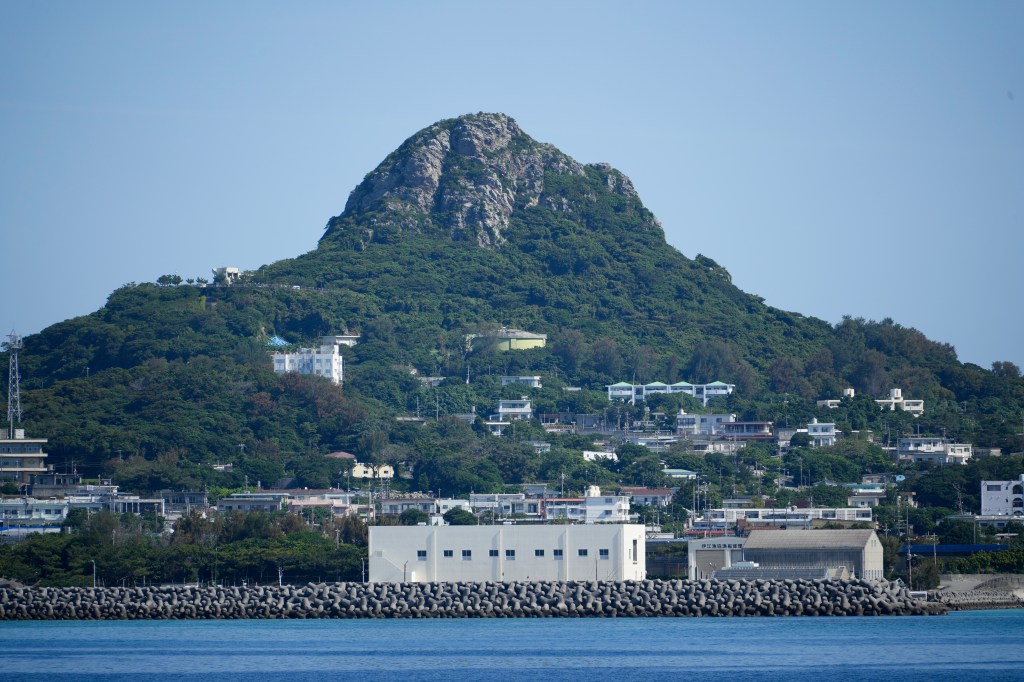
- The island has a single landmark that explains its shape: Mount Gusuku, called Tatchu by islanders, a limestone hill of about 172 metres with a sheer cliff on the seaward side. From the top you see the whole island, the Motobu coast, and on a clear day the islands to the north. It is a short climb and the best view in this part of Okinawa.
- History is close to the surface here. Ie was the scene of fighting at the end of the Battle of Okinawa in April 1945, and the war correspondent Ernie Pyle was killed on the island. There is a monument to him, and the island’s war memorials and the remains of the battlefield are part of the landscape rather than a separate museum. Part of the island is occupied by a United States military airfield, which is visible and which shapes the island’s economy and geography.
- The island is also agricultural in a way that the resort coasts are not. Peanuts, sugar cane, tobacco and beef cattle are the working economy, and the roads between the fields are the reason to rent a bicycle rather than take a bus. The Ie lily, the Easter lily, is the island’s flower and the reason for the spring festival.
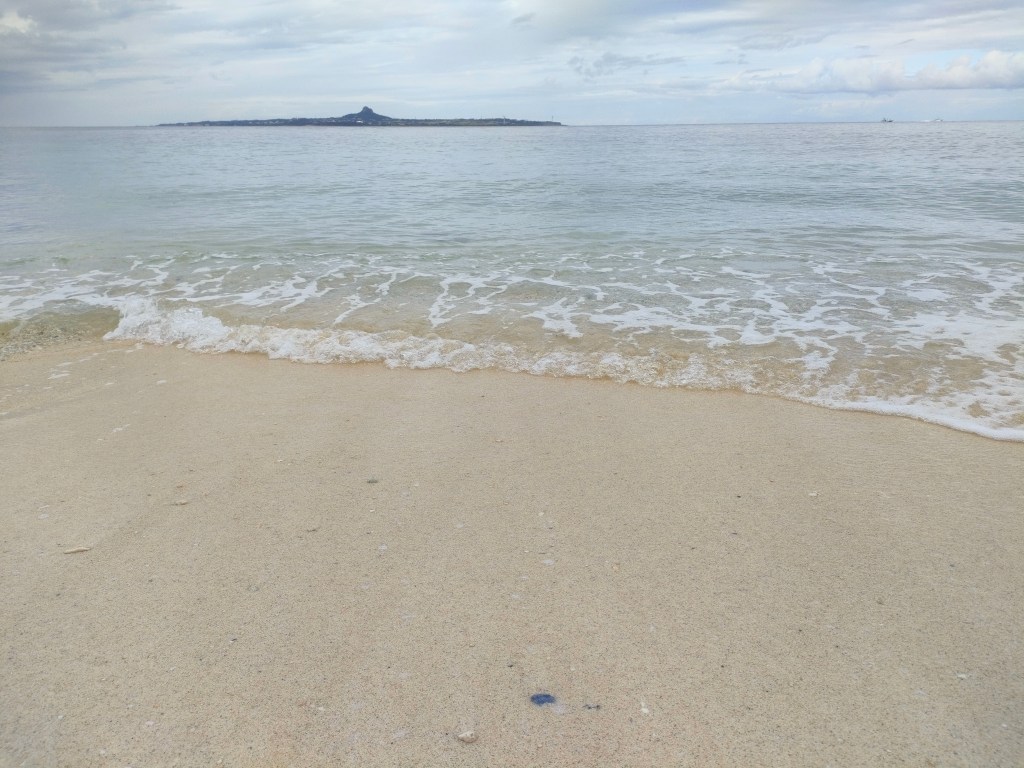
- The beaches are the summer reason to come. Ie Beach on the west coast is a long curve of white sand with shallow water, and there are smaller coves and rock platforms around the island. It is quieter than the main-island resort beaches and the water is the same colour.
- The island is small enough to see in a day and big enough to want two. The ferry timetable is the constraint: four round trips a day in normal service, and the last boat back to Motobu leaves at 17:00. That timetable is the thing to plan around, and it is also what keeps the island quiet.
Top places and highlights
The ferry from Motobu
The village-run car ferry crosses from Motobu Port to Ie Port in about 30 minutes, normally four times a day. From Motobu the departures are at 9:00, 11:00, 15:00 and 17:00, and from Ie at 8:00, 10:00, 13:00 and 16:00, with extra sailings in the summer holidays and around the New Year. The adult fare is 730 yen one way or 1,390 yen for a round trip bought at Motobu, and the return from Ie is 1,250 yen. Tickets can be bought online from the day after purchase up to 30 days ahead, and you should be at the port 10 minutes before departure.
Mount Gusuku (Tatchu)
The hill is the island’s signature: a limestone outcrop of about 172 metres that rises straight out of the fields, with a cliff on the sea side and a path winding up the vegetated slope. The climb takes about 20 to 30 minutes at an easy pace, and the top is a small clearing with a view over the whole island, the reef, the Motobu peninsula and the sea to the north. It is the one thing to do first, because the view explains where everything else is.
Ie Beach
Ie Beach on the west coast is the main swimming beach, a long arc of white sand with shallow water inside the reef and a line of trees behind it. The swimming season is typically from April to October, and outside it the beach is a walk rather than a swim; confirm the season and the presence of lifeguards locally. There is parking, a toilet and a shower in season, and the beach is wide enough that it does not feel crowded even when the ferry brings a full load.
Nyatiya, the giant banyan
Nyatiya is a single banyan tree old enough to have its own name, with a canopy that has spread into a small grove of trunks and aerial roots. It stands beside the road in the village, it is free to see, and it takes only a few minutes. It is the kind of stop that sounds minor and turns out to be the photograph people remember, especially in the low light of late afternoon.
The lily fields and the spring festival
Ie is known for the Easter lily, and the fields come into flower in late April and early May. The island holds a lily festival in that window, with the fields open to visitors and stalls around the main site, and the dates move with the bloom, so confirm the year’s schedule before booking. Outside the festival the fields are ordinary farmland, and the flowers are a crop rather than a garden, so do not walk into them.
The war memorials and Ernie Pyle monument
Ie was taken in the final weeks of the Battle of Okinawa in April 1945, and the island keeps several memorials, including the monument to the American war correspondent Ernie Pyle, who was killed here. The sites are scattered rather than gathered in one park, and they are quiet places in the middle of farmland. They are worth the detour for anyone interested in the battle, and they are not a substitute for the Peace Memorial Park on the main island.
The coast road and the smaller coves
A bicycle is the right way to see the island: it is flat, the roads are quiet, and the loop around the coast takes a few hours with stops. The west coast has the beaches, the north has the lighthouse and the cliffs, and the east looks back at the Motobu peninsula. There are few shops and no convenience stores in the resort sense, so carry water and plan the loop around the ferry times rather than the other way round.
Ie’s peanuts, sugar and beef
The island’s food is its agriculture. Peanuts and brown sugar are the products to buy, the local beef is served in the island’s restaurants, and the vegetables come from the fields you cycle past. The village has a small market and a handful of restaurants that keep island hours, and the portions are aimed at people who have been working outside. Eat lunch before the afternoon ferry, because the choice narrows after two.
Food and drink
- Island cooking is simple and filling: noodles, rice dishes, pork, fish and the vegetables of the season, served in small restaurants around the port and the village. Do not expect a resort strip, and do not expect dinner late.
- Ie peanuts are the souvenir to buy, sold roasted and salted and in sweets, along with the island’s brown sugar. The local beef is on menus in the village, and the sugar cane is grown in the fields either side of the road.
- The ferry port has a small shop and a waiting room, and it is the last reliable place to buy a drink before the crossing. On the island, vending machines do more work than shops, and the village market closes in the afternoon.
- Carry water for the cycle loop. The island is flat but there is little shade on the west coast road, and the restaurants are concentrated in one part of the village rather than spread along the beach.
- The lily festival brings food stalls to the main site in late April and early May, and that is the easiest week to eat without planning. Outside it, decide where to eat before you set off, not when you are hungry at the far end of the island.
Getting there and around
- By car, drive from Naha to Motobu Port, which takes about two hours on the expressway and the Okinawa Expressway’s final section, and park at the port. The port has a multi-storey car park with around 85 spaces and it fills on festival days and summer weekends.
- By bus, the Yanbaru Express Bus and the local Motobu-bound services run from Naha and Nago to the Motobu area, and the port is a short walk or taxi from the terminal. The bus is slow but it removes the parking problem.
- The ferry is the only public crossing. It takes about 30 minutes, the normal timetable is four sailings a day each way, and the fare is 730 yen one way for adults from Motobu, 370 yen for children aged 6 to 11, with under-sixes free. Cars cost extra and need to be booked with the village, and a car is not necessary on an island this flat.
- On the island, rent a bicycle at or near the port, or use the small number of taxis and the community bus. The loop road is flat and the distances are short, but the sun is strong and there is little shelter.
- The last ferry from Ie to Motobu leaves at 16:00, so a day trip has to start early. If you miss it, the island has a few guesthouses and small hotels, and the alternative is an unplanned night rather than a taxi home.
Where to stay
- Most visitors come as a day trip, and the island is built for that. The accommodation is small: guesthouses, a few hotels and minshuku, and they are quiet rather than luxurious.
- Staying overnight is the way to see the island without watching the clock. The evening and early morning are the best light, the beaches empty, and the ferry crowds are gone.
- The nearest larger choice of hotels is on the Motobu peninsula around the aquarium and the resort coast, which works if you want the island as a day trip and a comfortable base at night.
- Book ahead for the lily festival and for summer weekends, when the ferries run full and the small number of rooms fills first.
Best time to visit
- Late April and early May are the lily season and the island’s busiest weeks, with the festival, extra ferries and the fields in flower. Book the crossing and the room early, and expect the port car park to be full.
- Summer is beach season, hot and humid, with strong sun and the risk of a typhoon closing the ferry. The crossing is short but it is the first thing cancelled when a storm comes, so check the village’s operation page on the day.
- Autumn is comfortable and quiet, with warm water into October and the fields after the harvest. It is the best season for the cycle loop and the view from Mount Gusuku.
- Winter is mild and windy, with the island at its quietest and the sea often rough. The ferry can be cancelled, the beaches are for walking, and the war memorials and the hill are at their clearest in the low winter light.
Practical tips
- Plan the day around the 16:00 ferry from Ie. It is the hard stop on a day trip, and the island is big enough that a late start means missing the hill or the beach.
- Buy the round-trip ferry ticket at Motobu rather than two singles, and arrive 10 minutes before departure as the operator asks. Online purchase opens from the next day up to 30 days ahead and saves the ticket queue.
- Rent a bicycle at the port. The island is flat, the loop is short, and a car is more trouble than it is worth for a day; if you need one, book the vehicle space on the ferry in advance.
- Climb Mount Gusuku first. The path is exposed, the top is small, and the view is the map for the rest of the day. Go before the midday heat and before the day-trip crowd arrives on the 11:00 boat.
- Carry cash and water. The island has few ATMs and the small shops and restaurants may not take cards, and the vending machines are the reliable source of a cold drink.
- Do not walk into the lily fields or the cane fields. They are working farms, the lily festival has designated viewing areas, and the crop is the island’s income.
- Treat the military airfield as off-limits and do not photograph installations. It occupies part of the island, it is visible from the road, and the sensible rule is to keep the camera pointed at the coast and the fields.
Suggested day-trip outline
- The day trip: take the 9:00 ferry from Motobu, rent a bicycle at the port, climb Mount Gusuku before the heat, ride to Ie Beach for a swim or a walk, stop at Nyatiya and the village for lunch, and return on the 16:00 boat.
- The history day: the 9:00 ferry, the Ernie Pyle monument and the island’s war memorials in the morning, Mount Gusuku at midday, and the coast road in the afternoon. It is a full day and it needs the bicycle or a taxi.
- The lily week: the 9:00 ferry, the lily fields first while the light is soft, the hill and the beach after, and the 16:00 boat back. Book the crossing and the room well ahead, and expect the port to be busy.
- The overnight version: the afternoon ferry, the beach in the evening light, dinner in the village, the hill at sunrise, and the 13:00 or 16:00 ferry back. It is the version that makes the island feel like an island.
- Combine it with the Motobu peninsula: the aquarium or the coast on one day, Ie on the other, and Nago as the base for both. The ferry is the fixed point and everything else fits around it.
Before you go
Timetables, fares, admission fees, and seasonal access rules can change. Check the official tourism and transport sites linked below for the latest information before you travel.
Explore More of Japan
Published guides that pair with this one:
- Nago Castle Park Travel Guide: Okinawa’s Hilltop Ruins and Cherry Blossoms
- Nakijin Castle Ruins Travel Guide: A World Heritage Gusuku
- Churaumi Aquarium Travel Guide: Whale Sharks, Mantas and the Okinawa Coast
- Cape Hedo Travel Guide: Okinawa’s Northernmost Point
- Kouri Island Travel Guide: The Heart Rock and a Bridge over Emerald Water
- Yambaru National Park Travel Guide: Okinawa’s Northern Forest
Browse every Okinawa guide on this site for the rest of the region.
Sources
- iejima.org (checked 2026-11-04)
- iejima.org (checked 2026-11-04)
- iejima.okinawa (checked 2026-11-04)
- iejima.okinawa (checked 2026-11-04)


Leave a Reply