A practical English guide to Chiran in Kagoshima: the samurai garden street, the peace museum and access from Kagoshima city.
Operational details such as opening hours, admission fees, and train times can change. Prefer official pages and reconfirm before you travel (sources checked on 05 November 2026).
Why visit
- Chiran is a small town on the Satsuma peninsula in Kagoshima, set among tea fields and low hills, and it is known for two very different things. The first is a street of samurai houses with small, exquisite gardens laid out in the eighteenth and nineteenth centuries. The second is the peace museum devoted to the pilots who flew from the airfield here at the end of the Second World War.
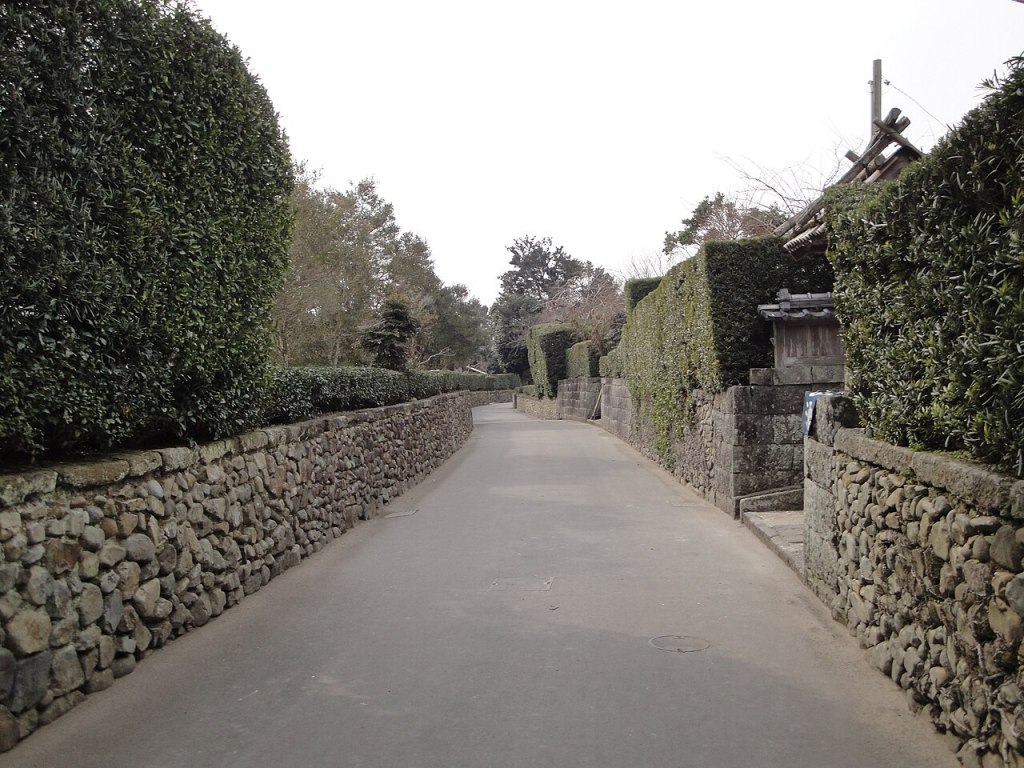
- The samurai district, called Fumoto, runs along a gentle slope with stone walls, hedges and gates, and seven or so gardens are open to visitors. They are small, designed to be seen from the veranda of each house, and they use the borrowed scenery of the hills behind. Walking from one to the next takes an hour, and the scale is intimate rather than grand.
- The peace museum is a harder visit. It documents the kamikaze pilots who flew from Chiran in 1945, with photographs, letters and aircraft, and it is a place of grief rather than celebration. Whatever one’s view of the history, it is carefully presented and it gives the town a weight that the gardens alone would not.
- The surrounding countryside is also worth the trip: tea fields, a quiet road to the coast, and the mountains of southern Kagoshima. Chiran is about an hour and a half from Kagoshima city by bus or car, which makes it a full day rather than a quick stop.
Top places and highlights
The samurai garden street
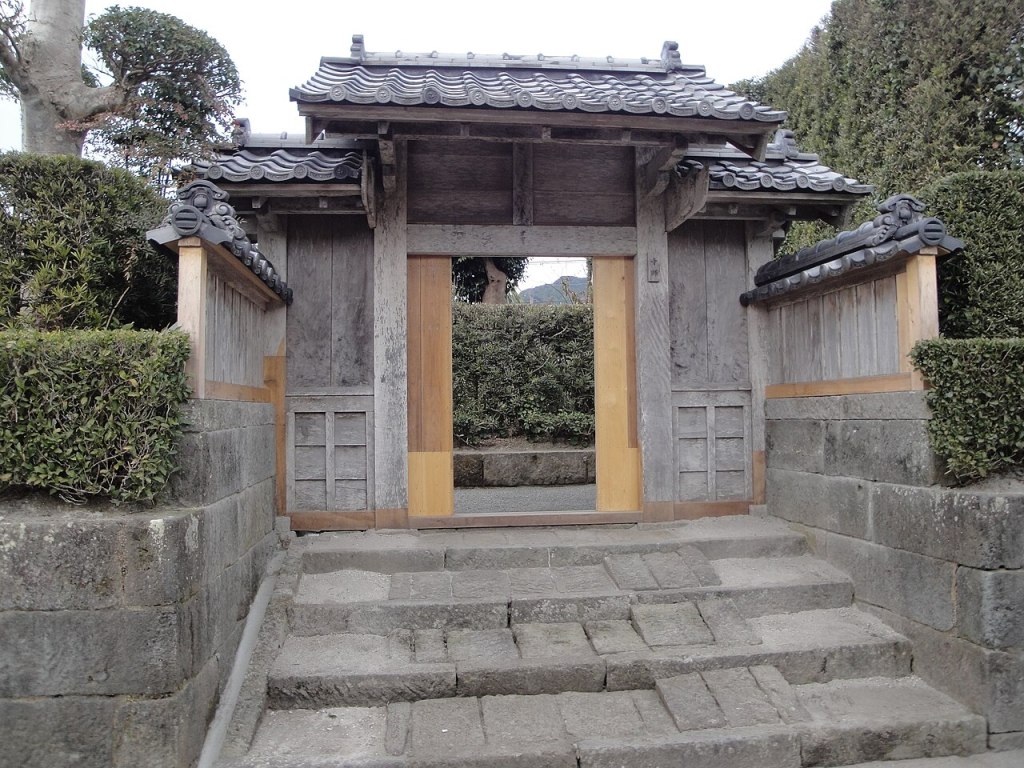
The street of the samurai district runs along a slope with stone walls on both sides, and behind the gates are the small gardens that Chiran is known for. They are designed as borrowed landscapes, with a pond, a stone lantern and a clipped hedge framing the hills beyond the wall. Several are open to the public, and the ticket covers a group of them. Walk slowly: the gardens are small, and the pleasure is in the details.
The gardens themselves
Each garden is different, but they share a vocabulary: a pond, stepping stones, a lantern, moss, and a carefully pruned pine or maple. The scale is domestic, designed to be viewed from the tatami room, and the composition changes with the season. In spring the azaleas and the cherries add colour, in autumn the maples turn, and in winter the bare branches show the structure. They are among the finest small gardens in Kyushu.
The peace museum
The museum documents the pilots who flew from Chiran in the final months of the war, with their photographs, letters and personal belongings, along with aircraft and exhibits on the history of the airfield. It is a solemn place, and the letters written by young men before their last flight are the most affecting part. The presentation is restrained, and it asks visitors to think rather than to celebrate. Allow an hour and leave time afterwards.
The tea fields
Chiran is one of the tea-producing areas of Kagoshima, and the fields cover the slopes around the town in neat green rows. The bushes are clipped into rounded shapes, and in spring the new leaves are picked for the first flush. Some farms offer tea tastings and sell their leaves, and the landscape itself is worth a slow drive. The green of the fields against the dark hills is one of the images of southern Satsuma.
The samurai houses
The houses behind the gardens are modest, with dark timber, deep eaves and simple rooms, and some are open with their interiors intact. They show how a middle-ranking samurai family lived in the late Edo period: the reception room, the kitchen, the storehouse and the small Buddhist altar. It is a domestic scale of history, and it makes the gardens easier to understand.
The road to the coast
South of Chiran the road drops towards the sea at Makurazaki and the fishing ports of the peninsula, passing tea fields, small villages and views of the bay. It is a quiet drive with few visitors, and it shows a side of Kagoshima that the city does not. If you have a car, continue to the coast for lunch or an afternoon on the water.
Satsuma food
Kagoshima’s cooking is robust: pork, sweet potato, fish cakes, and the shochu that the prefecture is famous for. Chiran has a few restaurants serving set meals and local noodles, and the tea shops sell the area’s leaves. It is plain, generous food, and a lunch of tonkatsu or a fish set is the right pause between the gardens and the museum.
The approach through the tea fields
The bus and the road from Kagoshima both climb through tea fields before reaching the town, and the last stretch is a good introduction to the place. The bushes run in curves across the slopes, the farmhouses sit among them, and the hills of southern Satsuma rise behind. If you are driving, take the smaller road rather than the main one, and stop at a farm shop where the leaves are sold. It sets the mood before the gardens begin.
Food and drink
- Kagoshima tonkatsu, the breaded pork cutlet, is served everywhere and is a substantial lunch.
- Satsuma-age, the fried fish cake of the region, appears as a snack and as part of set meals.
- Sweet potato, in chips, sweets and shochu, is the local staple and worth trying in its various forms.
- Chiran tea is grown on the surrounding slopes, and the tea shops sell leaves and offer tastings.
- The restaurants near the museum and the gardens serve set meals, and they close in the late afternoon.
Getting there and around
- Chiran is on the Satsuma peninsula, about an hour and a half by bus or car from Kagoshima city.
- Buses run from Kagoshima-Chuo station to Chiran, with a journey of around ninety minutes.
- By car, the expressway and the national roads reach the town, and the drive from Kagoshima airport is about an hour.
- The gardens and the museum are a short walk or drive apart, and a car makes the combination easier.
- Local buses connect the town with Makurazaki and the coast, but the service is limited.
Where to stay
- Chiran has a few small inns and guesthouses, some in old buildings, and they allow an early start at the gardens.
- Kagoshima city has the widest choice of hotels, an hour and a half away.
- Ibusuki, on the coast, has hot spring resorts and sand baths within reach.
- The tea farms and rural guesthouses of the peninsula suit travellers who want a quiet night.
Best time to visit
- Spring is the best season, with the gardens at their freshest and the tea fields bright green.
- Summer is hot and humid, and the gardens are best seen early in the morning.
- Autumn brings colour to the maples and clear air over the hills, and it is the other good season.
- Winter is mild and quiet, with few visitors and the gardens at their most structural.
Practical tips
- Buy the combined ticket for the gardens rather than paying at each house.
- Visit the gardens first and the museum after, so you have time to think on the way home.
- The museum is solemn; keep voices low and allow time afterwards.
- Wear shoes you can slip off, since the houses are entered barefoot or in slippers.
- Check the bus timetable for the return, since the last bus leaves in the late afternoon.
- Take cash for the small tea shops and the gardens.
Suggested day-trip outline
- Morning: bus or car from Kagoshima to Chiran, then the samurai garden street.
- Late morning: the open houses and their gardens, one by one.
- Lunch: a set meal or tonkatsu in the town.
- Afternoon: the peace museum.
- Late afternoon: a tea shop, then the road to Makurazaki or back to Kagoshima.
- Evening: dinner in Kagoshima city, with shochu and local fish.
Before you go
Timetables, fares, admission fees, and seasonal access rules can change. Check the official tourism and transport sites linked below for the latest information before you travel.
Explore More of Japan
Published guides that pair with this one:
- Sakurajima Travel Guide: An Active Volcano across from Kagoshima
- Ibusuki Guide: Sand Baths and the Southern Tip of Kyushu
- Nichinan Coast and Udo Jingu: Miyazaki’s Shrine in a Cave
- Kirishima Onsen Travel Guide: Volcanic Peaks, Steam and Mountain Ryokan
- Miyazaki City Travel Guide: Palms, Shrines and the Phoenix Road
Browse every Kyushu guide on this site for the rest of the region.
Sources
- city.minamikyushu.lg.jp (checked 2026-11-05)
- kagoshima-kankou.com (checked 2026-11-05)


Leave a Reply