A practical English guide to Hiji Falls in Kunigami, Okinawa: the forest trail, the waterfall, what to bring, the Yambaru national park and access from Nago.
Operational details such as opening hours, admission fees, and train times can change. Prefer official pages and reconfirm before you travel (sources checked on 06 November 2026).
Why visit
- Hiji Falls is a waterfall in the forest of northern Okinawa, in the village of Kunigami, and the walk to it is the best short hike on the main island. The trail runs up a valley through dense subtropical forest, past a dam and along a stream, to a fall of about twenty-six metres in a rock amphitheatre.
- What makes it unusual is the setting. Most of Okinawa is coast and coral, and the north is a different landscape: hills covered in evergreen broadleaf forest, with a rainfall and a humidity that feel more like a rainforest than a beach island. The Yambaru forest was designated a national park and a World Heritage site for its endemic species, and the walk is the easiest way into it.
- The trail is well built, with wooden steps and handrails on the steep sections, and it takes about an hour each way at an easy pace. The forest is loud with insects and birds, the stream is clear, and the fall at the end is a good reward. It is accessible to most people, though the climb back is steady.
- Hiji is in the north of the island, an hour and a half from Naha, and it pairs with the coast at Cape Hedo and the villages of the Yambaru. It is a half-day trip, best done in the morning before the heat and the afternoon rain.
Top places and highlights
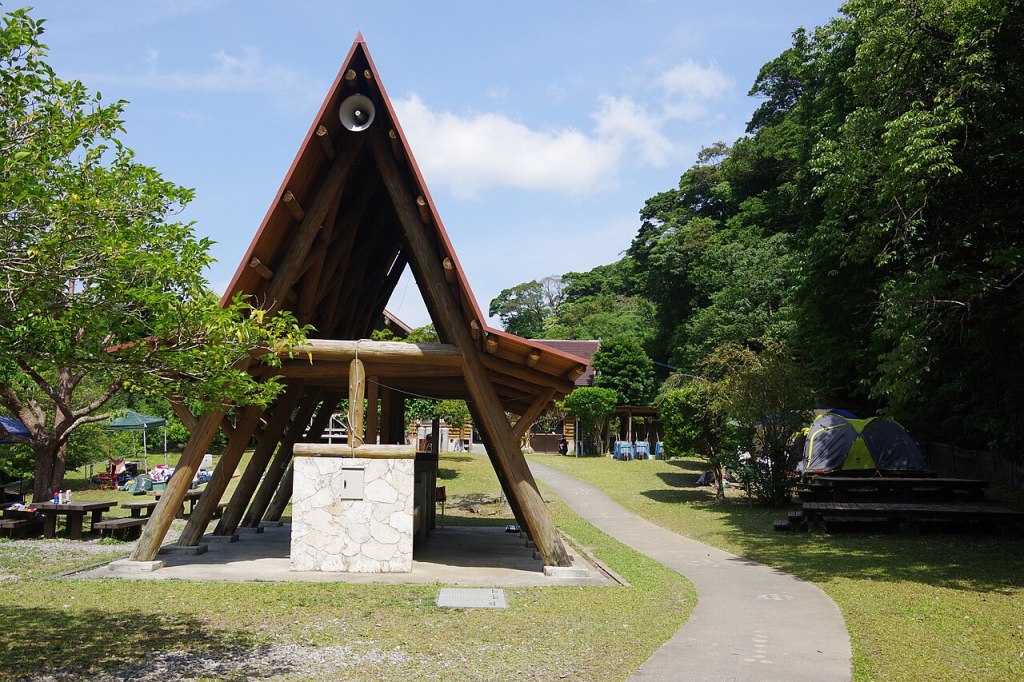
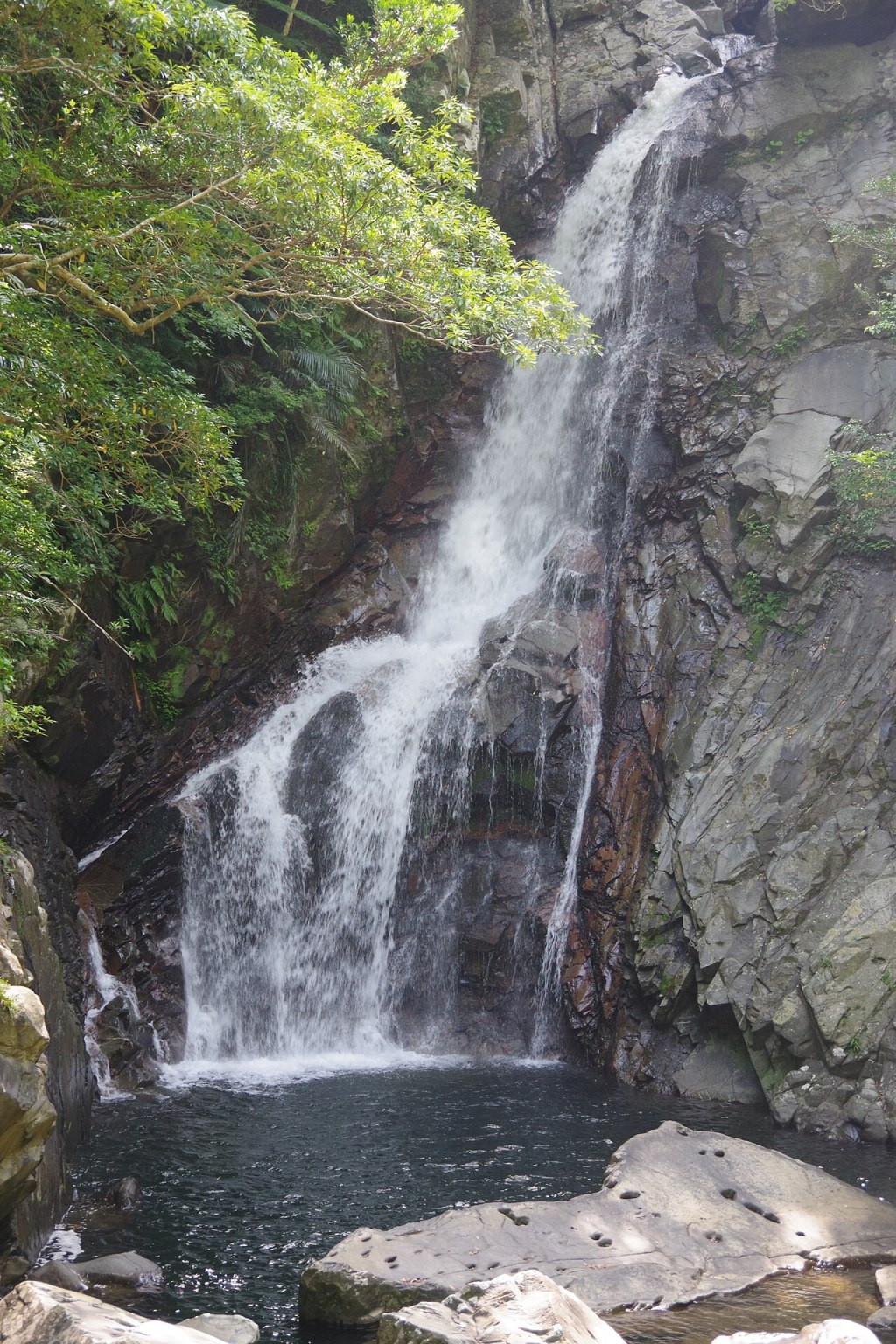
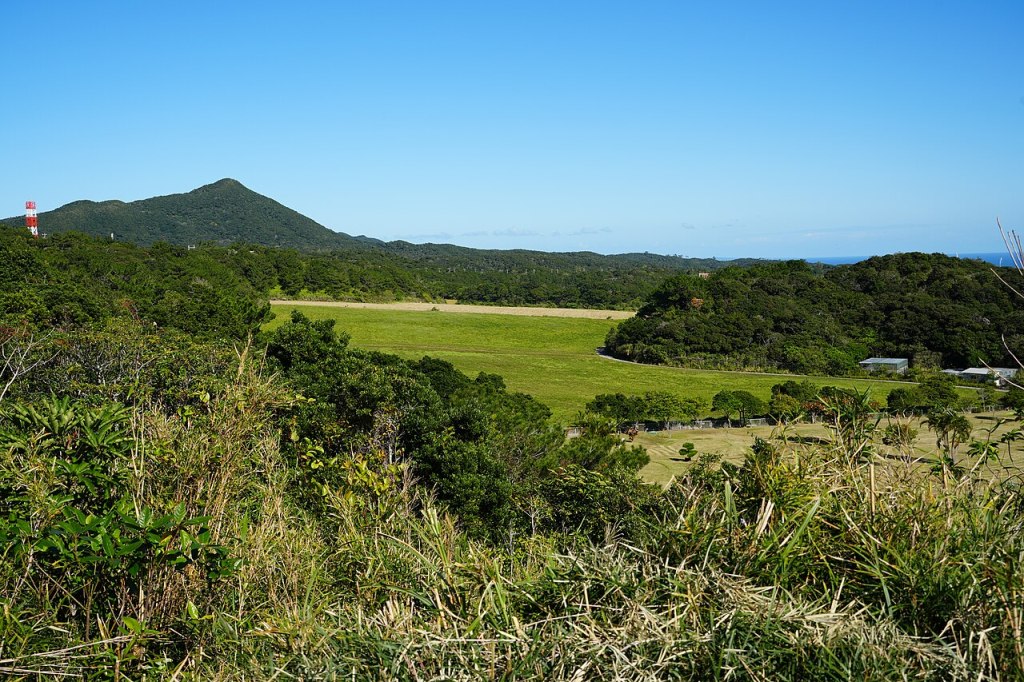
The Hiji Falls trail
The trail starts at a visitor area with a car park and a small shop, and climbs through forest along the Hiji river. The first half is a gentle walk on a path, the second half a series of wooden steps and boardwalks up the valley. It is about one and a half kilometres each way, and the surface is wet and slippery in places.
The waterfall
The fall drops about twenty-six metres into a pool at the head of the valley, with a rock wall behind it and forest on both sides. There is a viewing platform and a bench, and swimming is not allowed. After rain the water is heavy and the spray reaches the platform; in dry spells it is a thinner curtain.
The Yambaru forest
The forest around the falls is part of the Yambaru, a subtropical evergreen forest that was inscribed as a World Heritage site for its endemic species, including the Okinawa rail and the Yambaru long-armed scarab beetle. The trees are dense and the undergrowth thick, and the forest feels older and wetter than the rest of the island.
The river and the dam
The lower part of the trail passes a small dam and a reservoir, built for the village’s water supply. The water is clear and green, and the banks are shaded. It is a good place to stop on the way up or back, and the sound of the water is constant through the walk.
The wildlife
The forest holds birds and insects that are found nowhere else, and the walk is as much about listening as looking. The Okinawa rail is very hard to see, but the calls and the movement in the undergrowth are constant. Bring binoculars if you have them, and go early in the morning for the best chance.
The northern coast
The road from Hiji to Cape Hedo runs along the coast through small villages and forest, with views over the sea to the north. It is one of the emptiest and most beautiful stretches of the island, and it makes a natural continuation of the walk. Allow time for the drive and the stops.
The village of Kunigami
The village at the foot of the trail is small and agricultural, with a few shops and restaurants and a strong local identity. It is the service centre for the northern forest, and the place to buy water and lunch before or after the walk. The local pineapples and brown sugar are worth picking up.
Food and drink
- There are few places to eat near the trail, and the village has the nearest shops and restaurants.
- Okinawan soba is the local staple, served in the small restaurants in the village.
- Pineapple and brown sugar products from the north of the island are sold at roadside stands.
- Bring water and a snack for the walk; there is nothing on the trail itself.
- The coastal villages have small restaurants serving fish, but the hours are limited.
Getting there and around
- Hiji Falls is in Kunigami village, about an hour and a half by car from Naha and forty minutes from Nago.
- Local buses run up the north of the island, but the service to the trailhead is limited and the walk from the nearest stop is long.
- A rental car is the practical way to reach the falls and the northern coast.
- The trailhead has a car park and a visitor area with toilets and a small shop.
- Combine the walk with Cape Hedo and the Yambaru villages on the same drive.
Where to stay
- Most visitors stay in Nago or Naha and come up for the day.
- A few small guesthouses and minshuku operate in the northern villages.
- The north has some eco-lodges and campsites for a quieter stay.
- Staying nearby is worth it only if you want an early start for the birds.
Best time to visit
- Spring is warm and green, with the forest at its most lush.
- Summer is hot and humid, with the trail busy and the afternoon rain heavy.
- Autumn is warm and comfortable, the best season for the walk.
- Winter is mild and quieter, with less rain and good conditions for the trail.
Practical tips
- Wear shoes with grip; the wooden steps and the path are wet and slippery.
- Go early in the morning to avoid the heat and the crowds.
- Carry water and insect repellent, and do not leave food in the car.
- Swimming at the fall is not allowed; the pool is protected.
- Check the trail status after heavy rain, since it can close.
- The drive north is long; combine the walk with the coast rather than making a separate trip.
Suggested day-trip outline
- Early morning: drive north from Nago to the trailhead.
- Morning: the walk up the valley to the waterfall.
- Late morning: the return walk and a rest at the visitor area.
- Lunch: Okinawan soba in Kunigami village.
- Afternoon: the coast road to Cape Hedo.
- Evening: back to Nago or Naha.
Before you go
Timetables, fares, admission fees, and seasonal access rules can change. Check the official tourism and transport sites linked below for the latest information before you travel.
Explore More of Japan
Published guides that pair with this one:
- Yambaru National Park Travel Guide: Okinawa’s Northern Forest
- Cape Chinen Travel Guide: Sunrise, Kudaka and Southern Okinawa
- Gyokusendo Cave Travel Guide: Okinawa Underground
- Chatan Travel Guide: American Village, Sunset Beach and Araha
- Hamahiga Island Travel Guide: Okinawa Quiet East Coast
Browse every Okinawa guide on this site for the rest of the region.
Sources
- vill.kunigami.okinawa.jp (checked 2026-11-06)
- okinawastory.jp (checked 2026-11-06)


Leave a Reply