A practical English guide to Takehara in Hiroshima: the old sake breweries, the machiya streets, the bamboo workshops and access from Hiroshima and Mihara.
Operational details such as opening hours, admission fees, and train times can change. Prefer official pages and reconfirm before you travel (sources checked on 06 November 2026).
Why visit
- Takehara is a small town on the coast of Hiroshima prefecture, east of Hiroshima city, and it was a salt and sake town in the Edo period. The old merchant quarter, the machiya streets and the breweries survive largely intact, and the town is far less visited than Kurashiki or Miyajima.
- The streets are the attraction: narrow lanes of white-walled and dark-timbered houses, with sake breweries that still have their vats and their cedar balls, and a canal-like stream running through the centre. Several houses are open to visitors, and the town has a preserved district designation that has kept the scale.
- The town is also connected to Japanese whisky. Masataka Taketsuru, the founder of Nikka, was born here, and his family house is preserved and open to visitors. It is a small museum of the family and the early years of the industry, and it is the kind of link that makes the town more than a pretty street.
- The third strand is bamboo. Takehara has a long tradition of bamboo crafts, and the workshops and the bamboo museum in the hills show the range of the work, from baskets to lamps. The town is close to the Seto coast, with ferries to the islands and seafood restaurants at the port, so it works as a quiet day out from Hiroshima.
Top places and highlights
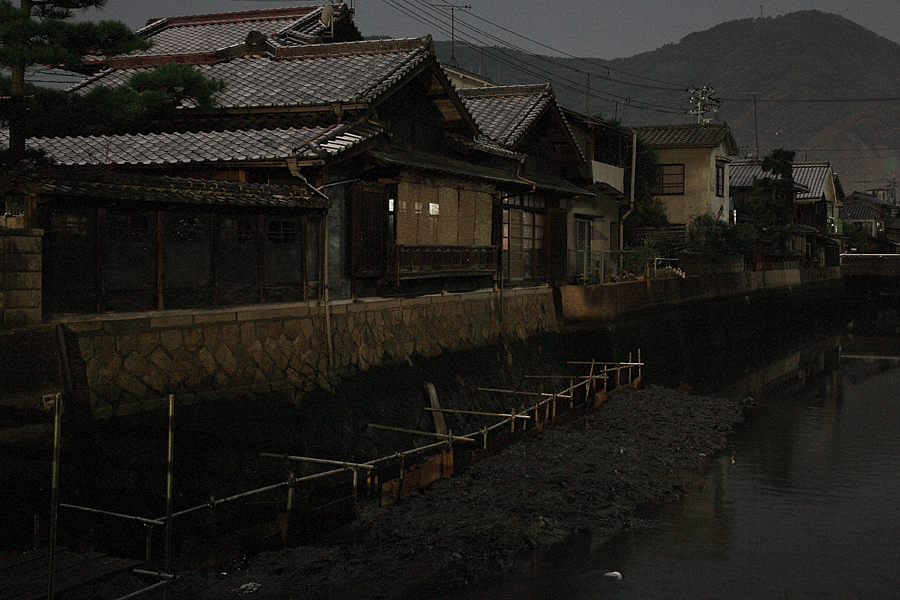
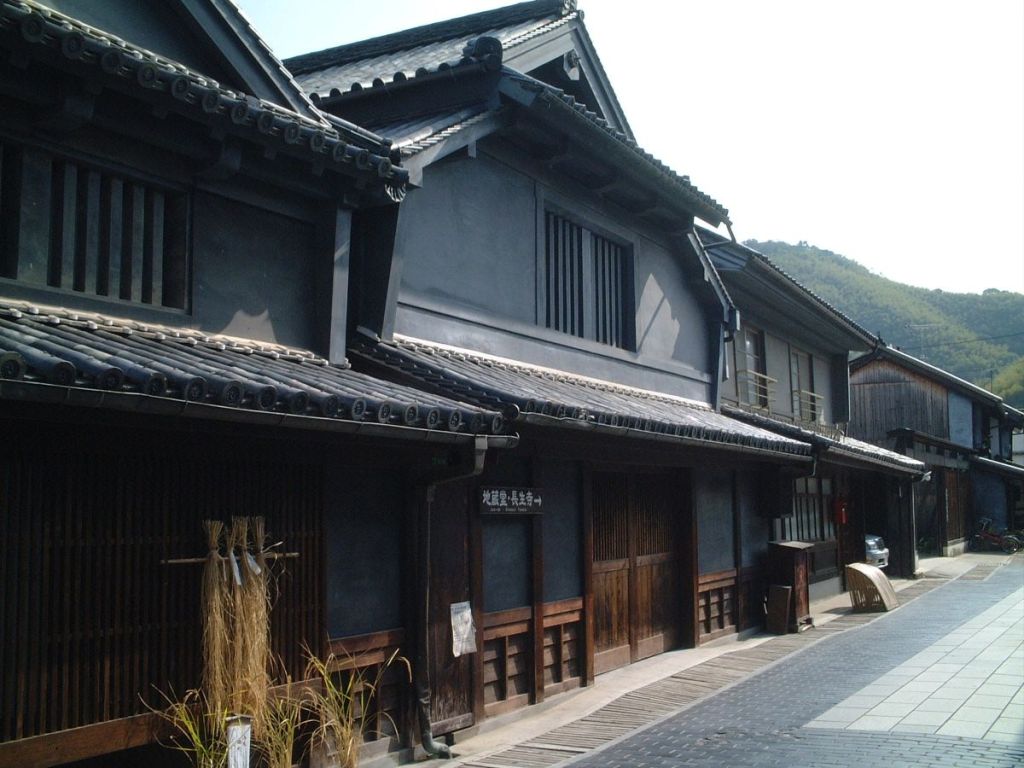
The old merchant quarter
The preserved district has rows of machiya houses, sake breweries and shops along a stream, with the white walls and wooden lattices of the Edo merchant style. Several houses are open, and the streets are quiet on weekdays. It is the main reason to come.
The sake breweries
The town brewed sake for the nearby port and the islands, and a few breweries still operate, with cedar balls at the door and tasting rooms in season. The water and the rice of the region are the basis, and the local sake is soft and dry. Some offer tours by appointment.
The Taketsuru house
The family house of Masataka Taketsuru, the founder of Nikka whisky, is preserved as a small museum, with the rooms, the garden and the story of his time in Scotland. It is the most specific sight in the town and gives it a place in modern Japanese history. Check the opening days.
The bamboo workshops
Takehara has a bamboo craft tradition, and the workshops in the hills make baskets, lamps and furniture from the local bamboo. Some accept visitors, and the bamboo museum explains the material and the techniques. It is the craft side of the town.
The port and the Seto coast
The town’s port faces the Seto Inland Sea, with ferries to the islands and a working quay, and the road along the coast passes small harbours and beaches. The seafood restaurants at the port serve the local catch. The light in the late afternoon is the best.
The temples and the hills
The town has several temples with old trees and stone steps, and the hills behind are covered in bamboo and cedar. The walks up give views over the roofs to the sea. They are quiet and free, and they are a good break from the streets.
The local food
The town is known for its sake and its seafood, and the restaurants serve the fish of the Seto with the local vegetables. The sweets shops sell the traditional confections of the merchant town. The food is plain and cheap, and the portions are generous.
Food and drink
- Sake from the town’s breweries is the local drink, sold at the breweries and the shops.
- Seafood from the Seto Inland Sea is served at the port restaurants.
- The local vegetables and the salted fish are the everyday food of the town.
- The sweets shops sell the confections of the merchant era.
- Bamboo shoots and the local rice appear in the set meals in spring.
Getting there and around
- Takehara is on the JR Kure line, about thirty minutes from Mihara and an hour and a half from Hiroshima.
- The station is a twenty-minute walk from the old town, or a short bus ride.
- The expressway interchange is close, and a car is convenient for the coast and the workshops.
- Ferries from the port reach the islands of the Seto Inland Sea.
- Hiroshima airport is about an hour by car.
Where to stay
- A few small inns and guesthouses operate in the old town.
- Mihara and Hiroshima have the larger hotels and are within easy reach.
- The coast has a handful of inns with sea views.
- Book ahead in spring and autumn, when the town is at its best.
Best time to visit
- Spring is mild, with the streets at their best and the bamboo shoots in season.
- Summer is hot and humid, with the coast at its busiest.
- Autumn is clear and cool, the best season for the town and the port.
- Winter is cold and quiet, with the breweries at work and few visitors.
Practical tips
- Several houses and museums close on weekdays; check before planning the day.
- The old town is small; allow two or three hours to walk it slowly.
- The Taketsuru house has limited hours and a small admission fee.
- The breweries need appointments for tours, and the tasting rooms are seasonal.
- A car is useful for the bamboo workshops and the coast.
- Combine the visit with Mihara and the ferry to the islands.
Suggested day-trip outline
- Morning: the old merchant quarter and the open houses.
- Late morning: the sake breweries and the Taketsuru house.
- Lunch: seafood at the port.
- Afternoon: the bamboo workshop or the museum.
- Late afternoon: the coast road and the temples.
- Evening: back to Hiroshima or Mihara.
Before you go
Timetables, fares, admission fees, and seasonal access rules can change. Check the official tourism and transport sites linked below for the latest information before you travel.
Explore More of Japan
Published guides that pair with this one:
- Fukuyama Travel Guide: A Castle Town on the Sanyo Road
- Takahashi Travel Guide: Raikyu-ji Garden and the Bitchu Castle Town
- Hiroshima City Museum of Contemporary Art Travel Guide: Highlights, Access, and Planning
- Uradome Coast Guide: Tottori’s Rocky Ria Shoreline
- Hiroshima Peace Memorial Travel Guide: The Park, the Dome, and the Museum
Browse every Chugoku guide on this site for the rest of the region.
Sources
- city.takehara.lg.jp (checked 2026-11-06)
- hiroshima-navi.or.jp (checked 2026-11-06)


Leave a Reply