A practical English guide to Takahashi in Okayama: the Raikyu-ji garden, the Bitchu Matsuyama castle town, the Takahashi river and access by the Hakubi line.
Operational details such as opening hours, admission fees, and train times can change. Prefer official pages and reconfirm before you travel (sources checked on 06 November 2026).
Why visit
- Takahashi is a small city in the mountains of western Okayama, on the upper Takahashi river, and it was the castle town of the Bitchu Matsuyama domain. The castle itself, on a ridge above the town, is the highest in Japan, and it has its own article on this site; the town below is the part most visitors miss.
- The best reason to stop is the Raikyu-ji, a Zen temple with a garden attributed to Kobori Enshu, the tea master and garden designer of the early Edo period. The garden is small, composed and quiet, with a pond, rocks and clipped shrubs, and it is one of the finest in the region. The temple also has a tea house and a hall with painted screens.
- The town keeps the shape of a castle town, with the samurai and merchant districts on either side of the river, old houses, a few temples and a street of shops that still serves the local population. It is not a restored attraction, and the ordinary life of the place is part of its appeal.
- The setting is the third reason: the river runs through the middle, the mountains rise on both sides, and the castle sits on the ridge above. In autumn the valley is full of colour, and in winter the castle appears above the mist. It is a good day out from Okayama or Kurashiki, and it takes very little planning.
Top places and highlights
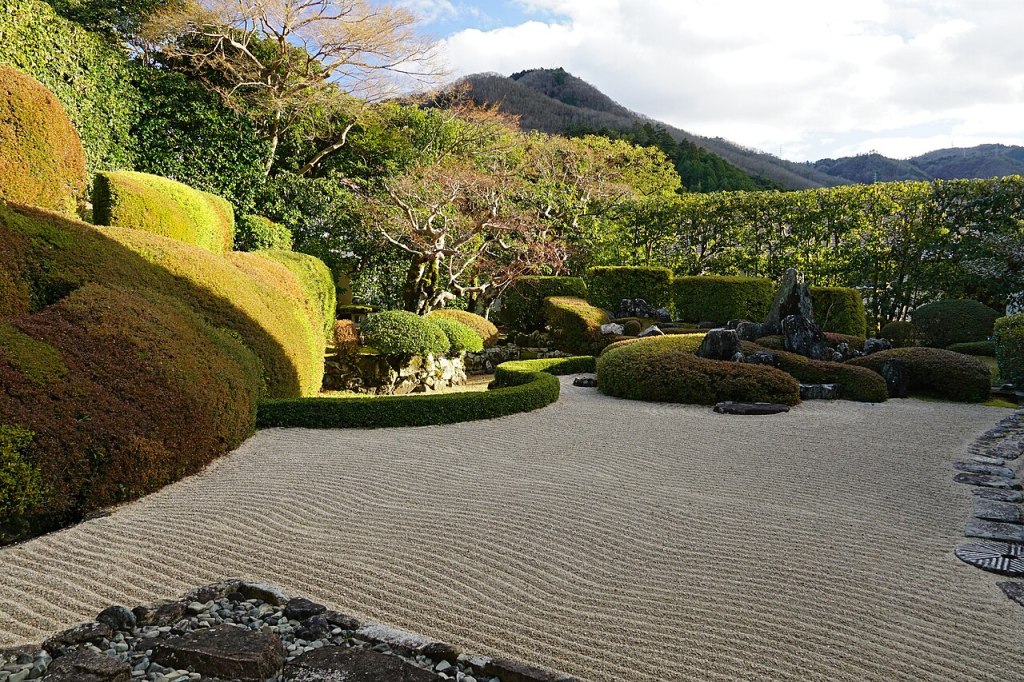
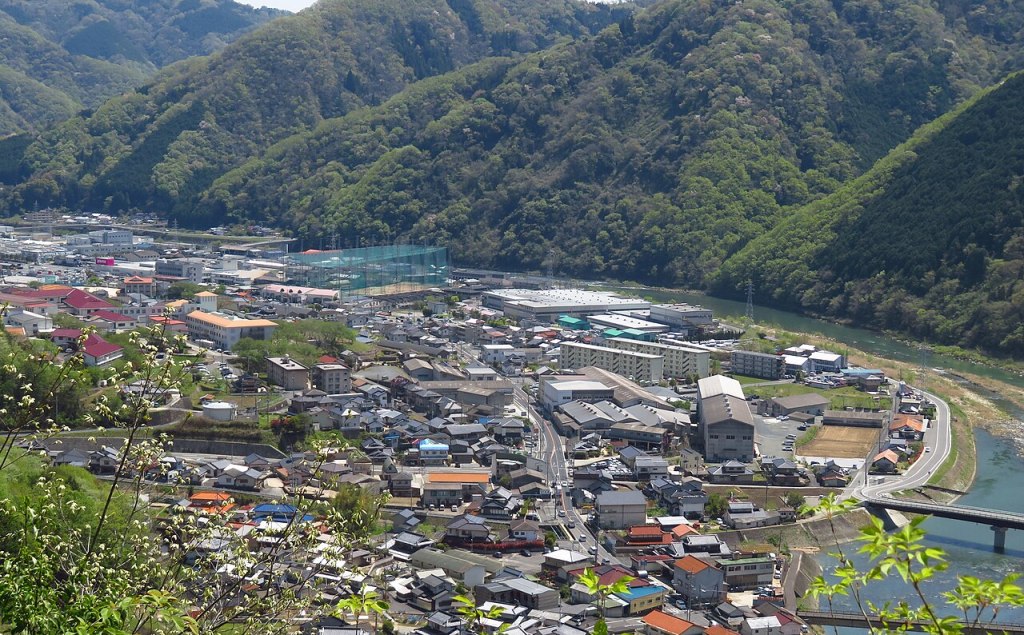
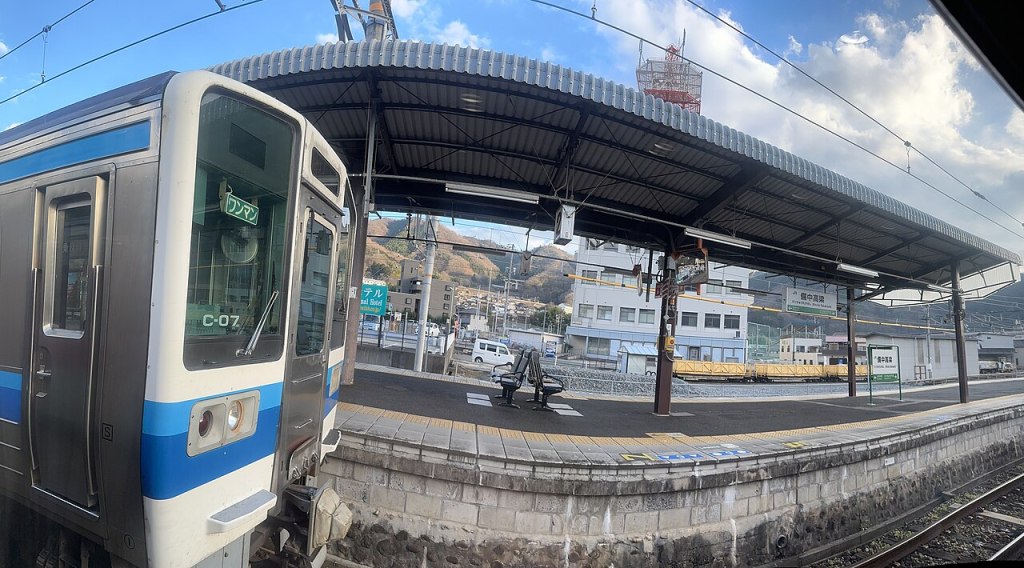
Raikyu-ji
The temple is a short walk from the town centre, and its garden is the main sight: a pond garden with a stone lantern, clipped hedges and a borrowed view of the hills, laid out in the Enshu style. The hall has sliding screens and a tea room, and the atmosphere is quiet. Allow forty minutes.
The castle town streets
The old merchant and samurai quarters have white walls, wooden gates and narrow lanes, with a few preserved houses and temples. It is a lived-in district rather than a museum, and the walk along the river and up to the castle path is the way to see it. The Bitchu-Takahashi station area has the shops.
The Takahashi river
The river runs through the town with weirs, stone banks and a few bridges, and the walk along it gives the best views of the castle ridge. In summer the water is used for ayu fishing, and in autumn the banks are lined with colour. It is the spine of the town.
The approach to Bitchu Matsuyama castle
The castle is on the ridge above the town, reached by a long path up through the trees or by a taxi to the upper car park. It is the highest castle in Japan, and the view over the town and the valley is the reward. The walk up is steep and takes about an hour.
The old temples
The town has several temples with old trees and quiet grounds, including the ones along the castle path. They are small and free, and they give the walk a rhythm. Some have stone monuments and graves of the domain’s retainers.
The local food
The town is known for peaches and grapes in summer, and for the local sake and soba. The restaurants are few and plain, serving set meals and noodles to the people who live here. The morning market near the station sells vegetables and pickles.
The valley views
The roads and the railway follow the river through a deep valley, with the mountains on both sides and the castle ridge in the middle. The train ride from Okayama is scenic, especially in autumn. It is a good place to see rural Japan without a car.
Food and drink
- Peaches and grapes from the surrounding orchards are the summer fruit.
- Soba and udon are the standard lunch, served in plain shops near the station.
- The local sake is soft and dry, sold at the shops in the old streets.
- The morning market sells vegetables, pickles and prepared food.
- Bitchu ramen and the local set meals are cheap and filling.
Getting there and around
- Takahashi is on the JR Hakubi line, about fifty minutes from Okayama station.
- The station is central, and the temple and the old streets are a short walk away.
- The castle path starts from the town and takes about an hour on foot.
- Buses run to the castle car park but the service is limited.
- A car is useful for the valley and the orchards, but the town itself is walkable.
Where to stay
- A few small inns and guesthouses operate near the station and the old streets.
- Okayama and Kurashiki have the larger hotels and are within an hour.
- The castle area has a simple lodge for walkers.
- Book ahead in autumn, when the valley is popular for colour.
Best time to visit
- Spring is mild, with blossom along the river and the castle ridge.
- Summer is hot and humid, with peaches and grapes at their best.
- Autumn is the best season, with colour on the mountains and clear air.
- Winter is cold, with mist in the valley and the castle above it.
Practical tips
- The Raikyu-ji garden is small; combine it with the old streets rather than making it the whole day.
- The castle climb is steep and takes an hour; wear proper shoes.
- The restaurants close early and are few, so eat lunch on time.
- The town is quiet on weekdays and almost empty in winter.
- Cash is needed at the temples and the small shops.
- The train ride from Okayama is scenic; sit on the river side.
Suggested day-trip outline
- Morning: the train from Okayama and a walk to Raikyu-ji.
- Late morning: the old streets and the riverside.
- Lunch: soba near the station.
- Afternoon: the climb to Bitchu Matsuyama castle.
- Late afternoon: the view from the ridge and the walk down.
- Evening: the train back to Okayama or Kurashiki.
Before you go
Timetables, fares, admission fees, and seasonal access rules can change. Check the official tourism and transport sites linked below for the latest information before you travel.
Explore More of Japan
Published guides that pair with this one:
- Okayama Korakuen Travel Guide: A Garden Beside the Castle
- Okayama City Travel Guide: Momotaro, the Crow Castle and Barazushi
- Bitchu-Matsuyama Castle Travel Guide: The Mountain Keep above Takahashi
- Fukuyama Travel Guide: A Castle Town on the Sanyo Road
- Hiruzen Highland Travel Guide: Okayama’s Plateau of Grass and Dairy
Browse every Chugoku guide on this site for the rest of the region.
Sources
- city.takahashi.lg.jp (checked 2026-11-06)
- okayama-kanko.jp (checked 2026-11-06)


Leave a Reply