A practical English guide to Fukuyama in Hiroshima: the castle and its rose park, the museum, the coast towards Tomonoura, local sake and access by shinkansen.
Operational details such as opening hours, admission fees, and train times can change. Prefer official pages and reconfirm before you travel (sources checked on 06 November 2026).
Why visit
- Fukuyama is a city of about 460,000 people on the Sanyo road between Okayama and Hiroshima, and it is one of those places that travellers pass through without stopping. It has a castle, a good museum, a rose park and a coast with one of the best-preserved harbour towns in western Japan, and it makes a comfortable base for the eastern end of the Seto Inland Sea.
- The castle stands beside the station, rebuilt in concrete after the war but with its original gate and a corner turret surviving, and the park around it is planted with roses. The combination is unusual: a castle, a rose garden and a shinkansen station within five minutes of each other.
- The city’s more interesting history is in the museum and in the coast. Fukuyama was a castle town of the Mizuno and then the Abe clan, and the Fukuyama Museum of Art and the city museum hold the local collections. Tomonoura, on the coast to the south, is a harbour that has changed little since the Edo period and is now one of the most atmospheric places on the Seto coast.
- Fukuyama is also a working industrial city, with shipyards and steel, and the mixture of old harbour and modern industry is part of its character. For a traveller it is a convenient, uncrowded stop with good rail links and a genuinely interesting coast nearby.
Top places and highlights
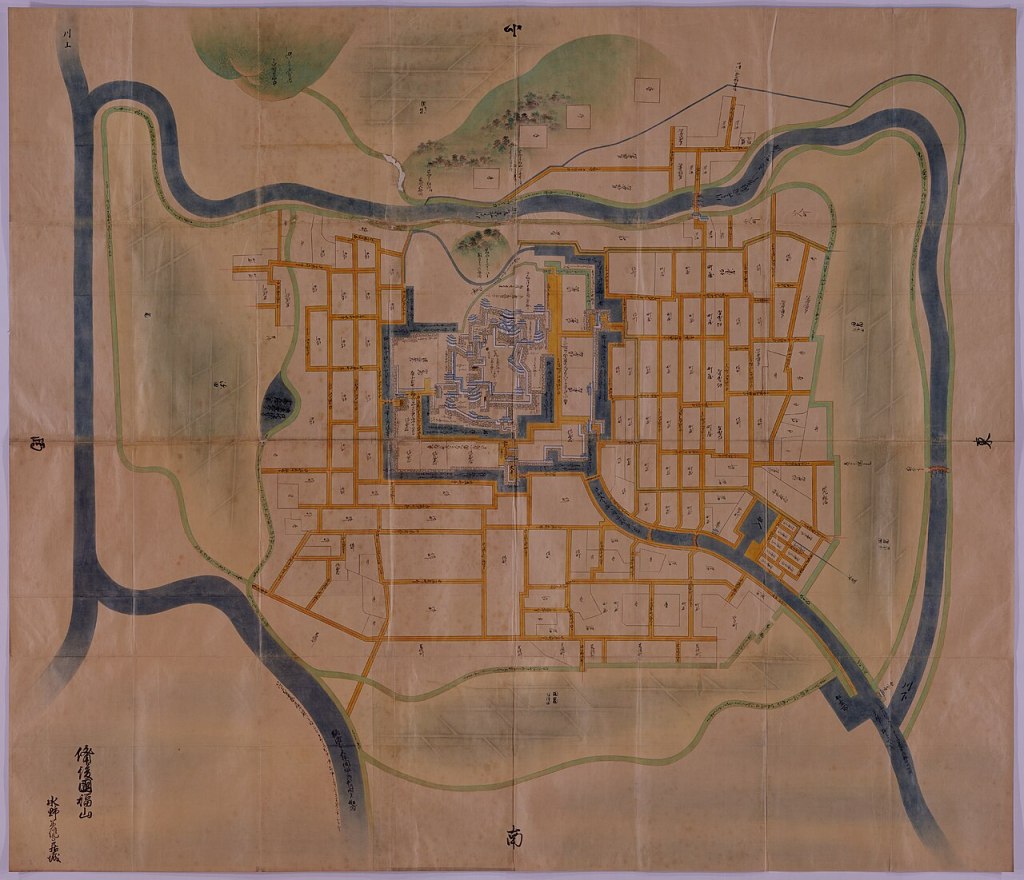
Fukuyama Castle
The castle stands immediately north of the station, rebuilt in concrete in the 1960s but with the original Fushimi turret and the main gate surviving. The keep has a museum inside and a view over the city from the top. It is small and quick to visit, and the position beside the platform makes it unusually convenient.
The rose park
The park around the castle is planted with roses, which flower in spring and again in autumn, and the city holds a rose festival in May. It is a municipal park rather than a garden, free and open, and the combination of roses and castle walls is the city’s signature image. The peak bloom is short, so check the season.
The Fukuyama Museum of Art
The museum holds a collection of Japanese and Western art, with a focus on the region and on the artists connected to it. It is a calm, well-organised municipal museum, and it is a good way to spend an hour out of the heat. Check the closed days, which follow the usual Monday pattern.
Tomonoura
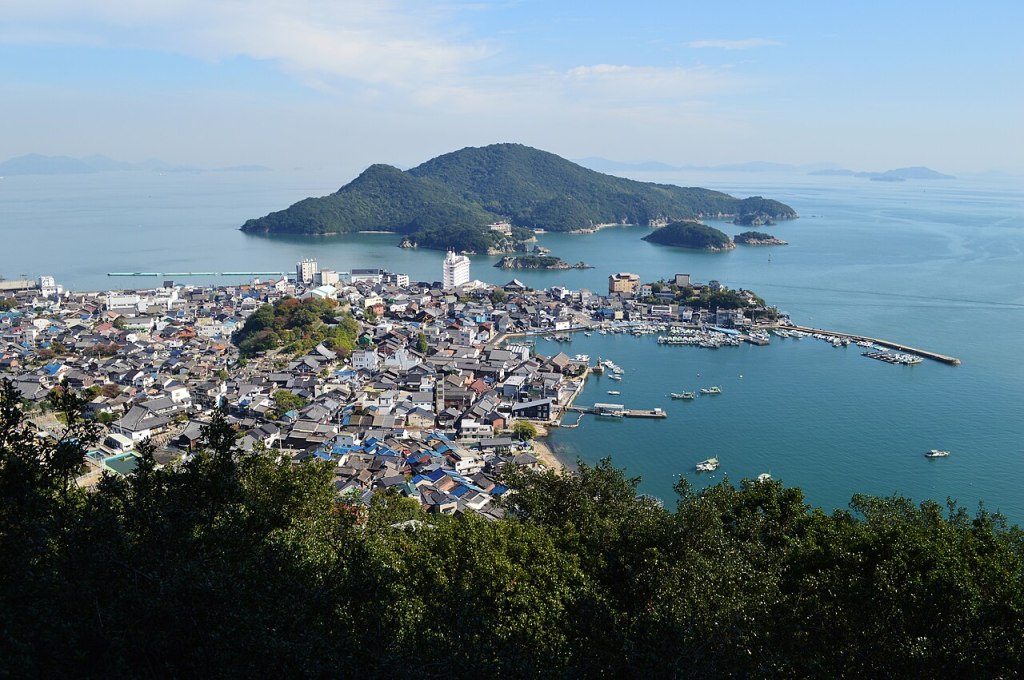
The old harbour town south of Fukuyama is the most atmospheric place in the area, with a bay full of islands, stone steps down to the water, old houses and a temple above the roofs. It has been a port since antiquity and a film location many times over. It is a 30-minute bus ride from the city, and it deserves half a day.
The coast and the islands
The coast south of the city looks across the Seto Inland Sea to a scatter of islands, and the road along it passes small ports and fishing villages. The light in the afternoon is good on the water, and the ferries to the islands leave from several points. It is a landscape of bridges, ships and hills, which is what the Seto coast is.
The local sake
Fukuyama and the surrounding area have several breweries, and the local sake is sold in the shops and served in the restaurants. Hiroshima sake tends to be soft and fruity, and the local breweries follow that style. A visit to a brewery needs planning, but the bottles are easy to find.
The station area
The shinkansen station is the centre of the city’s commerce, with department stores, restaurants and hotels within a few minutes’ walk. It is not beautiful, but it is convenient, and the covered arcades lead from the station into the older shopping streets. The evening food streets are small and good.
Food and drink
- The Seto Inland Sea gives the local seafood: oysters in season, sea bream, octopus and small fish.
- Fukuyama is known for its ramen and for a local okonomiyaki style, both cheap and filling.
- The coast around Tomonoura serves seafood in old houses overlooking the bay.
- Local sake from Hiroshima breweries is widely available and reasonably priced.
- The arcades near the station have old sweet shops and a good morning market.
Getting there and around
- Fukuyama Station is on the Sanyo Shinkansen, about an hour from Okayama and twenty-five minutes from Hiroshima.
- The castle is a five-minute walk from the station’s north exit.
- Tomonoura is reached by bus from the station, about thirty minutes, or by car.
- Local trains run along the coast to Onomichi and beyond, with views of the sea in places.
- A car is the best way to see the coast and the smaller ports, but the city itself is walkable.
Where to stay
- Business hotels around the station are the practical choice, and there are several within a few minutes’ walk.
- Tomonoura has a few small inns in old buildings, which are worth booking for the atmosphere.
- Onomichi, twenty minutes away, has more accommodation and a comparable coast.
- Hiroshima and Okayama are both within an hour if you want a larger base.
Best time to visit
- Spring brings the roses into bloom and mild weather.
- Summer is hot and humid, with the sea at its busiest.
- Autumn has a second rose bloom and clear, dry weather, the best season for Tomonoura.
- Winter is mild and quiet, with oysters in season and fewer visitors.
Practical tips
- The castle museum is small; allow an hour rather than a morning.
- Rose season is short, so check the bloom before planning a trip around it.
- Tomonoura deserves more time than the guidebooks suggest; the back lanes are the best part.
- Buses to Tomonoura are infrequent, so check the return times.
- The arcades near the station are the place to eat in the evening.
- Fukuyama is a good stop between Okayama and Hiroshima rather than a destination in itself.
Suggested day-trip outline
- Morning: arrive at Fukuyama and walk to the castle.
- Mid-morning: the castle keep and the rose park.
- Late morning: the Fukuyama Museum of Art.
- Lunch: ramen or okonomiyaki near the station.
- Afternoon: bus to Tomonoura and the harbour walk.
- Evening: back to Fukuyama for dinner, then the shinkansen onwards.
Before you go
Timetables, fares, admission fees, and seasonal access rules can change. Check the official tourism and transport sites linked below for the latest information before you travel.
Explore More of Japan
Published guides that pair with this one:
- Hiroshima Castle Travel Guide: The Carp Castle and Its Grounds
- Hiroshima City Museum of Contemporary Art Travel Guide: Highlights, Access, and Planning
- Uradome Coast Guide: Tottori’s Rocky Ria Shoreline
- Bitchu-Matsuyama Castle Travel Guide: The Mountain Keep above Takahashi
- Hiroshima Peace Memorial Travel Guide: The Park, the Dome, and the Museum
Browse every Chugoku guide on this site for the rest of the region.
Sources
- city.fukuyama.hiroshima.jp (checked 2026-11-06)
- fukuyama-kanko.com (checked 2026-11-06)


Leave a Reply