A practical English guide to Togakushi in Nagano: the cedar avenue to the Okusha shrine, the Kagami-ike pond, the ninja museum and the local soba.
Operational details such as opening hours, admission fees, and train times can change. Prefer official pages and reconfirm before you travel (sources checked on 06 November 2026).
Why visit
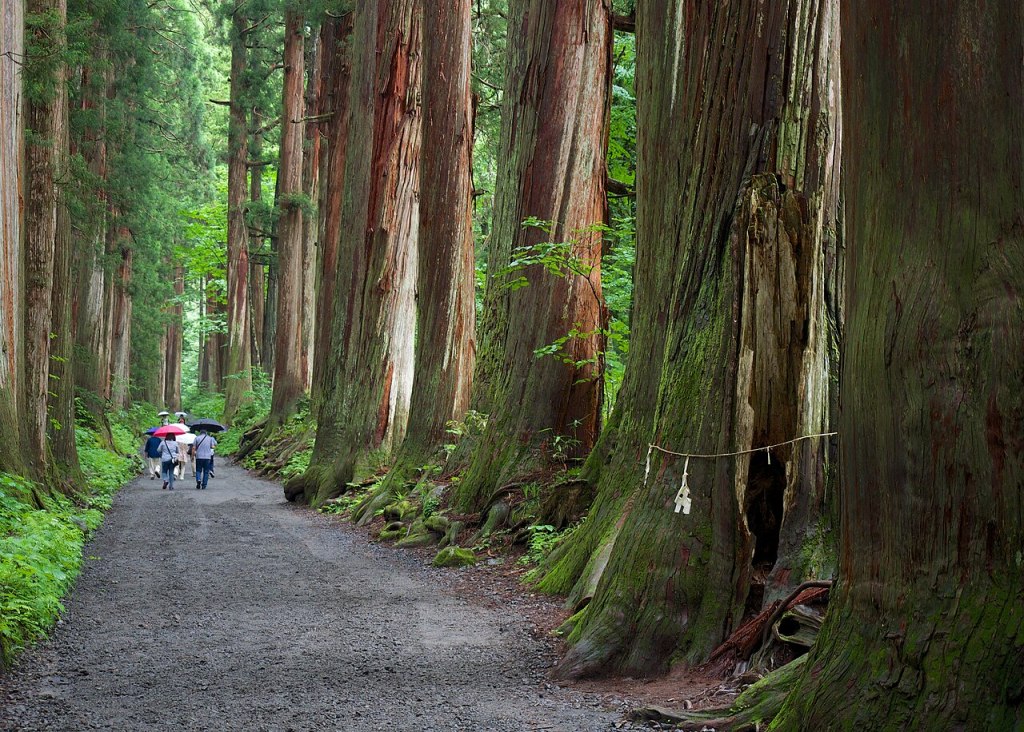
- Togakushi is a mountain village in the hills north-west of Nagano city, and it is one of the great forest shrines of Japan. The approach to the Okusha, the inner shrine, runs along a straight avenue of cedars planted in the seventeenth century, with the trees tall and close together and the path dim even at midday, and the walk up the stone stair at the end is the experience people come for.
- The shrine complex is in three parts: the Hokusha at the foot, the Chusha in the middle and the Okusha at the top, each with its own history and its own path. The Okusha is the most impressive, with the cedar avenue, the stair and the rock face where the deity is said to have been hidden. It is a working shrine and a place of pilgrimage.
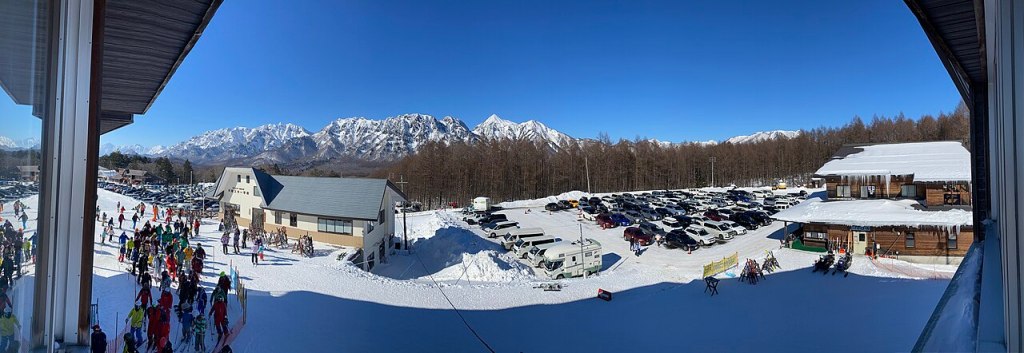
- The second attraction is the landscape. The village sits in a basin below the Togakushi mountains, with the Kagami-ike pond reflecting the peaks, the ski slopes in winter and the forest walks in summer. It is cool in summer and snowbound in winter, and it is an easy escape from the heat of the city.
- The third is the food and the folklore. Togakushi is famous for its soba, made with local buckwheat and served in the village’s many shops, and for the ninja tradition: the Togakushi school of ninjutsu is said to have been founded here, and the village has a ninja museum and a kids’ park. The combination of a serious shrine and a ninja theme is odd but genuine.
Top places and highlights
The Okusha cedar avenue
The avenue runs for about five hundred metres between two rows of huge cedars, with the path straight and the light dim, and it ends at a stone stair up to the shrine. It was planted in the Edo period and it is the single best reason to come. The walk is flat until the stair.
The Okusha shrine
The shrine sits at the top of the stair against a rock face, with the hall built into the slope and a small waterfall nearby. It is the inner shrine of the complex, and the atmosphere is quiet and old. The stair is steep and can be icy in winter.
The Chusha and the Hokusha
The middle and lower shrines are closer to the village, with their own approaches and a more open setting. The Chusha has a large torii and a market street of soba shops, and the Hokusha is the oldest of the three. They are easy to combine with the Okusha walk.
Kagami-ike
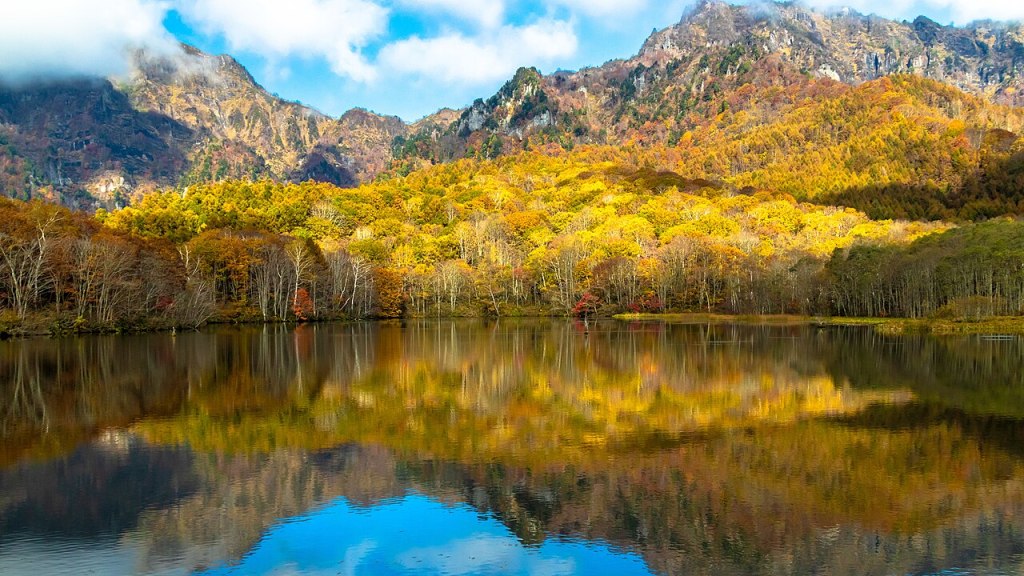
The pond reflects the Togakushi mountains when the water is still, and the surrounding trees make it a favourite of photographers in autumn. It is a short drive or a walk from the village. The reflection is best in the early morning and in the calm of autumn.
The soba
The village is known for its buckwheat, and the shops along the approach serve soba in the traditional style, often in a set with the local vegetables. The portions are generous and the prices are reasonable. The shops are busiest at lunch in the autumn season.
The ninja museum
The Togakushi ninja tradition is presented in a small museum and a park with obstacle courses and demonstrations, aimed at families. It is playful rather than scholarly, but it explains the local legend and gives children something to do. It is a short drive from the shrine.
The forest walks
The mountains above the village have trails through beech and cedar, with the summit of Mount Togakushi and the surrounding peaks within a day’s walk. The paths are quiet and well marked in summer, and the ridge views are good. Winter brings skiing and snowshoeing.
Food and drink
- Soba made with the local buckwheat is the village’s speciality, served in the shops along the approach.
- The mountain vegetables and the local mushrooms appear in the set meals.
- The shrine shops sell the traditional sweets and the local sake.
- The ninja park and the village cafes serve simple meals for families.
- The nearby Nagano city has the wider choice of restaurants and the local Shinshu sake.
Getting there and around
- Togakushi is about an hour by bus from Nagano station, with a change at the Togakushi exit.
- The bus runs through the village to the Okusha car park, and the service is limited in winter.
- A car is the practical way to reach the three shrines, the pond and the ninja park.
- The Nagano shinkansen station is the arrival point from Tokyo, about an hour and a half.
- The road up from Nagano city is scenic and climbs through forest.
Where to stay
- The village has minshuku and small inns, some with meals and baths.
- The ski lodges operate in winter around the slopes.
- Nagano city has the larger hotels and is an hour away.
- Book ahead in the autumn colour season and in winter weekends.
Best time to visit
- Spring is late, with snow on the mountains into April.
- Summer is cool and green, the best season for the walks and the shrine.
- Autumn is the colour season, from late October, and the busiest.
- Winter is deep snow, with skiing and the cedar avenue under snow.
Practical tips
- The Okusha stair is steep and icy in winter; wear proper shoes and check the conditions.
- The buses are infrequent; check the return times before the last one.
- The cedar avenue is a shrine approach; keep quiet and do not block the path.
- The soba shops close early in the afternoon.
- The ninja museum and the pond need a car or a long walk.
- Bring cash for the shrine shops and the village restaurants.
Suggested day-trip outline
- Morning: the bus from Nagano to the Okusha car park.
- Mid-morning: the cedar avenue and the stair to the Okusha.
- Late morning: the Chusha and the soba shops.
- Lunch: soba in the village.
- Afternoon: the Kagami-ike pond and the ninja museum.
- Evening: back to Nagano, or a night in the village.
Before you go
Timetables, fares, admission fees, and seasonal access rules can change. Check the official tourism and transport sites linked below for the latest information before you travel.
Explore More of Japan
Published guides that pair with this one:
- Azumino Travel Guide: Wasabi Fields, Mountain Water and Cycling
- Suwa Travel Guide: Suwa Taisha, the Lake and Kamisuwa Onsen
- Hakusan and Shirayama Hime Shrine Guide: Ishikawa’s Sacred Mountain
- Karuizawa Guide: Highland Walks, Old Ginza and Shiraito Falls
- Jigokudani Snow Monkey Park Travel Guide
Browse every Chubu guide on this site for the rest of the region.
Sources
- city.nagano.nagano.jp (checked 2026-11-06)
- go-nagano.net (checked 2026-11-06)


Leave a Reply