A practical English guide to Kichijoji in Tokyo: Inokashira park and its zoo, the Harmonica Alley drinking lanes, the shopping streets and access from Shinjuku.
Operational details such as opening hours, admission fees, and train times can change. Prefer official pages and reconfirm before you travel (sources checked on 06 November 2026).
Why visit
- Kichijoji is a district in western Tokyo, about fifteen minutes from Shinjuku, and it consistently tops the city’s surveys of desirable neighbourhoods. It is not a sightseeing district: it is a place where people live, shop and drink, with a large park, a dense set of small streets and a food scene that is better than its fame suggests.
- The park is the anchor. Inokashira Onshi Park has a long pond, a wooded island, a zoo and a small aquarium, and it is one of the oldest parks in Tokyo, given to the city in the early twentieth century. In spring the cherry trees along the water are among the best in the city, and the boat rental and the paths are busy all year.
- The second attraction is the drinking quarter. Harmonica Alley is a narrow lane of tiny bars and restaurants beside the station, with room for a few seats each, and it is where the district goes after work. It is not a tourist attraction, but the atmosphere is genuine, and the shops in the surrounding streets are equally good.
- The third is the shopping. The Sunroad arcade runs from the station with food shops, bookstores and cheap restaurants, and the back streets have the kind of independent shops that have disappeared from central Tokyo. The Ghibli Museum is a short bus ride away in Mitaka, which makes the area a natural base for a day.
Top places and highlights
Inokashira Park
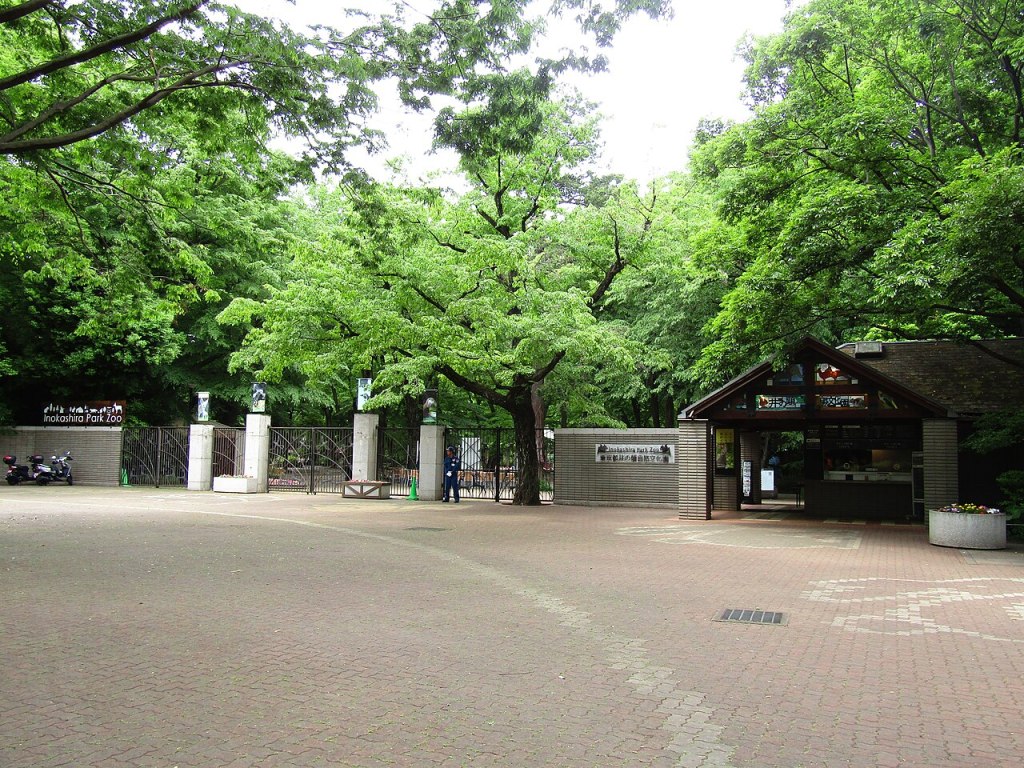
The park has a long pond with a wooded island and a shrine, a zoo, an aquarium and a small art museum, and it is free to enter. The blossom in spring is one of the best shows in Tokyo, and the boats on the water are a local ritual. It is a ten-minute walk from the station.
Harmonica Alley
The lane of tiny bars and eateries beside the north exit is the district’s drinking quarter, with a few seats per shop and a low roof. It is lively from the evening, and the mix of locals and visitors is part of the charm. It is narrow and crowded on weekends.
The Sunroad arcade
The covered shopping street runs from the station with food stalls, cheap restaurants, bookshops and the everyday shops of the district. It is busy at lunch and after work, and it is the place to eat cheaply. The side streets have the better restaurants.
The zoo and the aquarium
The small zoo and aquarium inside the park are aimed at families, with a manageable size and low admission, and they are a good break from the city. The zoo has a sculpture garden and a small farm area. They are closed on some weekdays.
The back streets
The streets west and north of the station have independent shops, bakeries, coffee roasters and the sort of small restaurants that fill up with regulars. They are the reason the district is popular with people who live there. Walking them without a plan is the best approach.
The Ghibli Museum
The museum in Mitaka is a short bus ride from Kichijoji, with the building designed by Miyazaki and a collection of animation material and short films. Tickets must be bought in advance for a specific time, and they sell out. It is the main sight in the area for many visitors.
The food
The district has a strong food scene: ramen, yakitori, curry, bakeries and coffee, at prices that reflect a residential area rather than a tourist one. The Harmonica Alley bars serve small plates with the drinks. The queues at the popular shops are normal.
Food and drink
- The arcade has cheap restaurants, food stalls and the everyday shops of the district.
- Harmonica Alley serves small plates and drinks in bars with a handful of seats.
- The back streets have bakeries, coffee roasters and independent restaurants.
- Ramen and curry are the local staples, with several well-known shops.
- The park has a few cafes, and the department store food hall is good for a picnic.
Getting there and around
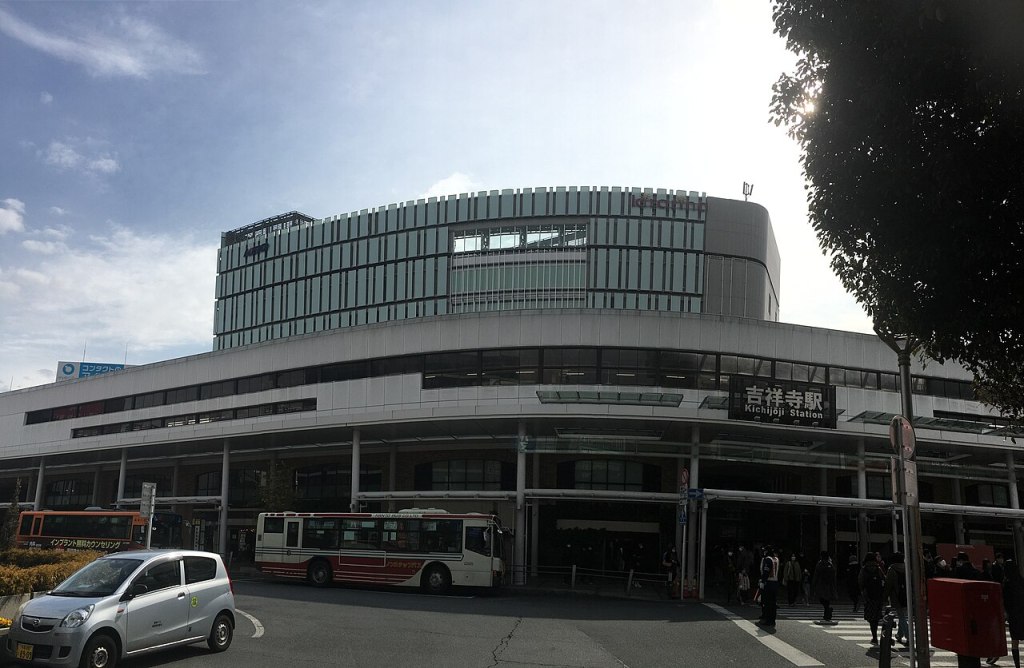
- Kichijoji is on the JR Chuo line, about fifteen minutes from Shinjuku and thirty from Tokyo station.
- The Keio Inokashira line also runs from Shibuya and connects at Kichijoji.
- The park is a ten-minute walk from the station along the shopping street.
- The Ghibli Museum is a bus ride from the station, with a community bus service.
- The district is compact, and the main streets are walkable.
Where to stay
- Business hotels cluster around the station and the park.
- The area is a residential district, so the hotels are smaller and cheaper than central Tokyo.
- Shinjuku and Shibuya are a short train ride away for a wider choice.
- Book ahead in the blossom season, when the park is at its busiest.
Best time to visit
- Spring is the blossom season, with the park at its best in early April.
- Summer is hot and humid, and the park and the lanes are busy in the evening.
- Autumn is clear and cool, the best season for the park and the streets.
- Winter is cold and quiet, with the lanes still lively at night.
Practical tips
- The park is free, but the zoo and aquarium charge and close on some weekdays.
- Harmonica Alley is narrow; go early or on a weekday evening.
- Ghibli Museum tickets must be bought in advance and sell out quickly.
- The Chuo line is crowded at rush hour; travel mid-morning if you can.
- The arcade is the place for a cheap lunch, the back streets for dinner.
- The district is residential, so keep the noise down at night.
Suggested day-trip outline
- Morning: the park, the pond and the shrine on the island.
- Late morning: the zoo, or the art museum in the park.
- Lunch: the Sunroad arcade.
- Afternoon: the Ghibli Museum in Mitaka, or the back streets.
- Late afternoon: the park again for the light on the water.
- Evening: Harmonica Alley for a drink and a small plate.
Before you go
Timetables, fares, admission fees, and seasonal access rules can change. Check the official tourism and transport sites linked below for the latest information before you travel.
Explore More of Japan
Published guides that pair with this one:
- Ikebukuro Travel Guide: The Other Big Tokyo Station District
- Tokyo Travel Guide: Neighborhoods, Transport and a First-Timer’s Plan
- Shinjuku Travel Guide: Shinjuku Gyoen, Kabukicho and the Old Lanes
- Shibuya Travel Guide: SHIBUYA SKY, Scramble Crossing & Things to Do in Tokyo
- Yokosuka Travel Guide: The Battleship Mikasa, Sarushima and Navy Curry
Browse every Kanto guide on this site for the rest of the region.
Sources
- city.musashino.lg.jp (checked 2026-11-06)
- gotokyo.org (checked 2026-11-06)


Leave a Reply