A practical English guide to Hanyu in Saitama: the ancient tomb, the river country and access from Tokyo and Kumagaya.
Operational details such as opening hours, admission fees, and train times can change. Prefer official pages and reconfirm before you travel (sources checked on 07 November 2026).
Why visit
- Hanyu is a city in northern Saitama, on the plain between the Tone and Arakawa rivers, and it is one of the quieter places in the Kanto region. Its centre is a practical grid of shops and stations, with the wide river country beyond.
- The city is known for its ancient tombs. The Bishamonyama tomb is a large keyhole-shaped mound in a wooded park, one of a group in the area that dates from the early centuries of the Yamato state, and it is a good place to see the scale of these monuments without crowds.
- Hanyu is on the Tobu Isesaki line and the Chichibu line, close to Kumagaya and within reach of Tokyo, and it makes a low-key stop for anyone interested in early Japanese history.
Top places and highlights
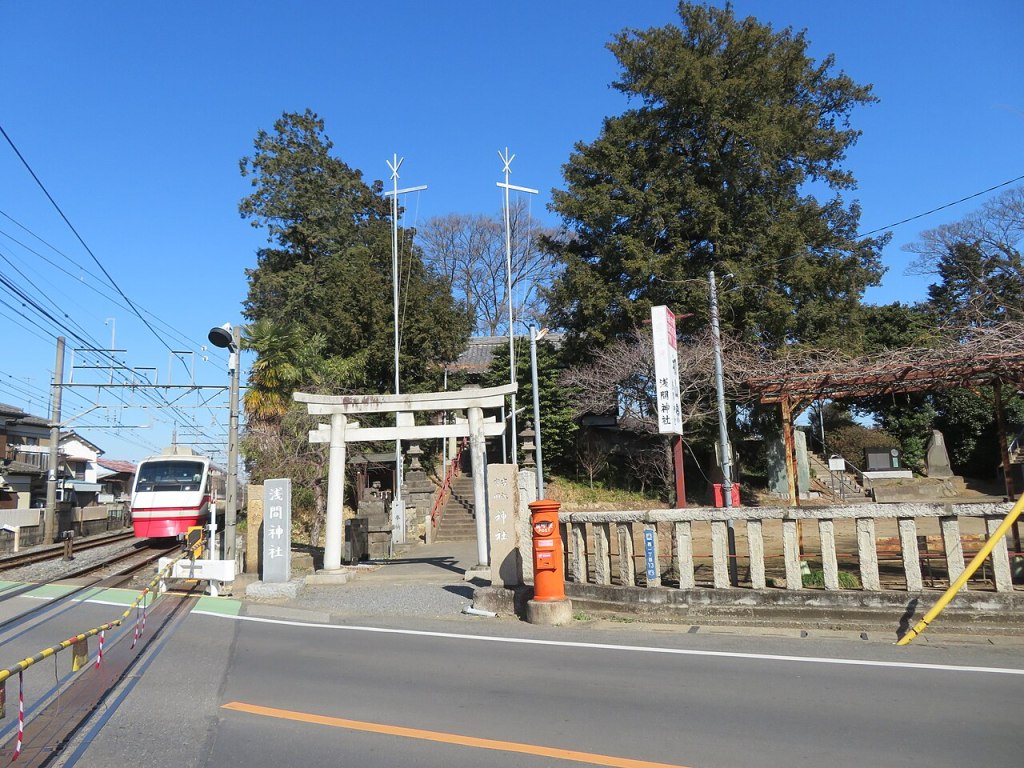
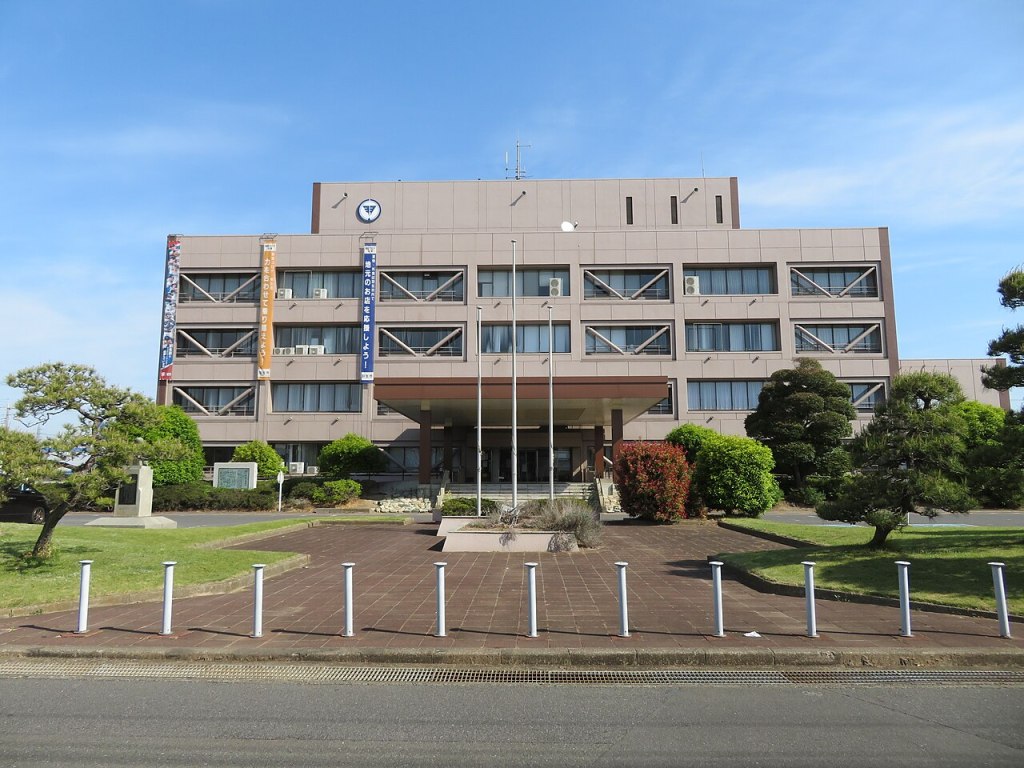
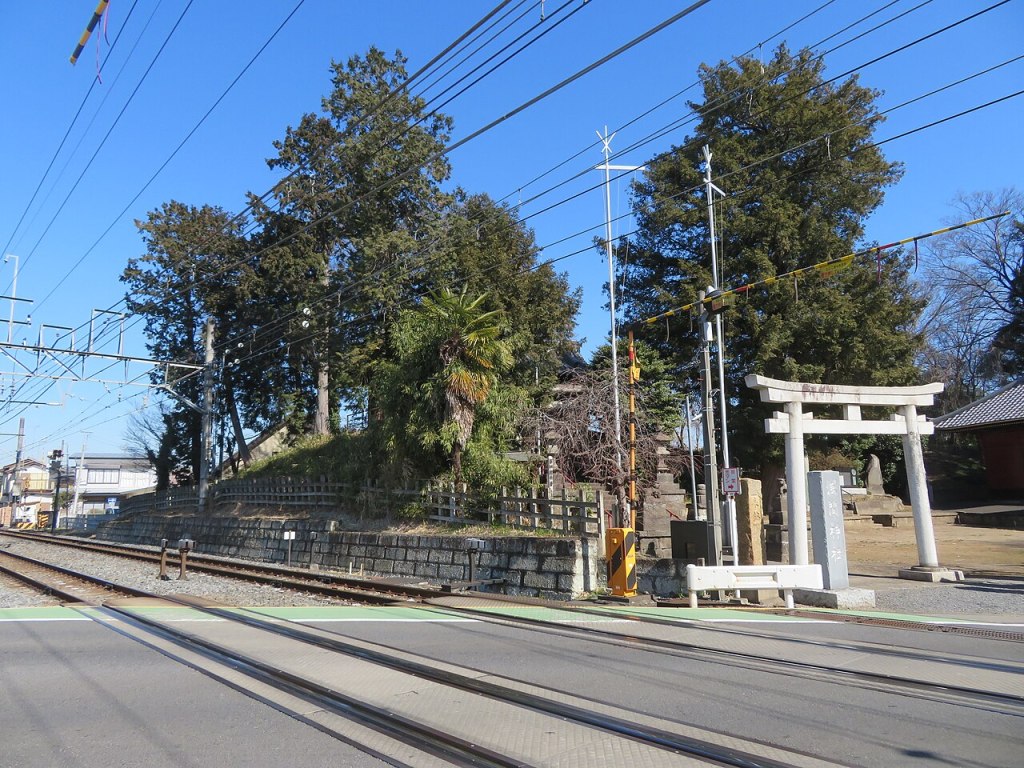
Bishamonyama tomb
A large keyhole-shaped mound in a wooded park, with paths around it.
River country
The Tone and Arakawa plains, with wide skies and quiet roads.
Town centre
A practical centre of shops and stations in northern Saitama.
Local temples
Small temples and shrines around the older parts of the city.
Food and drink
- S
- a
- i
- t
- a
- m
- a
- f
- o
- o
- d
- i
- s
- p
- l
- a
- i
- n
- a
- n
- d
- g
- o
- o
- d
- :
- u
- d
- o
- n
- ,
- s
- o
- b
- a
- ,
- r
- i
- c
- e
- a
- n
- d
- v
- e
- g
- e
- t
- a
- b
- l
- e
- s
- ,
- w
- i
- t
- h
- e
- e
- l
- a
- n
- d
- p
- o
- r
- k
- .
- H
- a
- n
- y
- u
- h
- a
- s
- c
- a
- f
- e
- s
- a
- n
- d
- s
- m
- a
- l
- l
- r
- e
- s
- t
- a
- u
- r
- a
- n
- t
- s
- n
- e
- a
- r
- t
- h
- e
- s
- t
- a
- t
- i
- o
- n
- s
- ,
- a
- n
- d
- t
- h
- e
- s
- h
- o
- p
- s
- s
- e
- l
- l
- l
- o
- c
- a
- l
- s
- w
- e
- e
- t
- s
- .
Getting there and around
- H
- a
- n
- y
- u
- i
- s
- o
- n
- t
- h
- e
- T
- o
- b
- u
- I
- s
- e
- s
- a
- k
- i
- l
- i
- n
- e
- a
- n
- d
- t
- h
- e
- C
- h
- i
- c
- h
- i
- b
- u
- l
- i
- n
- e
- ,
- a
- r
- o
- u
- n
- d
- a
- n
- h
- o
- u
- r
- a
- n
- d
- a
- h
- a
- l
- f
- f
- r
- o
- m
- T
- o
- k
- y
- o
- a
- n
- d
- t
- w
- e
- n
- t
- y
- m
- i
- n
- u
- t
- e
- s
- f
- r
- o
- m
- K
- u
- m
- a
- g
- a
- y
- a
- ,
- a
- n
- d
- i
- s
- r
- e
- a
- c
- h
- e
- d
- b
- y
- r
- o
- a
- d
- o
- n
- r
- o
- u
- t
- e
- 1
- 2
- 2
- .
- T
- h
- e
- c
- e
- n
- t
- r
- e
- i
- s
- w
- a
- l
- k
- a
- b
- l
- e
- f
- r
- o
- m
- H
- a
- n
- y
- u
- s
- t
- a
- t
- i
- o
- n
- ,
- b
- u
- t
- t
- h
- e
- t
- o
- m
- b
- s
- n
- e
- e
- d
- a
- b
- u
- s
- ,
- t
- a
- x
- i
- o
- r
- b
- i
- c
- y
- c
- l
- e
- .
Where to stay
- A
- c
- c
- o
- m
- m
- o
- d
- a
- t
- i
- o
- n
- i
- s
- l
- i
- m
- i
- t
- e
- d
- t
- o
- b
- u
- s
- i
- n
- e
- s
- s
- h
- o
- t
- e
- l
- s
- a
- n
- d
- s
- m
- a
- l
- l
- i
- n
- n
- s
- ,
- w
- i
- t
- h
- f
- a
- r
- m
- o
- r
- e
- c
- h
- o
- i
- c
- e
- i
- n
- K
- u
- m
- a
- g
- a
- y
- a
- a
- n
- d
- T
- o
- k
- y
- o
- .
- M
- o
- s
- t
- v
- i
- s
- i
- t
- o
- r
- s
- c
- o
- m
- e
- a
- s
- a
- d
- a
- y
- t
- r
- i
- p
- .
Best time to visit
- S
- p
- r
- i
- n
- g
- a
- n
- d
- a
- u
- t
- u
- m
- n
- a
- r
- e
- t
- h
- e
- b
- e
- s
- t
- s
- e
- a
- s
- o
- n
- s
- f
- o
- r
- w
- a
- l
- k
- i
- n
- g
- .
- S
- u
- m
- m
- e
- r
- i
- s
- h
- o
- t
- a
- n
- d
- h
- u
- m
- i
- d
- .
- W
- i
- n
- t
- e
- r
- i
- s
- c
- o
- l
- d
- a
- n
- d
- d
- r
- y
- ,
- w
- i
- t
- h
- c
- l
- e
- a
- r
- d
- a
- y
- s
- .
Practical tips
- The tombs are in parks; follow the paths and signs.
- Some museums close on Mondays.
- The city is flat but spread out; a bicycle helps.
Suggested day-trip outline
- Morning: train from Tokyo or Kumagaya.
- Late morning: the Bishamonyama tomb and the park.
- Lunch: a cafe near the station.
- Afternoon: the town centre and the temples.
- Late afternoon: a ride or walk along the river.
- Evening: back to Tokyo or Kumagaya.
Before you go
Timetables, fares, admission fees, and seasonal access rules can change. Check the official tourism and transport sites linked below for the latest information before you travel.
Explore More of Japan
Published guides that pair with this one:
- Gyoda Travel Guide: Oshi Castle and Saitama’s Sock Town
- Sakura Travel Guide: A Castle Town in Chiba
- Nagatoro Guide: The Arakawa River and Saitama’s Stone Town
- Ashikaga Travel Guide: Japan’s Oldest School and Wisteria
- Hayama Travel Guide: The Quiet Coast of Kanagawa
Browse every Kanto guide on this site for the rest of the region.
Sources
- city.hanyu.lg.jp (checked 2026-11-07)
- pref.saitama.lg.jp (checked 2026-11-07)


Leave a Reply