A practical English guide to Sakura in Chiba: the castle site, the samurai streets, the national history museum and access from Tokyo.
Operational details such as opening hours, admission fees, and train times can change. Prefer official pages and reconfirm before you travel (sources checked on 07 November 2026).
Why visit
- Sakura is a city in northern Chiba, and it was a castle town of the Hotta clan in the Edo period. The castle site is now a park on the bluff above the town, with earthworks, a moat and a view over the roofs, and the streets below keep the shape of the samurai district.
- The city’s other distinction is the National Museum of Japanese History, a large museum on the castle hill that covers the whole of Japanese history with original objects and reconstructions. It is one of the best museums of its kind in the country.
- Sakura is close to Narita airport and within easy reach of Tokyo, which makes it a practical stop for travellers with time between flights, as well as a quiet day out for anyone interested in history.
Top places and highlights
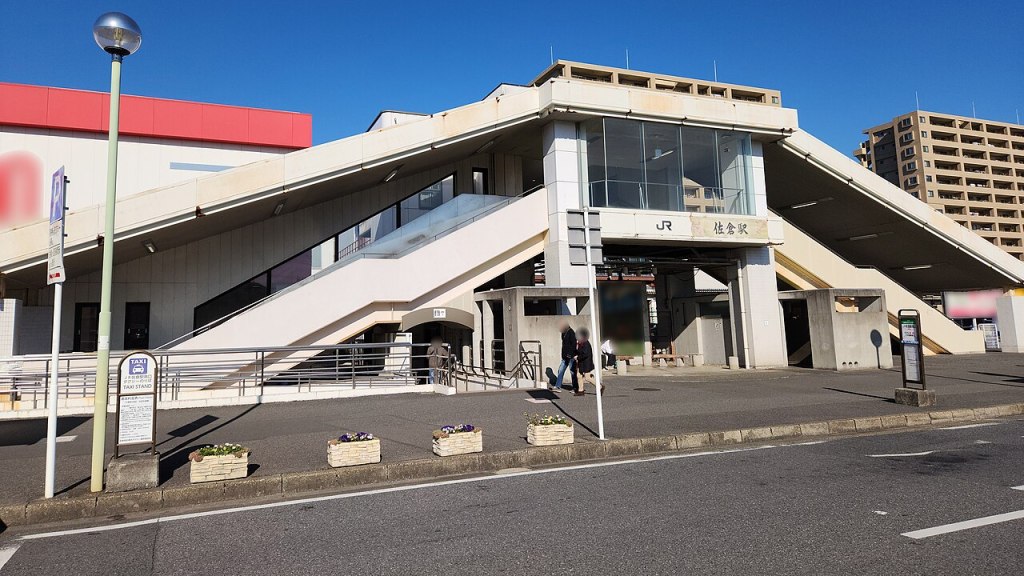
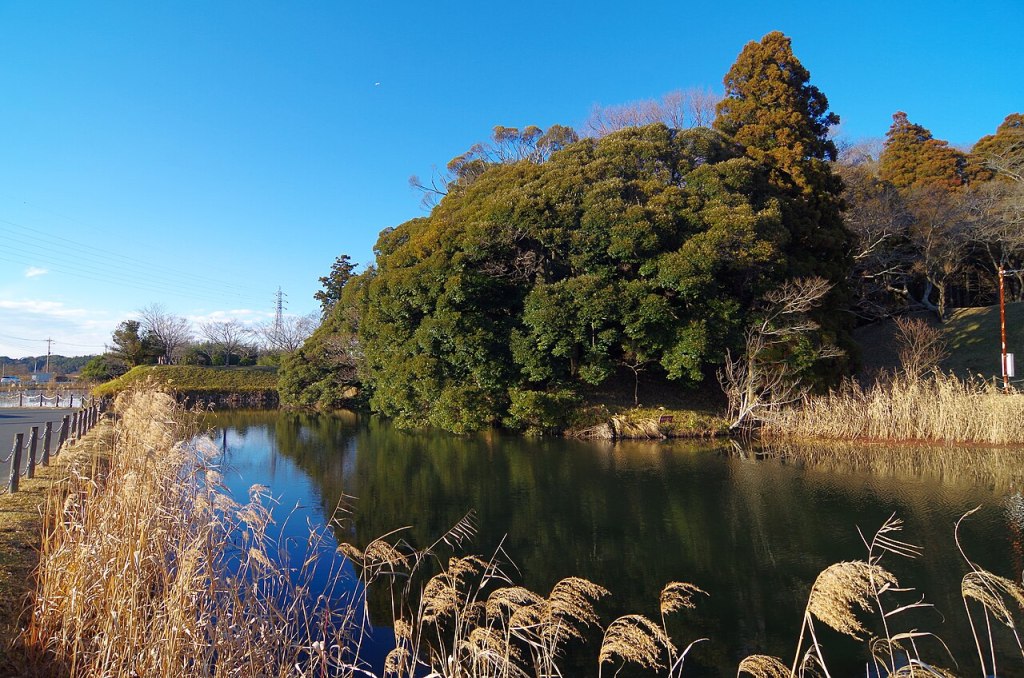
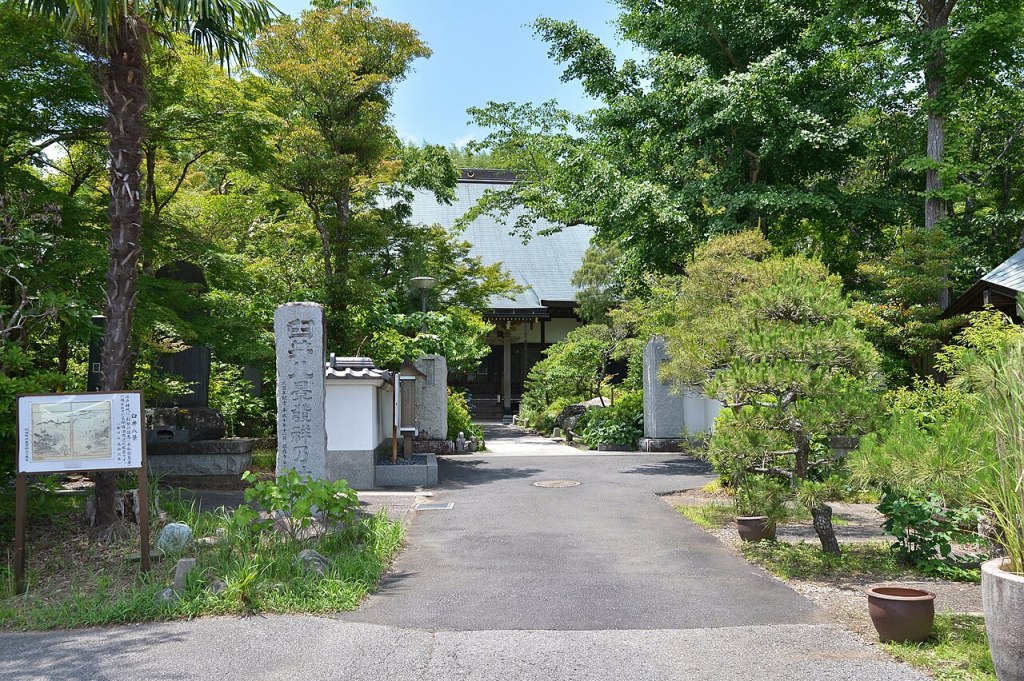
Castle site
Earthworks, moat and park on the bluff above the town.
National Museum of Japanese History
A major museum covering Japanese history with original materials.
Samurai streets
The old district below the castle, with temples and walls.
Temples and gardens
Several old temples and small gardens in the centre.
Food and drink
- C
- h
- i
- b
- a
- f
- o
- o
- d
- i
- n
- c
- l
- u
- d
- e
- s
- s
- e
- a
- f
- o
- o
- d
- f
- r
- o
- m
- t
- h
- e
- c
- o
- a
- s
- t
- ,
- p
- e
- a
- n
- u
- t
- s
- a
- n
- d
- s
- o
- y
- s
- a
- u
- c
- e
- ,
- a
- n
- d
- S
- a
- k
- u
- r
- a
- h
- a
- s
- c
- a
- f
- e
- s
- a
- n
- d
- r
- e
- s
- t
- a
- u
- r
- a
- n
- t
- s
- n
- e
- a
- r
- t
- h
- e
- s
- t
- a
- t
- i
- o
- n
- a
- n
- d
- t
- h
- e
- m
- u
- s
- e
- u
- m
- .
- N
- a
- r
- i
- t
- a
- i
- s
- c
- l
- o
- s
- e
- f
- o
- r
- a
- w
- i
- d
- e
- r
- c
- h
- o
- i
- c
- e
- .
Getting there and around
- S
- a
- k
- u
- r
- a
- i
- s
- o
- n
- t
- h
- e
- S
- o
- b
- u
- m
- a
- i
- n
- l
- i
- n
- e
- a
- n
- d
- t
- h
- e
- K
- e
- i
- s
- e
- i
- l
- i
- n
- e
- ,
- a
- r
- o
- u
- n
- d
- a
- n
- h
- o
- u
- r
- f
- r
- o
- m
- T
- o
- k
- y
- o
- ,
- a
- n
- d
- i
- s
- a
- s
- h
- o
- r
- t
- t
- r
- a
- i
- n
- r
- i
- d
- e
- f
- r
- o
- m
- N
- a
- r
- i
- t
- a
- a
- i
- r
- p
- o
- r
- t
- .
- T
- h
- e
- c
- a
- s
- t
- l
- e
- ,
- m
- u
- s
- e
- u
- m
- a
- n
- d
- o
- l
- d
- s
- t
- r
- e
- e
- t
- s
- a
- r
- e
- w
- a
- l
- k
- a
- b
- l
- e
- f
- r
- o
- m
- K
- e
- i
- s
- e
- i
- –
- S
- a
- k
- u
- r
- a
- o
- r
- S
- a
- k
- u
- r
- a
- s
- t
- a
- t
- i
- o
- n
- .
Where to stay
- A
- c
- c
- o
- m
- m
- o
- d
- a
- t
- i
- o
- n
- i
- s
- m
- o
- s
- t
- l
- y
- b
- u
- s
- i
- n
- e
- s
- s
- h
- o
- t
- e
- l
- s
- a
- n
- d
- s
- m
- a
- l
- l
- i
- n
- n
- s
- ,
- w
- i
- t
- h
- f
- a
- r
- m
- o
- r
- e
- c
- h
- o
- i
- c
- e
- i
- n
- N
- a
- r
- i
- t
- a
- a
- n
- d
- T
- o
- k
- y
- o
- .
- M
- o
- s
- t
- v
- i
- s
- i
- t
- o
- r
- s
- c
- o
- m
- e
- a
- s
- a
- d
- a
- y
- t
- r
- i
- p
- .
Best time to visit
- S
- p
- r
- i
- n
- g
- i
- s
- t
- h
- e
- b
- e
- s
- t
- s
- e
- a
- s
- o
- n
- ,
- w
- i
- t
- h
- t
- h
- e
- c
- a
- s
- t
- l
- e
- p
- a
- r
- k
- ‘
- s
- c
- h
- e
- r
- r
- y
- t
- r
- e
- e
- s
- .
- A
- u
- t
- u
- m
- n
- i
- s
- c
- l
- e
- a
- r
- a
- n
- d
- q
- u
- i
- e
- t
- .
- S
- u
- m
- m
- e
- r
- i
- s
- h
- o
- t
- a
- n
- d
- h
- u
- m
- i
- d
- .
- W
- i
- n
- t
- e
- r
- i
- s
- c
- o
- l
- d
- a
- n
- d
- d
- r
- y
- ,
- w
- i
- t
- h
- c
- l
- e
- a
- r
- v
- i
- e
- w
- s
- .
Practical tips
- The history museum is large; allow at least half a day.
- Some temples are private; check signs before entering.
- Museum opening days change seasonally.
Suggested day-trip outline
- Morning: train from Tokyo to Sakura.
- Late morning: the castle site and the park.
- Lunch: a cafe or restaurant near the station.
- Afternoon: the National Museum of Japanese History.
- Late afternoon: the old samurai streets and temples.
- Evening: back to Tokyo or on to Narita.
Before you go
Timetables, fares, admission fees, and seasonal access rules can change. Check the official tourism and transport sites linked below for the latest information before you travel.
Explore More of Japan
Published guides that pair with this one:
- Ashikaga Travel Guide: Japan’s Oldest School and Wisteria
- Gyoda Travel Guide: Oshi Castle and Saitama’s Sock Town
- Hayama Travel Guide: The Quiet Coast of Kanagawa
- Kiryu Travel Guide: Gunma’s Textile Town
- Minamiboso and Tateyama Travel Guide: The Boso Coast and Its Flowers
Browse every Kanto guide on this site for the rest of the region.
Sources
- city.sakura.lg.jp (checked 2026-11-07)
- pref.chiba.lg.jp (checked 2026-11-07)


Leave a Reply