A practical English guide to Gyoda in Saitama: the Oshi castle ruins, the tabi sock workshops, the ancient lotus and access from Tokyo.
Operational details such as opening hours, admission fees, and train times can change. Prefer official pages and reconfirm before you travel (sources checked on 07 November 2026).
Why visit
- Gyoda is a small city in northern Saitama with two unusual claims on travellers. The first is Oshi Castle, a castle that became famous for surviving a siege by flooding, and whose grounds and stone walls still stand in the middle of town. The second is tabi, the split-toe socks worn with kimono, which the city has made for generations.
- It is a compact place, easy to walk, with a castle park, a museum, workshops and shops selling tabi and other local goods. For anyone interested in Japanese craft or castle history, it makes a rewarding half-day or full day out of Tokyo.
- Gyoda also has a pond of ancient lotus, grown from seeds recovered from archaeological sites, which flowers in summer and draws visitors from across the region.
Top places and highlights
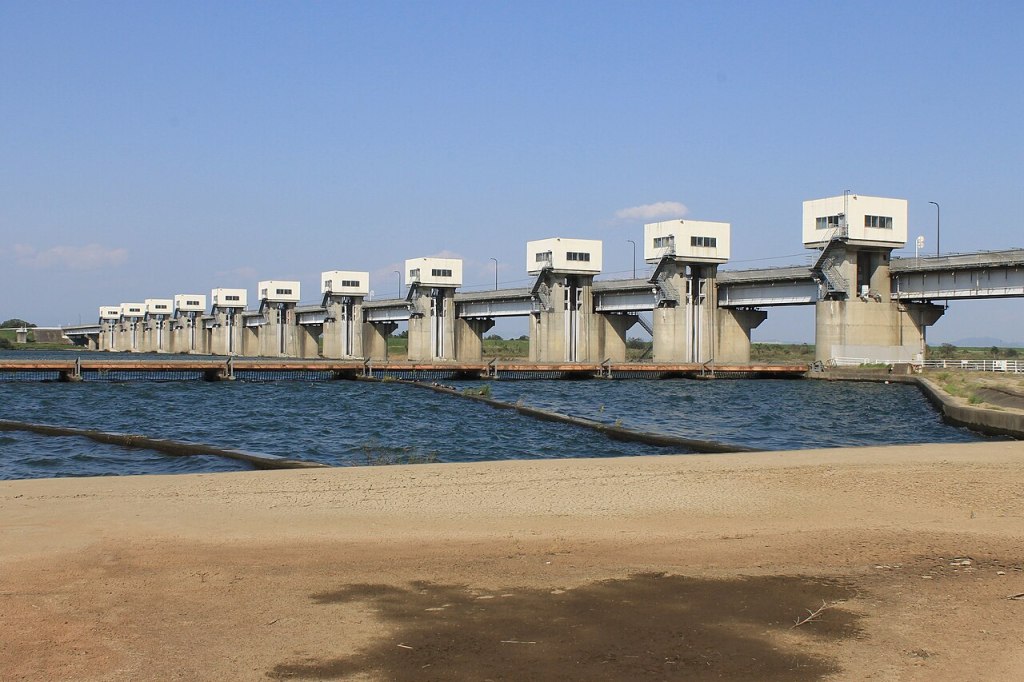
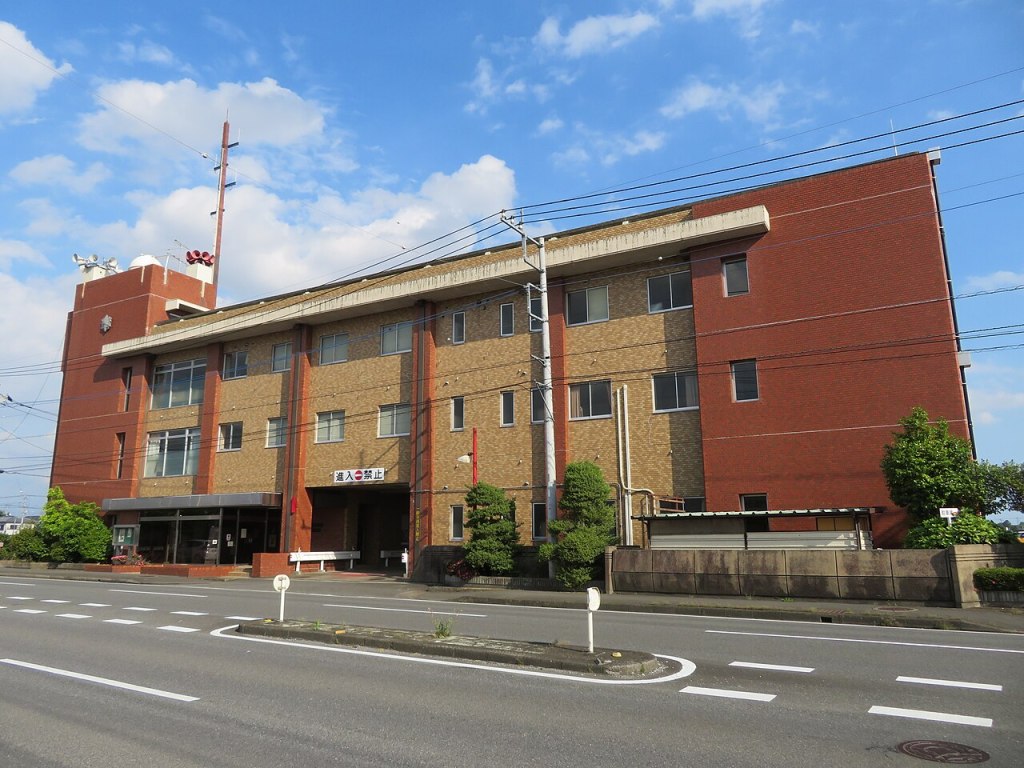
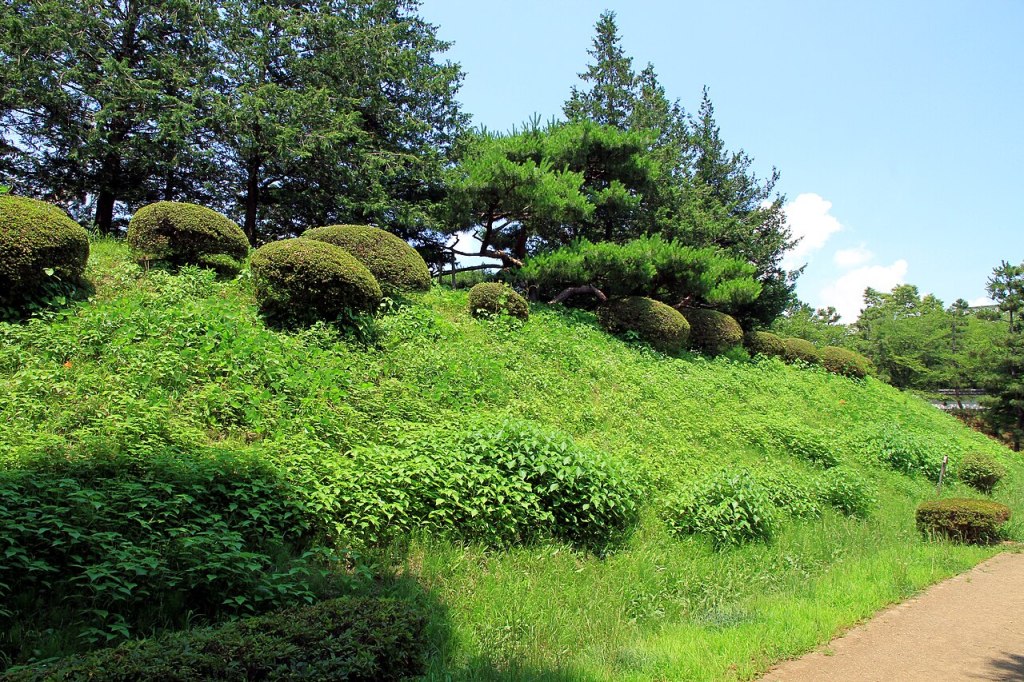
Oshi Castle
The castle ruins and park, with stone walls, a reconstructed keep and a museum.
Tabi workshops
Small makers of split-toe socks, with shops and displays in the city.
Ancient lotus pond
A pond of lotus grown from old seeds, flowering in summer.
Walkable old centre
A compact town centre that is easy to cover on foot.
Food and drink
- S
- a
- i
- t
- a
- m
- a
- f
- o
- o
- d
- i
- s
- p
- l
- a
- i
- n
- a
- n
- d
- l
- o
- c
- a
- l
- :
- u
- d
- o
- n
- ,
- e
- e
- l
- ,
- r
- i
- c
- e
- d
- i
- s
- h
- e
- s
- a
- n
- d
- s
- w
- e
- e
- t
- s
- .
- G
- y
- o
- d
- a
- h
- a
- s
- s
- m
- a
- l
- l
- r
- e
- s
- t
- a
- u
- r
- a
- n
- t
- s
- a
- n
- d
- c
- a
- f
- e
- s
- a
- r
- o
- u
- n
- d
- t
- h
- e
- c
- a
- s
- t
- l
- e
- a
- n
- d
- t
- h
- e
- s
- t
- a
- t
- i
- o
- n
- ,
- w
- i
- t
- h
- m
- o
- r
- e
- c
- h
- o
- i
- c
- e
- i
- n
- K
- u
- m
- a
- g
- a
- y
- a
- n
- e
- a
- r
- b
- y
- .
Getting there and around
- G
- y
- o
- d
- a
- i
- s
- r
- e
- a
- c
- h
- e
- d
- b
- y
- t
- h
- e
- C
- h
- i
- c
- h
- i
- b
- u
- r
- a
- i
- l
- w
- a
- y
- f
- r
- o
- m
- K
- u
- m
- a
- g
- a
- y
- a
- ,
- o
- r
- b
- y
- b
- u
- s
- f
- r
- o
- m
- K
- u
- m
- a
- g
- a
- y
- a
- S
- t
- a
- t
- i
- o
- n
- o
- n
- t
- h
- e
- J
- o
- e
- t
- s
- u
- a
- n
- d
- H
- o
- k
- u
- r
- i
- k
- u
- s
- h
- i
- n
- k
- a
- n
- s
- e
- n
- l
- i
- n
- e
- s
- ,
- a
- r
- o
- u
- n
- d
- a
- n
- h
- o
- u
- r
- f
- r
- o
- m
- T
- o
- k
- y
- o
- .
- T
- h
- e
- c
- a
- s
- t
- l
- e
- a
- n
- d
- t
- h
- e
- t
- o
- w
- n
- c
- e
- n
- t
- r
- e
- a
- r
- e
- w
- a
- l
- k
- a
- b
- l
- e
- f
- r
- o
- m
- G
- y
- o
- d
- a
- S
- t
- a
- t
- i
- o
- n
- .
Where to stay
- A
- c
- c
- o
- m
- m
- o
- d
- a
- t
- i
- o
- n
- i
- s
- l
- i
- m
- i
- t
- e
- d
- ,
- w
- i
- t
- h
- b
- u
- s
- i
- n
- e
- s
- s
- h
- o
- t
- e
- l
- s
- i
- n
- K
- u
- m
- a
- g
- a
- y
- a
- .
- M
- o
- s
- t
- v
- i
- s
- i
- t
- o
- r
- s
- c
- o
- m
- e
- a
- s
- a
- d
- a
- y
- t
- r
- i
- p
- f
- r
- o
- m
- T
- o
- k
- y
- o
- .
Best time to visit
- S
- u
- m
- m
- e
- r
- i
- s
- h
- o
- t
- a
- n
- d
- h
- u
- m
- i
- d
- ,
- b
- u
- t
- i
- t
- i
- s
- t
- h
- e
- s
- e
- a
- s
- o
- n
- f
- o
- r
- t
- h
- e
- l
- o
- t
- u
- s
- p
- o
- n
- d
- .
- S
- p
- r
- i
- n
- g
- a
- n
- d
- a
- u
- t
- u
- m
- n
- a
- r
- e
- t
- h
- e
- m
- o
- s
- t
- c
- o
- m
- f
- o
- r
- t
- a
- b
- l
- e
- .
- W
- i
- n
- t
- e
- r
- i
- s
- d
- r
- y
- a
- n
- d
- c
- o
- l
- d
- ,
- w
- i
- t
- h
- c
- l
- e
- a
- r
- s
- k
- i
- e
- s
- .
Practical tips
- Check opening days for the castle museum and the tabi workshops.
- The lotus flowers in summer, usually in the morning; confirm the season locally.
- Gyoda Station is on a small private line, so check connections at Kumagaya.
Suggested day-trip outline
- Morning: train from Tokyo to Kumagaya, then on to Gyoda.
- Late morning: Oshi Castle and the museum.
- Lunch: a local restaurant near the castle.
- Afternoon: a tabi workshop or shop, then the old centre.
- Late afternoon: the lotus pond in summer, or a walk along the river.
- Evening: back to Tokyo.
Before you go
Timetables, fares, admission fees, and seasonal access rules can change. Check the official tourism and transport sites linked below for the latest information before you travel.
Explore More of Japan
Published guides that pair with this one:
- Kiryu Travel Guide: Gunma’s Textile Town
- Hayama Travel Guide: The Quiet Coast of Kanagawa
- Iwatsuki Doll Town Travel Guide: Saitama Traditional Dolls
- Omiya Bonsai Village Travel Guide: Saitama Bonsai Quarter
- Railway Museum Omiya Travel Guide: Highlights, Access, and Planning
Browse every Kanto guide on this site for the rest of the region.
Sources
- city.gyoda.lg.jp (checked 2026-11-07)
- pref.saitama.lg.jp (checked 2026-11-07)


Leave a Reply