A practical English guide to Hayama in Kanagawa: the coast and the beaches, the Moriyama shrine, the old villas and access from Tokyo and Yokohama.
Operational details such as opening hours, admission fees, and train times can change. Prefer official pages and reconfirm before you travel (sources checked on 07 November 2026).
Why visit
- Hayama is a small town on the coast of Kanagawa, on the Miura peninsula south of Yokohama, and it is one of the quietest and most expensive places in the Tokyo area. It is known for its beach, its shrine on a wooded hill, and for the imperial villa that stands above the bay, and the town has a long history as a retreat for the wealthy and the royal family.
- The coast is the attraction. The beach at Isshiki is a wide curve of sand with a view across the bay to Mount Fuji on clear days, and the town has a path along the shore with the villas and the pine trees. The swimming is good in summer, and the sunset over the bay is the local scene.
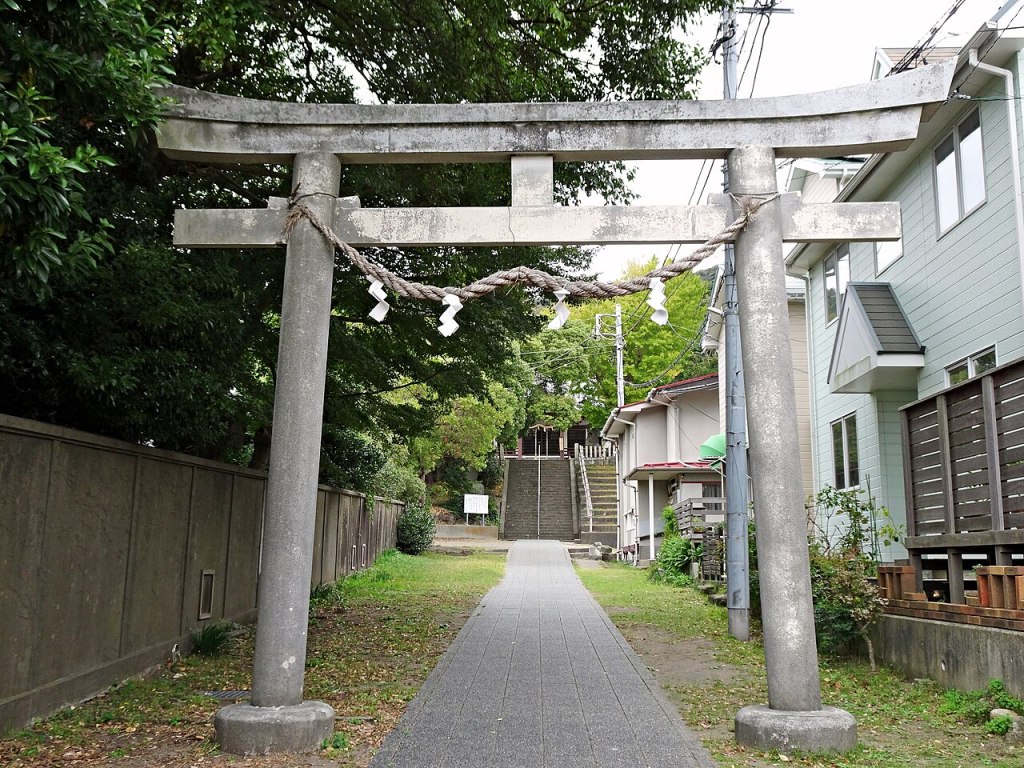
- The second is the shrine. The Moriyama shrine stands on a hill above the coast, with a long avenue of stone steps and trees, and it is the spiritual centre of the town. The walk up is cool and quiet, and the view from the top covers the bay.
- The third is the food and the position. The town has the cafes and the restaurants of a small resort, with the local fish and the vegetables, and it is within an hour of Tokyo and Yokohama. It is a place for a day of walking and eating rather than a checklist of sights.
Top places and highlights
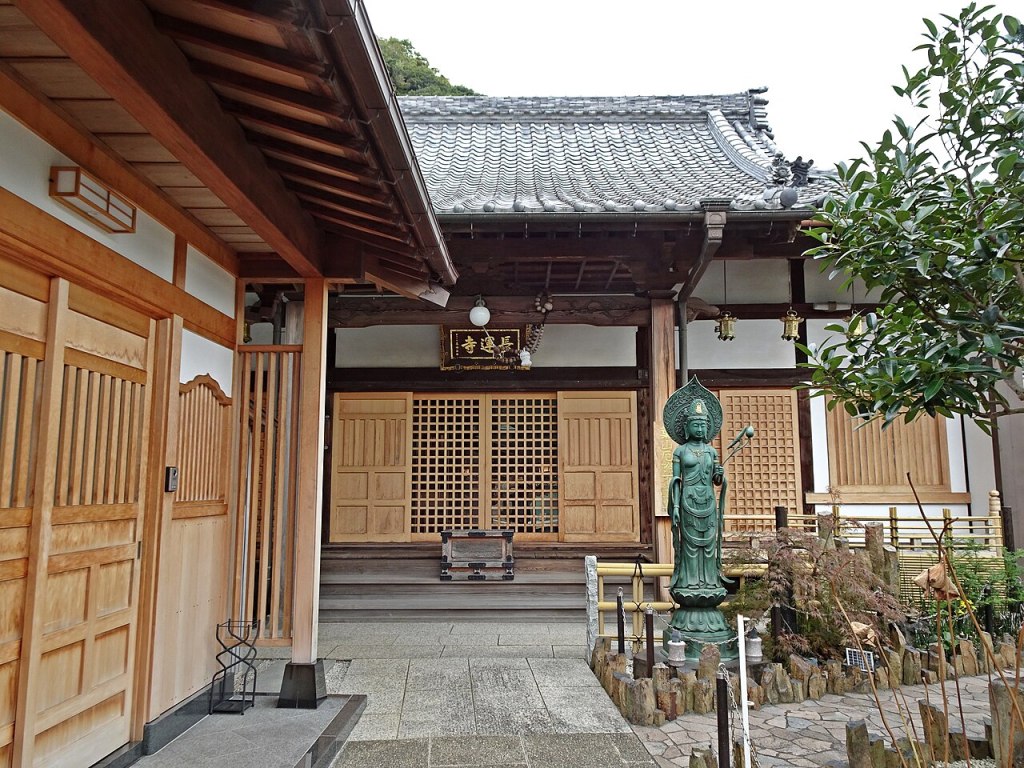
The Isshiki beach
The beach is a wide curve of sand with a view across the bay to Mount Fuji on clear days, and the swimming is good in summer. The path along the shore passes the villas and the pines. The sunset is the local scene.
The Moriyama shrine
The shrine on the hill above the coast has a long avenue of stone steps and trees, and it is the spiritual centre of the town. The walk up is cool and quiet. The view from the top covers the bay.
The imperial villa
The villa above the bay is one of the residences of the imperial family, and it is not open to the public, but the surrounding area and the view are part of the town’s identity. The pine trees and the walls are visible from the road. It is a quiet landmark.
The old villas
The town has a set of old villas and houses from the Meiji and Taisho periods, built by the politicians and the businessmen who used the coast as a retreat, and some are open or converted into cafes. The walk between them is the architectural interest. The gardens are fine.
The coastal path
The path runs along the shore and the low cliffs, with the pine trees, the small coves and the views over the bay, and it connects the beach to the town. The walking is easy. The path is the best way to see the coast.
The temples
The town has a set of old temples in the hills, including the Chounji with its hall and garden, and they are quiet and rarely visited. They are a good break from the beach. The precincts are shaded.
The cafes and the food
The town has the cafes and the restaurants of a small resort, with the local fish, the vegetables and the sweets, and the prices are higher than the city. The food is good and the pace is slow. The bakeries are the local favourites.
Food and drink
- The local fish and the seafood are served in the restaurants near the beach.
- The vegetables and the fruit of the Miura peninsula are the local produce.
- The cafes and the bakeries are good and slow.
- The sweets shops sell the traditional confections of the coast.
- The local beer and the sake of Kanagawa are worth trying.
Getting there and around
- Hayama is on the Keikyu bus from Zushi station, about twenty minutes.
- Zushi is on the JR Yokosuka line and the Keikyu line, about an hour from Tokyo.
- The town is compact and walkable, with the beach and the shrine within reach.
- A car is useful for the coast and the surrounding area, but parking is limited.
- The buses run from Zushi to the beach and the shrine.
Where to stay
- A few small hotels and guesthouses operate near the beach.
- Zushi and Kamakura have the larger choice and are close.
- The town is expensive in summer; book ahead.
- The ryokan and the villas are the traditional accommodation.
Best time to visit
- Spring is mild, with the blossom and the clear views of Fuji.
- Summer is the beach season, with the swimming and the crowds.
- Autumn is clear and cool, the best season for the walks.
- Winter is mild and quiet, with the clearest views across the bay.
Practical tips
- The beach is crowded in summer; go early or on a weekday.
- The shrine steps are steep; wear proper shoes.
- The imperial villa is not open to the public.
- Parking is limited; the bus from Zushi is easier.
- The restaurants are expensive and fill up at lunch.
- Combine the visit with Kamakura and Zushi.
Suggested day-trip outline
- Morning: the train to Zushi and the bus to Hayama.
- Late morning: the beach and the coastal path.
- Lunch: a cafe or a seafood restaurant.
- Afternoon: the Moriyama shrine and the temples.
- Late afternoon: the old villas and the town.
- Evening: back to Tokyo or Yokohama.
Before you go
Timetables, fares, admission fees, and seasonal access rules can change. Check the official tourism and transport sites linked below for the latest information before you travel.
Explore More of Japan
Published guides that pair with this one:
- Miura Peninsula Travel Guide: Jogashima, Misaki Tuna and the Coast
- Kawasaki Travel Guide: The Temple, the River and the Factory Lights
- Minamiboso and Tateyama Travel Guide: The Boso Coast and Its Flowers
- Yokosuka Travel Guide: The Battleship Mikasa, Sarushima and Navy Curry
- Odawara Castle Travel Guide: A Rebuilt Keep on the Hakone Road
Browse every Kanto guide on this site for the rest of the region.
Sources
- town.hayama.lg.jp (checked 2026-11-07)
- gotokyo.org (checked 2026-11-07)


Leave a Reply