A practical English guide to Hikari in Yamaguchi: the Inland Sea coast, the fishing ports, the seafood and access from Hiroshima and Yamaguchi.
Operational details such as opening hours, admission fees, and train times can change. Prefer official pages and reconfirm before you travel (sources checked on 07 November 2026).
Why visit
- Hikari is a small city on the Seto Inland Sea coast of eastern Yamaguchi, between Hiroshima and Yanai. Its name means light, and its coast faces a scatter of islands across one of the calmest stretches of the Inland Sea.
- The city is a collection of fishing ports and farming villages rather than a single centre, with a long shoreline of small harbours, sea walls and hills. It is quiet, and the main pleasures are the water, the seafood and the slow roads along the coast.
- Hikari is on the Sanyo main line, which makes it an easy stop between Hiroshima and Yamaguchi, and it is close to the island ferries and the coastal routes that lead west.
Top places and highlights
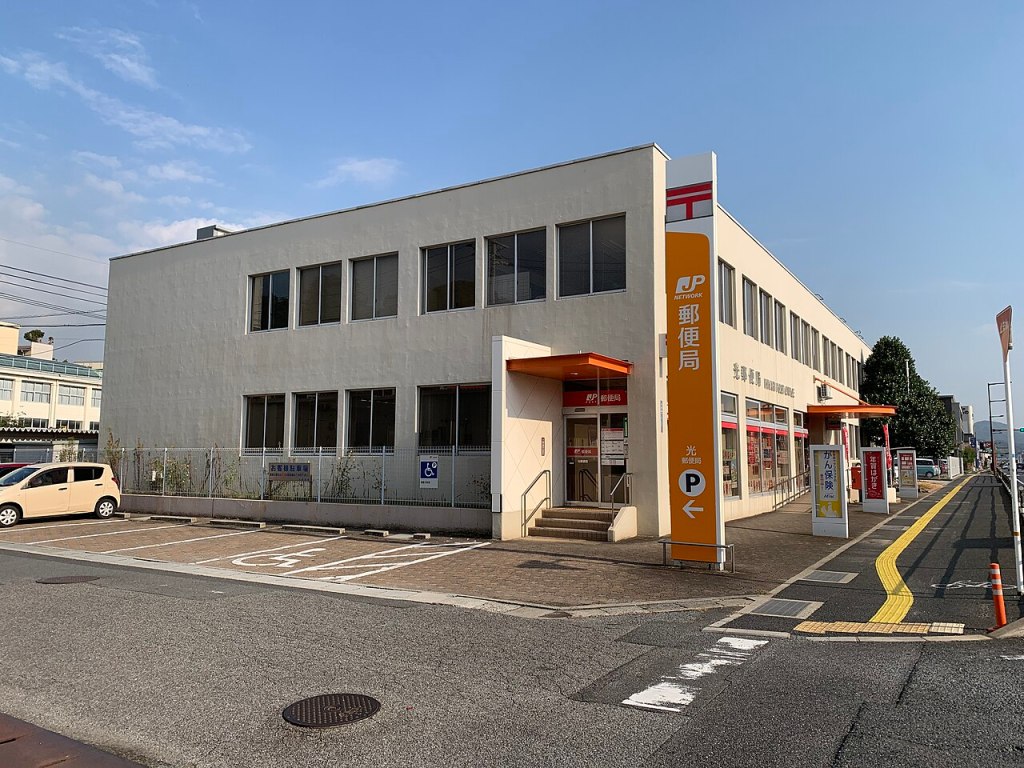

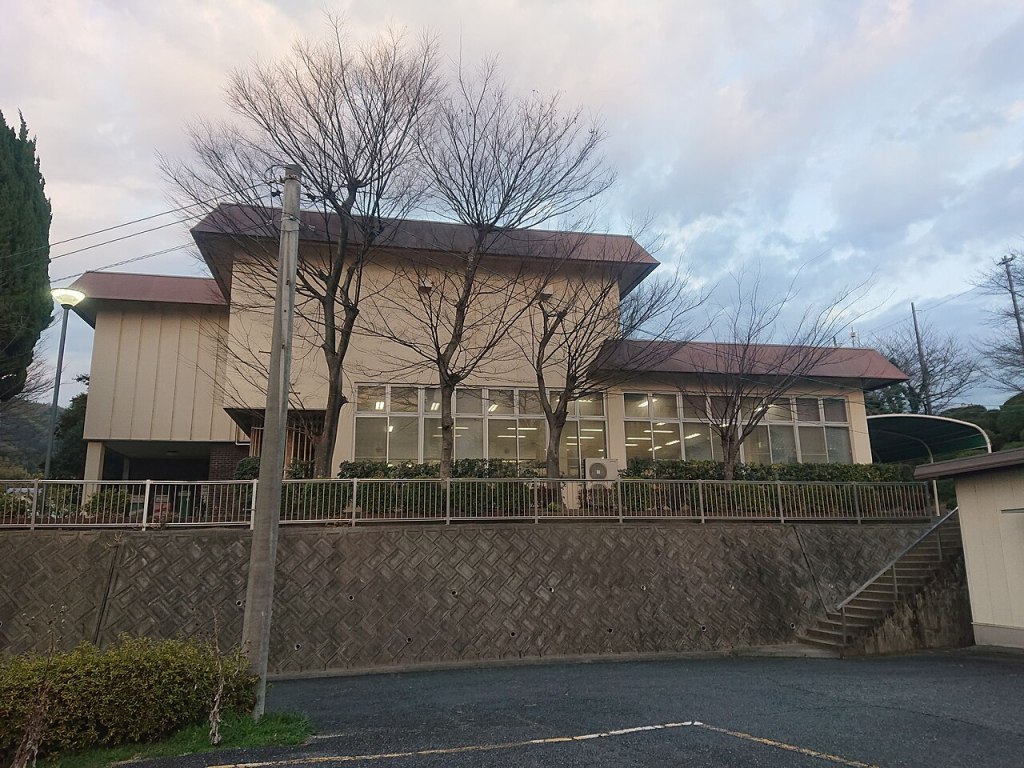
Inland Sea coast
Calm water, islands and small harbours along the shoreline.
Fishing ports
Working harbours with fish and shellfish, and simple restaurants.
Hills and farms
Citrus, rice and vegetable farms behind the coast.
Coastal roads
Quiet routes for driving or cycling between the ports.
Food and drink
- Y
- a
- m
- a
- g
- u
- c
- h
- i
- f
- o
- o
- d
- i
- s
- b
- u
- i
- l
- t
- o
- n
- t
- h
- e
- s
- e
- a
- :
- f
- i
- s
- h
- ,
- s
- h
- e
- l
- l
- f
- i
- s
- h
- ,
- f
- u
- g
- u
- a
- n
- d
- s
- e
- a
- w
- e
- e
- d
- ,
- w
- i
- t
- h
- c
- i
- t
- r
- u
- s
- a
- n
- d
- l
- o
- c
- a
- l
- s
- a
- k
- e
- .
- H
- i
- k
- a
- r
- i
- h
- a
- s
- s
- m
- a
- l
- l
- r
- e
- s
- t
- a
- u
- r
- a
- n
- t
- s
- n
- e
- a
- r
- t
- h
- e
- p
- o
- r
- t
- s
- ,
- a
- n
- d
- t
- h
- e
- s
- e
- a
- f
- o
- o
- d
- i
- s
- t
- h
- e
- r
- e
- a
- s
- o
- n
- t
- o
- e
- a
- t
- h
- e
- r
- e
- .
Getting there and around
- H
- i
- k
- a
- r
- i
- i
- s
- o
- n
- t
- h
- e
- S
- a
- n
- y
- o
- m
- a
- i
- n
- l
- i
- n
- e
- ,
- a
- r
- o
- u
- n
- d
- a
- n
- h
- o
- u
- r
- f
- r
- o
- m
- H
- i
- r
- o
- s
- h
- i
- m
- a
- a
- n
- d
- f
- o
- r
- t
- y
- m
- i
- n
- u
- t
- e
- s
- f
- r
- o
- m
- Y
- a
- m
- a
- g
- u
- c
- h
- i
- ,
- a
- n
- d
- i
- s
- c
- l
- o
- s
- e
- t
- o
- t
- h
- e
- S
- a
- n
- y
- o
- e
- x
- p
- r
- e
- s
- s
- w
- a
- y
- .
- T
- h
- e
- p
- o
- r
- t
- s
- a
- r
- e
- s
- p
- r
- e
- a
- d
- o
- u
- t
- ,
- s
- o
- a
- c
- a
- r
- o
- r
- b
- i
- c
- y
- c
- l
- e
- h
- e
- l
- p
- s
- .
Where to stay
- A
- c
- c
- o
- m
- m
- o
- d
- a
- t
- i
- o
- n
- i
- s
- l
- i
- m
- i
- t
- e
- d
- t
- o
- s
- m
- a
- l
- l
- h
- o
- t
- e
- l
- s
- a
- n
- d
- i
- n
- n
- s
- ,
- w
- i
- t
- h
- m
- o
- r
- e
- c
- h
- o
- i
- c
- e
- i
- n
- H
- i
- r
- o
- s
- h
- i
- m
- a
- ,
- I
- w
- a
- k
- u
- n
- i
- a
- n
- d
- Y
- a
- n
- a
- i
- .
- M
- o
- s
- t
- v
- i
- s
- i
- t
- o
- r
- s
- p
- a
- s
- s
- t
- h
- r
- o
- u
- g
- h
- o
- r
- s
- t
- a
- y
- a
- s
- i
- n
- g
- l
- e
- n
- i
- g
- h
- t
- .
Best time to visit
- S
- p
- r
- i
- n
- g
- a
- n
- d
- a
- u
- t
- u
- m
- n
- a
- r
- e
- t
- h
- e
- m
- o
- s
- t
- c
- o
- m
- f
- o
- r
- t
- a
- b
- l
- e
- ,
- w
- i
- t
- h
- c
- a
- l
- m
- s
- e
- a
- s
- .
- S
- u
- m
- m
- e
- r
- i
- s
- w
- a
- r
- m
- a
- n
- d
- h
- u
- m
- i
- d
- .
- W
- i
- n
- t
- e
- r
- i
- s
- m
- i
- l
- d
- ,
- w
- i
- t
- h
- c
- l
- e
- a
- r
- d
- a
- y
- s
- a
- n
- d
- q
- u
- i
- e
- t
- p
- o
- r
- t
- s
- .
Practical tips
- The ports are spread along the coast; plan transport between them.
- Ferries to the islands are limited; check timetables.
- Restaurants are few and close early.
Suggested day-trip outline
- Morning: train along the Sanyo line to Hikari.
- Late morning: a fishing port and the sea wall.
- Lunch: seafood at the port.
- Afternoon: a drive or cycle along the coast.
- Late afternoon: a viewpoint over the islands.
- Evening: back to Hiroshima or on to Yanai.
Before you go
Timetables, fares, admission fees, and seasonal access rules can change. Check the official tourism and transport sites linked below for the latest information before you travel.
Explore More of Japan
Published guides that pair with this one:
- Shunan Travel Guide: The Coast, the Islands and the Sake of Yamaguchi
- Nagato Travel Guide: Senzaki, Fugu and the Coast of Yamaguchi
- Shimonoseki Travel Guide: Fugu, the Kanmon Strait and the Edge of Honshu
- Etajima Travel Guide: Naval History on a Seto Island
- Kasaoka Travel Guide: Islands and Ramen on the Seto Inland Sea
Browse every Chugoku guide on this site for the rest of the region.
Sources
- city.hikari.lg.jp (checked 2026-11-07)
- pref.yamaguchi.lg.jp (checked 2026-11-07)


Leave a Reply