A practical English guide to Shunan in Yamaguchi: the Tokuyama area, the islands offshore, the sake breweries and access from Hiroshima and Yamaguchi.
Operational details such as opening hours, admission fees, and train times can change. Prefer official pages and reconfirm before you travel (sources checked on 07 November 2026).
Why visit
- Shunan is an industrial city on the Seto Inland Sea in eastern Yamaguchi, made of the old towns of Tokuyama, Kudamatsu and the villages between them, and it is not a conventional destination. It is a place of refineries, port facilities and working towns, and its attractions come from the sea and the ordinary life of the coast.
- The coast is the attraction. The city faces the Seto Inland Sea, with the islands of Suo-Oshima and the small islets offshore, the ferries between them, and the views from the hills and the shore. The islands are quiet and rural, with the fishing villages and the citrus, and the crossing is short.
- The second is the sake. The Tokuyama area is a sake town, with the breweries using the soft water of the region, and the local labels are known across Japan. The breweries and the shops offer tastings, and the sake is the identity of the city.
- The third is the setting. The city is on the shinkansen, with Hiroshima and Yamaguchi within easy reach, and it is a practical base for the eastern end of the Chugoku region, with Iwakuni, Hofu and the Akiyoshidai within a day. The food is the fish of the inland sea and the sake.
Top places and highlights
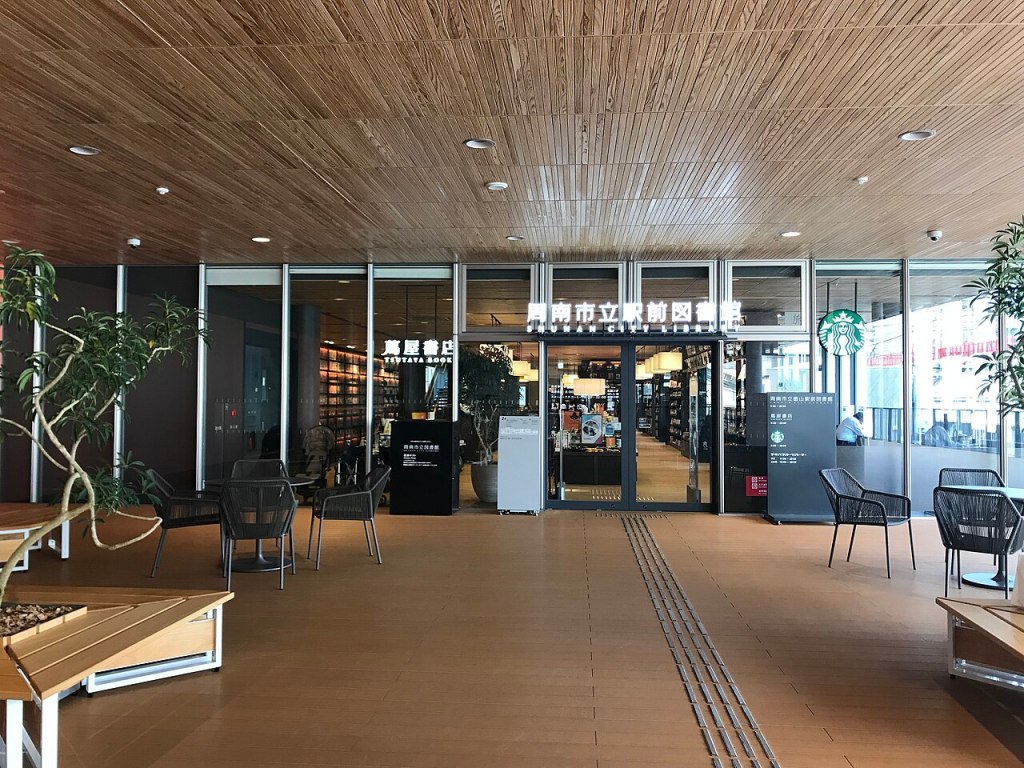
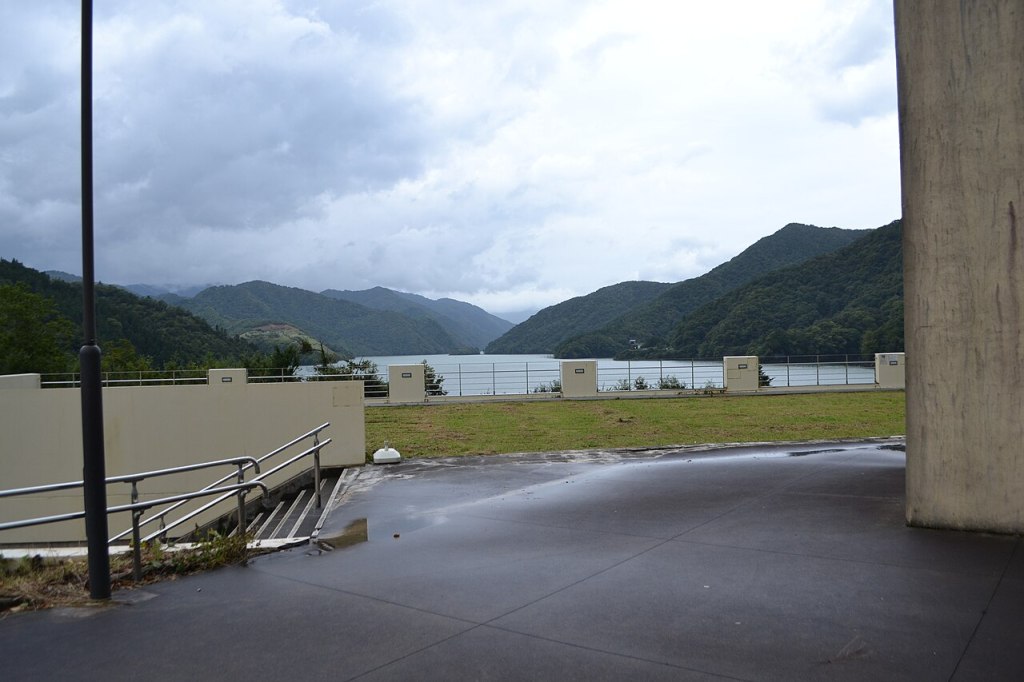
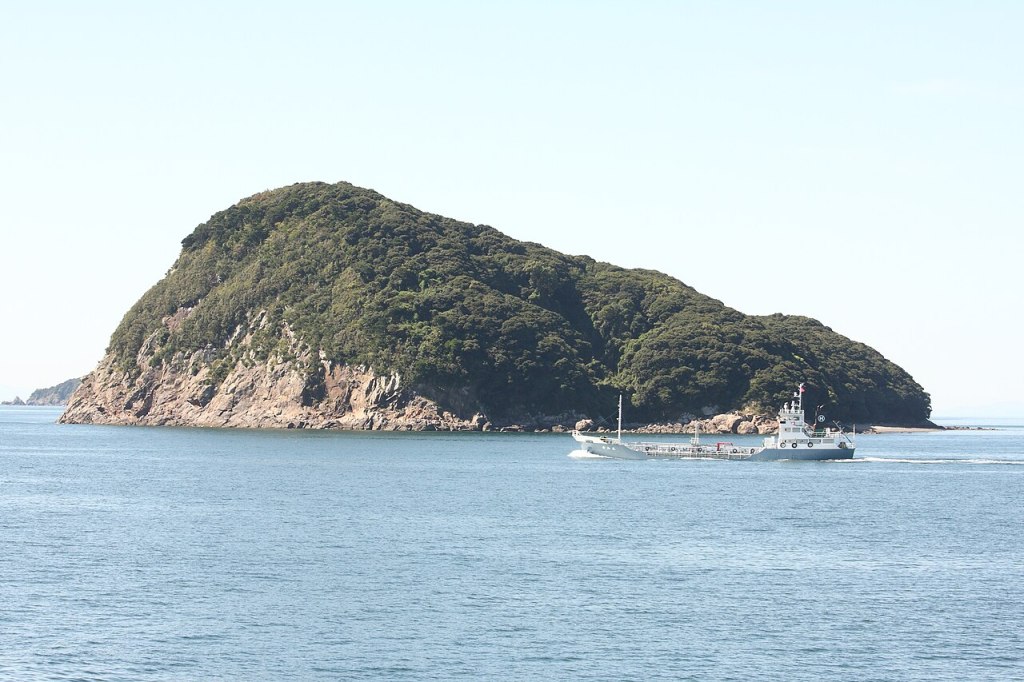
The Tokuyama sake
The breweries of the Tokuyama area use the soft water of the region, and the local sake is known across Japan, with the shops and the tasting rooms offering the bottles. It is the identity of the city. The labels are the souvenir.
The islands
The small islands offshore have the fishing villages, the citrus groves and the quiet, and the ferries connect them with the port. The crossings are short. The islands are the rural Seto Inland Sea.
The coastal views
The hills above the city and the shore roads give views over the sea, the islands and the industrial port, with the ships and the lights. The sunset is the local scene. The viewpoints are marked.
The port
The working port has the ferries, the fishing boats and the industry, and the morning is the time to see it. The fish market sells the catch. The contrast of the industry and the sea is the character of the city.
The temples and the shrines
The city has a set of old temples and shrines, including the ones in the hills, with the halls and the quiet, and they are rarely visited. They are a good break from the port. The precincts are shaded.
The local food
The restaurants serve the fish of the Seto Inland Sea, including the sea bream and the octopus, along with the sake and the local vegetables. The food is plain and good. The prices are low.
The access
The city is on the Sanyo shinkansen, with Hiroshima and Yamaguchi within easy reach, and it is a practical base for the eastern Chugoku region. The station is central. The combination with Iwakuni makes a full day.
Food and drink
- The sake of Tokuyama is the drink to try, with the breweries and the tasting rooms.
- The fish of the Seto Inland Sea is served at the port restaurants.
- The local vegetables and the citrus of the islands are the produce.
- The seafood bowls and the grilled fish are the plain local meals.
- The sweets shops sell the traditional confections of the region.
Getting there and around
- Shunan is on the Sanyo shinkansen at Tokuyama station, about forty minutes from Hiroshima.
- The station is central, and the port and the hills are within reach.
- The ferries to the islands leave from the port, with a limited timetable.
- A car is useful for the coast and the islands.
- The expressway connects the city with Hiroshima and Yamaguchi.
Where to stay
- Business hotels near the station are the practical choice.
- The islands have a few minshuku with meals.
- Hiroshima has the wider choice and is forty minutes away.
- Book ahead in summer, when the islands are at their best.
Best time to visit
- Spring is mild, with clear days and the Seto islands at their best.
- Summer is warm, with the sea and the islands at their busiest.
- Autumn is clear and cool, the best season for the coast.
- Winter is cold and grey, with the port at its quietest.
Practical tips
- The city is industrial; do not enter the port and the factory areas.
- The ferries are infrequent; check the return times.
- The breweries keep limited hours for tours.
- A car makes the coast and the hills easier.
- Cash is needed at the small shops and the island inns.
- Combine the visit with Iwakuni and the Kintaikyo bridge.
Suggested day-trip outline
- Morning: the shinkansen to Tokuyama.
- Late morning: the port and the market.
- Lunch: a seafood bowl at the port.
- Afternoon: a sake brewery and the shops.
- Late afternoon: the hills and the view over the islands.
- Evening: dinner in the city, or on to Hiroshima.
Before you go
Timetables, fares, admission fees, and seasonal access rules can change. Check the official tourism and transport sites linked below for the latest information before you travel.
Explore More of Japan
Published guides that pair with this one:
- Nagato Travel Guide: Senzaki, Fugu and the Coast of Yamaguchi
- Fukuyama Travel Guide: A Castle Town on the Sanyo Road
- Okayama City Travel Guide: Momotaro, the Crow Castle and Barazushi
- Takehara Travel Guide: The Sake Town of the Seto Inland Sea
- Yamaguchi Travel Guide: Ruriko-ji Pagoda and the Western Capital
Browse every Chugoku guide on this site for the rest of the region.
Sources
- city.shunan.lg.jp (checked 2026-11-07)
- visit-japan.jp (checked 2026-11-07)


Leave a Reply