A practical English guide to Nagato in Yamaguchi: the fugu port of Senzaki, the Meiji statesmen’s houses, the coast and access from Shimonoseki and Hagi.
Operational details such as opening hours, admission fees, and train times can change. Prefer official pages and reconfirm before you travel (sources checked on 06 November 2026).
Why visit
- Nagato is a long, thin city on the Japan Sea coast at the western end of Yamaguchi, made of fishing ports and small towns along a road that follows the water. It is quiet and rural, and it has two claims on the traveller’s attention: the fugu port of Senzaki, and the houses of the Meiji statesmen who came from this coast and changed Japan.
- Senzaki is the fugu town. It lands more fugu than almost anywhere in Japan, and the port has a market and a row of restaurants serving the fish in the full course, from the sashimi to the hotpot to the rice, at prices below the cities. The season is the winter, and the town is busy with Japanese visitors then. The market and the harbour are the morning sight.
- The second strand is the history. The Meiji Restoration was driven by men from Yamaguchi and Satsuma, and several of them came from the villages of this coast, including Ito Hirobumi, the first prime minister, whose house and museum are in the city. The houses are modest and the story is well told, and they explain the local pride.
- The third is the coast itself. The road runs between the sea and the hills, with fishing ports, small beaches, rock formations and the onsen at Nagato-Yumoto and Yumoto, and the Omijima island area is a scenic highlight. A car is essential, and the drive is the attraction.
Top places and highlights
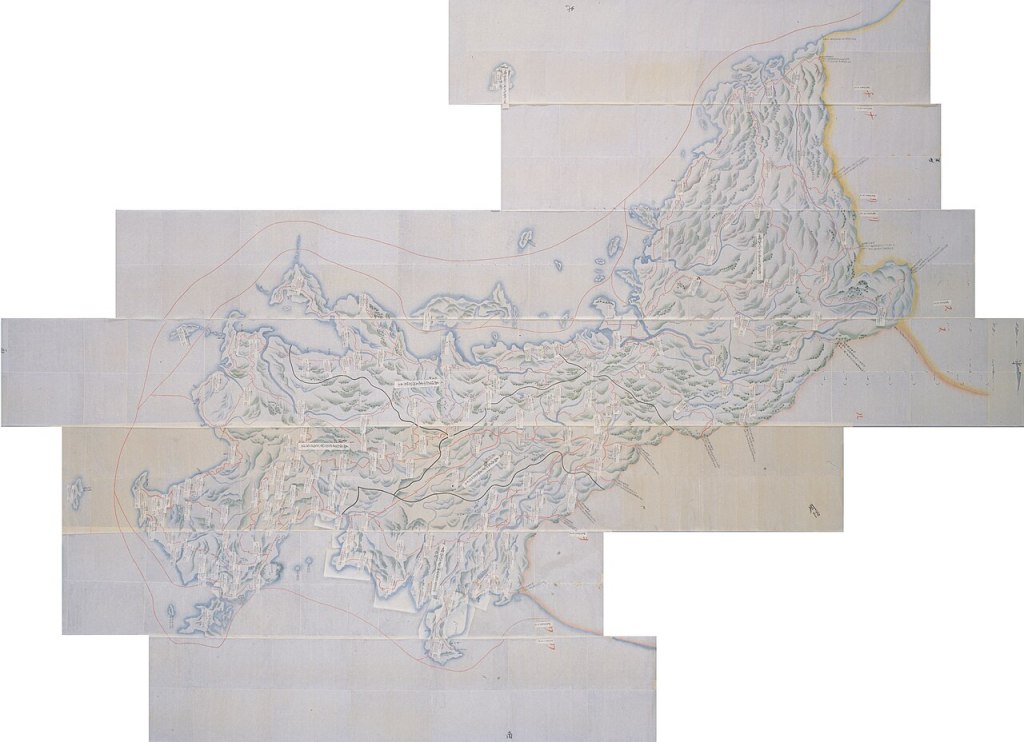
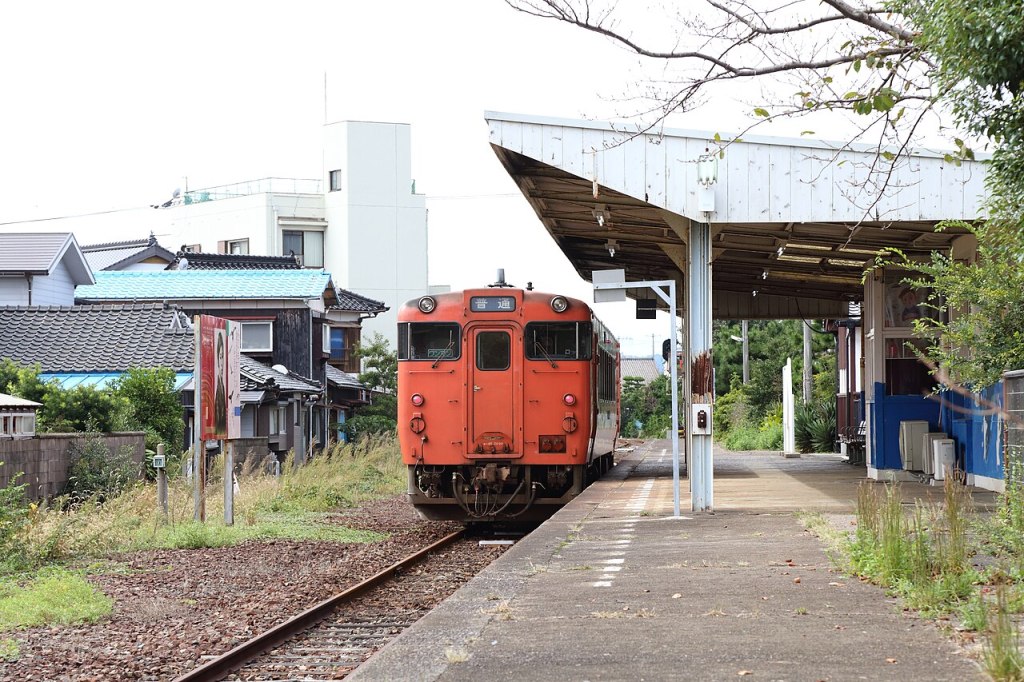
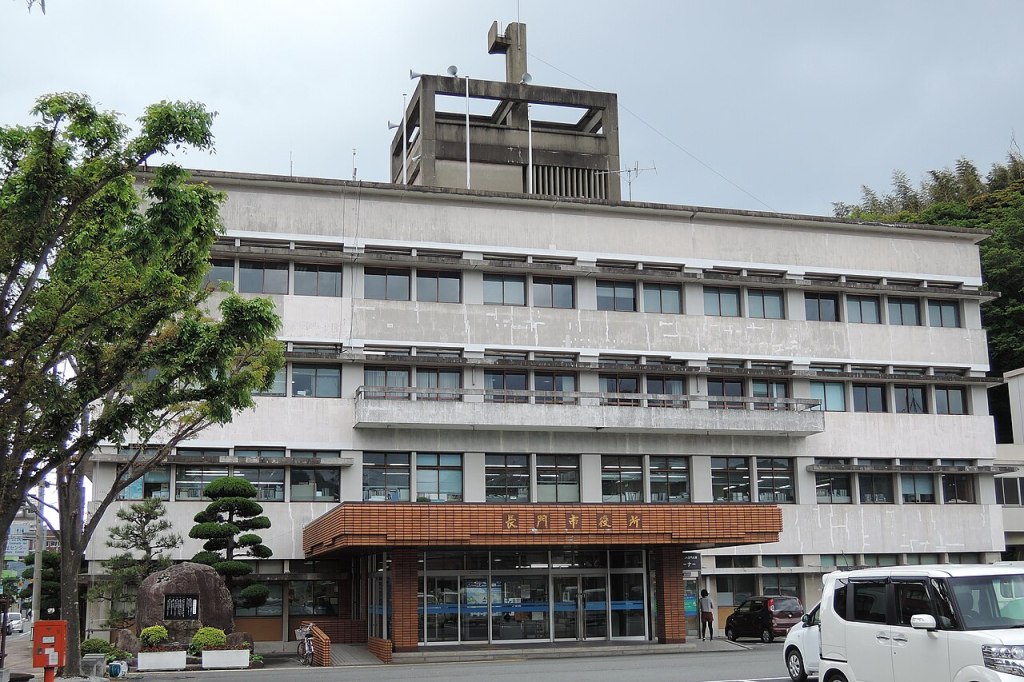
Senzaki port
The fishing port lands fugu in quantity, and the market and the harbour are the morning sight, with the boats and the tanks of live fish. The restaurants along the port serve the full fugu course in winter. It is the centre of the town’s identity.
Fugu cuisine
The fugu is served as sashimi, hotpot, fried and in rice, in a sequence that takes a couple of hours, and the prices are lower than in the cities. The winter is the season, and the restaurants fill up. Reservations are wise on weekends.
The Ito Hirobumi house
The house and museum of the first prime minister of Japan are in the city, with the simple rooms where he was born and the exhibits on his career and the Meiji state. It is a modest place with a large story. Check the opening days.
The Meiji statesmen’s houses
Several other houses of the men who shaped the Meiji restoration stand in the villages of the city, with the thatched roofs and the small gardens of the period. They are quiet and rarely visited, and the local maps mark them. They give the human scale of the history.
The Omijima coast
The island and the surrounding coast have rock formations, clear water and a scenic road, with a view over the sea and the small islands. It is one of the best drives in western Yamaguchi. The area has a few viewpoints and a cafe.
The onsen
The city has the onsen at Nagato-Yumoto and Yumoto, with simple bathhouses and a few inns, and the water is hot and clear. They are local rather than resort places. The combination with the coast makes a good overnight.
The fishing villages
The coast is a string of small ports with shrines, stone walls and the timber houses of the fishing families, and the pace is slow. The walk through a village takes minutes. It is the everyday life of the Japan Sea coast.
Food and drink
- Fugu is the local speciality, served as sashimi, hotpot and rice in the winter.
- The fish of the Japan Sea, including the squid and the sea bream, is served at the port restaurants.
- The local sake from the Yamaguchi breweries is dry and good.
- The sea salt and the preserved fish are sold at the port shops.
- The sweets of the region are sold at the station and the roadside stops.
Getting there and around
- Nagato is on the JR Sanin line, about an hour from Shimonoseki and an hour and a half from Hagi.
- The shinkansen stops at Shin-Shimonoseki and Asa, with a change to the local line.
- A car is essential for the coast, the ports and the Meiji houses.
- The roads are narrow in the villages and the drive is slow.
- The bus service is limited, and the timetable sets the day.
Where to stay
- A few small inns and guesthouses operate near the ports.
- The onsen at Nagato-Yumoto and Yumoto have inns with baths.
- Shimonoseki and Hagi have the larger hotels and are within reach.
- Book ahead in winter, when the fugu season brings visitors.
Best time to visit
- Spring is mild, with green hills and good driving.
- Summer is warm, with the sea and the beaches at their best.
- Autumn is clear and cool, the best season for the coast.
- Winter is cold and windy, with the fugu season at its peak.
Practical tips
- The fugu restaurants are busiest in winter; reserve ahead.
- A car is essential for the coast and the villages.
- The roads are narrow; drive slowly and watch for the local traffic.
- The Meiji houses keep limited hours and close in winter.
- Cash is needed at the port restaurants and the small inns.
- The ferries to the islands are limited; check the timetable.
Suggested day-trip outline
- Morning: the train from Shimonoseki to Senzaki.
- Late morning: the port and the market.
- Lunch: a fugu course at a port restaurant.
- Afternoon: the Ito Hirobumi house and the old streets.
- Late afternoon: the coastal road and the Omijima area.
- Evening: an onsen at Yumoto, or on to Hagi.
Before you go
Timetables, fares, admission fees, and seasonal access rules can change. Check the official tourism and transport sites linked below for the latest information before you travel.
Explore More of Japan
Published guides that pair with this one:
- Fukuyama Travel Guide: A Castle Town on the Sanyo Road
- Okayama City Travel Guide: Momotaro, the Crow Castle and Barazushi
- Takehara Travel Guide: The Sake Town of the Seto Inland Sea
- Yamaguchi Travel Guide: Ruriko-ji Pagoda and the Western Capital
- Sakaiminato Guide: Tottori’s Yokai Port Town
Browse every Chugoku guide on this site for the rest of the region.
Sources
- city.nagato.yamaguchi.jp (checked 2026-11-06)
- visit-japan.jp (checked 2026-11-06)


Leave a Reply