A practical English guide to Towada in Aomori: Lake Towada, the Oirase stream, the beech forest and access from Aomori and Akita.
Operational details such as opening hours, admission fees, and train times can change. Prefer official pages and reconfirm before you travel (sources checked on 07 November 2026).
Why visit
- Towada is a city in eastern Aomori, and its name belongs to the lake on the border with Akita. Lake Towada fills a volcanic caldera, with wooded headlands, clear water and a shoreline that changes character around every bend. It is the largest caldera lake on Honshu.
- The Oirase stream runs out of the lake and down through a long, narrow valley of beech and maple, with waterfalls, rapids and mossy boulders. The road and the walking path follow it for kilometres, and in autumn it is one of the most visited stretches of forest in Tohoku.
- Towada city itself is a smaller, quieter place, with a museum, a park and the administrative life of the region. The lake and the stream are the reason travellers come, and they are best seen slowly, on foot, rather than from a coach window.
Top places and highlights
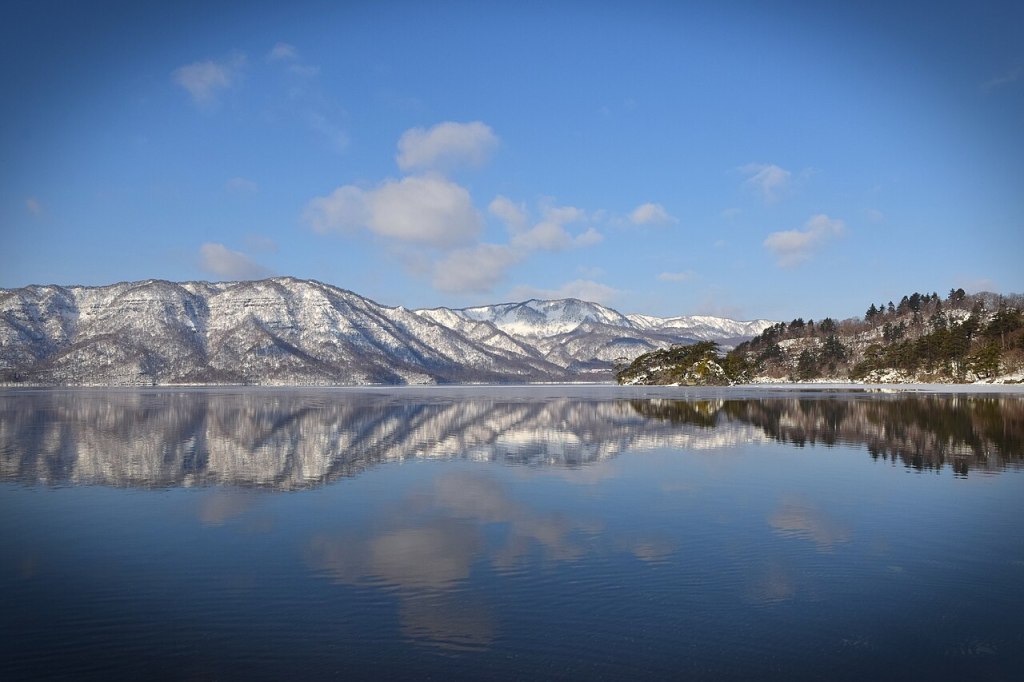
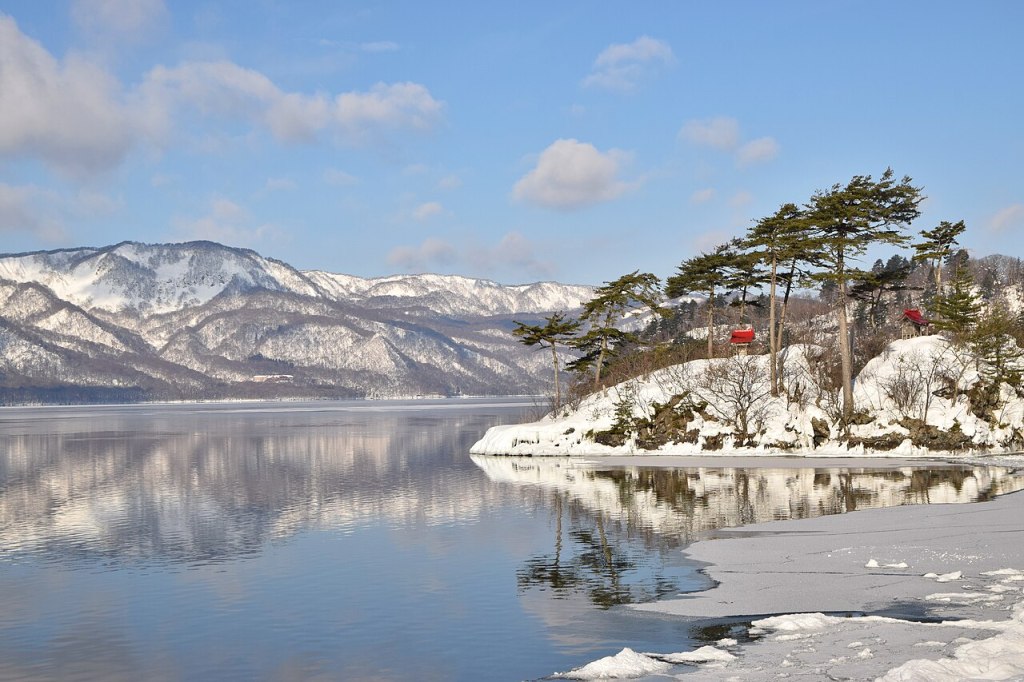
Lake Towada
The caldera lake, with viewpoints, boat trips and wooded shores.
Oirase stream
A forested gorge of waterfalls and rapids, with a walking path beside the road.
Beech forest
Old growth woodland that turns gold and red in autumn.
Towada city
A quiet base with a museum and park, away from the lake crowds.
Food and drink
- A
- o
- m
- o
- r
- i
- f
- o
- o
- d
- i
- s
- r
- o
- b
- u
- s
- t
- :
- a
- p
- p
- l
- e
- s
- ,
- g
- a
- r
- l
- i
- c
- ,
- s
- h
- e
- l
- l
- f
- i
- s
- h
- a
- n
- d
- t
- h
- e
- r
- e
- g
- i
- o
- n
- ‘
- s
- o
- w
- n
- d
- i
- s
- h
- e
- s
- .
- A
- r
- o
- u
- n
- d
- t
- h
- e
- l
- a
- k
- e
- t
- h
- e
- r
- e
- a
- r
- e
- r
- e
- s
- t
- a
- u
- r
- a
- n
- t
- s
- a
- n
- d
- c
- a
- f
- e
- s
- ,
- a
- n
- d
- T
- o
- w
- a
- d
- a
- c
- i
- t
- y
- h
- a
- s
- a
- w
- i
- d
- e
- r
- r
- a
- n
- g
- e
- ,
- i
- n
- c
- l
- u
- d
- i
- n
- g
- l
- o
- c
- a
- l
- s
- a
- k
- e
- .
Getting there and around
- T
- o
- w
- a
- d
- a
- i
- s
- r
- e
- a
- c
- h
- e
- d
- b
- y
- b
- u
- s
- f
- r
- o
- m
- H
- a
- c
- h
- i
- n
- o
- h
- e
- ,
- A
- o
- m
- o
- r
- i
- a
- n
- d
- S
- h
- i
- c
- h
- i
- n
- o
- h
- e
- –
- T
- o
- w
- a
- d
- a
- s
- t
- a
- t
- i
- o
- n
- o
- n
- t
- h
- e
- T
- o
- h
- o
- k
- u
- s
- h
- i
- n
- k
- a
- n
- s
- e
- n
- ,
- a
- n
- d
- b
- y
- r
- o
- a
- d
- o
- n
- r
- o
- u
- t
- e
- 1
- 0
- 2
- a
- n
- d
- r
- o
- u
- t
- e
- 1
- 0
- 3
- .
- T
- h
- e
- l
- a
- k
- e
- a
- n
- d
- t
- h
- e
- O
- i
- r
- a
- s
- e
- v
- a
- l
- l
- e
- y
- a
- r
- e
- b
- e
- s
- t
- e
- x
- p
- l
- o
- r
- e
- d
- b
- y
- c
- a
- r
- o
- r
- b
- u
- s
- ,
- w
- i
- t
- h
- w
- a
- l
- k
- i
- n
- g
- s
- e
- c
- t
- i
- o
- n
- s
- .
Where to stay
- A
- c
- c
- o
- m
- m
- o
- d
- a
- t
- i
- o
- n
- i
- s
- c
- o
- n
- c
- e
- n
- t
- r
- a
- t
- e
- d
- a
- r
- o
- u
- n
- d
- t
- h
- e
- l
- a
- k
- e
- a
- n
- d
- i
- n
- T
- o
- w
- a
- d
- a
- c
- i
- t
- y
- ,
- w
- i
- t
- h
- h
- o
- t
- e
- l
- s
- ,
- r
- y
- o
- k
- a
- n
- a
- n
- d
- g
- u
- e
- s
- t
- h
- o
- u
- s
- e
- s
- .
- B
- o
- o
- k
- w
- e
- l
- l
- a
- h
- e
- a
- d
- i
- n
- a
- u
- t
- u
- m
- n
- ,
- w
- h
- e
- n
- t
- h
- e
- l
- e
- a
- v
- e
- s
- b
- r
- i
- n
- g
- t
- h
- e
- b
- i
- g
- g
- e
- s
- t
- c
- r
- o
- w
- d
- s
- .
Best time to visit
- A
- u
- t
- u
- m
- n
- i
- s
- t
- h
- e
- p
- e
- a
- k
- s
- e
- a
- s
- o
- n
- f
- o
- r
- c
- o
- l
- o
- u
- r
- .
- S
- u
- m
- m
- e
- r
- i
- s
- g
- r
- e
- e
- n
- a
- n
- d
- c
- o
- o
- l
- o
- n
- t
- h
- e
- w
- a
- t
- e
- r
- .
- W
- i
- n
- t
- e
- r
- b
- r
- i
- n
- g
- s
- s
- n
- o
- w
- a
- n
- d
- q
- u
- i
- e
- t
- ,
- w
- i
- t
- h
- s
- o
- m
- e
- f
- a
- c
- i
- l
- i
- t
- i
- e
- s
- c
- l
- o
- s
- e
- d
- .
- S
- p
- r
- i
- n
- g
- i
- s
- l
- a
- t
- e
- a
- n
- d
- o
- f
- t
- e
- n
- w
- e
- t
- .
Practical tips
- The Oirase path is long; plan a one-way walk and arrange transport back.
- Autumn weekends are extremely busy; go early or on a weekday.
- Some lake facilities close in winter; check before travelling.
Suggested day-trip outline
- Morning: bus or drive from Hachinohe to the lake.
- Late morning: a lake viewpoint and a short boat trip.
- Lunch: a lakeside restaurant.
- Afternoon: the Oirase stream walk.
- Late afternoon: a second section of the gorge.
- Evening: stay at the lake, or return to Towada city.
Before you go
Timetables, fares, admission fees, and seasonal access rules can change. Check the official tourism and transport sites linked below for the latest information before you travel.
Explore More of Japan
Published guides that pair with this one:
- Lake Towada Travel Guide: Oirase Stream, Autumn Colour and the Calm Side of Aomori
- Aomori City Travel Guide: The Fish Market, the Bay and the Snow Country
- Goshogawara Travel Guide: The Tachineputa Floats of Aomori
- Aomori Museum of Art Travel Guide: Highlights, Access, and Planning
- Aomori Nebuta Festival Guide: August Floats and Haneto
Browse every Tohoku guide on this site for the rest of the region.
Sources
- city.towada.lg.jp (checked 2026-11-07)
- pref.aomori.lg.jp (checked 2026-11-07)


Leave a Reply