A practical English guide to Goshogawara in Aomori: the giant tachineputa floats, the festival in August, the hall that shows them all year and access from Hirosaki.
Operational details such as opening hours, admission fees, and train times can change. Prefer official pages and reconfirm before you travel (sources checked on 06 November 2026).
Why visit
- Goshogawara is a small city in the Tsugaru plain of western Aomori, and it holds the most spectacular of the region’s summer festivals: the tachineputa, enormous illuminated floats up to twenty metres tall, built like a lantern tower and carried through the streets at night. It is the northern cousin of the Nebuta of Aomori and the Neputa of Hirosaki, and it is the tallest and heaviest of them.
- The floats are the reason to come. The tachineputa are made each year by local craftsmen, with a wooden frame, wire and hundreds of paper panels painted with warriors and kabuki scenes, and they are lit from inside so that the figures glow against the night. The festival runs in early August, and the hall in the city displays several of them all year.
- The second attraction is the craft. The city has a long tradition of the tsugaru shamisen and the Tsugaru lacquer, and the shamisen players of the region are famous for their percussive style. The city has a shamisen hall and a museum, and the sound of the instrument is part of the identity of the place.
- The third is the setting. The city sits on the plain between the mountains of Tsugaru and the sea, with rice fields, apple orchards and the old castle site, and it is close to Hirosaki and the lake of Jusanko. It is quiet outside the festival, and the ordinary life of the Tsugaru region is the attraction.
Top places and highlights
The tachineputa hall
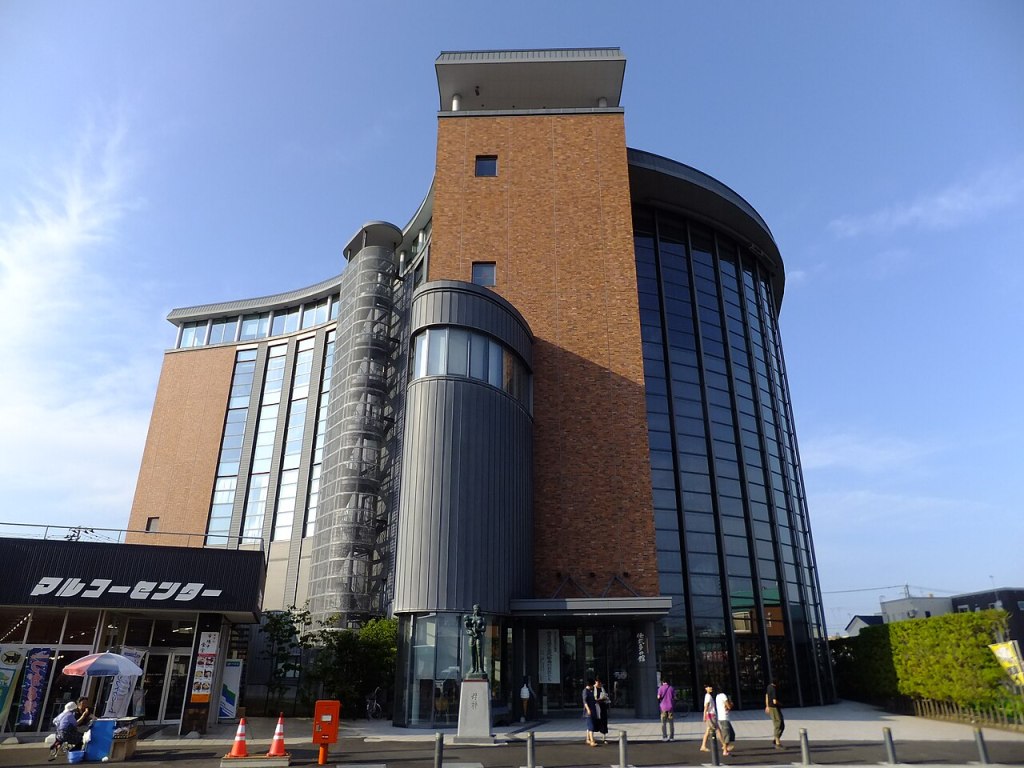
The hall displays several of the giant floats all year, with the painted panels lit and the scale clear from the floor, and it explains how they are made. It is the way to see the festival outside August. The hall is a short walk from the station.
The August festival
The tachineputa are carried through the streets at night in early August, with the drums, the flute and the crowds, and the floats pass close enough to touch. It is the largest event of the year and the hotels fill up. Check the dates before travelling.
The tsugaru shamisen
The city is a centre of the Tsugaru shamisen, the percussive style of the region, and the hall and the museum show the instrument and its players. The performances are powerful. The sound is the local signature.
The Tsugaru lacquer
The city has a tradition of lacquerware, with the bowls, the trays and the sake cups made by the local workshops, and the shops sell the pieces. The craft is practical and robust. It is a good local souvenir.
The castle site
The hilltop site above the city has stone walls, a park and a view over the plain, and it was the seat of the Tsugaru clan’s branch. The walk takes a few minutes. The blossom in spring is good.
The apple orchards
The Tsugaru plain is apple country, and the orchards around the city sell the fruit in autumn, with the varieties and the juice. The harvest is the seasonal event. The farm stands are cheap and good.
The access to Hirosaki
The city is a short train ride from Hirosaki, with its castle, its temple district and the Neputa festival, and it fits easily into a loop of western Aomori. The trains run frequently. The combination makes a full day.
Food and drink
- The apples of the Tsugaru plain are the local speciality, sold at the orchards in autumn.
- The local rice and the vegetables are served in the simple restaurants.
- The Tsugaru cuisine includes the jappa soup and the grilled fish.
- The sake of the region is dry and good.
- The sweet shops sell the traditional confections of the castle town.
Getting there and around
- Goshogawara is about thirty minutes from Hirosaki by the JR Gono line.
- The shinkansen stops at Shin-Aomori, with a change to the local lines.
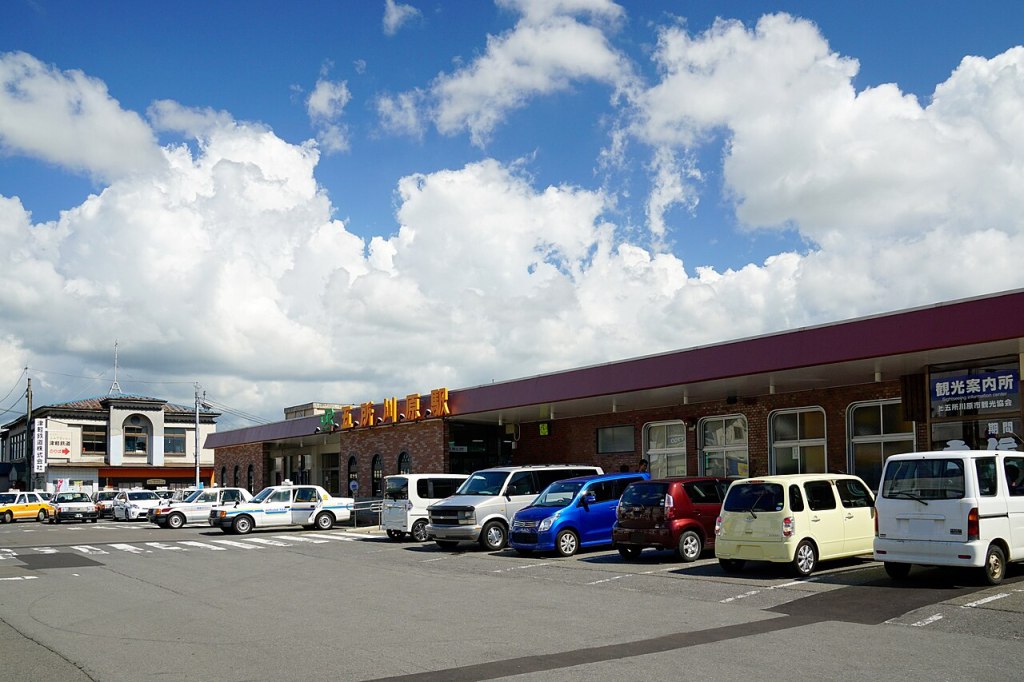
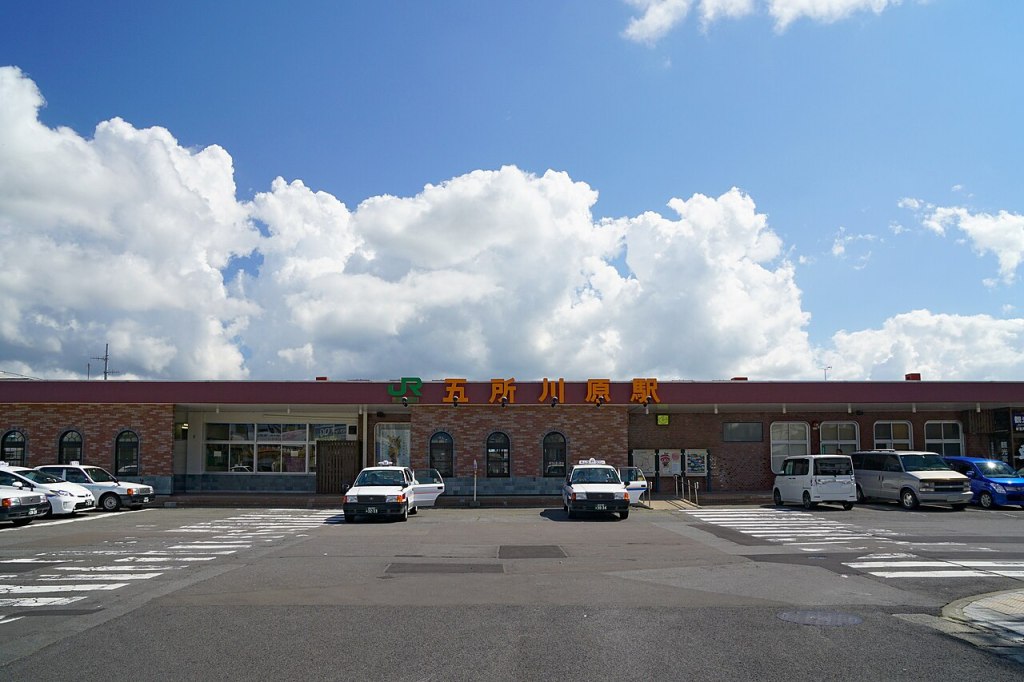
- The station is central, and the hall and the castle site are a short walk away.
- A car is useful for the orchards and the surrounding plain.
- The Gono line runs along the coast to the north, one of the scenic routes of Japan.
Where to stay
- Business hotels near the station are the practical choice.
- Hirosaki has the larger hotels and is thirty minutes away.
- A few inns operate in the surrounding towns.
- Book well ahead for the August festival, when the city fills up.
Best time to visit
- Spring is the blossom season, with the orchards in flower.
- Summer is the festival season, with the tachineputa in early August.
- Autumn is the apple harvest and the best time for the plain.
- Winter is cold and snowy, with the city at its quietest.
Practical tips
- The festival dates change each year; check before booking.
- The hall is open all year and is the way to see the floats outside August.
- The festival crowds are heavy; arrive early and stay late.
- The orchards close after the harvest.
- Cash is useful at the small shops and the farm stands.
- Combine the visit with Hirosaki and the Gono line.
Suggested day-trip outline
- Morning: the train from Hirosaki to Goshogawara.
- Late morning: the tachineputa hall.
- Lunch: a local set meal in the town.
- Afternoon: the shamisen hall and the lacquer shops.
- Late afternoon: the castle site and the orchards.
- Evening: back to Hirosaki.
Before you go
Timetables, fares, admission fees, and seasonal access rules can change. Check the official tourism and transport sites linked below for the latest information before you travel.
Explore More of Japan
Published guides that pair with this one:
- Nihonmatsu Travel Guide: Chrysanthemum Dolls and a Hilltop Castle
- Aomori Nebuta Festival Guide: August Floats and Haneto
- Aomori City Travel Guide: The Fish Market, the Bay and the Snow Country
- Yamagata City Travel Guide: Bunshokan, Kajo Park and the Fruit Road
- Sannai Maruyama Travel Guide: The Jomon Settlement of Aomori
Browse every Tohoku guide on this site for the rest of the region.
Sources
- city.goshogawara.lg.jp (checked 2026-11-06)
- japan.travel (checked 2026-11-06)


Leave a Reply