A practical English guide to Aomori city: the Furukawa fish market and its rice bowls, the ASPAM tower, the bay waterfront and access by the Tohoku Shinkansen.
Operational details such as opening hours, admission fees, and train times can change. Prefer official pages and reconfirm before you travel (sources checked on 06 November 2026).
Why visit
- Aomori is the northern tip of Honshu, and the city sits on a bay between two peninsulas with the Hakkoda mountains behind it. It is the terminus of the Tohoku Shinkansen and the port for the ferry to Hakodate, so most travellers pass through. Those who stop find a working provincial capital with a very good fish market and a waterfront that has been rebuilt.
- The fish market is the reason to get off the train. The Furukawa market is a small, crowded hall where the stalls sell the catch of the Tsugaru strait, and the local way to eat is nokkedon: buy a bowl of rice and a ticket, then walk the aisles putting whatever you like on top. It is cheap, fast and one of the best meals in the region.
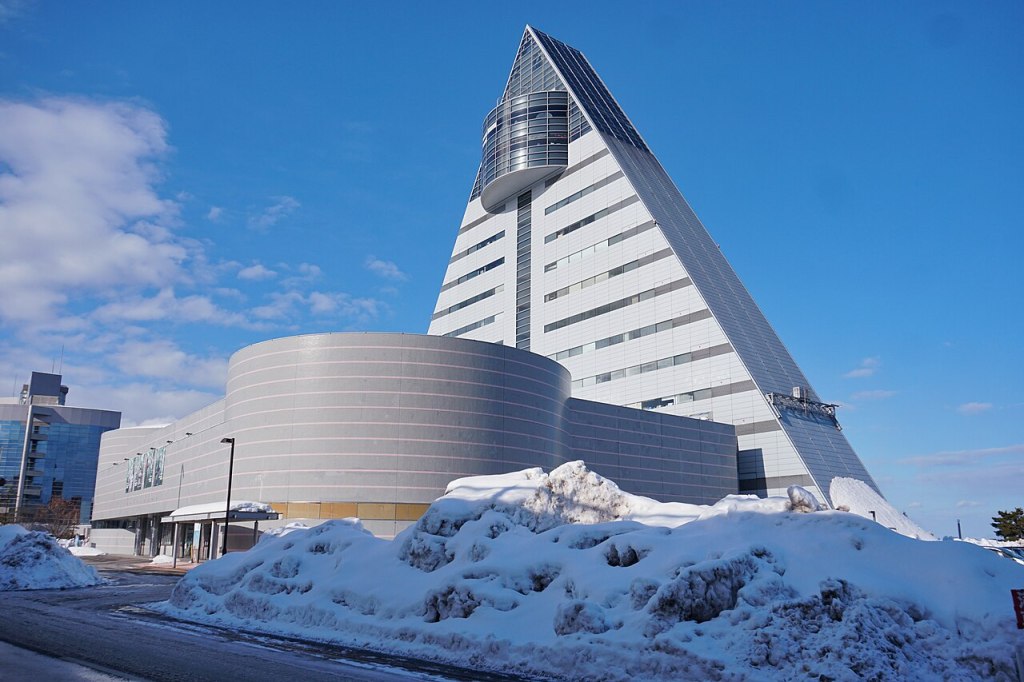
- The waterfront is the second strand. The bay has a promenade, the ASPAM building with its triangular tower and observation deck, a ferry terminal and the bridge over the Aomori bay. The city was rebuilt after the war and again after the port redevelopment, and the result is open but sparse, with a good view across the water to the mountains.
- The third is the snow. Aomori is one of the snowiest cities in the world, with several metres falling each winter, and the city deals with it as a matter of routine: covered walkways, snowploughs, and a population that keeps moving. In winter the mountains and the bay appear through the snow, and the local hot springs are within reach.
Top places and highlights
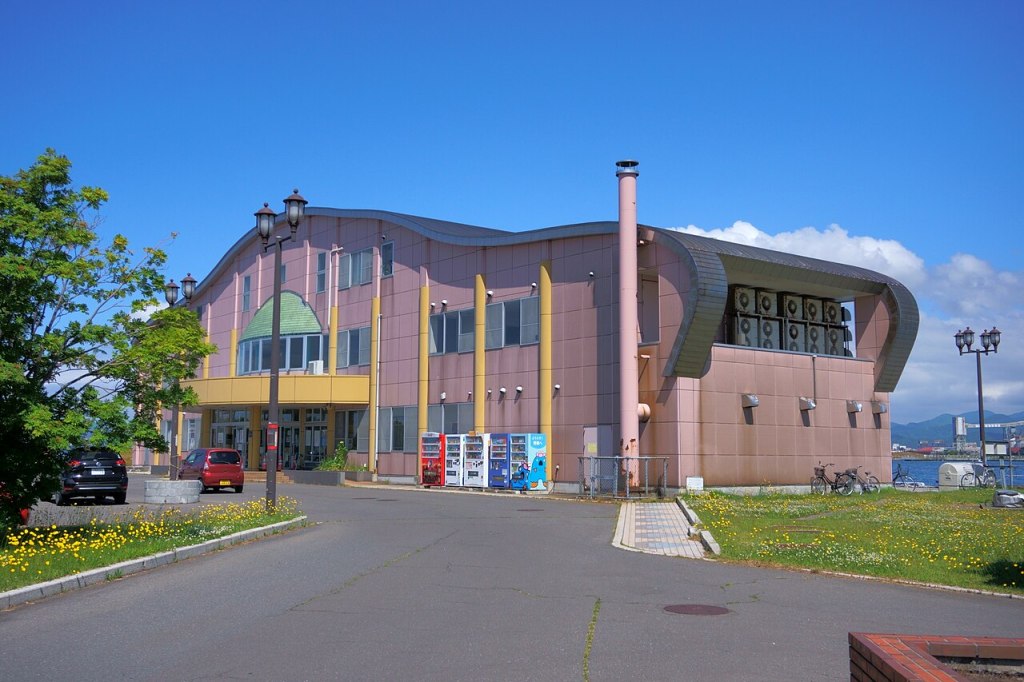
The Furukawa fish market
The market is a hall of stalls near the station, selling tuna, squid, scallops and the fish of the strait. The nokkedon system lets you build your own bowl: buy rice and tickets at the entrance, then choose from the stalls. It is busiest in the morning and closes by the afternoon.
ASPAM
The triangular tower on the waterfront is the city’s tourist building, with a shop of local products, a restaurant and an observation deck on the upper floor. The view over the bay and the mountains is good, and the building itself is a landmark. It is free apart from the observation deck.
The bay waterfront
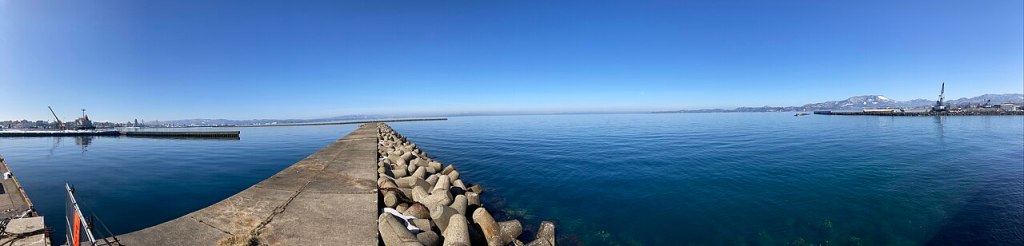
The promenade runs along the reclaimed waterfront from the station area to the ferry terminal, with the Aomori bay bridge, public art and open views across the water. It is a good place to walk at sunset, and the lights of the bridge are the local evening scene. In winter it is cold and empty.
The ferry to Hakodate
The ferry terminal is on the waterfront, and the crossing to Hakodate takes about four hours through the Tsugaru strait. It is a slower and cheaper alternative to the shinkansen, and the sea views and the arrival in Hokkaido are part of the trip. The night ferries save a hotel bill.
The local food
Apart from the market, the city is known for its apples, its cider and the Tsugaru cooking of the peninsula: miso oden, dried squid and the local sake. The restaurants around the station and the arcade serve these plainly. The apple sweets are sold everywhere and are worth buying.
The mountains and the onsen
The Hakkoda mountains rise south of the city, with the ropeway, the snow monsters in winter and the marshland walks in summer. The hot springs at Sukayu and the other mountain inns are within an hour. They make a natural half-day from the city.
The city’s museums
The prefectural museum and the local history museums cover the Jomon sites of the region, the Tsugaru domain and the modern city. The Sannai-Maruyama site on the edge of the city is one of the most important Jomon sites in Japan. They are quiet and good for a wet day.
Food and drink
- Nokkedon at the Furukawa market is the local meal: rice plus whatever you choose from the stalls.
- Apples from the Tsugaru plain are the regional fruit, and the cider and juice are excellent.
- Miso oden and the Tsugaru dried fish are the local winter dishes.
- Scallops, squid and tuna from the strait are cheap and fresh in the market.
- The local sake is soft and dry, and the bars around the station serve it with small plates.
Getting there and around
- Aomori is the northern terminus of the Tohoku Shinkansen, about three hours from Tokyo.
- The station is central, and the market and the waterfront are within walking distance.
- The ferry to Hakodate leaves from the waterfront terminal.
- Buses run to the Hakkoda ropeway and the Sukayu onsen, but the service is limited in winter.
- The airport has flights to Tokyo and other cities, with buses to the centre.
Where to stay
- Business hotels cluster around the station and are the practical choice.
- The waterfront has larger hotels with views over the bay.
- The mountain onsen inns are the atmospheric option, within an hour.
- Book ahead in the Nebuta festival week, when the city is full.
Best time to visit
- Winter is the snow season, with several metres falling and the mountains at their best.
- Spring is late and short, with the apples in blossom in May.
- Summer is mild and green, with the Nebuta festival in early August.
- Autumn is clear and cool, the best season for the bay and the mountains.
Practical tips
- The market is a morning place; the stalls close by mid-afternoon.
- Nokkedon tickets are sold at the entrance; keep the receipts for the stalls.
- The bay is windy and cold outside summer; bring a jacket.
- The Hakkoda road closes in winter, and the ropeway runs subject to weather.
- The ferry takes about four hours; the night crossing saves a hotel.
- Aomori is a good stop between Tokyo and Hokkaido, but one night is enough for the city.
Suggested day-trip outline
- Morning: the Furukawa market and a nokkedon breakfast.
- Late morning: the waterfront and ASPAM.
- Lunch: apples and local sweets at the arcade.
- Afternoon: the Sannai-Maruyama site or the prefectural museum.
- Late afternoon: the bay walk and the bridge at sunset.
- Evening: dinner near the station, or the night ferry to Hakodate.
Before you go
Timetables, fares, admission fees, and seasonal access rules can change. Check the official tourism and transport sites linked below for the latest information before you travel.
Explore More of Japan
Published guides that pair with this one:
- Hanamaki Travel Guide: Miyazawa Kenji, Hot Springs and Wanko Soba
- Tsuruoka Travel Guide: Castle Town, Chido Museum and the Shonai Plain
- Yamagata City Travel Guide: Bunshokan, Kajo Park and the Fruit Road
- Yonezawa Travel Guide: Uesugi Country, Beef and Castle Ruins
- Aomori Museum of Art Travel Guide: Highlights, Access, and Planning
Browse every Tohoku guide on this site for the rest of the region.
Sources
- city.aomori.aomori.jp (checked 2026-11-06)
- pref.aomori.lg.jp (checked 2026-11-06)


Leave a Reply