A practical English guide to Takamori in Kumamoto: the spring water, the cherry trees and access from Kumamoto and Aso.
Operational details such as opening hours, admission fees, and train times can change. Prefer official pages and reconfirm before you travel (sources checked on 08 November 2026).
Why visit
- Takamori is a town in the Aso region of Kumamoto, at the foot of the caldera, and it is known for its water. The springs of the town are among the clearest in Japan, and the streets are lined with channels and wells that run with spring water.
- The town is also known for its cherry trees. A row of them along a road and a riverside avenue turn the place into a spring destination, and the surrounding landscape is Aso country: grassland, volcanic hills and farm roads.
- Takamori is close to Aso and within reach of Kumamoto, which makes it a practical stop for the caldera, and it is a good base for the quieter side of the Aso region.
Top places and highlights
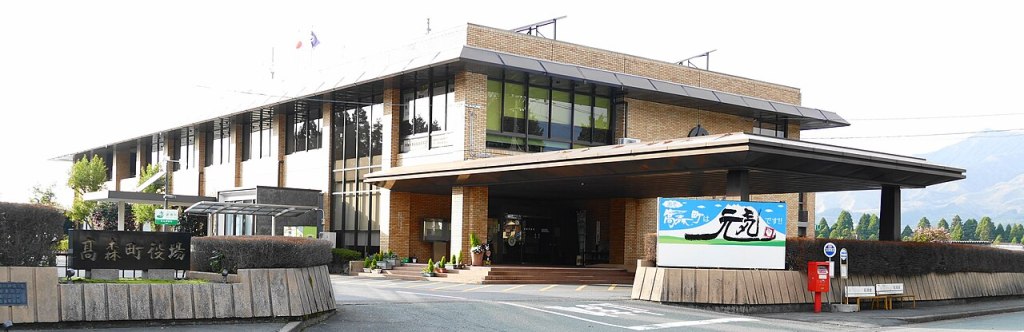
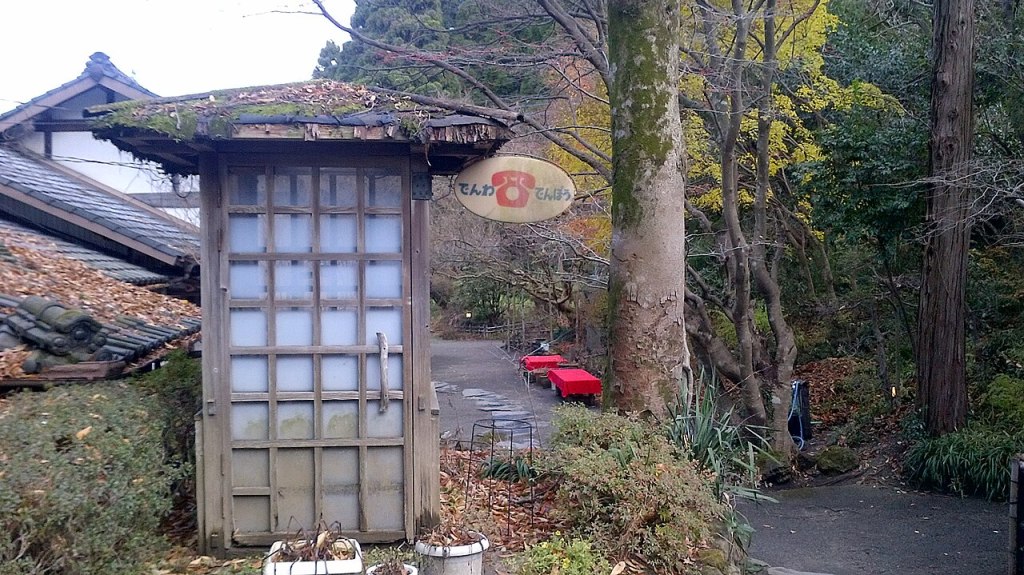
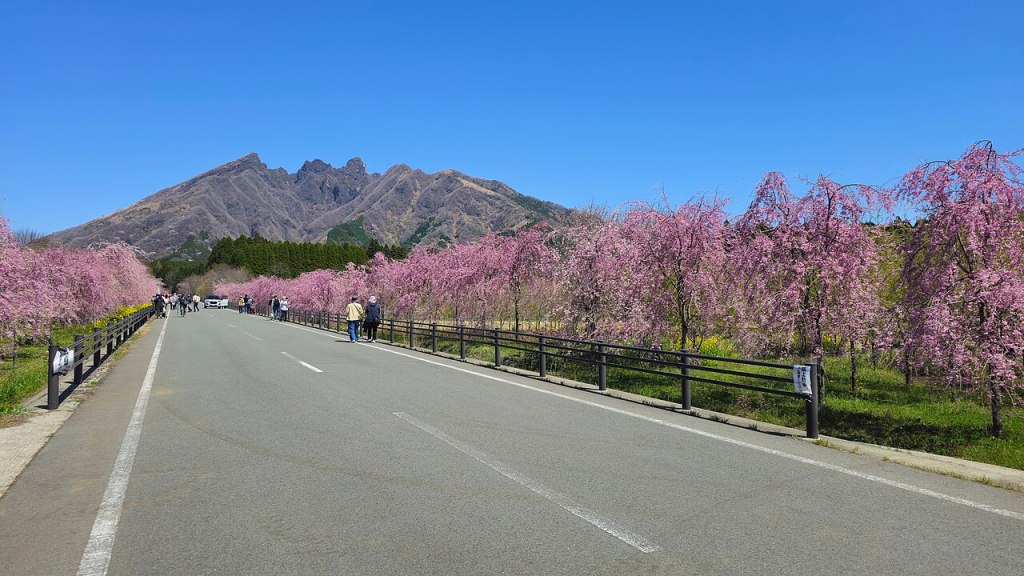
Spring water
Clear springs and water channels through the town.
Cherry trees
Rows of cherry trees that draw visitors in spring.
Aso landscape
Grassland and volcanic hills around the town.
Farm roads
Quiet roads through the fields and pastures of the caldera rim.
Food and drink
- K
- u
- m
- a
- m
- o
- t
- o
- f
- o
- o
- d
- i
- s
- r
- o
- b
- u
- s
- t
- :
- b
- e
- e
- f
- ,
- h
- o
- r
- s
- e
- m
- a
- c
- k
- e
- r
- e
- l
- ,
- r
- i
- c
- e
- a
- n
- d
- s
- h
- o
- c
- h
- u
- ,
- w
- i
- t
- h
- m
- o
- u
- n
- t
- a
- i
- n
- v
- e
- g
- e
- t
- a
- b
- l
- e
- s
- .
- T
- a
- k
- a
- m
- o
- r
- i
- h
- a
- s
- s
- m
- a
- l
- l
- r
- e
- s
- t
- a
- u
- r
- a
- n
- t
- s
- a
- n
- d
- s
- h
- o
- p
- s
- i
- n
- t
- h
- e
- c
- e
- n
- t
- r
- e
- ,
- w
- i
- t
- h
- m
- o
- r
- e
- c
- h
- o
- i
- c
- e
- i
- n
- A
- s
- o
- a
- n
- d
- K
- u
- m
- a
- m
- o
- t
- o
- .
Getting there and around
- T
- a
- k
- a
- m
- o
- r
- i
- i
- s
- r
- e
- a
- c
- h
- e
- d
- b
- y
- b
- u
- s
- o
- r
- c
- a
- r
- f
- r
- o
- m
- K
- u
- m
- a
- m
- o
- t
- o
- ,
- a
- r
- o
- u
- n
- d
- t
- w
- o
- h
- o
- u
- r
- s
- ,
- a
- n
- d
- f
- r
- o
- m
- A
- s
- o
- ,
- a
- r
- o
- u
- n
- d
- t
- h
- i
- r
- t
- y
- m
- i
- n
- u
- t
- e
- s
- ,
- a
- n
- d
- b
- y
- r
- o
- a
- d
- o
- n
- r
- o
- u
- t
- e
- 3
- 2
- 5
- .
- A
- c
- a
- r
- i
- s
- t
- h
- e
- p
- r
- a
- c
- t
- i
- c
- a
- l
- w
- a
- y
- t
- o
- s
- e
- e
- t
- h
- e
- s
- p
- r
- i
- n
- g
- s
- a
- n
- d
- t
- h
- e
- s
- u
- r
- r
- o
- u
- n
- d
- i
- n
- g
- c
- o
- u
- n
- t
- r
- y
- .
Where to stay
- A
- c
- c
- o
- m
- m
- o
- d
- a
- t
- i
- o
- n
- i
- s
- m
- o
- s
- t
- l
- y
- s
- m
- a
- l
- l
- i
- n
- n
- s
- ,
- g
- u
- e
- s
- t
- h
- o
- u
- s
- e
- s
- a
- n
- d
- o
- n
- s
- e
- n
- l
- o
- d
- g
- e
- s
- ,
- w
- i
- t
- h
- m
- o
- r
- e
- c
- h
- o
- i
- c
- e
- i
- n
- A
- s
- o
- a
- n
- d
- K
- u
- m
- a
- m
- o
- t
- o
- .
- I
- t
- i
- s
- a
- q
- u
- i
- e
- t
- b
- a
- s
- e
- f
- o
- r
- t
- h
- e
- c
- a
- l
- d
- e
- r
- a
- c
- o
- u
- n
- t
- r
- y
- .
Best time to visit
- S
- p
- r
- i
- n
- g
- i
- s
- t
- h
- e
- s
- e
- a
- s
- o
- n
- f
- o
- r
- t
- h
- e
- c
- h
- e
- r
- r
- y
- t
- r
- e
- e
- s
- .
- S
- u
- m
- m
- e
- r
- i
- s
- w
- a
- r
- m
- a
- n
- d
- g
- r
- e
- e
- n
- .
- A
- u
- t
- u
- m
- n
- i
- s
- c
- l
- e
- a
- r
- a
- n
- d
- c
- o
- o
- l
- .
- W
- i
- n
- t
- e
- r
- i
- s
- c
- o
- l
- d
- ,
- w
- i
- t
- h
- s
- n
- o
- w
- o
- n
- t
- h
- e
- h
- i
- g
- h
- e
- r
- g
- r
- o
- u
- n
- d
- .
Practical tips
- The cherry season is short; check the forecast.
- Public transport is limited; a car helps.
- Some springs are private or used by residents; follow the signs.
Suggested day-trip outline
- Morning: drive or bus from Kumamoto.
- Late morning: the springs and the water channels.
- Lunch: a local restaurant in the centre.
- Afternoon: the cherry avenue, or a drive in the Aso country.
- Late afternoon: a viewpoint on the caldera rim.
- Evening: dinner at the inn, or back to Kumamoto.
Before you go
Timetables, fares, admission fees, and seasonal access rules can change. Check the official tourism and transport sites linked below for the latest information before you travel.
Explore More of Japan
Published guides that pair with this one:
- Kikuchi Travel Guide: The Gorge, the Valley and the Water of Kumamoto
- Minamata Travel Guide: Sea, Mountains and Memory in Kumamoto
- Hitoyoshi Travel Guide: The Kuma River, Boat Trips and Castle Town Streets
- Yamaga Travel Guide: The Lantern Festival and the Hot Spring Town
- Kurokawa Onsen Travel Guide: A Small Hot-Spring Village in the Aso Caldera
Browse every Kyushu guide on this site for the rest of the region.
Sources
- kumamoto.guide (checked 2026-11-08)
- pref.kumamoto.jp (checked 2026-11-08)


Leave a Reply