Tokyo is enormous, efficient and surprisingly easy to navigate once you understand two things: the city is a ring of distinct neighborhoods, and almost everything moves along a handful of train lines. First-time visitors often try to see it as a checklist of sights and end up exhausted. The better approach is to pick an area for the morning, one for the afternoon, and let the trains do the rest.
This guide covers where to base yourself, how to get in from the airports, which neighborhoods are worth your time, a three-day plan that actually works, food, seasons, day trips and the practical details that trip people up. It is a planning guide rather than a list of every attraction, and it links to the detailed guides for the places that deserve a full day.
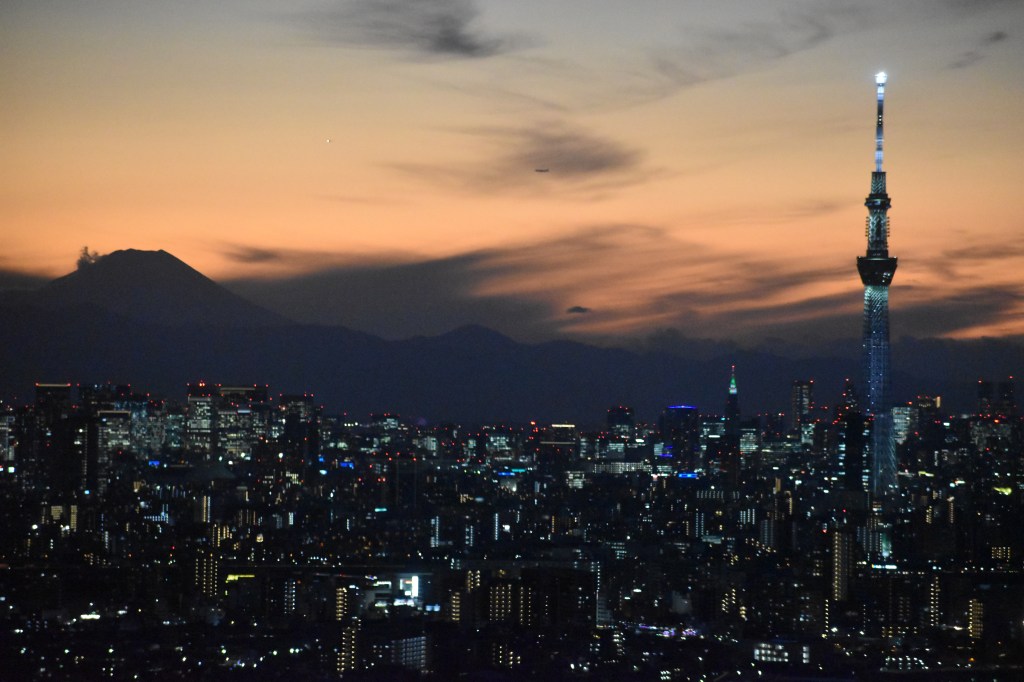
Why Tokyo
Because it is the easiest introduction to Japan and the hardest place to be bored. The city has the country’s best transport, its widest range of food, its biggest museums and its most extreme version of every neighborhood type, from temple districts to electronics arcades to quiet residential lanes. You can see a 17th-century shrine in the morning, a contemporary art museum after lunch and a nine-storey department store basement at dinner time, all within a few train stops.
It is also a practical base. Narita and Haneda connect it to the world, the Shinkansen leaves from Tokyo and Ueno, and day trips to Kamakura, Hakone, Nikko and Yokohama are genuinely easy. Many travellers start here, learn the rhythms of Japan, and then move west to Kyoto and Osaka with confidence.
How the city fits together
Tokyo is not one centre but many. The 23 special wards make up the core, each with its own high street and station, and the Yamanote Line loops around the biggest of them: Tokyo, Ginza, Shinagawa, Shibuya, Shinjuku, Ikebukuro and Ueno. Most first trips happen inside or just outside that loop.
The rough geography is simple. The west side, around Shinjuku and Shibuya, is shopping, nightlife and youth culture. The east side, around Asakusa and Ueno, is older Tokyo, temples and museums. The centre, around Tokyo Station and Ginza, is business, department stores and the Imperial Palace. The bay area, around Odaiba and Toyosu, is newer, more spacious and built for families.
Once you know which side of the loop you are on, the city becomes legible. A common mistake is booking a hotel in Shinjuku and planning an early morning at Tsukiji, which is a 30-minute train ride across town before the fish market opens. Choose your base around your first two mornings.
A very short history
Tokyo was Edo, a fishing village at the mouth of the Sumida River, until Tokugawa Ieyasu made it his capital in 1603. For the next 250 years it was the seat of the shogunate, a city of canals, wooden row houses and samurai estates, while the emperor remained in Kyoto. The name changed to Tokyo, eastern capital, in 1868 when the emperor moved here after the Meiji Restoration.
Modern Tokyo was shaped by disaster as much as by planning. The Great Kanto Earthquake of 1923 destroyed much of the city, and the firebombing of 1945 destroyed more. The postwar rebuilding produced the sprawling, low-rise city that visitors still find in the east, while the 1964 Olympics left the expressways, the Shinkansen and the hotels that made Tokyo a modern capital. The 2020 Olympics, held in 2021, added a new layer of stadiums and redevelopment.
That history explains the city’s texture: few grand monuments, many small neighborhoods, and a habit of rebuilding that keeps everything slightly new. The old survives in pockets, which is why Asakusa, Yanaka and Kagurazaka feel different from Shinjuku.
Where to stay
Shinjuku is the best all-round base for nightlife, restaurants and transport. It has the busiest station in the world, direct access to the airport limousine bus, and trains in every direction. The trade-off is crowds and noise, especially on the east side.
Shibuya suits shopping, design and a younger crowd, with good access to Harajuku and Nakameguro. It is louder and hillier than Shinjuku, and the station is a maze, but the energy is unmatched.
Tokyo Station and Marunouchi are ideal for Shinkansen departures, the Imperial Palace and Ginza. It is quieter at night, more expensive, and convenient if you are moving between cities.
Ueno and Asakusa are the value bases. Ueno has the museum district and direct trains to Narita; Asakusa has Senso-ji, the river and a slower, older atmosphere. Both are good for families and for travellers who want to keep costs down.
Ikebukuro is a practical budget option with excellent connections, and Ginza is for travellers who want polished hotels, department stores and sushi within walking distance.
Getting in from the airports
Haneda is the closer airport, about 15 minutes from Shinagawa by Keikyu Line and about 20 minutes from Hamamatsucho by the Tokyo Monorail. It is the better arrival if you can get a flight there.
Narita is about 40 minutes from Ueno by the Keisei Skyliner and about an hour from Tokyo Station by the Narita Express. Limousine buses run to major hotels and are easier with luggage, though they take longer in traffic.
If you arrive late, check the last train times before you book; taxis from Narita are very expensive, while Haneda taxis are tolerable. Suica and PASMO cards can be bought at the airports and used immediately.
Getting around
The rail network is the city. JR East runs the Yamanote loop and the main lines; Tokyo Metro and Toei run the subways. They are separate companies but fully integrated for fares, and an IC card covers all of them, plus buses and many shops.
For a first trip, a Suica or PASMO card is simpler than a pass. Add money, tap in and out, and top up at machines. A one-day Metro pass can pay off if you are making four or more subway journeys, but most visitors do not need to optimise that hard.
Rush hour is real: roughly 7:30 to 9:30 and 17:30 to 19:30 on weekdays. Avoid those windows with luggage, and if you must travel then, use the ends of the carriage and keep your bag in front of you.
Taxis are clean and safe but expensive, and traffic is slow. Use them for short trips at night, not for cross-city journeys. Cycling is pleasant in some neighborhoods but not a practical way to sightsee across the city.
The neighborhoods that matter
West: Shinjuku, Shibuya, Harajuku
Shinjuku is the city at its most vertical: department stores, izakaya alleys, the Kabukicho entertainment district and the free observation deck at the Tokyo Metropolitan Government Building. It is also the gateway to the Ghibli Museum in Mitaka, which requires advance tickets.
Shibuya is the crossing, the shopping and the rooftop views. The area around the station has been rebuilt with high-rise decks, and the backstreets towards Kamiyamacho and Tomigaya are full of small restaurants and coffee shops. Harajuku, one stop away, is Omotesando’s architecture and Takeshita Street’s chaos, with Meiji Jingu’s forest a short walk from the station.
East: Asakusa, Ueno, Yanaka
Asakusa is the temple district, centred on Senso-ji and the Nakamise shopping street. It is busiest from mid-morning, so go at 7:00 if you want the main hall and the lantern almost to yourself. The Sumida River walk and the view of Tokyo Skytree are part of the same morning.
Ueno has the Tokyo National Museum, the science museum and a large park, and it is the departure point for trains to Narita. Yanaka, next door, is old low-rise Tokyo with a cemetery, temples and a shopping street that feels a generation behind the rest of the city.
Centre: Tokyo Station, Ginza, Imperial Palace
The Imperial Palace’s East Gardens are free and open to the public on most days, with the palace itself visible only on guided tours. The walk from Tokyo Station through Marunouchi to Ginza is one of the most elegant in the city, and Ginza’s department stores and basements are a destination in themselves.
South and bay: Shinagawa, Odaiba, Toyosu
Shinagawa is a transport hub and a good base for the Shinkansen. Odaiba and Toyosu are newer, with teamLab Planets, the Toyosu fish market and waterfront parks; they suit families and anyone who wants space after the crowds.
Quieter corners
Shimokitazawa is vintage shops and small live houses; Nakameguro is the canal, cherry trees and cafes; Kagurazaka is lanes, French bakeries and geisha history. These are not first-trip priorities, but they are where Tokyo feels most liveable.
A three-day plan
Day 1: East side
Start at Senso-ji at 7:00, walk Nakamise before the shops open, then cross the Sumida River and continue to Tokyo Skytree for the view. After lunch, take the train to Ueno for the Tokyo National Museum, and finish with a walk through Yanaka at dusk.
Day 2: West side
Begin at Meiji Jingu when it opens, walk through Harajuku to Omotesando, then spend the afternoon in Shibuya. Stay for the crossing at dusk and the city lights, and have dinner in one of the small restaurants west of the station.
Day 3: Centre and choice
Walk the Imperial Palace East Gardens in the morning, then Ginza for lunch and department-store basements. In the afternoon, choose one: teamLab in Toyosu, the Mori Art Museum in Roppongi, or a slow afternoon in Kagurazaka. Finish with yakitori under the tracks at Yurakucho.
If you have a fourth day, take a day trip rather than adding another district. Kamakura and Hakone are the classics, and both are manageable as a long day from central Tokyo.
Food
Tokyo has more restaurants than any city needs, and the best meals are often not the famous ones. Sushi at the top end requires booking and a budget; sushi at lunch is often half the price of dinner for the same counter. Ramen is everywhere and ranges from rich tonkotsu to clean shio; look for queues of locals at lunchtime.
Tempura has dedicated counters where it is fried to order, and soba and udon are cheap, fast and good. Yakitori under the railway arches at Yurakucho and in Shinjuku’s Omoide Yokocho is a classic evening. Department store basements, the depachika, are the best place to assemble a picnic or buy gifts, especially at closing time when discounts appear.
For a splurge, book a kaiseki dinner or a Michelin-starred counter well ahead. For a cheap day, convenience store onigiri and a bakery breakfast are perfectly good. Tipping is not practised, and service charges are usually included.
Tokyo on a budget
Tokyo can be cheap if you separate the city from its reputation. The most memorable sights are free: Senso-ji, Meiji Jingu, the Imperial Palace East Gardens, the Tokyo Metropolitan Government Building observatory, the Sumida River walk and the Yanaka streets. Parks cost nothing, and the train fare between neighborhoods is usually a few hundred yen.
Food is where budgets are won or lost. A bowl of ramen or soba at lunch costs less than a coffee in some cities, and standing sushi counters, curry shops and gyudon chains are reliable and fast. Convenience stores are genuinely good for breakfast, and department-store basements sell discounted prepared food near closing. Alcohol is cheap at supermarkets and expensive in bars.
Accommodation is the biggest variable. Ueno, Asakusa and Ikebukuro have the best value hotels and hostels, and they are well connected. Staying one or two stops outside the Yamanote loop can cut the price significantly without adding much travel time. Avoid Golden Week and cherry blossom season if you are on a tight budget, when prices jump.
Seasons and events
Cherry blossom usually peaks in late March to early April, and the city’s parks fill for hanami. Autumn colour arrives in late November and early December, with Ginkgo Avenue and the temple gardens at their best. Summer is hot and humid, with fireworks and festivals; winter is dry, cold and clear, with illuminations from November.
The Sumida River fireworks are scheduled for 25 July in 2026, and Sanja Matsuri, Asakusa’s biggest festival, runs from 15 to 17 May 2026. Golden Week, from late April to early May, is the busiest domestic travel period of the year; book trains and hotels well ahead or avoid it entirely.
Day trips
Kamakura is about an hour away and combines temples, the Great Buddha and a coastal walk. Hakone is about 90 minutes and offers onsen, Lake Ashi and views of Mount Fuji on clear days. Nikko is around two hours and rewards an early start with shrines and forest. Yokohama is 30 minutes and good for a harbour walk and Chinatown. Kawagoe is an hour and preserves a street of Edo-period warehouses, and Mount Takao is under an hour for a half-day hike.
All of these are covered in more detail in the linked guides below. The general rule is to leave early, buy a reserved seat if the line offers one, and accept that a day trip means one area rather than three.
Money and practicalities
Japan is still more cash-friendly than most visitors expect. Cards work at hotels, department stores and chain restaurants, but small shops, shrines and some restaurants are cash only. Carry a few thousand yen and use 7-Eleven ATMs for withdrawals.
Trash bins are scarce, so carry a small bag for rubbish. Trains are quiet and phone calls are not done; stand on the left of the escalator in Tokyo and leave the right side for people walking. Queuing is orderly and line-jumping is noticed.
Many museums and observation decks now require timed tickets, especially teamLab, the Ghibli Museum and Shibuya Sky. Book before you travel, and check closure days: the Imperial Palace East Gardens, the Ghibli Museum and some museums close on Mondays or on irregular days.
Rainy days
Tokyo handles rain well, and some places are better wet. The Tokyo National Museum, the National Museum of Nature and Science, teamLab and the Mori Art Museum are all indoor. Department stores and underground concourses connect much of Ginza and Tokyo Station, and a rainy evening in a small izakaya is not a wasted one. Avoid the observation decks on low-cloud days, when the view disappears.
Before you go
Decide your base by your first two mornings, not by hotel price alone. Get an IC card at the airport, load it, and stop thinking about tickets. Book the one or two timed attractions you care about, and leave the rest of the day loose. Check the dates for Golden Week, the Sumida fireworks and Sanja Matsuri if you want them, or plan around them if you do not. Pack shoes you can walk in, bring a small bag for rubbish, and keep some cash. Tokyo rewards preparation with ease, and it rewards curiosity with the best city days in Japan.
Sources
- Tokyo Convention & Visitors Bureau: official city guide (checked 2026-10-26)
- Japan National Tourism Organization: Tokyo and rail travel (checked 2026-10-26)
- Tokyo Metropolitan Parks: gardens and opening days (checked 2026-10-26)
Explore More of Japan
- Asakusa and Senso-ji Travel Guide — the east side in detail
- Shibuya Travel Guide — the crossing and beyond
- Tokyo Skytree Travel Guide — tickets and views
- Tsukiji Outer Market Travel Guide — breakfast and seafood
- Kamakura Travel Guide — the best day trip
- Hakone Travel Guide — onsen and Mount Fuji views


Leave a Reply