Planning a trip? Hotels near Tsuwano · Tickets and tours (affiliate links)
Tsuwano is the kind of place that rewards a slower pace. A small castle town in western Shimane, it packs a mountain castle, a hillside shrine with a tunnel of red torii, a canal full of carp, a Gothic church with a tatami floor, and the birthplace of one of Japan’s most important modern writers into a walkable grid of white walls and dark roof tiles. It is often called the Little Kyoto of San’in, a nickname that sets expectations high. Tsuwano does not need the comparison. Its scale is smaller, its streets quieter, and its history is very much its own.
This guide is designed for travellers who are actually going. It covers what is worth your time, what each ticket costs, how the trains and buses work, where to eat, where to sleep, and the small practical details that decide whether a day in Tsuwano feels relaxed or rushed. It also explains the parts of Tsuwano’s story that are difficult, including the persecution of Christians at Otome Pass. Those places are not attractions in the usual sense. They are memorials, and they deserve to be treated as such.
Why Tsuwano belongs on your San’in itinerary
Most first-time visitors to the San’in region build an itinerary around Izumo Taisha, Matsue, and maybe Iwami Ginzan. Tsuwano sits further west, close to the Yamaguchi border, and is easy to skip. That would be a mistake. The town offers a concentration of sights that would be spread across a much larger area elsewhere, and the spaces between them are pleasant rather than merely functional. You can walk from a train station to a canal of carp, climb a hill to a shrine, ride a chairlift to a castle ruin, and be back in time for an early dinner.
The town is also a useful bridge between Shimane and Yamaguchi. Hagi is about 75 minutes away by car, Masuda about 45 minutes, and the Yamaguchi Line connects Tsuwano directly with Shin-Yamaguchi, the shinkansen stop for the region. That makes Tsuwano a natural overnight stop between Hiroshima and the San’in coast, or a day trip from either end. Staying one night changes the experience considerably: day-trippers see the main street in the middle of the day, while overnight guests get the early morning and evening when the town is at its quietest.
What Tsuwano is not: a theme park, a shopping destination, or a place with a busy nightlife. Many shops close in the late afternoon. Restaurants stop serving lunch early. If you arrive at 15:00 expecting a full afternoon of museum visits, you will find several doors already closed. The town works best with a plan that starts early and leaves room for walking.
Tsuwano at a glance
| Region | Kanoashi District, western Shimane Prefecture, Japan |
|---|---|
| Best known for | Taikodani Inari Shrine, Tsuwano Castle ruins, carp canals, Mori Ogai, Sagi-mai heron dance |
| Suggested stay | One full day minimum; two days to include Horiteien and Otome Pass without rushing |
| Access | JR Yamaguchi Line from Shin-Yamaguchi or Masuda; about 40 minutes by car from Rokukuchi IC |
| Getting around | Walkable centre; taxi, bus, or rental bicycle for the shrine, castle lift, and Horiteien |
| Best season | Late March to early April for cherry blossom; October and November for autumn colour and clear air |
| Main caveat | Many museums close on Mondays or Thursdays; the castle lift stops on winter weekdays; restaurants close early |
Where Tsuwano is and how to reach it
Tsuwano lies in a narrow basin in the far west of Shimane, surrounded by hills and close to the Yamaguchi prefecture line. The town is compact, but the approach is not always quick. The nearest shinkansen station is Shin-Yamaguchi, and the nearest airport is Hagi-Iwami Airport, which serves Tokyo and seasonal Osaka flights. Most international travellers reach the area via Hiroshima or Osaka.
By train
The JR Yamaguchi Line runs from Shin-Yamaguchi to Masuda, with Tsuwano in the middle. From Shin-Yamaguchi, the journey takes roughly 70 to 90 minutes on ordinary trains, and less on limited expresses that stop at Tsuwano. From Masuda, it is about 30 to 40 minutes. The line is scenic, following rivers and passing through small stations, and the final approach into Tsuwano gives a good view of the town tucked into the hills.
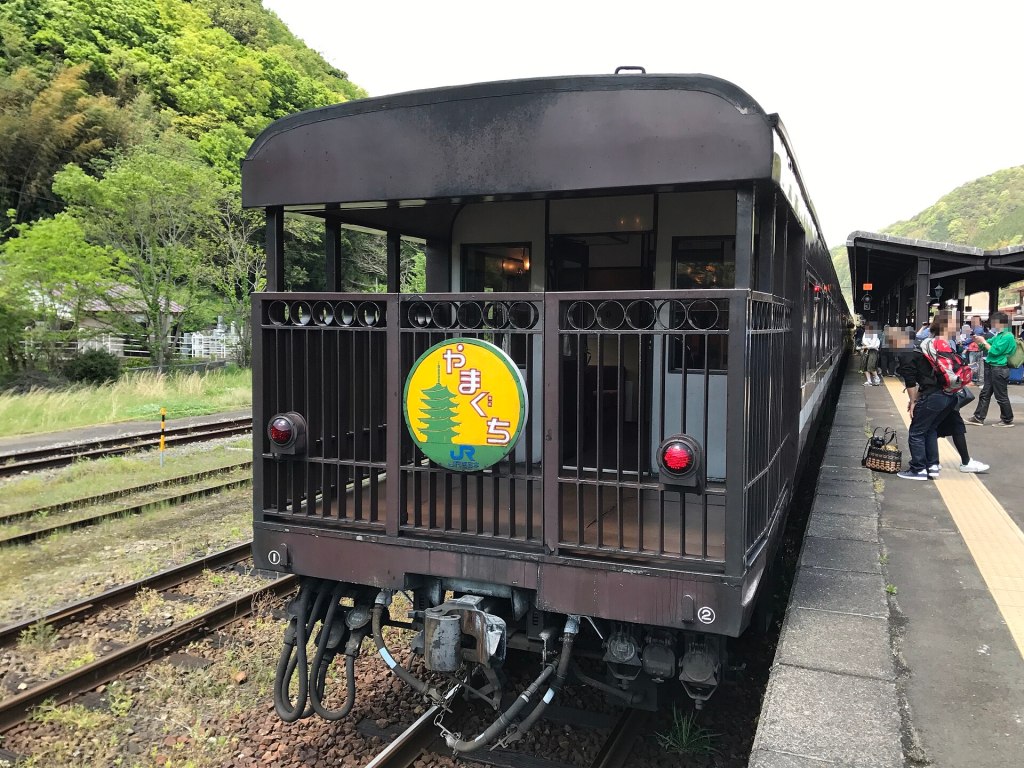
The famous option is the SL Yamaguchi, a steam-hauled excursion train that runs on selected weekends and holidays, mainly from spring to autumn. In 2026 it is scheduled to leave Shin-Yamaguchi at 10:52 and arrive at Tsuwano at 13:06, returning from Tsuwano at 16:12 and reaching Shin-Yamaguchi at 18:00. It is not a cheap commuter service: a reserved seat costs 1,680 yen on top of the normal fare, and the green car costs 2,500 yen on top of the fare. The train is popular and sells out, so book well ahead if this is a priority. It is also worth checking the operating calendar, because the schedule changes by season and some months have no commercial runs.
From Hiroshima, take the shinkansen to Shin-Yamaguchi (about 35 to 40 minutes) and change to the Yamaguchi Line. From Osaka, the shinkansen to Shin-Yamaguchi takes around two hours, then add the local train. From Tokyo, it is roughly four and a half to five hours to Shin-Yamaguchi by shinkansen, plus the final leg. If you are coming from Matsue or Izumo, the train route usually means backtracking via Shin-Yamaguchi or taking a bus and train through Masuda; a car is faster for that combination.
By air
Hagi-Iwami Airport is the closest airport, about 40 minutes from Tsuwano by car. Flights from Tokyo Haneda take about 90 minutes. Osaka Itami service is seasonal, so check the current timetable before building a trip around it. There are buses from the airport to Masuda and Hagi, but connections to Tsuwano are limited; a rental car from the airport is the simplest option if you are flying in.
By car
From the Chugoku Expressway, leave at Rokukuchi IC and follow Route 187 and Route 9; the drive to Tsuwano takes about 40 minutes. From Hagi, it is about 75 minutes. From Masuda, about 45 minutes. From Izumo or Matsue, allow around three hours via the San’in Expressway and Route 9. The roads into Tsuwano are ordinary two-lane roads, and winter snow can slow things down, especially on the passes.
Parking is easier than in many Japanese castle towns. The station car park takes about 30 cars and costs 500 yen for the day and 300 yen at night, with the first 30 minutes free. Entering the Anno Mitsumasa Art Museum makes the station parking free. There are also private car parks around Tonomachi-dori for about 500 yen a day. Taikodani Inari Shrine has a free car park for about 100 cars near the top, and the castle lift has a free car park for about 15 cars. On weekends and holidays, the Tsuwano town hall car park may also be open to visitors; follow the temporary signs.
Park and ride
If you are using the Yamaguchi Line for a side trip, the station car park offers a park-and-ride arrangement. Buy a return ticket from Tsuwano at the station, show the ticket and the parking ticket at the tourist association during its opening hours, and you can receive a parking pass for the period covered by the return ticket. The tourist association is inside the station and open from 9:00 to 17:00. This is a useful option for people staying elsewhere on the line and visiting Tsuwano without a car in town.
Getting around Tsuwano
The centre is small enough to walk. From Tsuwano Station to the middle of Tonomachi-dori is about 700 metres, or 10 minutes on foot. The street continues past the Catholic church, the Ogai museum, and the canal, and then gently rises toward the castle mountain. The station to the foot of the Taikodani Inari torii path is about 1.2 kilometres, and the climb from there to the main hall takes another 15 minutes or so. The castle lift is further out, about 2.9 kilometres from the station, and is usually reached by car or taxi.
For the shrine and castle, walking is possible but consumes time and energy. A taxi from the station to the shrine takes about 5 to 8 minutes and costs roughly 1,000 to 1,500 yen; confirm the fare locally. Many visitors take a taxi up to the shrine, walk down through the torii, and then continue into town. The reverse is harder, because the climb is steep and the steps are uneven.
Public transport is limited but usable. The town bus costs 200 yen per ride for adults and 100 yen for children. The Castle Town Tsuwano One-Day Bus Pass costs 800 yen for junior high school students and older, and 400 yen for elementary school students, and covers the Iwami Kotsu and town buses. It also gives discounts at several museums and facilities. The pass is sold at the tourist association inside the station and at the Michi-no-Eki Tsuwano Onsen Nagomi-no-Sato. It is valid for the 2026–2027 fiscal year, so check the current date and route map when you arrive.
Rental bicycles are available at the station. The tourist association rents electric-assist bicycles from 9:00 to 17:00, at 1,000 yen for three hours or 1,500 yen for a day. There is also a share-cycle service with ports at the station, the Ogai museum, the castle lift, the community centre, Nagomi-no-Sato, Horiteien, Yutorelo Tsuwano, and the Japan Heritage Centre; prices start at 500 yen for one hour and 2,000 yen for 24 hours. Bicycles are useful for Horiteien and the castle lift, but the shrine path is a staircase, not a ride.
Luggage is a practical issue. The station has 24 coin lockers outside the ticket gate: small 300 yen, medium 400 yen, and large 600 yen, cash only, with no change machine. They are available from the first train to the last. The shop opposite the station also offers left luggage for a fee, and rental cycle users can leave bags there free. If you are carrying a large suitcase and plan to climb the shrine steps, use a locker first.
A short history of the castle town
Tsuwano’s story begins with a mountain castle. The Yoshimi clan built a fortress on Mount Reiki in 1295, and the town grew around the foot of the mountain over the following centuries. The castle was unusual for a prolonged period of peace: it remained a working mountain castle rather than being replaced by a flatland compound. After the Battle of Sekigahara, Sakazaki Naomori took control in 1601 and rebuilt the defences with high stone walls and an outer enclosure known as the Demaru. The Kamei clan arrived in 1617 and ruled for eleven generations as lords of a 43,000-koku domain until the Meiji Restoration.
The castle’s keep burned down in 1686 after a lightning strike and was never rebuilt. What remains is the shape of the mountain: deep ditches, stone-faced enclosures, gate sites, and long views over the town. That absence is part of the appeal. You are not looking at a reconstruction; you are reading a defensive layout in the landscape.
Tsuwano was also a place of learning. The domain school, Yoroikan, was founded in 1786 and moved to its present site in 1855. It produced a remarkable number of people who shaped modern Japan, including the philosopher Nishi Amane, the writer Mori Ogai, and the geologist Koto Bunjiro. The school’s surviving buildings are now a modest museum, and the surrounding streets still carry the names and traces of the samurai quarter.
The Meiji period brought upheaval. In 1868, the new government exiled 153 Catholics from Urakami in Nagasaki to Tsuwano as part of its campaign against Christianity. The Tsuwano domain first tried persuasion, then torture. Thirty-seven people died between 1868 and 1872. The site of their suffering, Otome Pass, is now a Catholic memorial with a chapel and a small museum. It is one of the most important places in Tsuwano, and one of the least like a conventional sightseeing stop.
The best things to do in Tsuwano
1. Climb through 1,000 torii at Taikodani Inari Shrine
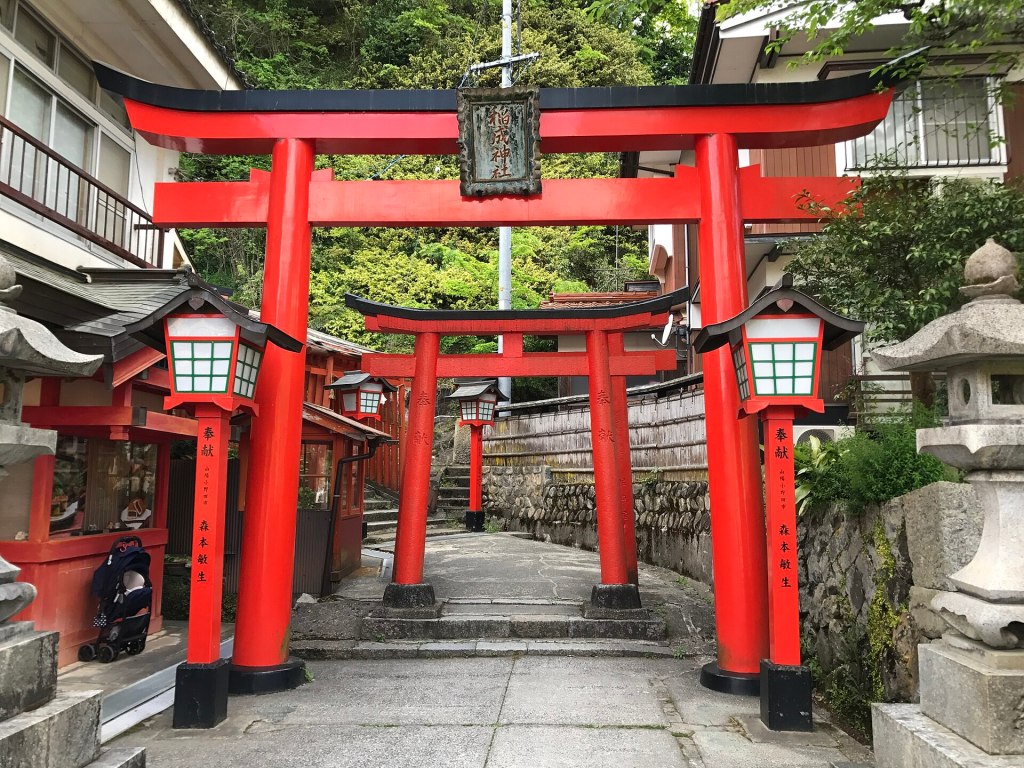
Taikodani Inari Shrine is the image most people carry of Tsuwano: a red tunnel of torii climbing a wooded hillside, with the town spread out below. The shrine was founded in 1773 by the seventh Kamei lord, who invited the deity from Fushimi Inari in Kyoto to protect the castle and the domain. It is counted among Japan’s five great Inari shrines, and its name uses the character nari (成, “fulfilment”) rather than the more common Inari (稲荷), a local choice associated with answered prayers.
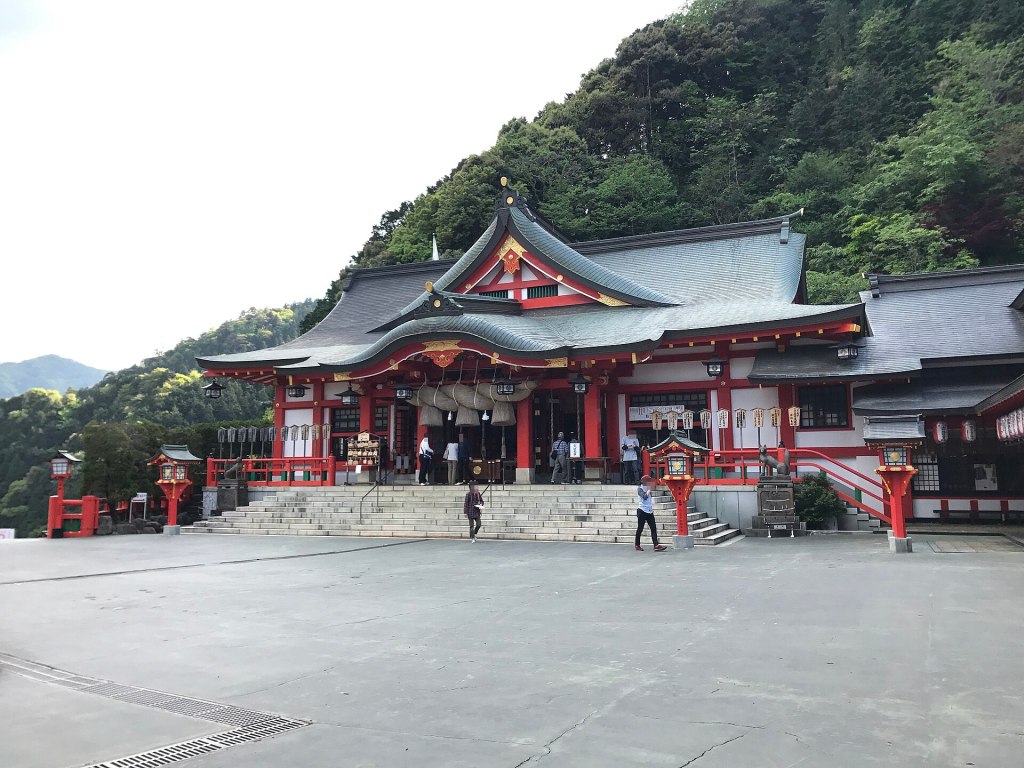
The main approach has 263 stone steps and around 1,000 torii. Most of the torii were donated in gratitude, with a smaller share for specific wishes; they are replaced over time, so the exact number changes. The climb takes about 15 minutes at a steady pace, longer if you stop for photos. At the top, the main hall, the gate, and the viewpoint over the town are the rewards. The gate is closed in the centre except at New Year and during festivals; use the side openings.
A local custom sets Taikodani apart. Worshippers offer fried tofu and a candle at the offering stands, and the shrine sells sets of fried tofu for this purpose. There is also a four-site pilgrimage within the grounds, visiting the original shrine, the Myobu shrine, the new hall, and the worship point behind it, leaving an offering at each. You do not have to follow the full custom to visit respectfully, but it explains why you may see tofu on the stands rather than the usual coins and sake.
Practical details: the grounds are open at all hours and admission is free. The shrine car park holds about 100 cars and is free; from the car park, a short flight of steps leads up to the main hall. The shrine office accepts prayers from 9:00 to 16:00 and sells goshuin for about 300 yen; a goshuin book costs about 2,000 yen. There is no change given for offerings, so bring small coins. The climb is exposed in places and the steps are uneven; wear shoes with grip and avoid the middle of a summer afternoon if you can.
If you want the classic photograph, arrive before 9:00. The light is softer, the tour groups have not arrived, and the town below is still quiet. The shrine is especially busy at New Year, when traffic restrictions apply on the access road, and during the Hatsu-uma festival in February. At those times, check the town’s traffic notices before driving up.
2. Ride the lift to Tsuwano Castle
Tsuwano Castle sits on Mount Reiki, about 362 metres above sea level and roughly 200 metres above the town. It is a genuine mountain castle, with stone walls, ditches, and gate sites spread across a long ridge. The keep is gone, but the arrangement of the enclosures is easy to read, and the view from the top explains why the castle was placed here: three sides of the mountain are protected by the Tsuwano River.
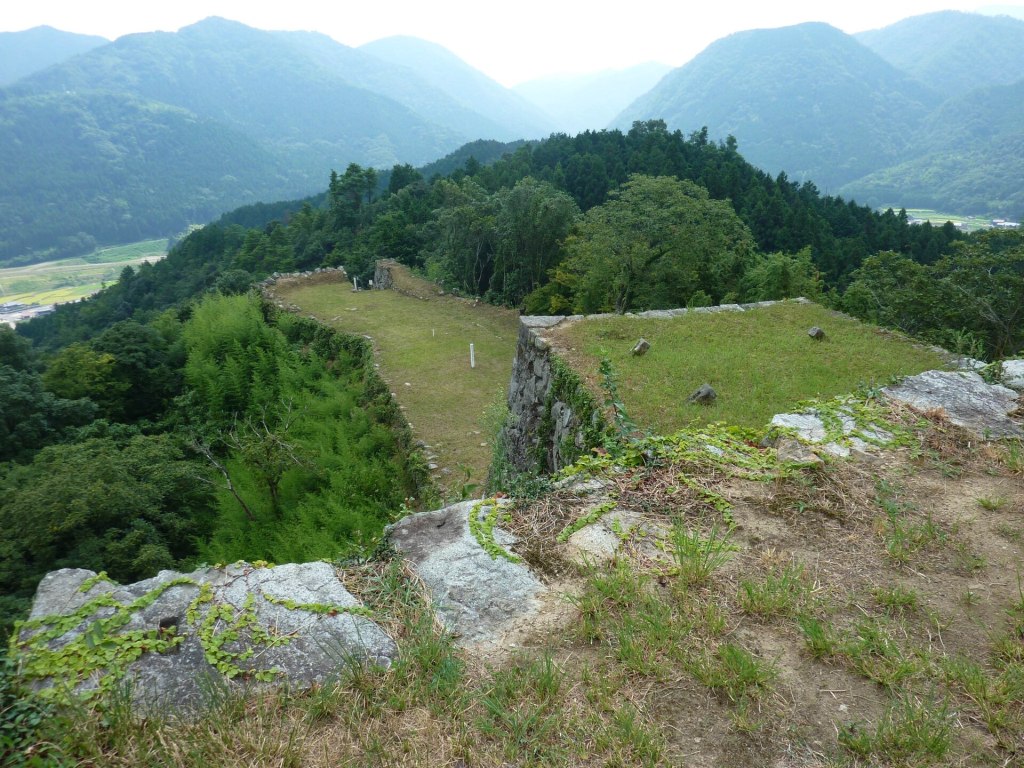
The easiest way up is the castle lift, a two-seat chairlift that runs from the base near Taikodani Inari Shrine to a point below the ridge. The lift takes about five minutes, and from the upper station it is another 20 minutes on foot to the main castle area. The path is uneven and includes stone steps; allow 40 minutes for the round trip on foot from the lift, plus time at the top. A full visit using the lift usually takes 60 to 90 minutes. Walking from the town takes considerably longer, around two to two and a half hours for the round trip, and is best for people who want the approach as much as the ruins.
Practical details: admission to the castle ruins is free. The lift costs 700 yen for an adult return, 500 yen for a child, or 400 yen and 300 yen one way. It runs from 9:00 to 16:30, with the last downhill run at 16:20. From 1 December to the end of February, the lift is closed on weekdays except for weekends, holidays, and 1–3 January; the castle itself remains open, but you must walk. The lift car park holds about 15 cars and is free. The Japan 100 Famous Castles stamp is at the lift ticket office, and you can stamp it even when the lift is not running, from 9:00 to 17:00, if staff are present.
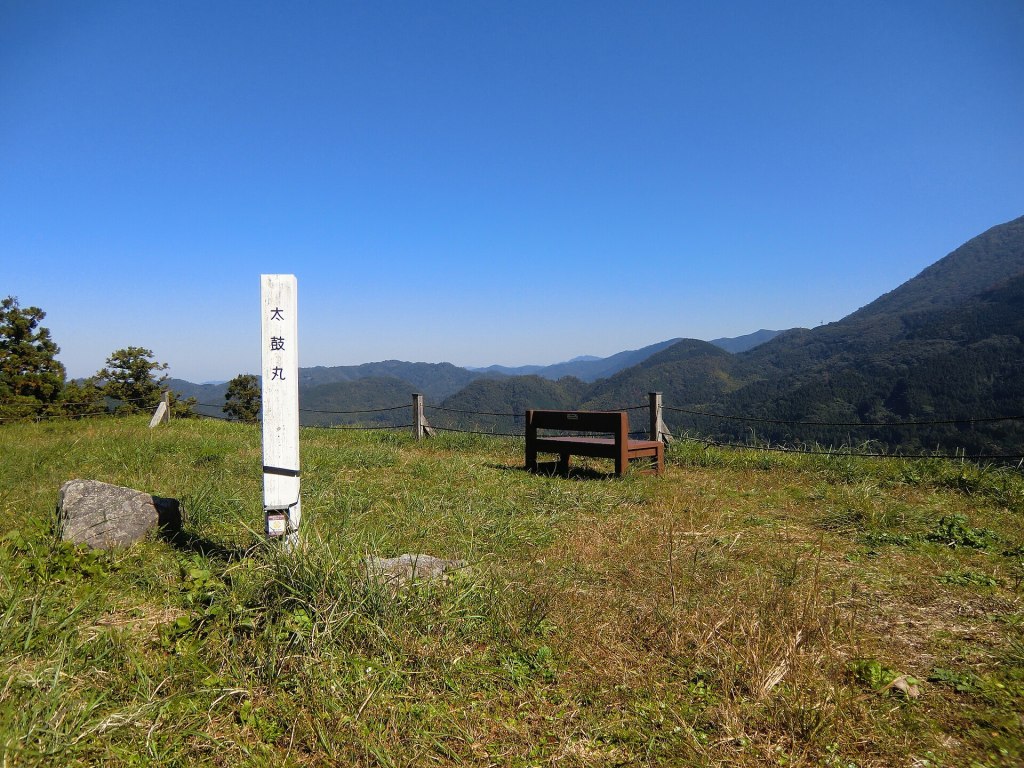
The castle is not a place for sandals or a rushed visit. The stones are irregular, some sections have no railing, and the wind is stronger than in town. Bring water in summer and a jacket in autumn. The reward is one of the best views in western Shimane, especially when the morning mist sits in the valley below.
3. Walk Tonomachi-dori and the carp canals
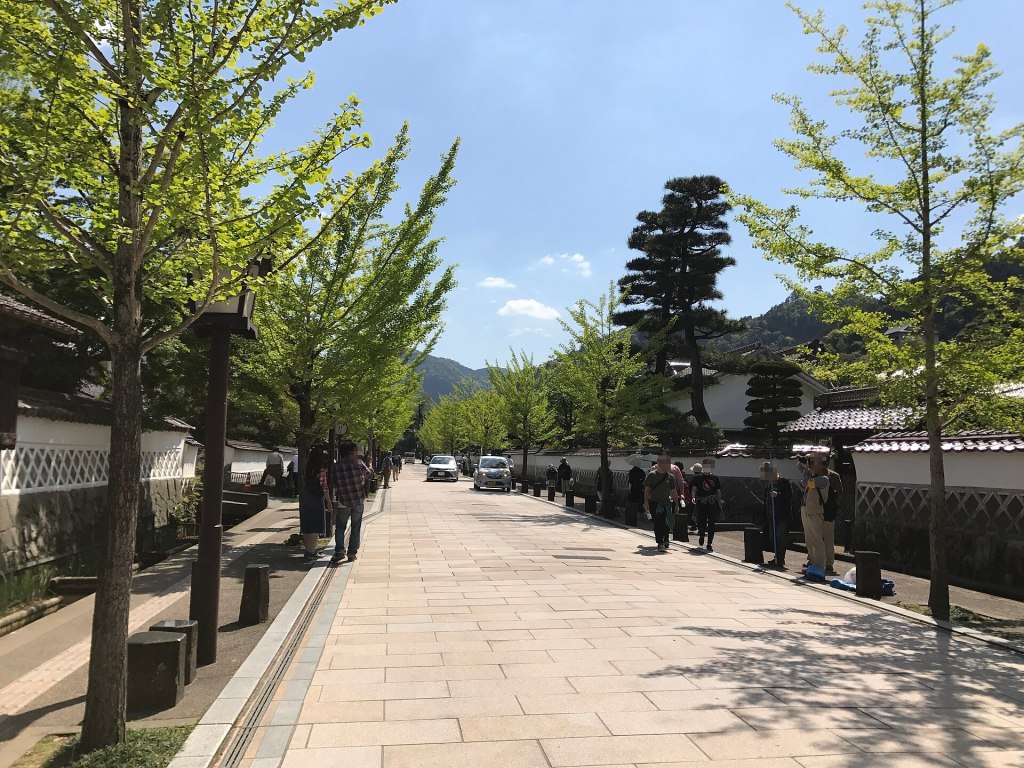
Tonomachi-dori is the old samurai quarter, a street of white plaster walls, dark wooden gates, and narrow water channels. The carp are the stars. They were introduced in the Edo period, and the canal became a symbol of the town. The story is not entirely a happy one: a major flood in 2013 washed many fish away, and koi herpesvirus reduced the population further. By 2024 the canal held fewer than 200 carp, down from more than 500 in the early 2010s. A local project added 23 new koi in April 2025 and is working on separating sections of the canal to manage disease.
That matters for expectations. You may see a dense shoal in one stretch and very few fish in another. The town is actively trying to restore the population, and visitors can help by not feeding bread, snacks, or sweets. If feeding is allowed, use only the feed sold for the purpose, and follow the signs. The canal is a living piece of infrastructure, not a petting zoo.
The street itself is best early in the morning or late in the afternoon, when the tour buses have gone and the light rakes across the white walls. Several houses open their gates as small museums or shops, including the former residence of the Kamei family’s senior retainers. The Catholic church, the Ogai museum, and the Sarashiki complex are all along or just off this street, so it makes sense to walk it slowly rather than treat it as a corridor between sights.
4. Visit Mori Ogai’s birthplace and museum
Mori Ogai was born in Tsuwano in 1862 and spent his early childhood here before moving to Tokyo. He became a military doctor, a translator, a novelist, and one of the central figures of modern Japanese literature. His works include Maihime (“The Dancing Girl”) and Gan (“The Wild Geese”). The old house where he was born is a national historic site, and the museum next door is the first dedicated Ogai museum in the world.
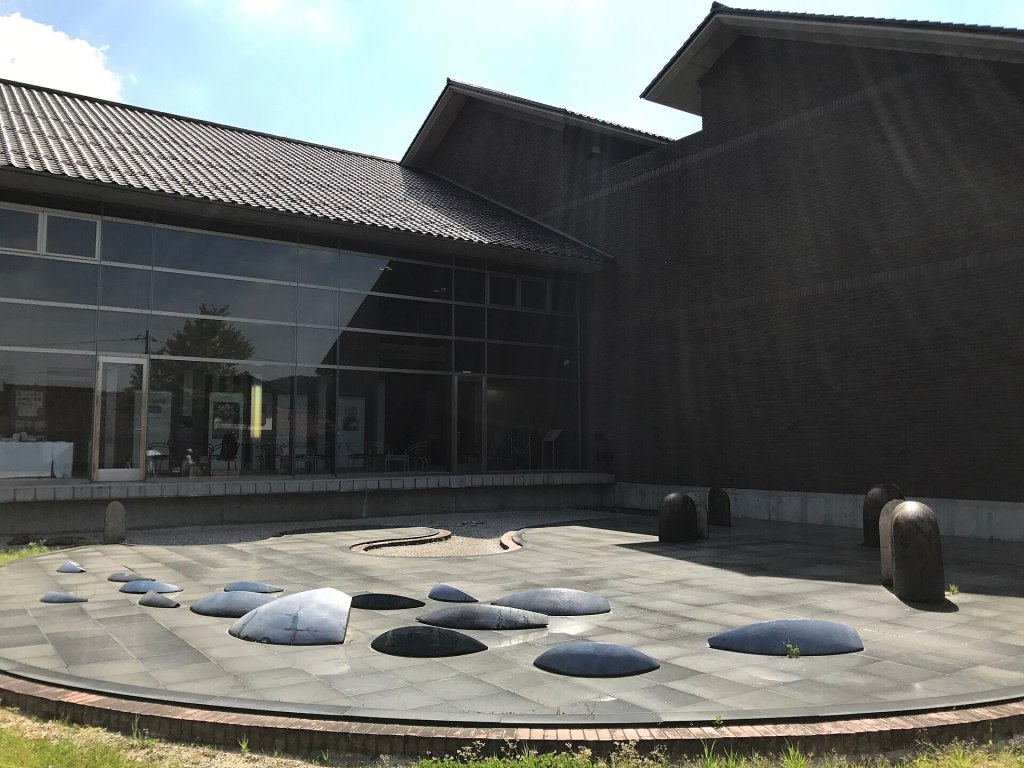
The old house is small and plain, which is part of its interest: it shows the scale of a doctor’s family in a castle town, not a grand literary shrine. The museum displays manuscripts, letters, medical instruments, and photographs, and explains Ogai’s life through his time in Tsuwano, Tokyo, Germany, and the battlefields of the Russo-Japanese War. You do not need to know his work in advance to follow the story, though readers will get more from it.
Practical details: the museum is open from 9:00 to 17:00, with last entry at 16:45. It is closed on Mondays, or the following day if Monday is a public holiday, and from 29 to 31 December. Admission is 600 yen for adults, 400 yen for junior and senior high school students, and 250 yen for elementary students; the ticket includes the old house. The old house alone costs 100 yen and has no closing day. The museum is about a 10-minute walk from the station, or a short bus ride to the Ogai Kyokan-mae stop.
5. Tsuwano Catholic Church and Otome Pass
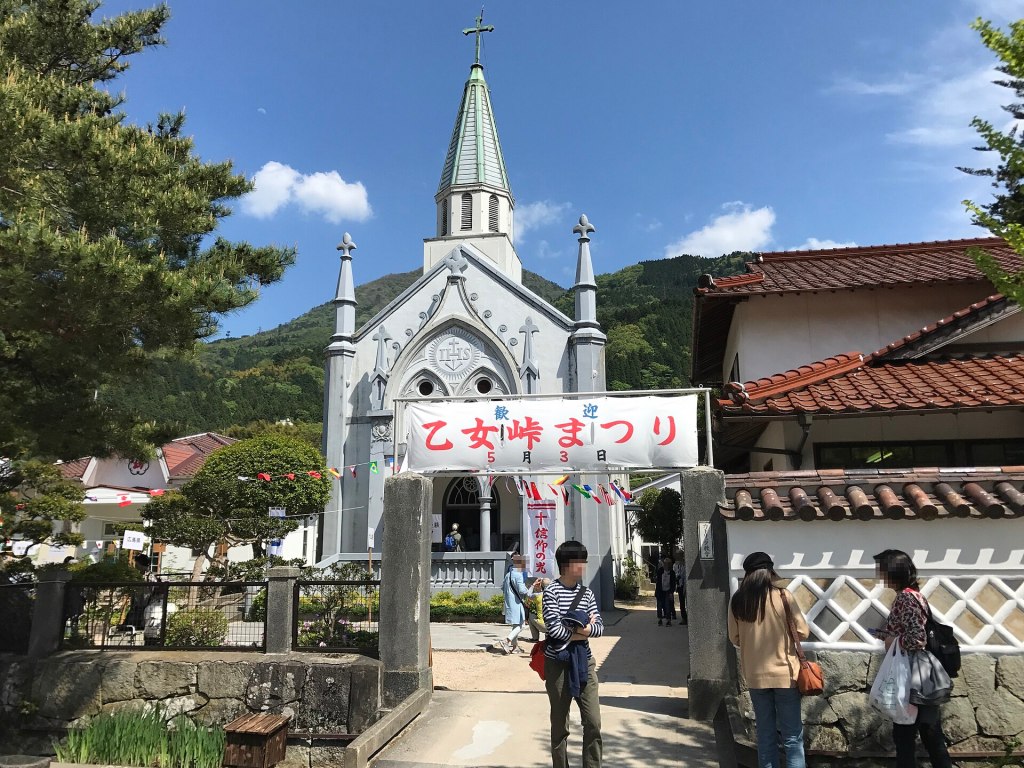
Tsuwano Catholic Church is an unexpected sight in a castle town: a Gothic-style wooden church with a mortar exterior, built in 1931 by a German priest, Father Schäfer. Inside, the floor is covered with tatami mats, and the stained glass throws colour across the dark wood. The church is open from 8:00 to 17:00 and admission is free. Visitors are welcome, but it is an active parish; keep voices low, do not use flash, and do not enter areas marked private. The adjoining exhibition room on the Otome Pass martyrs is supported by donations.
Otome Pass is about two kilometres from the church, a 20-minute walk from the station or a short taxi ride. In 1868, 153 Catholics from Urakami in Nagasaki were brought to Tsuwano and imprisoned at the site of the old Korinji temple. They were pressured to renounce their faith; when they refused, they were subjected to torture, including hunger, cold, and confinement in tiny cells. Thirty-seven died between 1868 and 1872. The site is now a memorial park with a chapel dedicated to the Virgin Mary and the martyrs, built in 1951, and a path lined with Stations of the Cross.
The walk from the car park to the chapel is short but steep, and the path can be slippery with moss and leaves. Wear shoes with grip. The chapel is open freely and there is no admission charge. A memorial mass is held on 3 May each year, and the site is busy on that day. This is not a place for loud commentary or posed photos; the quiet is the point.
6. See the Sagi-mai heron dance
Sagi-mai is Tsuwano’s most distinctive festival. The heron dance is performed on 20 and 27 July as part of the Yasaka Shrine summer festival. The dance came to Tsuwano from Kyoto’s Gion festival by way of Yamaguchi in the 16th century, and it has been maintained in a form that is now recognised as an Important Intangible Folk Cultural Property. In 2022 it was also inscribed on the UNESCO Representative List of the Intangible Cultural Heritage of Humanity as part of the Furyu-odori tradition.
The performance is a procession as much as a dance. Two dancers wear white costumes and tall heron heads, accompanied by stick dancers, drummers, flute players, and singers. They move between fixed locations in the town, performing at each. On 20 July the procession starts from the Tsuwano Community Centre near Tonomachi-dori at around 16:00 and visits 11 places, ending back at the community centre around 18:10. On 27 July it starts at the same place and visits nine locations, finishing at Yasaka Shrine and the community centre around 18:20. The times are approximate and can shift with the weather and crowd.
If it rains, the dance moves indoors to the community centre gymnasium opposite the town hall. The event is free to watch, but accommodation in Tsuwano fills up around both dates, and the town is busy. If you want to see Sagi-mai, book a room months in advance and plan to stay the night, because the last trains leave before the procession finishes.
7. Anno Mitsumasa Art Museum
Anno Mitsumasa was born in Tsuwano in 1926 and became one of Japan’s most celebrated illustrators and picture-book artists, winning the Hans Christian Andersen Award. The museum beside the station holds around 120 of his works, including picture-book illustrations, travel landscapes, book covers, and posters. There is also a reconstruction of his studio, a 1930s-style classroom, a library, and a small planetarium whose programme includes Anno’s own reflections on Tsuwano and the changing seasons.
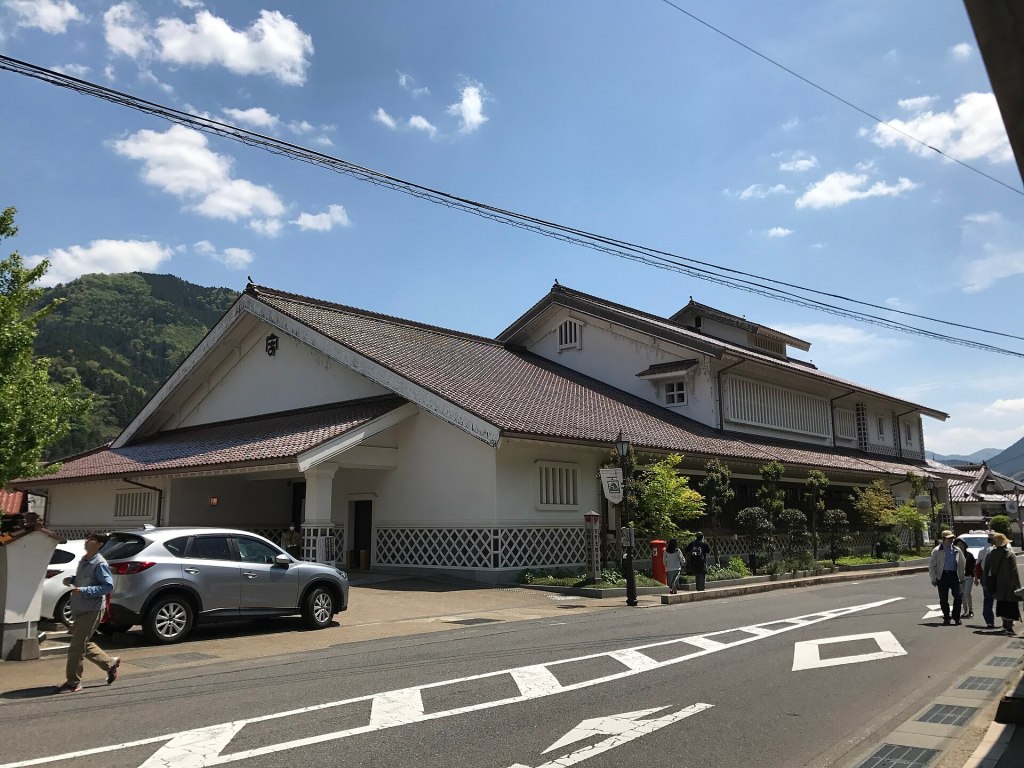
Practical details: the museum is open from 9:00 to 17:00, with last entry at 16:45. It is closed on Thursdays, except public holidays, and from 29 to 31 December. Admission is 800 yen for adults, 400 yen for junior and senior high school students, and 250 yen for elementary students; the planetarium is included. The museum is a one-minute walk from the station and has 10 free parking spaces. If the lot is full, use the station car park and show your ticket at the museum reception for a free pass.
The 2026 autumn exhibition, running from 11 September to 9 December, focuses on Anno’s travel landscapes and his black-and-white work, including illustrations from Anno’s Italy and Anno’s Forest. Exhibitions change, so check the museum’s current schedule before making it the centrepiece of a trip.
8. Horiteien garden
Horiteien is a 6.5-hectare garden complex in the Horikawa area, about 20 minutes by bus from the station. It is a nationally designated Place of Scenic Beauty, and its four gardens represent different eras: the Edo-period main garden, the Meiji-era Rakuzanso garden, the Taisho-era Warakuen garden, and the Showa-era garden of the former Hatazawa Hospital. The result is less a single garden than a walk through several ways of shaping a landscape.
Practical details: the garden is open from 9:00 to 16:30 and closed on Mondays, except in November when only the last Monday is closed; if Monday is a holiday, it closes the following day. It is also closed from 29 December to 3 January. Admission is 500 yen for adults, 300 yen for junior and senior high school students, and 200 yen for elementary students. A combined ticket with the former Hatazawa Hospital costs 600 yen, 400 yen, and 250 yen. The garden is served by the town bus to Horiteien, and the one-day bus pass covers the route. There is parking for 30 cars and 7 buses.
Horiteien is the one major sight that genuinely requires a bus or car. If you have only one day, it is the first thing to drop. If you have two days, it is a pleasant half-day, especially in autumn.
9. Yoroikan, the domain school
Yoroikan was the Tsuwano domain school, founded in 1786 and moved to its current site in 1855. The surviving martial arts hall and book storehouse give a sense of how young samurai were educated, and the displays introduce the school’s most famous students, including Nishi Amane and Mori Ogai. The buildings were restored between 2015 and 2019, so the woodwork and roof tiles are in good condition.
Admission is 100 yen, and the museum is open from 9:00 to 17:00. It is closed from 29 December to 3 January. It is a small stop, perhaps 20 to 30 minutes, but it adds context to the Ogai story and the town’s intellectual history. It is close to the Catholic church and the Ogai museum, so it fits easily into a walking route.
10. Slow corners: sake, crafts, and temple lanes
Tsuwano rewards wandering. The side streets between Tonomachi-dori and the station contain small workshops, old shopfronts, and temples that see few visitors. The town is known for zara-cha, a coarse roasted tea, and for Genji-maki, a soft sponge cake wrapped around sweet bean paste. Both make good small gifts. The local sake brewery, Furuhashi Shuzo, was founded in 1878 and produces the brand Uijin. It offers brewery tours by prior reservation, usually with a tasting afterwards, but tours may be unavailable during the brewing season; call at least a day ahead.
The Sarashiki complex on Tonomachi-dori combines a restaurant, a tea room, a craft shop, and paper-making workshops. The paper-making experience takes about 30 minutes, and the finished paper needs time to dry, so plan it for the start of your visit rather than the end. Reservations are required, and some activities have minimum group sizes. The shop also sells local crafts and food, making it a convenient one-stop stop if you are short on time.
What to eat and drink in Tsuwano
Tsuwano’s signature dish is uzume-meshi, a bowl of rice with sliced vegetables, tofu, and kamaboko hidden underneath and a clear dashi poured over the top. It looks like a simple rice soup and reveals its layers as you eat. It is often described as one of Japan’s five great rice dishes. The local version is mild and clean rather than heavy, and it is a good lunch before an afternoon of walking.
The most reliable place for a first visit is Sarashiki on Tonomachi-dori. The main shop and the tea house serve uzume-meshi with cold Sekishu soba for 2,000 yen, without a reservation. The tea house uses a ticket machine. The separate Shointei restaurant, set in the garden of a former senior retainer’s residence, serves a seasonal kaiseki-style lunch from 3,600 yen and can change the rice to uzume-meshi for an extra 300 yen plus tax; reservations are required. Lunch service at Sarashiki runs until about 14:30, even though the shop stays open until 17:00.
Near the station, Minoya is a casual option, open from 10:00 to 15:00 and closed on Wednesdays and Thursdays, with the following day off when a holiday falls on those days. It is popular for udon and set meals as well as uzume-meshi, and it is useful if you arrive hungry before the museums open. Yuuki, about five minutes from the station, serves local dishes and river fish in a room with a tank of carp and yamame; it is open from 11:00 to 14:00 and closed on Thursdays. Reservations are advised for groups.
For something smaller, look for kuro-inari, a dark soy-marinated fried tofu pouch sold in Tsuwano. Mimatsu Shokudo is a well-known shop for it, open from 11:00 to 15:00 and closed on Wednesdays, though it opens on some holidays. Genji-maki is sold at several confectioners, and the Sarashiki group’s factory shop sometimes sells it warm. Zara-cha is served at local cafes and sold as loose tea; it is roasted in a way that gives it a nutty, slightly smoky flavour.
Dinner is the weak point for independent travellers. Tsuwano is a small town, and many restaurants close by early evening. If you are staying at a ryokan or auberge, book half board. If you are staying at a guesthouse, ask your host for the current options and reserve a table before you arrive. Do not assume you can walk into a restaurant at 19:00 and find a full menu.
Where to stay in Tsuwano
Tsuwano has a small stock of accommodation, mostly family-run inns and guesthouses. The only hotel with its own hot spring is Yutorelo Tsuwano, a seven-minute walk from the station and two minutes from Tonomachi-dori. It has 44 rooms, a large bath, and an open-air bath with a view of Mount Aono. Day visitors can use the bath from 15:00 to 22:00, with last entry at 21:00, for 1,000 yen including a towel. The source is a cool mineral spring that is heated and circulated, so this is a comfortable bath rather than a wild volcanic one.
Auberge Shiki-no-Uta is a five-room French restaurant with rooms on a hill about seven minutes by car from the station. It has an English garden, views of the castle and shrine, and a half-board menu that runs from around 14,000 to 16,000 yen per person depending on the season and plan. The official Shimane tourism page has listed 14,300 yen, while the inn’s own site has listed 15,800 yen, so confirm the current price when booking. It is a good choice for a quiet anniversary or a food-focused night.
For a central stay, Noren-yado Meigetsu is a small ryokan about five minutes from Tonomachi-dori and six minutes from the station, with free parking. Hoshi Ryokan and Miyake are simple minshuku near the station, useful for early trains and late arrivals. Tsuwano Travel House AMANE and Tsuwano Travel Inn O-Gai are compact stays close to the old street, and the Machiya Stay properties are restored townhouses for families or small groups. Noma and Tsuwano Ryo are guesthouses for budget travellers, and Auberge Shiki-no-Uta and Condominium Tsuwano-so cover the higher and longer-stay ends.
Book early for Sagi-mai in July, New Year, cherry blossom season, and autumn weekends. The town has fewer rooms than the number of people who want to see it on those dates. If Tsuwano is full, Masuda is a practical fallback, about 30 to 40 minutes by train, with more hotels and restaurants.
One-day and two-day itineraries
One day in Tsuwano
08:30 Arrive at Tsuwano Station, leave luggage in a coin locker, and walk to Tonomachi-dori. The streets are quiet and the light is good.
09:00 Visit the Anno Mitsumasa Art Museum beside the station if you are interested in his work; allow 60 to 90 minutes. If not, go straight to the Ogai museum.
10:30 Walk to the Mori Ogai birthplace and museum. Allow 45 to 60 minutes.
11:45 Continue along Tonomachi-dori to the Catholic church and the canal. Look into the side streets and the Yoroikan school.
12:30 Lunch at Sarashiki or Minoya. Aim to be seated by 13:00, because many kitchens stop taking orders by 14:00.
14:00 Take a taxi to Taikodani Inari Shrine, or walk up the torii path from the town if you have the energy. Allow 45 to 60 minutes at the shrine.
15:15 Walk down to the castle lift, ride up, and walk to the castle ruins. Allow 60 to 90 minutes including the return lift.
17:00 Return to the station area, pick up luggage, and buy a local sweet or tea before your train.
This is a full day, and it assumes you are comfortable walking uphill and on uneven stone. If the weather is bad, drop the castle and spend more time in the museums and the church.
Two days in Tsuwano
Day 1: Arrive by midday, leave your bags, have lunch, and spend the afternoon on Tonomachi-dori, the Ogai museum, the church, and the canal. In the late afternoon, walk up to Taikodani Inari Shrine for the view and the quieter torii. Stay overnight in town.
Day 2: Start early at the castle lift, walk the ruins, and come down for a late breakfast. Then take the bus to Horiteien, or visit Otome Pass if the memorial is more important to you. Return to the station by mid-afternoon, leaving time for the Anno museum or a sake brewery tour before your train.
If you have a car, add a detour to Otome Pass on the way out of town and continue to Hagi or Masuda. If you are relying on trains, keep the itinerary tighter and check the bus times to Horiteien before committing.
Best time to visit Tsuwano
Spring (late March to early April) is the most popular time. Cherry blossoms line the castle mountain and the river, and the town is at its most photogenic. It is also busy, especially on weekends, and accommodation books out early. The weather is mild but changeable, so bring a light rain jacket.
Early summer (May to June) is green and quiet. The rice fields are flooded, the air is clear, and the crowds are thinner. June is the rainy season, so expect wet days and slippery shrine steps.
July brings Sagi-mai on the 20th and 27th. It is hot and humid, and the town is busy on those dates, but the festival is worth planning a trip around. Book accommodation and train seats well in advance.
Autumn (October to November) is arguably the best all-round season. The air is crisp, the rice fields are golden, and the castle and shrine are framed by autumn colour. November is also when Horiteien is at its best, and the garden stays open on all but the last Monday of the month.
Winter (December to February) is quiet and often snowy. The castle lift closes on weekdays, some museums keep shorter hours, and the roads over the passes can be slow. In exchange, you get the town without crowds and the chance of a snow-covered castle view. Check the lift schedule and the weather forecast before you go.
Practical tips for visiting Tsuwano
- Start early. The town is at its best before 10:00, and many restaurants and museums close earlier than you expect.
- Check the day of the week. The Ogai museum closes on Mondays, the Anno museum on Thursdays, and Horiteien on Mondays. The castle lift stops on winter weekdays. A Monday in December can close several doors at once.
- Bring cash. Small shops, buses, and the station lockers may not accept cards. There are ATMs in the town, but they are not everywhere.
- Wear shoes with grip. The shrine steps, the castle path, and the Otome Pass slope are uneven and can be slippery.
- Do not overplan the day. Tsuwano is small, but the hills take time. Two major sights plus a long lunch is a realistic day.
- Respect the memorials. Otome Pass and the church are active places of faith. Keep your voice low, ask before photographing people, and do not treat the chapel as a photo set.
- Do not feed the carp indiscriminately. Use only approved feed, and follow local signs. The canal is recovering from disease and flood damage.
- Book dinner. If you are staying overnight, arrange dinner with your accommodation or reserve a restaurant before you arrive.
- Use the station lockers. They are cheaper than carrying a suitcase up the shrine steps, but they are cash-only and limited to 24 lockers.
- Check the train times. The Yamaguchi Line is not a metro. Missing the last train can mean an expensive taxi or an unplanned night in town.
What a day in Tsuwano costs
Tsuwano is not an expensive destination by Japanese standards, but the small ticket prices add up. A realistic budget for one person, excluding travel to Tsuwano and accommodation, is around 5,000 to 7,000 yen for a full day of sightseeing and lunch. That includes the Ogai museum (600 yen), the Anno museum (800 yen), the castle lift (700 yen), the Yoroikan (100 yen), and a 2,000-yen lunch, with a little left for tea or a snack. If you add Horiteien (500 yen), a taxi to the shrine (about 1,000 to 1,500 yen), and a sake tasting, the total rises to around 8,000 to 10,000 yen.
Accommodation ranges from around 5,000 yen for a simple guesthouse to 15,000–20,000 yen per person for a ryokan or auberge with dinner and breakfast. The castle and shrine themselves are free, which keeps the core sightseeing costs low. The one-day bus pass at 800 yen is good value if you plan to visit Horiteien and the onsen area in the same day.
Common mistakes to avoid
Treating Tsuwano as a half-day stop. You can see the main street in two hours, but you will miss the shrine, the castle, and the museums that give the town its character. Give it at least a full day.
Arriving on a Monday or Thursday without checking. Monday closes the Ogai museum and Horiteien; Thursday closes the Anno museum. The castle lift has its own winter schedule. Check the day and the season before you build a plan.
Walking up the shrine steps in the middle of the day in summer. The climb is short but steep, and the heat can be intense. Go early or take a taxi up and walk down.
Expecting a canal packed with carp. The population is recovering from flood and disease. You will still see carp, but the density varies by season and section of the canal.
Planning a late lunch. Many kitchens stop serving by 14:00, and some close earlier if they run out. Eat before 13:30 if you want a full choice.
Missing the last train. The Yamaguchi Line has a limited evening service. Check the timetable before you start the castle climb, not after.
Nearby places worth adding
Hagi is about 75 minutes by car and makes a natural pair with Tsuwano: another castle town, with a well-preserved samurai quarter, pottery kilns, and a difficult Meiji history of its own. Masuda is 30 to 40 minutes by train and has the Grand Toit museum and access to the Iwami Ginzan silver mine area. Iwami Ginzan is a UNESCO World Heritage site about 90 minutes by car, with mine shafts, a preserved mining town, and a very different landscape from Tsuwano’s basin.
If you are heading east, Matsue is about two hours by car or a longer train journey, with its castle, lake, and Adachi Museum of Art. Izumo Taisha is around three hours by car and is one of Japan’s most important shrines. For a shorter stop, Yamaguchi city is about an hour by train and has its own temples, churches, and castle ruins.
Frequently asked questions
Is Tsuwano worth visiting?
Yes, if you value castle towns, walking, and a slower pace. It is not a major city and does not have the density of Kyoto or Kanazawa. Its appeal is the combination of a mountain castle, a hillside shrine, a canal street, and a literary and religious history that is easy to explore on foot.
How long should I stay in Tsuwano?
One full day is enough for the main sights if you start early. Two days lets you add Horiteien, Otome Pass, a brewery tour, and a slower walk along the canal. If you are coming from far away, staying one night is better than a rushed day trip.
Do I need a car in Tsuwano?
Not for the town centre. The station, Tonomachi-dori, the Ogai museum, the church, and the Anno museum are walkable. A car or taxi is useful for the shrine, the castle lift, and Horiteien. Public buses exist but are infrequent, and the one-day pass is a good option if you plan around them.
Can I see the carp without feeding them?
Yes. The canal runs along Tonomachi-dori, and the carp are visible from the street. Feeding is not necessary and may not be allowed. If you do feed them, use only the feed sold for that purpose.
When is Sagi-mai?
It is performed on 20 and 27 July each year. The procession starts around 16:00 from the Tsuwano Community Centre and visits fixed locations in the town. It is free to watch, but accommodation and trains are busy, so book early.
Is the castle lift always running?
No. It runs from 9:00 to 16:30, with the last downhill run at 16:20, and it is closed on weekdays from 1 December to the end of February, except weekends, holidays, and 1–3 January. The castle ruins remain open, but you have to walk up.
Are the museums open every day?
No. The Ogai museum closes on Mondays, the Anno museum on Thursdays, and Horiteien on Mondays. All three close around the New Year holiday. Check the current schedule before you travel, especially if you are visiting on a Monday or Thursday.
Is Tsuwano accessible for people with limited mobility?
The Tonomachi-dori area is relatively flat and has paved surfaces, but the shrine, castle, and Otome Pass involve steps and steep paths. The castle lift is a chairlift and is not suitable for wheelchairs. If mobility is a concern, focus on the street, the museums, and the church, and use a taxi for the shrine viewpoint rather than attempting the steps.
Explore More of Japan
Tsuwano fits naturally into a western Japan itinerary. If you are continuing west, read the Hagi travel guide for the castle town, pottery, and Meiji history that pair well with Tsuwano. Heading east, the Iwami Ginzan guide covers the silver mine and its preserved town, while the Matsue Castle guide and Izumo Taisha guide help you plan the San’in coast. If you are arriving via the shinkansen, the Shimonoseki guide covers the strait, the seafood, and the gateway to Kyushu.
Book a stay or a ticket around Tsuwano
Klook lists hotels, rail passes, and attraction tickets for this area. Search results and prices change by date, so check the dates you want before you rely on a price.
See tickets and tours in Tsuwano ↗
Affiliate disclosure: these are affiliate links. We may earn a commission if you book through them, at no extra cost to you. Listing a seller is not a partnership with the places named above.
Before you go
Tsuwano is small, so a little planning goes a long way. Check the day of the week against museum closures, confirm the castle lift is running, and decide whether you will walk or take a taxi to the shrine. Bring cash for lockers, buses, and small shops. Wear shoes that can handle stone steps and a steep memorial path. If you are staying overnight, book dinner with your accommodation or reserve a restaurant in advance, because the town does not have a late-night dining scene.
Most of all, leave room for the unplanned. The best moments in Tsuwano are often the ones between the sights: the sound of water in the canal, the view from a side street, a bowl of tea in a quiet room, or the last light on the white walls of Tonomachi-dori. The town rewards people who slow down, and it is small enough that you can still see the essentials without rushing.


Leave a Reply