Plan a visit to Cape Zanpa in Yomitan, Okinawa, with its lighthouse, limestone cliffs and sunset views over the East China Sea.
Operational details such as opening hours, admission fees, and train times can change. Prefer official pages and reconfirm before you travel (sources checked on 03 November 2026).
Why visit
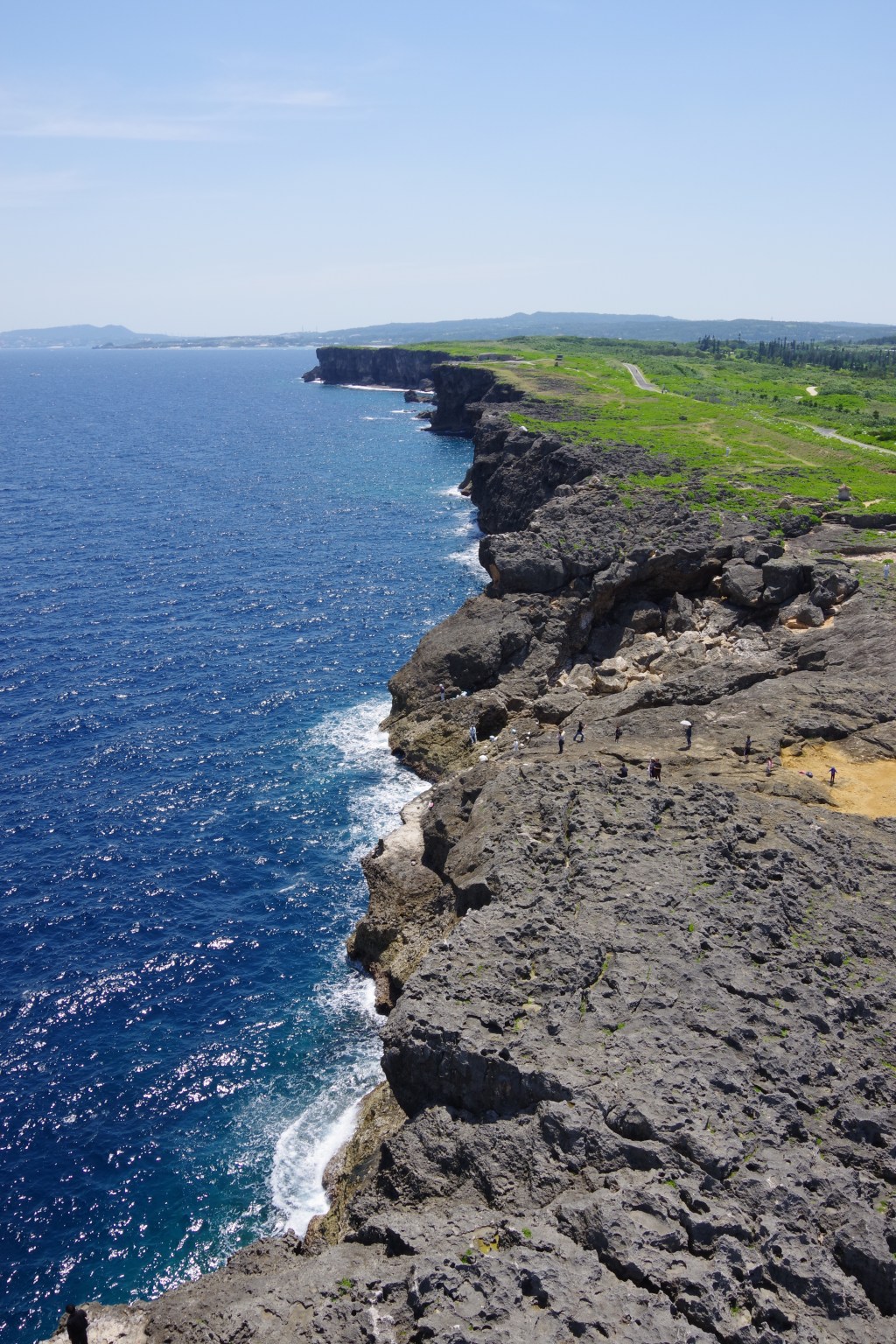
- Cape Zanpa is the western tip of Yomitan, where a plateau of raised coral limestone ends in 30- to 40-metre cliffs that run for about two kilometres along the East China Sea. The rock is white-grey and undercut by the swell, the water below is a hard cobalt blue, and the wind rarely stops. It is the most dramatic piece of coast on the main island of Okinawa, and it is free.
- The lighthouse on the point is 31 metres tall, the tallest in Okinawa, and it was first lit on 30 March 1974. It is one of the sixteen lighthouses in Japan that the public can climb, and the view from the gallery takes in the cliffs, the reef and the sea in both directions, with the light 44 metres above sea level and visible for 18 nautical miles. The climb is 300 yen, which goes to the lighthouse association rather than to a theme park operator.
- The history of the place is darker than the view suggests. The cape was used as a US live-fire range after the war and was closed to civilians, and the lighthouse was built in 1973-74 while that was still the case, with the construction crews turned away at the gate and stopped by sudden exercises. It is also the point the American forces used as a landmark when they landed on 1 April 1945, the beginning of the Battle of Okinawa, so the ground has both a peacetime and a wartime story.
- The older layer is religious. The Omorososhi, the oldest collection of Okinawan songs, tells sailors to rub their hands in prayer when passing this cape, and the local history records shrines on the east and west sides of the point and a cave called the Ushiofuki-gama where the sea blows in. The cape was a dangerous passage for the ships that carried goods between the outer islands and Naha, and the prayers were practical rather than decorative.
- The sunsets are the reason most people come. The cape faces west and there is nothing between it and the horizon, and on a clear evening the sun goes into the sea beyond the lighthouse. It is a public park with no closing hour, so the visit does not have to end when the light does, though the lighthouse itself closes in the late afternoon.
- The practical case is simple. It is about an hour from Naha Airport by car, the car park holds 270 cars and is free, the park is 66,000 square metres of grass and cliff, and there are no gates or tickets for the cape itself. It combines with Zakimi Castle, 15 minutes away, and the pottery village of Yomitan, and it is one of the few places on the island where the landscape rather than the resort is the attraction.
Top places and highlights
The cliffs
The raised coral reef forms a wall of 30 to 40 metres along the coast, undercut at the base where the waves hit, with rock pools and ledges on top and no beach below. The colour of the water changes with the light and the weather, from pale turquoise over the reef to deep blue beyond it. The cliff edge is unfenced in places, and the wind is strong, so the walking is spectacular and needs attention.
The lighthouse and its gallery
The white concrete tower was first lit in 1974 and is 31 metres tall, with the lamp 44 metres above the sea and a range of about 33 kilometres. Visitors climb it for a donation of 300 yen for junior high school age and above, with children and disabled visitors free, and the view from the top takes in the whole cape and the reef. Opening is 9:30 to 12:00 and 13:00 to 16:30, with the afternoon running to 17:30 on weekends and holidays from March to September.
The lighthouse museum
A small exhibition room at the foot of the tower explains the history of Japanese lighthouses, how they are built and painted, how the optics work, and why the cape was dangerous for the sailing ships of the Ryukyu Kingdom. It opened in 2009 with support from the Nippon Foundation and the village, it is free, and it is the thing to look at while waiting for the tower to open after the midday break.
The sunset
The cape faces the East China Sea with no land in the way, and the sun sets into the water beyond the lighthouse. The park is open all night and the car park is free, so it is one of the easiest sunset spots on the island to reach by car. In summer the sun goes down late and the light on the cliffs is at its best in the last half hour.
The wartime history
The cape was the landmark for the American landing on 1 April 1945, and it was a closed military range for decades afterwards, which is why the lighthouse could only be built in the 1970s. That combination is unusual: a landscape that was both a battlefield and a live-fire zone is now a public park, and the contrast is worth holding in mind while looking at the view.
The park and the lawns
The park is about 66,000 square metres of grass on top of the cliff, with paths, benches, a wide lawn and a shop, and it is free to enter. It is a picnic place for local families and a rest stop for tour buses, and on a weekday morning it is almost empty. The park also hosts the Okinawa Masters runners’ ekiden in April, which uses the walking paths around the point.
The combination with Zakimi
Zakimi Castle is 15 minutes away by car, and the pottery village of Yomitan is between them, so the cape fits naturally into a half day in the village. The castle gives the history before the war and the cape gives the coast, and the two together explain why Yomitan was a place worth controlling. It is the best pairing on the central west coast.
Food and drink
- There is a shop and a restaurant at the cape, with the Okinawan standards and ice cream, and it is convenient rather than distinguished. The reason to eat here is the view from the terrace rather than the cooking.
- Yomitan has the better food: the village is known for its vegetables and its cafes, and the west coast has restaurants with sea views that serve Okinawan pork, sea grapes and the local fish. The area around the cape and the nearby beach has several, and they are quieter than the ones in Chatan.
- The Okinawan soba, the taco rice and the brown sugar sweets are the local staples, and the shikuwasa citrus is used in drinks and dressings across the village. The farmers’ markets are where to buy them rather than the souvenir shops at the cape.
- The pottery village has a cafe, and eating there after the kilns is the natural pairing. The Okinawan coffee and the sweet potato pastries are the local specialities, and the sea salt of the outer islands is the take-home gift.
Getting there and around
- By car, the cape is about an hour from Naha Airport via Routes 331 and 58 and Route 6, with the last stretch through Yomitan village. The car park holds 270 cars and is free, and the cape is about three minutes on foot from it.
- By bus, take the Yomitan line from Naha Bus Terminal to Yomitan Bus Terminal, about an hour and a half, and then a taxi for about five minutes or a walk of about 30 minutes to the cape. There is no bus that reaches the point itself, so the last part has to be walked or taken by taxi.
- The cape is a public park with no gate and no admission, so it can be visited at any hour. The lighthouse is the exception: it opens 9:30 to 12:00 and 13:00 to 16:30, with the afternoon extended to 17:30 on weekends and holidays from March to September, and the last entry is 20 minutes before closing.
- Parking is free and there is no booking. The park is a stop for tour buses, which arrive in the middle of the day, and the early morning and the late afternoon are the quietest times.
- The cape is on the west coast road, which continues north towards Onna and Nago, and south towards Chatan. It is a natural stop on a coastal drive rather than a destination that needs its own day, and the roads are good.
Where to stay
- Yomitan has guesthouses, small hotels and a few resort hotels along the coast, and staying in the village means the cape at sunset and at sunrise without a drive. It is much quieter than Chatan or Naha.
- Onna, 30 minutes north, has the largest concentration of resort hotels on the island and is the base for the beaches and the snorkelling. It is the practical choice for a holiday that combines the cape with the coast.
- Naha, an hour south, is the transport hub, and the cape becomes a day trip combined with Zakimi Castle and the pottery village. Chatan is the middle option, with hotels, restaurants and the American Village, 20 minutes away.
Best time to visit
- Winter is the best season for the cliffs, with clear dry air, strong surf and the sun setting early enough to stay for it. The cape is at its most dramatic in a north wind, and the whales are off the Kerama islands from January.
- Spring is warm and green, with the kanhizakura cherry already finished and the sea calm, and it is the easiest season for walking the cliff paths. The park’s ekiden race is held in April.
- Summer is hot and bright, with the strongest colours in the water and the longest days, but the sun on the limestone is fierce and there is little shade on the cliff. The typhoon season begins in late summer and the cape can be closed in a storm.
- Autumn is the best all-round season, with warm water, clear air and fewer people, and the sunsets are at a convenient hour. October and November give the combination of comfortable walking and reliable weather.
Practical tips
- Do not expect to climb the lighthouse at midday. It closes from 12:00 to 13:00, every day, and the last entry is 20 minutes before the afternoon closing time. The morning session is the quieter of the two.
- Take the 300 yen in cash for the lighthouse. It is a donation to the lighthouse association rather than a ticket, children and disabled visitors are free, and the small museum at the base is free as well.
- Stay back from the edge. The cliffs are 30 to 40 metres and unfenced in places, the wind is strong, and the rock is undercut by the sea. The photographs are not worth standing on the lip, and the park’s own paths keep you safe.
- Come for the last hour of daylight. The cape faces west, the lighthouse is silhouetted against the sun, and the car park is free and open all night. It is the best free sunset on the main island.
- Bring water and sun protection. There is little shade on the cliff and the limestone reflects the heat, and the shop is the only place to buy anything. In summer the walk from the car park is enough to burn.
- Pair it with Zakimi Castle and the pottery village. They are 15 minutes apart by car, and the combination of a World Heritage gusuku, the cliffs and the kilns is the best half day in Yomitan. The castle is free and open all night as well.
- Check the sea conditions before swimming anywhere nearby. The cape itself is cliffs and reef rather than a swimming beach, and the currents off the point are strong. The beaches of Yomitan are further south and are the places to swim.
Suggested day-trip outline
- Drive from Naha Airport or Naha city along Route 58 and turn off at Yomitan, about an hour. Park at the cape’s free car park and walk to the point, following the cliff path for the view along the coast.
- Climb the lighthouse in the morning session, 9:30 to 12:00, for the view from the gallery, and look at the small museum at the base while you are there. The donation is 300 yen and the climb is short.
- Walk the lawns and the cliff edge, then eat at the cape’s restaurant or drive into Yomitan for the village restaurants. In the afternoon, visit Zakimi Castle, 15 minutes away, and the Yachimun no Sato pottery village on the way.
- Return to the cape for the sunset, which is the reason to keep it for the end of the day. The park is open all night and the car park is free, so there is no rush to leave after the sun goes down.
- Stay in Yomitan or Onna for the night, or drive back to Naha. If you have a second day, the cape is worth a morning visit in winter, when the surf is up and the air is clear enough to see the reef through the water.
Before you go
Timetables, fares, admission fees, and seasonal access rules can change. Check the official tourism and transport sites linked below for the latest information before you travel.
Explore More of Japan
Published guides that pair with this one:
- Zakimi Castle Travel Guide: Yomitan’s World Heritage Fortress
- Churaumi Aquarium Travel Guide: Whale Sharks, Mantas and the Okinawa Coast
- Naha and Kokusai Street Guide: Markets, Food and the Old Capital
- Okinawa Travel Guide: Discover Japan’s Tropical Paradise
- Kouri Island Travel Guide: The Heart Rock and a Bridge over Emerald Water
- Shikinaen Garden Travel Guide: Naha’s Ryukyu Royal Garden
- Okinawa Prefectural Museum and Art Museum Travel Guide: Highlights, Access, and Planning
- Okinawa Peace Memorial Park Guide: Mabuni and the Battle Sites
- Tokashiki Island Guide: A Kerama Day Trip from Naha
- Katsuren Castle Ruins Travel Guide: A Gusuku above the East Coast
Browse every Okinawa guide on this site for the rest of the region.
Sources
- vill.yomitan.okinawa.jp (checked 2026-11-03)
- vill.yomitan.okinawa.jp (checked 2026-11-03)
- tokokai.org (checked 2026-11-03)
- okinawastory.jp (checked 2026-11-03)


Leave a Reply