Planning Onuma near Hakodate? This English guide covers the lakes, the cycling loop, the boat and the seasons.
Operational details such as opening hours, admission fees, and train times can change. Prefer official pages and reconfirm before you travel (sources checked on 04 November 2026).
Why visit
- Onuma is a quasi-national park about half an hour from Hakodate by train, and it is the easiest place in southern Hokkaido to see the classic Hokkaido landscape: a calm lake, wooded islands, and Mount Komagatake rising behind it. The park is small enough to walk in an hour and rich enough to fill a day.
- The lakes are the work of the volcano. Mount Komagatake is an active stratovolcano of about 1,131 metres, and eruptions and debris flows dammed the rivers to create Lake Onuma, Lake Konuma and the smaller Junsai-numa. More than a hundred small islands sit in the shallow water, and the combination of islands, water and the volcano behind is what people come to photograph.
- The park is designated a quasi-national park, which in Japan means a landscape of national significance managed with a lighter hand than a full national park. In practice it means a lakeside road, walking trails, boat operators and a small resort area rather than wilderness, and it is the reason the park is so easy to visit.
- It is also a place with a usable year. Spring brings the mizubasho and the fresh green, summer the water lilies and the boat season, autumn the maples around the lakes, and winter the frozen surface and the snow-covered islands. The activities change with the season, and the landscape is genuinely different each time.
- The park is compact and flat. The lakeside loop road is about 14 kilometres, the walking trails are short, and the station is five minutes from the water. That makes it one of the few Hokkaido landscapes that works without a car, which is unusual for a place this rural.
- The food is the other reason. Onuma is known for its dango, its milk and its beef, and the shops around the park square sell all three. It is a small, specific food culture rather than a general Hokkaido menu, and it is worth planning lunch around.
Top places and highlights
The lakeside cycle loop
The road around Lake Onuma is about 14 kilometres, and cycling it takes roughly 70 to 90 minutes at an easy pace with stops. Rental bicycles are available in front of JR Onuma-Koen station, with ordinary bikes around 1,000 yen and electric bikes around 2,000 yen, and the shops rent by the hour or the day. The loop passes viewpoints, the Komagatake shrine, the east camping ground and a handful of cafes, and it is the best way to see the whole lake rather than one shore.
The Oshima trail
The short trail called Oshima-no-michi starts at the park square and takes about 15 minutes on a paved path, which makes it the accessible option for wheelchairs, strollers and anyone with limited time. It passes the monument to the song A Thousand Winds and a viewpoint towards Mount Komagatake, and it is the walk to take if you have an hour between trains. It is short but it delivers the classic view.
The island loop trail
The longer trail, Shimameguri-no-michi, takes about 50 minutes and crosses a series of small bridges between the wooded islands. The surface is uneven with roots and rocks, so it is a walking trail rather than a promenade, and good shoes matter. In July and August the water lilies and the yellow water lilies open in the shallows, and the birds are the other reason to go slowly: woodpeckers, flycatchers and the usual lake-edge species.
The lake boat
The sightseeing boat circles the islands in about 30 minutes with a guide who talks about the islands and the volcano. In 2026 the service started on 10 April, ran from 9:00 to 16:20 every 40 minutes from May to October, and operated irregularly in November before ending for the year at the end of that month. The boat has a roof and windows, so it runs in light rain, and it is the way to see the lake if cycling is not an option.
Mount Komagatake
The volcano is the backdrop to everything in the park, and it is also a hike: the climbing season runs from 1 June to the end of October, and the trail is a proper mountain walk rather than a park stroll. The summit view takes in the lakes, the sea and the Hakodate plain, and the weather changes quickly. Do not attempt it in the park’s walking shoes, and check the trail and volcanic conditions before setting out.
The winter lake
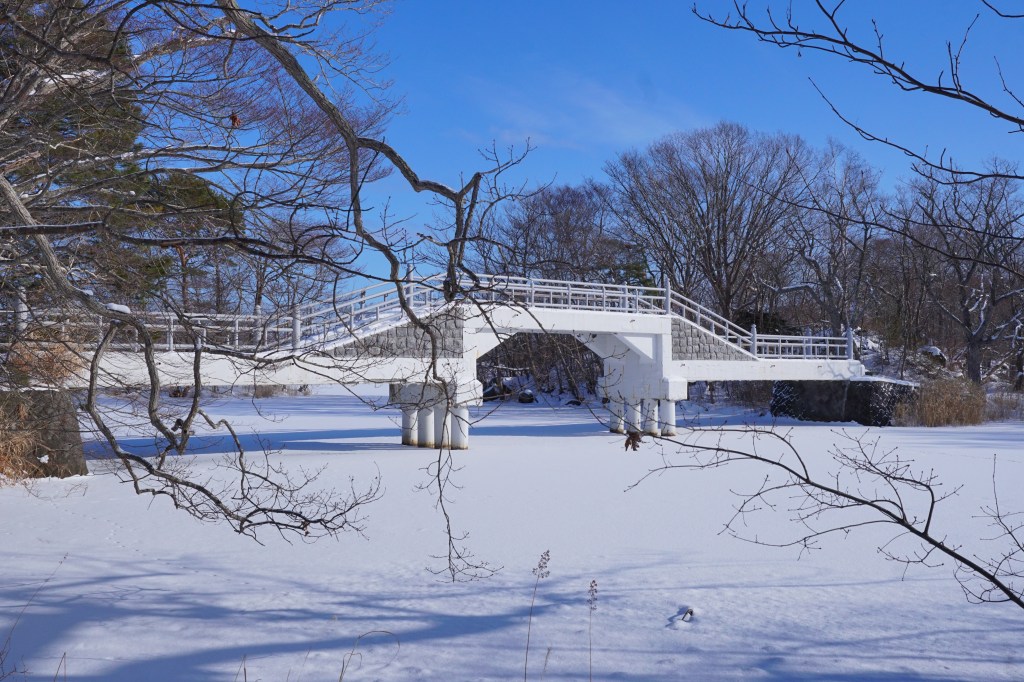
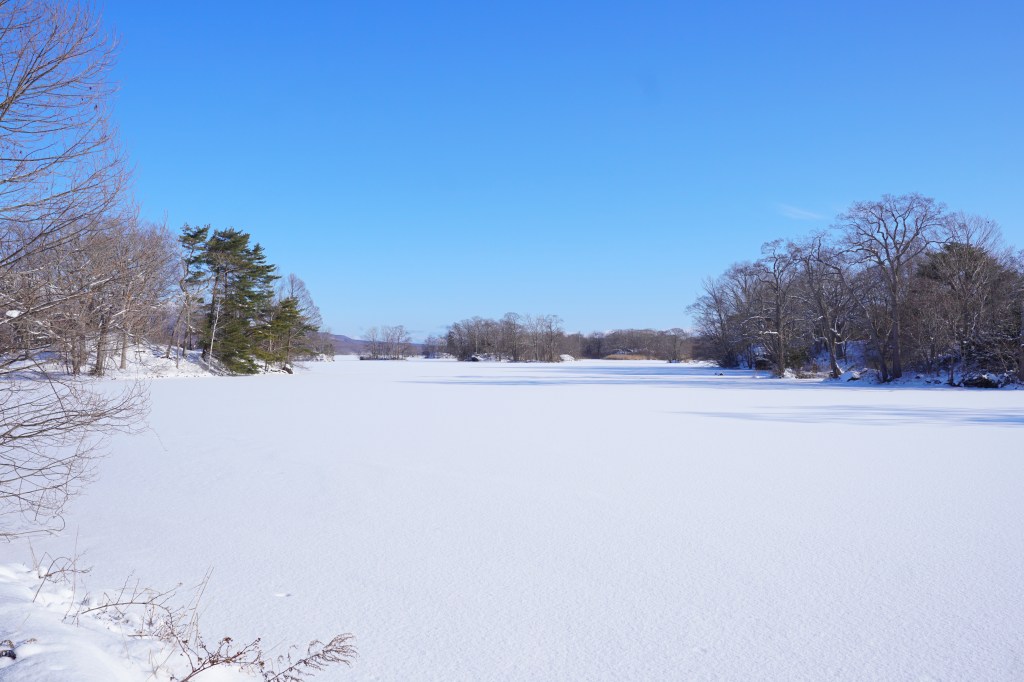
In winter Lake Onuma freezes and the islands turn white, and the park becomes a different place: snowshoe tours, ice fishing operated by licensed operators, and the Kinpa bridge standing over the frozen water. The one hard rule is not to walk on the ice unless an operator has measured it and opened the area. The lake looks solid and is not uniformly thick, and the park’s own guidance says not to go on it.
Onuma dango and the park food
Onuma is known for its dango, and the shops around the park square and the station sell it in the local style: skewered, grilled and glazed, with the three-colour version as the other standard. The other local specialities are the milk, sold in bottles from the farms around Nanae, the soft ice cream made from it, and Onuma beef served in the steak houses and restaurants near the lake. It is a compact food scene and it is best at lunch.
The park in autumn
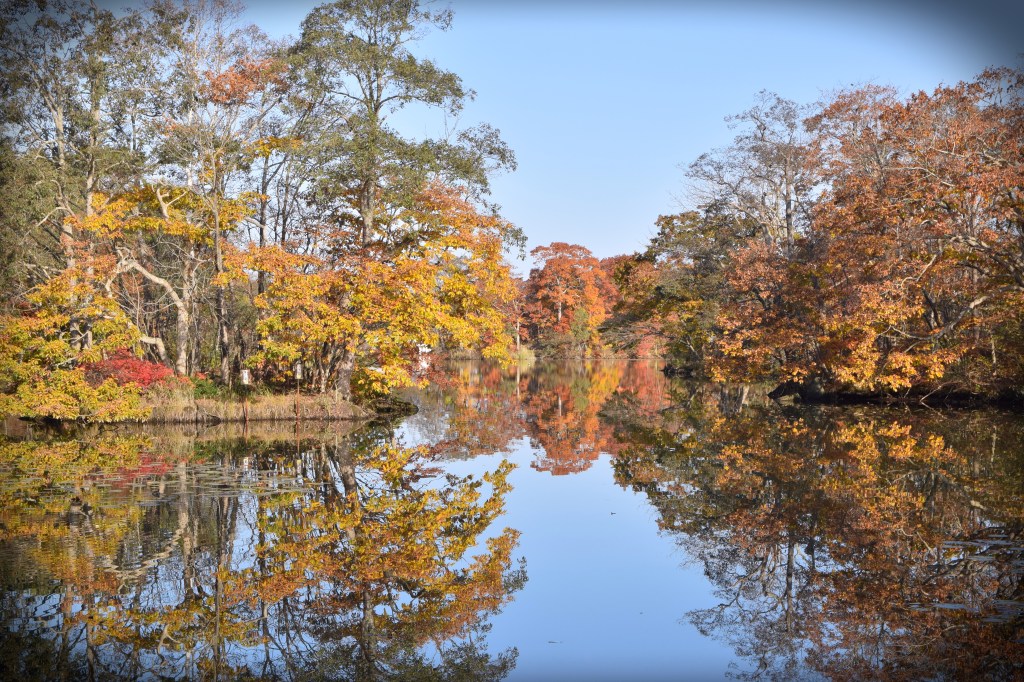
Autumn is the season the park is known for, with the maples and the birches turning around the lakes from late October into early November. The colours come down to the water, the islands hold their own small show, and the volcano behind is often clear in the cooler air. It is also the busiest month for domestic visitors, so the trains and the rental bikes are worth booking around.
Food and drink
- Onuma dango is the signature: skewered rice dumplings, grilled and glazed, sold at the shops around the park square and near the station. The three-colour dango is the other standard, and both are eaten on the spot rather than taken home.
- The milk of Nanae is the local pride, sold in bottles and used for the soft ice cream and the cheese. The farm shops and the roadside station area towards Hakodate sell it, and the bottled milk is the thing to try before the ice cream.
- Onuma beef is served in the steak houses around the lake, and it is a local brand rather than a national one. Lunch is the practical meal, because the restaurants keep park hours and the last trains leave in the evening.
- The bakeries and cafes near the lake are small and seasonal, and some close outside the summer and autumn. A loaf from one of them, with the local milk, is a better picnic than anything at the station.
- There is no convenience store or ATM near Onuma-Koen station, so bring cash and buy supplies in Hakodate or at the station area before you arrive. The nearest post office ATM is about seven minutes on foot and is not open every day.
Getting there and around
- By train, take the Hakodate Main Line or a limited express from JR Hakodate to JR Onuma-Koen, which takes about 30 to 50 minutes depending on the service, and walk five minutes to the park square. From Shin-Hakodate-Hokuto, the Shinkansen station, the train takes about 10 minutes and the bus about 30.
- By car, Onuma is about 40 minutes from Hakodate on the Hakodate Shindo and Route 5, about 18 minutes from Shin-Hakodate-Hokuto, and about 30 minutes from Hakodate Airport. The Onuma IC on the expressway is the exit for the park, and there are car parks around the park square.
- From Sapporo, the limited express to Onuma-Koen takes around three hours, and the drive is about three and a half hours on the expressway. It is a long day trip and a comfortable overnight.
- The park itself is flat and small, and the station is the transport hub. There is no bus around the lake, so the loop is done on foot, by bicycle or by car, and the rental bikes at the station are the practical middle option.
- The roads and the trains both thin out in the evening. Check the last train back to Hakodate before you start the cycle loop, and do not plan the boat and the loop and a late lunch on a short winter day.
Where to stay
- The main hotel is the large resort hotel on the lake, with views of the water and the volcano, and it is the comfortable option. The station area has smaller hotels and pensions, and the camp site on the east shore is the budget option in summer.
- Staying overnight is the way to see the lake in the early morning and the evening, when the day-trippers have gone and the water is still. It is also the way to do the cycle loop and the boat without watching the train.
- Hakodate is close enough to be the base instead, and it has the food and the hotels. The trade-off is the train timetable, which limits the evening.
- Book ahead in the autumn colour season and in the winter activity season, when the hotels and the tours fill. The park is small and the beds are limited.
Best time to visit
- Spring arrives late: the snow goes in April, the mizubasho comes up in the wet ground, and the fresh green follows in May. The boat season starts in April, and the park is quiet until Golden Week.
- Summer is the full season: the boat runs every 40 minutes, the water lilies open in July and August, the cycle loop is at its best, and the climbing season on Komagatake runs from June to October. It is warm rather than hot, and the afternoons can rain.
- Autumn is the peak: the maples and birches colour from late October, the air is clear, and the volcano is at its sharpest. It is also the busiest time, and the trains and rental bikes are worth planning around.
- Winter is the quiet season, with the lake frozen, the islands white and the activities limited to guided snowshoe and ice fishing tours. The cycle rental stops when the snow comes, and the park’s warning about the ice is not decorative.
Practical tips
- Bring cash. There is no convenience store and no ATM at Onuma-Koen station, and the small shops and some restaurants do not take cards; the nearest ATM is at the post office and is not always open.
- Rent the bicycle at the station and ride the 14-kilometre loop early, before the coaches arrive and before the afternoon rain. The electric bikes cost more and are worth it if you are not a regular cyclist.
- Walk the Oshima trail even if you only have an hour. It is paved, it takes 15 minutes, and it gives you the view of the lake and Komagatake that the postcards use.
- Do not walk on the frozen lake. The ice is not uniformly thick, and the operators who run ice fishing measure it before opening; the park’s own guidance is to stay off unless an area is officially open.
- Check the boat schedule for the year you travel. The 2026 pattern was April to November with a shorter November service, and the times change with the season rather than running all year.
- If you are climbing Komagatake, treat it as a mountain. The season runs from June to the end of October, the weather changes, and the trail needs proper shoes and a check on the volcanic and trail conditions.
- Plan lunch before 14:00. The restaurants around the park keep park hours, and the choice narrows sharply in the afternoon and out of season.
Suggested day-trip outline
- The half day: the train from Hakodate, the Oshima trail, dango and milk at the park square, the boat if it is running, and the train back. It fits into four hours and it is the version for a first visit.
- The full day: rent a bicycle at the station, ride the lakeside loop with stops at the viewpoints and the shrine, lunch at one of the lake restaurants, and walk the island trail in the afternoon before the last train.
- The autumn day: the first train from Hakodate, the loop on foot or by bike while the light is low, lunch, and the boat in the afternoon. Book the bike and expect the trains to be busy.
- The winter day: a snowshoe or guided ice-fishing tour booked ahead, the frozen lake and the Kinpa bridge, and a long lunch. Do not plan the cycle loop or the hike.
- The wider trip: Onuma with Hakodate, which is the natural pair, and with the castle at Matsumae or the onsen at Yunokawa if you have another day. Onuma is the landscape half of a Hakodate trip.
Before you go
Timetables, fares, admission fees, and seasonal access rules can change. Check the official tourism and transport sites linked below for the latest information before you travel.
Explore More of Japan
Published guides that pair with this one:
- Hakodate Travel Guide: Night Views, Morning Market, and Southern Hokkaido
- Matsumae Castle Travel Guide: Hokkaido’s Southern History Town
- Lake Toya Travel Guide: A Caldera Lake and Volcanic Shore in Hokkaido
- Noboribetsu Onsen Travel Guide: Hell Valley and Hokkaido Hot Springs
- Otaru Travel Guide: Canal Warehouses, Seafood, and a Day Trip from Sapporo
- Lake Shikotsu Travel Guide: Highlights, Access, and Planning
Browse every Hokkaido guide on this site for the rest of the region.
Sources
- onumakouen.com — Access (checked 2026-11-04)
- onumakouen.com (checked 2026-11-04)
- onumakouen.com (checked 2026-11-04)
- onumakouen.com (checked 2026-11-04)
- onumakouen.com (checked 2026-11-04)


Leave a Reply