A practical English guide to Asahiyama Zoo in Asahikawa: the winter penguin walk, the enclosures, tickets and access from Sapporo.
Operational details such as opening hours, admission fees, and train times can change. Prefer official pages and reconfirm before you travel (sources checked on 05 November 2026).
Why visit
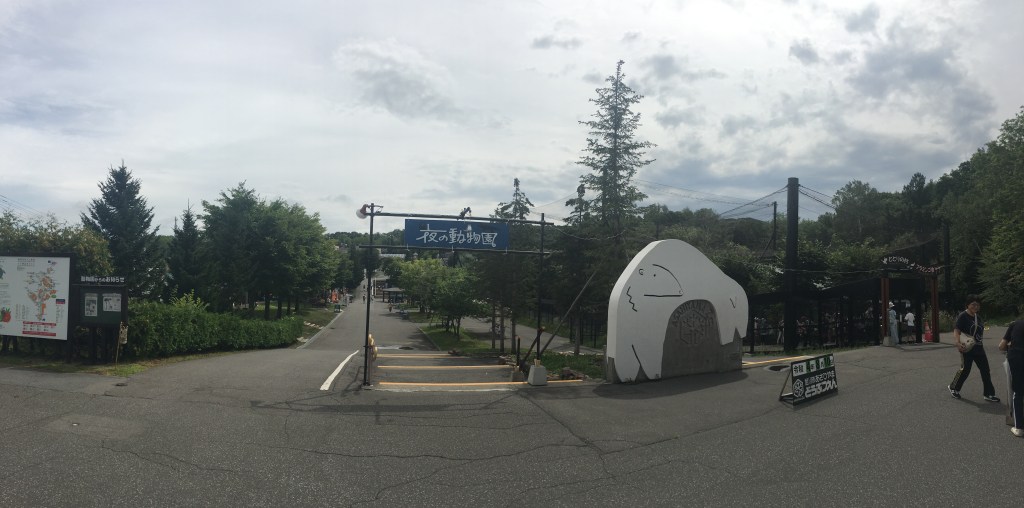
- Asahiyama Zoo is the most visited zoo in Hokkaido and, for a lot of people who care about animals, the best in Japan. It became famous in the 1990s for a design philosophy called behavioral display: instead of putting animals in cages where they sit still, the zoo builds enclosures that make them move, climb, swim and behave the way they would in the wild, and then lets visitors watch from angles that make the behaviour legible.
- The results are structures you have seen in photographs even if you have never been here: the polar bear pool with the underwater tunnel, where a bear swims directly over your head; the seal tube, a vertical cylinder of water that the seals shoot up and down; the orangutan climbing frames of ropes strung high between towers. None of it is a theme park trick. Each enclosure began with a question about how the animal actually lives, and the design is the answer.
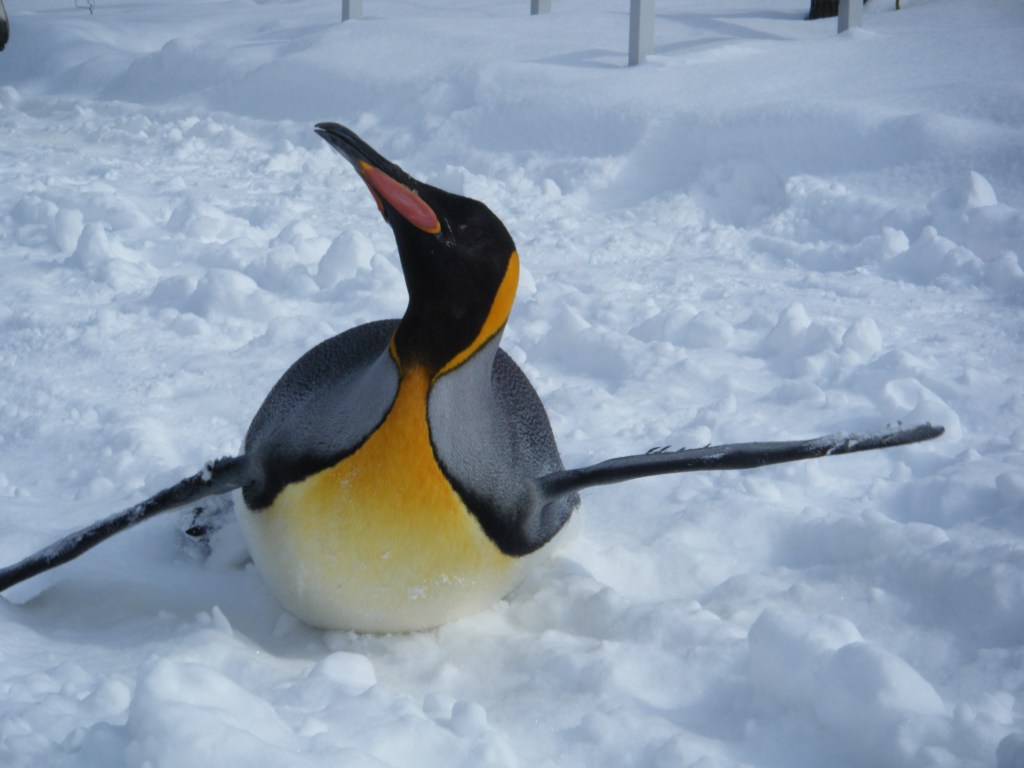
- In winter the zoo is at its best. The penguin walk, when a column of penguins is let out to walk along a path through the snow, happens on days when the snow and the animals allow it, and it draws crowds from all over Japan. The polar bears are more active in the cold, the wolves and the foxes are in thick coat, and the whole place looks like Hokkaido rather than a tropical park.
- Asahikawa itself is a good base: ramen, a couple of museums, the mountains and the ski areas, and the train from Sapporo takes about an hour and a half. The zoo is a half-day on its own, and it is one of the few family attractions in Hokkaido that adults without children will genuinely enjoy.
Top places and highlights
The polar bear pool
The polar bear enclosure has a deep pool with a glass tunnel running through it, and when a bear decides to swim, it passes within centimetres of the visitors. The design also gives the bears rocks, slopes and a diving shelf, and the keepers use feeding and objects to keep them working for their food, which is why they are often active rather than lying in a corner. Stand in the tunnel and wait: the bears come and go on their own schedule, and the moment when one enters the water is worth the patience. In winter they are at their most energetic.
The penguin walk
In winter, on days when the snow and the animals are suitable, the keepers open a route and the penguins walk out in a line along a path cleared through the snow, with visitors standing on either side. It is not a performance: the birds decide how fast they go, some stop, some wander, and the keepers walk with them and answer questions. The walk is short, and the crowd is large, so arrive early and take a place along the route. Note that it is cancelled in rain, strong wind or deep fresh snow, and the schedule changes through the winter.
The seal tube
The ringed seals have a tall vertical tube of water that they swim up and down, and a viewing window that lets you watch them pass at eye level and then shoot upward. It looks like a piece of installation art, and the effect is to show the animal’s speed and control in a way a flat pool cannot. Seals are curious, and they often come to the glass to look at the people looking at them. It is a small enclosure and easy to miss, so check the map.
The orangutan climbing frames
The orangutans have a set of tall towers connected by ropes and nets, and they use them to move through the air above the visitors rather than sitting on a platform. Watching an adult orangutan work out a route across the ropes, testing each hold, is the clearest demonstration of the zoo’s philosophy: the animal is doing something, and you are watching it think. The enclosure also has indoor space for cold weather, and the animals are often near the glass in winter.
The wolves and the northern animals
The wolf enclosure is large and wooded, with a path that lets you look down into it, and the animals are more visible in winter when the trees are bare. The zoo also holds Hokkaido’s native species, including the Ezo red fox, the Yezo deer and the Hokkaido brown bear, and seeing them here is a useful introduction before you travel around the island. The bear enclosure has a moat and a sloping bank, and the viewing is from above, which gives a clear sense of the animal’s size.
The giraffes and the African area
The African section has giraffes, zebras, hippos and a mixed enclosure, and the design again uses height and sightlines: the giraffe house has an upper walkway that puts you at head height with the animals, and the hippo pool has an underwater window. It is the part of the zoo that feels most conventional, and it is still well done. It is also where the food kiosks and the picnic areas are, which makes it a natural midpoint for families.
The winter setting
From December to March the zoo is under snow, the paths are cleared and the roofs are white, and the whole place takes on a different character. The animals that come from cold climates are at their best, the crowds are smaller on weekdays, and the light on the snow makes photographs easy. The flip side is the cold and the short opening hours, and some paths and exhibits close when the snow is heavy. Wear boots, and plan on being outside for several hours.
Food and drink
- Inside the zoo there are kiosks and a restaurant serving simple meals, curry, noodles and Hokkaido dairy products, and the queues are long at lunch. Eat early or bring food and use the picnic tables.
- Asahikawa ramen is the city’s dish: a soy-based broth with pork and a local style of thin, curly noodle. The shops around the station and the Ramen Village complex are the places to try it.
- Hokkaido dairy is everywhere: milk, soft ice cream, cheese and butter. The soft cream at the zoo and at the roadside stations is genuinely good, and it is the local thing to eat in the cold.
- Genghis Khan, grilled lamb with vegetables, is the other Asahikawa speciality, cooked on a domed grill at the table. It is hearty and suits the winter, and there are several restaurants near the station.
- For a sit-down meal after the zoo, the station area has the widest choice, and the department store food halls are good for a picnic or a train meal. Asahikawa is not a late-night city, so eat before nine.
Getting there and around
- Asahikawa is about an hour and a half from Sapporo by limited express on the JR Hakodate line, and the zoo is a bus or taxi ride from the station. The city is also the gateway to the Daisetsuzan mountains and to Furano and Biei.
- Buses for the zoo leave from the station forecourt and take about forty minutes, with extra services in the winter season. The stop is a short walk from the entrance, and the bus is the easiest option if you are not driving.
- A taxi from the station takes about thirty minutes and costs more, but it is worth it if you are short of time or travelling with children. There is a taxi rank at the station and the return trip is easy to arrange at the zoo.
- By car, the zoo is a short drive from the Asahikawa expressway interchange, with a large car park that fills on holidays and during the penguin walk season. Arrive at opening time.
- From Asahikawa airport, a bus runs to the station and then a local bus or taxi to the zoo. The airport is small and the connections are straightforward.
Where to stay
- Hotels around Asahikawa station are the practical base, with business hotels and a few larger ones within walking distance of the restaurants and the bus stops. The zoo is a half-day trip from there.
- The hot spring inns in the surrounding mountains, towards Sounkyo and Kamui, are a good base for a wider trip and offer outdoor baths after a cold day at the zoo. A car is needed.
- Furano and Biei have pensions and farm stays, and the drive to Asahikawa is about an hour. They are a good choice in summer and autumn, and quieter in winter.
- For a splurge, the resort hotels in the Daisetsuzan area have views and ski access, and they are busiest in the winter season. Book well ahead for the penguin walk period.
Best time to visit
- Winter, from December to March, is the peak season because of the snow, the penguin walk and the active cold-weather animals. It is also the coldest, with temperatures well below freezing, and the opening hours are shorter.
- Summer, from June to August, is green and mild by Japanese standards, with long days and all the exhibits open. The zoo is busy with families and school groups, and the animals are often resting in the heat.
- Autumn, from late September to October, brings colour to the trees and comfortable temperatures, and the crowds thin after the summer holidays. It is a good time for photography and for combining the zoo with the mountains.
- Spring arrives late, with snow melting through April and the first green in May. The animals are active and the zoo is quiet, but some paths and exhibits may still be closed.
- The rainy season is less pronounced in Hokkaido, but June can be wet. The indoor exhibits and the covered viewing areas make it manageable.
Practical tips
- Check the penguin walk schedule and the weather forecast before you go. The walk is cancelled in rain and strong wind, and the times change through the winter.
- Arrive at opening time. The zoo is compact but popular, and the first hour is the quietest, especially around the polar bears and the seals.
- Wear boots and warm layers in winter, and bring a mat or a plastic sheet to sit on if you plan to wait along the penguin route.
- Pick up a map at the entrance and plan a loop, since the site is on a slope and backtracking costs time. The upper area has the bears and the wolves, the lower area the African animals.
- Food inside is limited and the queues are long at lunch. Eat before noon or bring a bento, and carry cash for the kiosks.
- Respect the animals: no flash, no tapping on the glass, and no food outside the designated areas. The zoo’s rules are posted at each enclosure and they are enforced.
Suggested day-trip outline
- Morning: bus from Asahikawa station at opening time, straight to the polar bear pool and the seal tube before the crowds.
- Late morning: the orangutans and the wolf enclosure, then the African area and the giraffe walkway.
- Lunch: a kiosk meal or a bento in the picnic area, or a ramen lunch back in the city if you leave at midday.
- Afternoon: the penguin walk in winter, or a second loop of the enclosures in summer, and the gift shop for Hokkaido dairy sweets.
- Late afternoon: bus back to the station, and a walk through the station area for ramen or Genghis Khan.
- With a second day: the Asahikawa museums, the ski areas at Kamui, or the drive to Biei and Furano.
Before you go
Timetables, fares, admission fees, and seasonal access rules can change. Check the official tourism and transport sites linked below for the latest information before you travel.
Explore More of Japan
Published guides that pair with this one:
- Lake Toya Travel Guide: A Caldera Lake and Volcanic Shore in Hokkaido
- Niseko Travel Guide: Ski Slopes, Summer Trails, and Mount Yotei
- Asahikawa Travel Guide: Zoo, Ramen, and a Base for Central Hokkaido
- Sapporo Travel Guide: Food, Parks, and a Hokkaido Base
- Biei and Furano Travel Guide: Flower Fields, Blue Pond, and Hokkaido Scenery
- Sounkyo Gorge Travel Guide: Waterfalls, Kurodake and Daisetsuzan
Browse every Hokkaido guide on this site for the rest of the region.
Sources
- city.asahikawa.hokkaido.jp (checked 2026-11-05)


Leave a Reply