A practical English guide to Atsuta Jingu in Nagoya: the sacred grove, the sword, the rituals and access from the city.
Operational details such as opening hours, admission fees, and train times can change. Prefer official pages and reconfirm before you travel (sources checked on 05 November 2026).
Why visit
- Atsuta Jingu is one of the most important shrines in Japan, in the south of Nagoya, and it is the second most revered after Ise. It was founded nearly two thousand years ago and it holds the Kusanagi sword, one of the three imperial regalia, which is not shown to the public but is the shrine’s reason for being. The shrine is set in a large, dark grove of old trees, and the atmosphere is completely different from the busy city around it.
- The precinct is entered through a giant torii and a long gravel path between cedars and camphor trees, and the main hall stands at the end of the approach, with subsidiary shrines, a treasure hall and a garden around it. The buildings are simple and old, with unpainted wood and copper roofs, and the scale is human rather than monumental.
- The shrine is a working place of worship, and the rituals and the weddings that take place through the year are part of the visit. The treasure hall has swords, mirrors and documents, and the garden is a quiet counterpoint to the city. It is free to enter the grounds, and it is a twenty-minute train ride from Nagoya station.
- Atsuta is also the best introduction to Nagoya beyond the castle and the food: a sacred grove in the middle of an industrial city, with a history that predates the city by centuries.
Top places and highlights
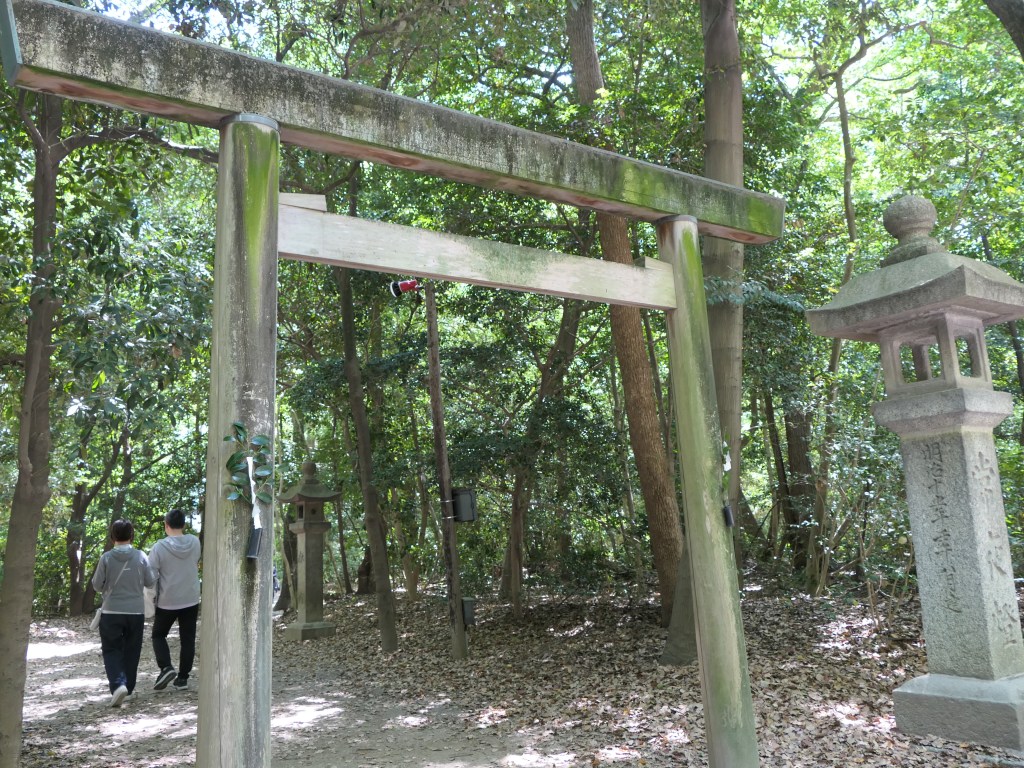
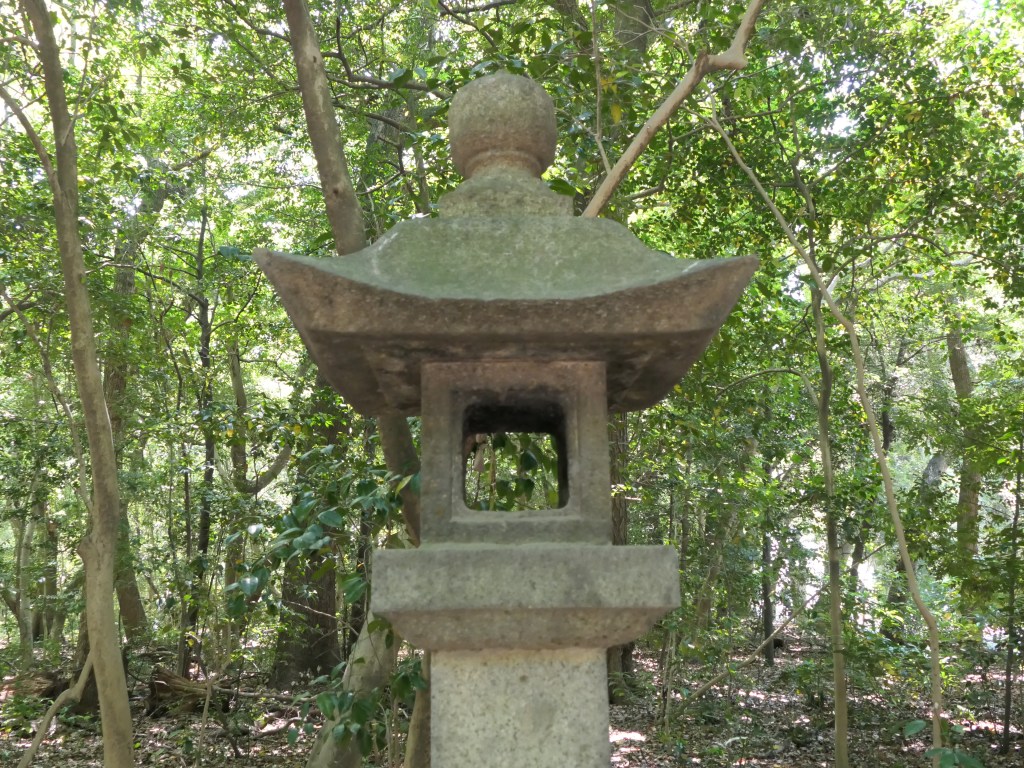
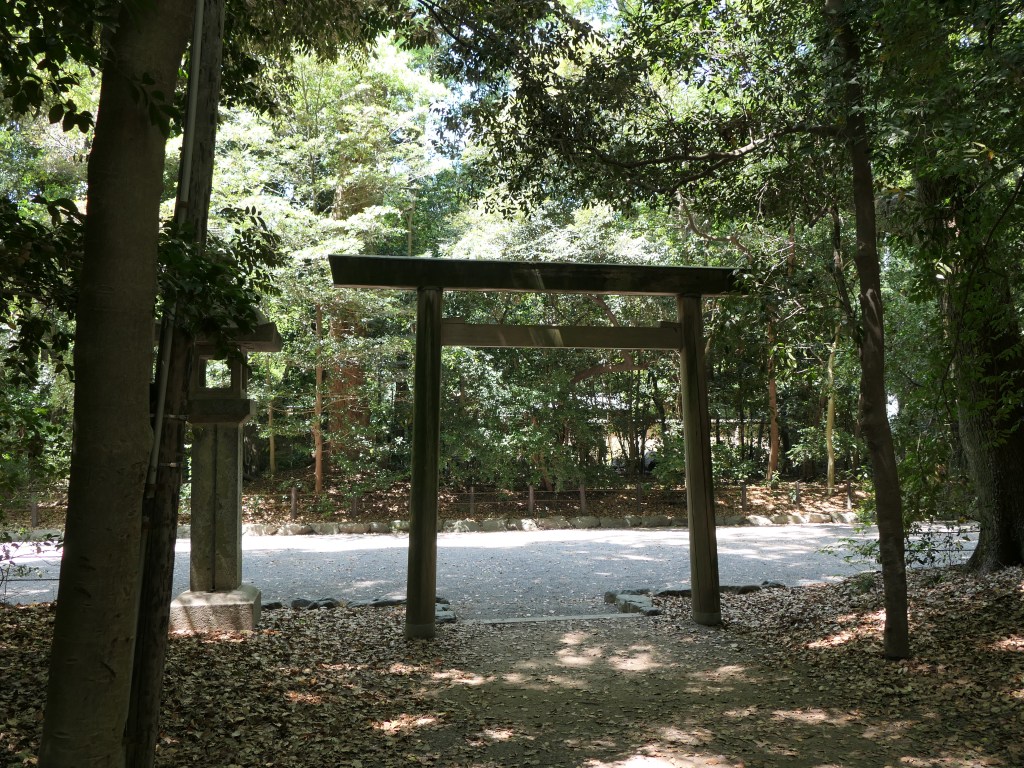
The approach and the great torii
The shrine is entered through a large torii on the road, and then a long gravel path runs between old cedars and camphor trees to the main hall. The trees are tall and dense, the light is green and dim, and the city disappears within a few steps. The path is wide and the walk is easy, and the gravel underfoot is the sound of the place. Take it slowly, and look at the subsidiary shrines and the stone markers along the way.
The main hall
The main hall is a wooden building in the old Shinto style, with a copper roof and a fence around it, and the Kusanagi sword is kept in the inner sanctuary. Visitors pray at the front, and the ritual is simple and quiet. The building is not painted, and the wood has weathered to a dark grey. The proportions and the setting are the point, and the atmosphere is solemn without being heavy.
The subsidiary shrines
The grounds contain a number of smaller shrines, each with its own dedication, and they are scattered among the trees along the paths. Some are for harvest, some for protection, some for the local families, and they are all in use. Walk the loop and look at the small buildings, the offerings and the stone lanterns. It is the part of the shrine that most visitors skip, and it is the most atmospheric.
The treasure hall
The shrine’s treasure hall displays swords, armour, mirrors, documents and ritual objects, some of them national treasures, and it explains the history of the shrine and the imperial regalia. The collection is small but high quality, and the labels are clear. It is the place to understand why Atsuta matters, and it takes about half an hour.
The garden
The shrine has a Japanese garden with a pond, a stream, a tea house and a path through the trees, and it is quiet and shaded. It is a good place to sit after the gravel paths, and the seasonal flowers and the autumn colour are the attraction. It is small and it is easy to miss, and it is worth the detour.
The rituals and the weddings
Atsuta is a popular place for weddings and for the New Year visit, and the shrine is busy with ceremonies through the year. The sight of a traditional wedding procession, with the bride in white and the priests leading, is part of the experience. The shrine also has a market and festivals, and the atmosphere changes with the season.
The food of Nagoya
The area around the shrine has the local food of Nagoya: miso katsu, hitsumabushi, tebasaki and the flat udon called kishimen. The restaurants near the station and the shrine serve them, and the prices are reasonable. Nagoya’s food is stronger and saltier than the Kansai style, and it is one of the pleasures of the city.
Food and drink
- Hitsumabushi is the grilled eel over rice, served in a bowl with the broth and the condiments, and it is the most famous dish of Nagoya. The restaurants around the station and the shrine serve it.
- Miso katsu is the pork cutlet with a thick red miso sauce, and it is heavier and sweeter than the Tokyo version. The local chains and the family restaurants serve it.
- Tebasaki, the seasoned chicken wings, are the local bar food, and the izakaya around the station serve them with beer.
- Kishimen is the flat, wide udon of Nagoya, served in a soy broth, and it is the everyday lunch. The shops near the shrine serve it cheaply.
- The shrine’s approach has a few cafes and sweets shops, and the local confections make good souvenirs. The city has the full range of restaurants within a short train ride.
Getting there and around
- Atsuta Jingu is in the south of Nagoya, about ten minutes by train from Nagoya station to Jingu-nishi or Atsuta station, and a short walk from either.
- The Meitetsu line and the subway both serve the area, and the shrine is a five to ten minute walk from the stations.
- From Chubu airport, the train to Nagoya station takes about thirty minutes, and the shrine is a further fifteen minutes.
- By car, the expressway and the national roads connect the shrine with the city and the surrounding region, and there is a car park near the entrance.
- The shrine is a stop on the route between Nagoya castle and the port, and it is easy to combine with the city’s other sights.
Where to stay
- The hotels around Nagoya station are the practical base, with the full range of prices and easy access to the shrine and the rest of the city.
- The hotels in the Sakae district are close to the restaurants and the nightlife, and they are a short subway ride from the shrine.
- The business hotels near Atsuta are cheaper and quieter, and they suit an early start at the shrine.
- The ryokan and hot spring inns in the surrounding area are limited, and most visitors stay in the city centre.
Best time to visit
- Spring, from late March to April, is the best time: the cherry trees in the grounds and the parks are in flower, and the weather is mild.
- Summer is hot and humid, with the shrine shaded by the trees and the New Year crowds a distant memory. The evenings are long.
- Autumn, from October to November, brings colour to the trees and clear air, and the shrine is at its most beautiful.
- Winter is cold and quiet, with the New Year visit the busiest time. The bare trees make the buildings stand out.
- The rainy season runs from early June to mid-July. The shrine’s trees and the treasure hall make it manageable.
Practical tips
- Enter by the main torii and walk the gravel path. The approach is the best part of the visit.
- Check the treasure hall’s opening days. It is the only paid part of the shrine and it closes on certain days.
- Go early in the morning. The shrine is quiet, the light is soft, and the gravel path is empty.
- Dress modestly and follow the purification ritual at the entrance. It is a working place of worship.
- Combine the shrine with the Nagoya castle and the food of the city. The train connections are quick.
- Carry cash for the small shops and the shrine’s amulets. Not every place takes cards.
Suggested day-trip outline
- Morning: train to Jingu-nishi, walk the gravel path and the main hall before the crowds.
- Late morning: the subsidiary shrines and the garden, then the treasure hall if it is open.
- Lunch: hitsumabushi or miso katsu in the city.
- Afternoon: Nagoya castle and the surrounding park, or the Sakae district for shopping.
- Late afternoon: the shrine again for the low light, or the city’s museums.
- Evening: tebasaki and beer at an izakaya near the station.
Before you go
Timetables, fares, admission fees, and seasonal access rules can change. Check the official tourism and transport sites linked below for the latest information before you travel.
Explore More of Japan
Published guides that pair with this one:
- Nagoya Travel Guide: Castle, Miso Food and a Practical Base for Central Japan
- Inuyama Castle Travel Guide: Japan’s Oldest Surviving Keep
- Gifu Travel Guide: the Castle on the Rock and Cormorant Fishing
- Kanazawa Travel Guide: Kenrokuen and Teahouse Districts
- Karuizawa Guide: Highland Walks, Old Ginza and Shiraito Falls
Browse every Chubu guide on this site for the rest of the region.
Sources
- nagoya-info.jp (checked 2026-11-05)
- city.nagoya.jp (checked 2026-11-05)


Leave a Reply