A practical English guide to Gifu city: the castle on Mount Kinka, the ropeway, Kawaramachi, cormorant fishing on the Nagara river and access from Gifu station.
Operational details such as opening hours, admission fees, and train times can change. Prefer official pages and reconfirm before you travel (sources checked on 05 November 2026).
Why visit
- Gifu is a city of two halves that sit within a twenty-minute walk of each other. On one side is a castle on a bare rock above the Nagara river, reached by a ropeway that climbs the cliff in three minutes. On the other is a working river, where from early June to mid-October men still fish with cormorants the way the same families have done for well over a thousand years, from long wooden boats lit by iron baskets of burning pine.
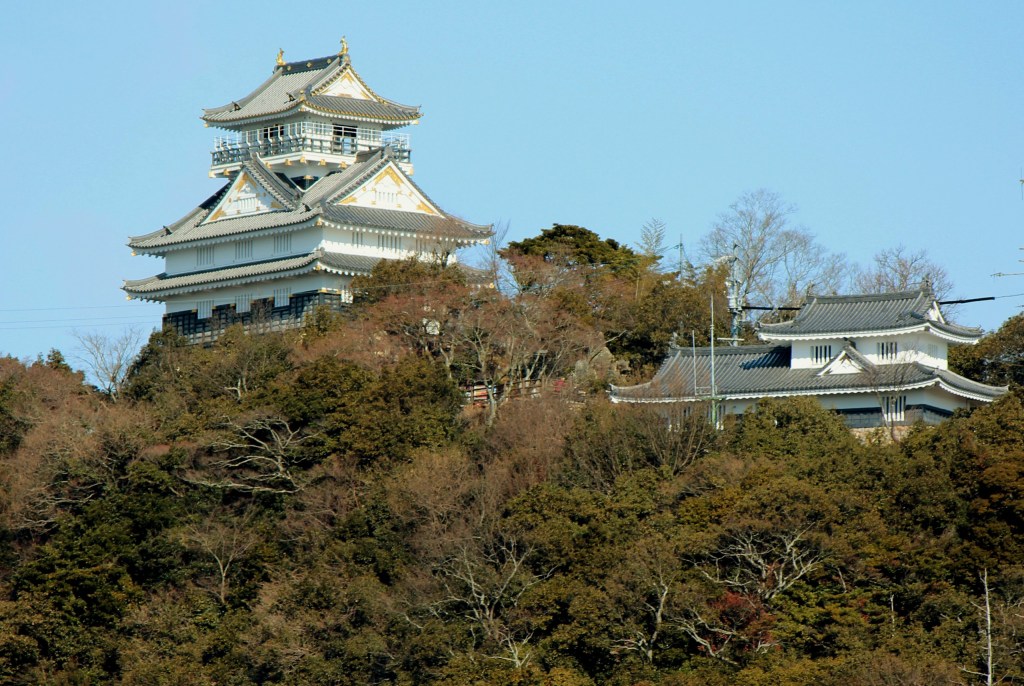
- The castle is the reason most people come, and it earns the trip. Oda Nobunaga took it in 1567, renamed it Gifu and used it as the base from which he marched on Kyoto and began the unification of Japan. The keep standing today is a 1956 reconstruction in concrete, but the position is the original one, and the view from the top floor over the Nagara, the plain and, on a clear day, the mountains towards Takayama is the same view that decided a campaign.
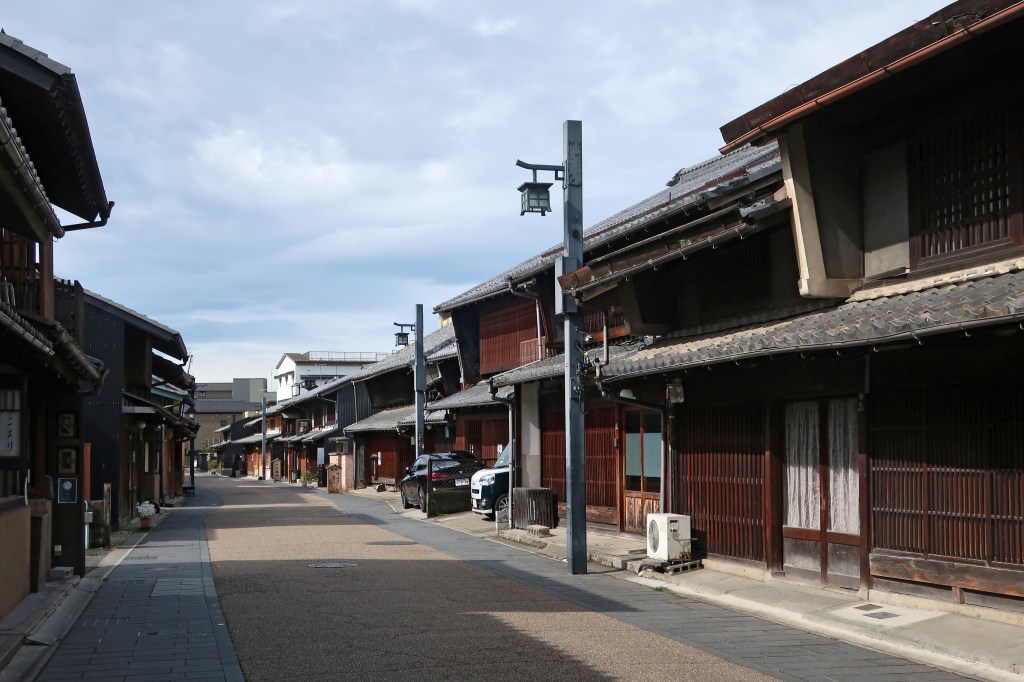
- Below the castle, Gifu Park holds the city museum, a small but excellent insect museum founded in the nineteenth century, and the path to the ropeway station. Ten minutes further west, past the broad riverbank, Kawaramachi keeps a street of dark timber merchant houses with lattice fronts, a few of them now cafes, breweries and shops, and it is quiet enough that you can hear the river from the pavement.
- Cormorant fishing is the part that people underestimate. It is not a folk show put on for tourists: the fishing is licensed, the boats go out on the nights the river allows, and the season opens on the first of June and closes in mid-October. If you are in central Japan in summer and can be in Gifu by early evening, this is one of the few genuinely old rituals in the country you can still watch from a boat on the water.
Top places and highlights
The keep on Mount Kinka
The castle sits on the summit of Mount Kinka, a wooded rock about 329 metres high that rises straight out of the city, and the keep is small, square and white with a balcony running around the top floor. Inside there are four floors of displays on Nobunaga, the siege of 1567 and the castle town, and the staircases are steep and narrow in the way of reconstructed keeps. The reason to climb them is the top floor: the Nagara river bends below, the plain runs east towards Nagoya, and the mountains of the Hida range line the northern horizon. There is a small cafe and a viewing platform, and the whole visit takes under an hour if the tower is not crowded.
The ropeway and the Kinka trail
The ropeway runs from a station at the edge of Gifu Park up the face of the mountain to a second station just below the keep, and the ride is short, steep and shaded by the trees. Cabins leave every fifteen minutes or so and the round trip is normally sold together with castle admission, which is the ticket to ask for. If you would rather walk, a signed trail leaves from the same area and climbs through the forest to the summit in roughly forty minutes to an hour, depending on the heat and how often you stop. The path is stone and earth, with a few steep sections and roots, and it is at its best in the morning or in the autumn colour. Take water, since the vending machines are at the bottom.
Kawaramachi and the merchant houses
Kawaramachi was the merchant quarter of the castle town, laid out in the seventeenth century on the bank of the Nagara, and a stretch of it survives as a street of two-storey timber houses with heavy tiled roofs, deep eaves and wooden lattice fronts. It is not a restored theme street: some buildings are still homes and workshops, a few have been converted into cafes, a sake brewery and small shops, and the pavements are narrow enough that you share them with bicycles. Walk it slowly, look up at the second-floor windows and the plastered storehouses behind the frontages, and then take the lane down to the river. Late afternoon, when the light comes along the street, is the best time for photographs.
Cormorant fishing on the Nagara
Ukai, fishing with cormorants, is done here on the Nagara from the first of June until the middle of October, on nights when the moon and the water level allow. Six boats go out, each with a fisherman in traditional dress standing at the bow with a dozen tethered cormorants, and the birds dive, come up with ayu in their throats, and are lifted aboard to give up the fish. The boats are lit by iron baskets of pine wood burning at the bow, which is what makes the scene: the fire, the dark water, the birds and the long poles. You watch from a passenger boat that follows alongside, and the whole outing lasts about an hour. Boats leave from the bank near Nagara Bridge, and the tourist office by the bridge sells seats, though on popular nights they go early.
The cormorant fishing museum
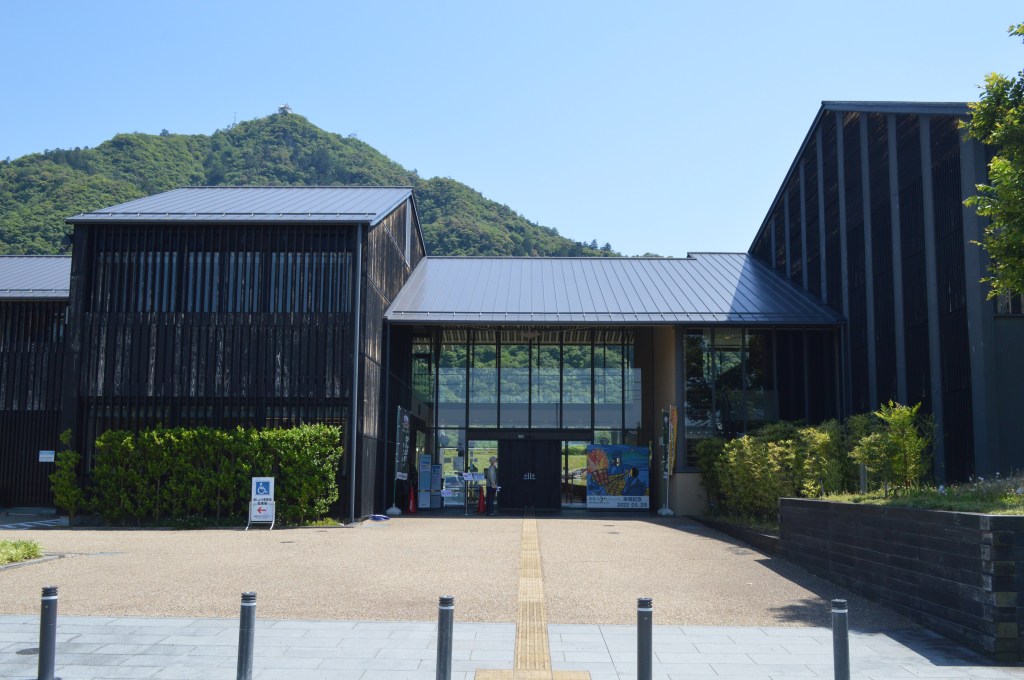
The Nagara River Cormorant Fishing Museum sits on the south bank a little upstream, a low modern building with a dark timber interior, and it explains the whole practice in a way the boat trip cannot. There are the tools: the iron fire baskets, the ropes, the skirts the fishermen wear, and the cages used to carry the birds. There is a section on how a cormorant is trained and fed, on the anatomy that lets it hold a fish without swallowing it, and on the hierarchy of the fishing masters, a title passed down within a small number of families. Film of night fishing runs on a loop, which is useful if your visit falls outside the season or the boats are cancelled. Allow an hour, and check the closing day before you go.
Gifu Park and the museums on its edge
Gifu Park occupies the ground at the foot of Mount Kinka where the castle town’s temple district once stood, and it is a pleasant place to spend an hour before or after the ropeway: a pond, stone lanterns, a tea house, mature trees and a wide lawn. The Gifu City Museum of History on the north side covers the castle town, the river trade and the modern city with models and good labels. The Nawa Insect Museum, in a small quirky building in the park, was founded in the early twentieth century and holds an enormous collection of butterflies and beetles in old wooden cases, which is either fascinating or unsettling depending on your feelings about pinned insects. Both are small, cheap and rarely busy.
The Great Buddha at Shobo-ji
Shobo-ji, a short walk north of the station area, holds a seated Buddha about thirteen and a half metres high, built in the 1630s out of a bamboo frame covered in clay and paper and then lacquered and gilded. It is one of the largest such figures in Japan and it has survived earthquakes and fires that took the hall around it, which is why it now sits in a comparatively plain concrete shelter rather than a temple hall. The face is calm and slightly downward-looking, the hands are in the meditation mudra, and the scale only registers when you stand at the feet. The temple grounds are free and quiet, and there is a small hall of votive images behind. Twenty minutes is enough, and it pairs well with the walk back to the station.
Food and drink
- Ayu, sweetfish, is the fish the cormorants are catching, and it is on menus all over the city in summer: salted and grilled whole on a skewer, simmered in soy and sugar, or pressed with rice. The grilled version is the one to order, charred at the edges with a bitterness that goes well with beer.
- Hoba miso is a Gifu speciality: miso, spring onion and often mushrooms or beef spread on a dried magnolia leaf and grilled over a small flame at the table, so the leaf scorches and the miso caramelises. It is rich, salty and best shared, and it appears in ryokan breakfasts and in casual restaurants around the station.
- Hida beef is raised further north in the mountains, and it turns up in Gifu city restaurants as steak, sushi and croquettes. It is marbled and expensive, so a lunch set or a single skewer from a counter is the sensible way to try it without committing to a full dinner.
- Kei-chan is the local chicken dish: chopped chicken with cabbage, onion and a sweet-savoury sauce, cooked on a portable griddle at the table and eaten with rice. It is cheap, informal and everywhere, and it is a better introduction to what people here actually eat than any of the temple-town specialities.
- For something sweet, look for chestnut sweets. The villages east of the city towards Tambo are known for chestnuts, and in autumn the shops around the station sell chestnut rice, chestnut kinton and chestnut ice cream. In summer, shaved ice with matcha and azuki is the local way to deal with the heat.
- The streets around Kawaramachi and the riverside have small cafes and a couple of sake breweries, and the area around Gifu station is dense with izakaya and noodle shops. Reservations are rarely needed on weeknights, but the riverside restaurants fill up in cormorant season, so book if you want to eat before the boats go out.
Getting there and around
- Gifu is on the JR Takayama main line, about twenty minutes from Nagoya by local or rapid train, and the same line continues north towards Gero and Takayama. The shinkansen does not stop at Gifu: from Tokyo you change at Nagoya, and from Kyoto or Osaka you change at Nagoya as well, which is why Gifu works well as a stop between the two.
- JR Gifu station and Meitetsu Gifu station face each other across the same square, and Gifu Park and the ropeway are about a fifteen to twenty-minute walk north from either, straight up the main street and across the river. The walk is flat and signed, and it passes the Great Buddha and the city museum if you take the slightly longer route.
- Local buses leave from the north side of JR Gifu station for Gifu Park and for the Nagara riverbank near the ukai boat landing. The ride is short and the fare is paid on board or by IC card. Taxis are easy to find at the station and are worth it in summer heat, when the walk to the park leaves you soaked before you reach the ropeway.
- For the cormorant fishing, the boat landing is on the north bank near Nagara Bridge, about ten minutes by bus or twenty-five minutes on foot from the station. The tourist information office inside JR Gifu station can point you to the current departure point, which shifts slightly with the water level.
- From Chubu Centrair airport, take the Meitetsu line to Meitetsu Nagoya and change to the JR Takayama line, or take the airport bus to Gifu station if one is running. The whole trip is roughly an hour and a half by train, and the airport bus is simpler with luggage.
- If you are driving, the Tokai-Hokuriku expressway and the Nagaragawa expressway both serve the city, and there are paid car parks around Gifu Park and near the river. Traffic on the bridges is slow on summer evenings in cormorant season, so allow extra time.
Where to stay
- The area around JR Gifu station has the largest choice: business hotels of every price, from the plain chains to slightly larger rooms with river views. It is the practical base if you are arriving late or leaving early, and it puts the restaurants and the bus stops within a few minutes.
- Kawaramachi and the streets towards Gifu Park have a handful of small guesthouses and converted machiya stays, some with only two or three rooms. They are the choice if you want to walk to the castle in the morning and eat in the old quarter at night, but they book out far in advance in cormorant season.
- On the Nagara riverbank there are larger hotels with rooms facing the water, which is worth paying for on a night when the fishing boats go out: you can watch the fires from the window. Check whether the room is on the river side when you book, since the same hotels sell city-view rooms at a lower rate.
- Gifu is close enough to Nagoya that many visitors stay there and come in for the day, which is cheaper and gives more choice. The trade-off is that the last trains back are in the late evening, so you cannot stay for the end of the cormorant outing unless you have a room in Gifu or a taxi budget.
Best time to visit
- Summer is cormorant season, from the first of June to the middle of October, and it is the busiest and most expensive time to be on the river. It is also hot and humid, with afternoon thunderstorms, so plan the castle for the morning and keep the evening for the boats.
- Cherry blossom comes to Gifu Park and the riverbank in the first week of April in a normal year, and the park fills with picnic sheets. The castle ropeway queues are longest then, and the view of the keep above the blossom from the park is the photograph everyone comes for.
- Autumn colour on Mount Kinka runs from late November into early December, and the hiking trail is at its best then. The air is clear, the cormorant season is ending, and the castle view towards the mountains is sharpest of the year.
- Winter is quiet and cold, with occasional snow on the mountain and a light dusting on the castle roofs. The ropeway runs all year subject to weather, the museums are empty, and the streets around Kawaramachi are at their most atmospheric in the early dark.
- The Gifu Nobunaga festival in early October fills the centre with a parade of armour and matchlock demonstrations, and the riverbank hosts large fireworks displays in late July. Both are worth planning around, but both also mean you should book accommodation early.
Practical tips
- Buy the ropeway and castle ticket together at the ropeway station at the foot of the mountain. It is cheaper than two separate tickets, and it saves you queueing again at the top.
- Go up early. The keep is small, the stairs are single-file and the top floor gets crowded by mid-morning in spring and autumn. The first cabins of the day give you the view almost to yourself.
- Wear shoes with grip if you plan to walk the Kinka trail. The stone steps are worn smooth in places and slippery after rain, and the descent is harder on the knees than the climb.
- Book cormorant boats ahead in July and August, and reconfirm on the day: the boats are cancelled for high water and bad weather, and refunds are handled at the landing. Take a light jacket, since the river is cooler than the street after dark.
- Carry cash for the small shops and the boat landing, and note that many Kawaramachi cafes close one or two days a week. Check opening days rather than assuming a place will be open.
- The castle and the museums keep shorter hours than the restaurants, so do the sights first and eat afterwards. Most of the central sights are within a twenty-minute walk of each other, so you do not need a car or a bus pass for the city itself.
Suggested day-trip outline
- Morning: walk from JR Gifu station to Gifu Park, ride the ropeway up Mount Kinka and visit the castle keep before the crowds arrive. Come down and walk the park, with a stop at the city museum or the insect museum depending on your taste.
- Lunch: hoba miso or kei-chan near the station or in Kawaramachi, then a slow walk through the merchant houses and down to the riverbank.
- Afternoon: the Great Buddha at Shobo-ji and the Cormorant Fishing Museum on the south bank. If the weather is good, walk the river path between the two rather than taking the bus.
- Evening in season: early dinner near the river, then the cormorant boats from the landing by Nagara Bridge, with the fires and the birds on the water for about an hour.
- Out of season: replace the boats with the museum film and a sunset walk along the Nagara, or take the train twenty minutes to Nagoya for dinner. Gifu is small enough that a single full day covers the centre comfortably.
- With a second day: Inaba Shrine north of the castle, the old streets around it, and a trip up the Takayama line to Gero or Takayama, which turns Gifu into a stop rather than a destination.
Before you go
Timetables, fares, admission fees, and seasonal access rules can change. Check the official tourism and transport sites linked below for the latest information before you travel.
Explore More of Japan
Published guides that pair with this one:
- Nozawa Onsen Travel Guide: Hot Springs, Snow, and the Fire Festival
- Narai-juku Travel Guide: The Nakasendo Post Town That Time Forgot
- Suwa Travel Guide: Suwa Taisha, the Lake and Kamisuwa Onsen
- West Izu Travel Guide: Dogashima, Tensodo Cave and the Toi Coast
- Ise Jingu and Ise-Shima Travel Guide: Naiku, Geku and the Coast
- Hida Furukawa Travel Guide: White Storehouses, Sake and the Furukawa Festival
Browse every Chubu guide on this site for the rest of the region.
Sources
- city.gifu.lg.jp (checked 2026-11-05)
- ukai-gifucity.jp — Access (checked 2026-11-05)
- gifucvb.or.jp (checked 2026-11-05)


Leave a Reply