A practical English guide to Arima Onsen in Kobe: the two waters, the old streets, the baths and access from Osaka and Kobe.
Operational details such as opening hours, admission fees, and train times can change. Prefer official pages and reconfirm before you travel (sources checked on 05 November 2026).
Why visit
- Arima Onsen is one of the oldest hot spring towns in Japan, hidden in a valley behind Kobe, and it has been famous for its water for more than a thousand years. It is mentioned in the oldest chronicles and in the poetry of the Heian court, and it was a favourite of the daimyo and the merchants of Osaka and Kyoto, who came for the baths and the quiet.
- The town has two kinds of spring, which is unusual. The kinsen, the gold water, is brown and salty with iron, and the ginsen, the silver water, is clear and light with radon and carbon dioxide. The public bathhouse has both, and the ryokan have their own, and the difference between them is the local obsession.
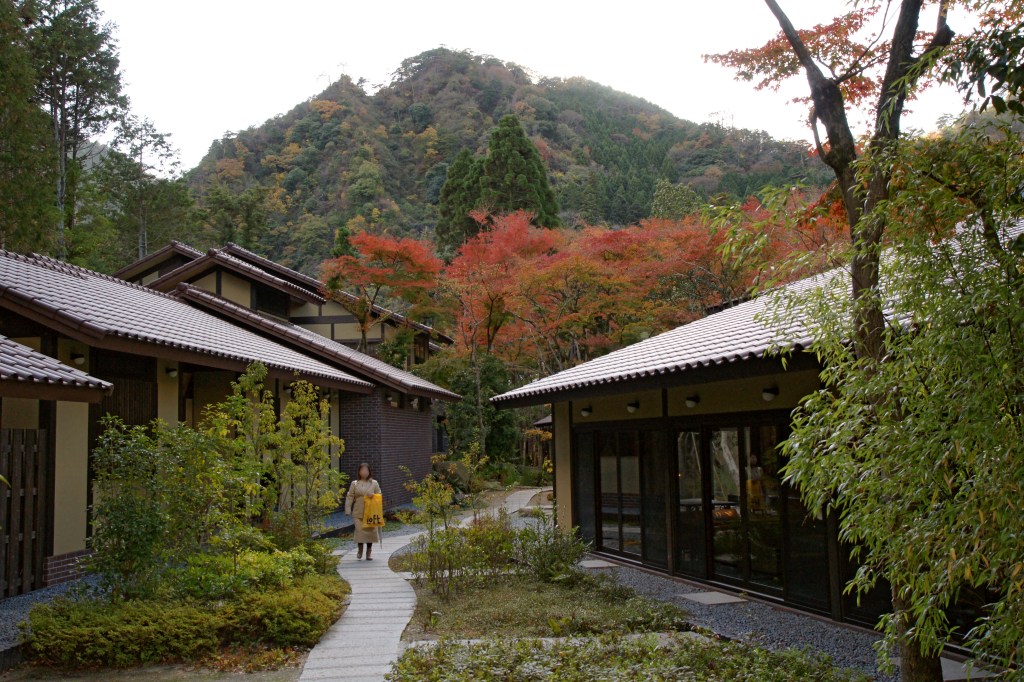
- The town is small and walkable, with a river running through the middle, narrow lanes, wooden houses and a few temples and shrines. It is built on a slope, with the hotels on the hillside and the old streets at the bottom, and the whole place can be walked in an hour. It is busy as a day trip from Osaka and Kobe, and it is at its best in the evening, when the day visitors have gone.
- Arima is also the start of the Rokko mountain route, with a ropeway up to the ridge and the view over Kobe and the bay, and it is close to the sake breweries of Nada and the temples of Kobe. It is a good base for a quiet night in the Kansai area, and it is a completely different experience from the city.
Top places and highlights
The gold and silver springs
The two springs are the reason the town exists. The kinsen is a brown, salty water with iron and salt, and it is said to be good for the skin and for circulation; the ginsen is clear, light and slightly carbonated, and it is milder. The public bathhouse, Kin no Yu, has the gold water, and the Gin no Yu has the silver, and both are cheap and open to day visitors. The ryokan have their own baths, often with both, and the difference in feel is obvious.
The old streets
The centre of the town is a small grid of lanes along the river, with wooden shopfronts, tiled roofs, stone bridges and a few temples. The shops sell the local sweets, the carbonated rice crackers and the bath products, and the cafes are small and quiet. Walk the lanes without a plan, cross the bridges, and look at the details: the gutters of hot water, the steam, the old signs.
The shrine and the temples
The town has a shrine and a few temples, including the Onsenji, which is reached by a long stone stair up the hillside and is dedicated to the healing of the springs. The climb is steep but short, and the view over the valley and the roofs is worth it. The temple has a small hall and a quiet garden, and the legends of the town’s origin are told there.
The Rokko ropeway
The ropeway climbs from Arima to the ridge of Mount Rokko, and the view from the top takes in Kobe, the bay and, on clear days, Osaka. The ride is short and the cable car is large, and the top has a small cafe and walking trails. In autumn the colour on the ridge is good, and in summer the cooler air is welcome.
The ryokan and the kaiseki
Arima has a number of ryokan, from the large and famous to the small and family-run, and most of them serve kaiseki dinners built around the local vegetables, the river fish and the Kobe beef. The dinner and the bath are the point of staying overnight, and the service is formal and careful. It is expensive, and it is the best way to experience the town.
The sweets and the local food
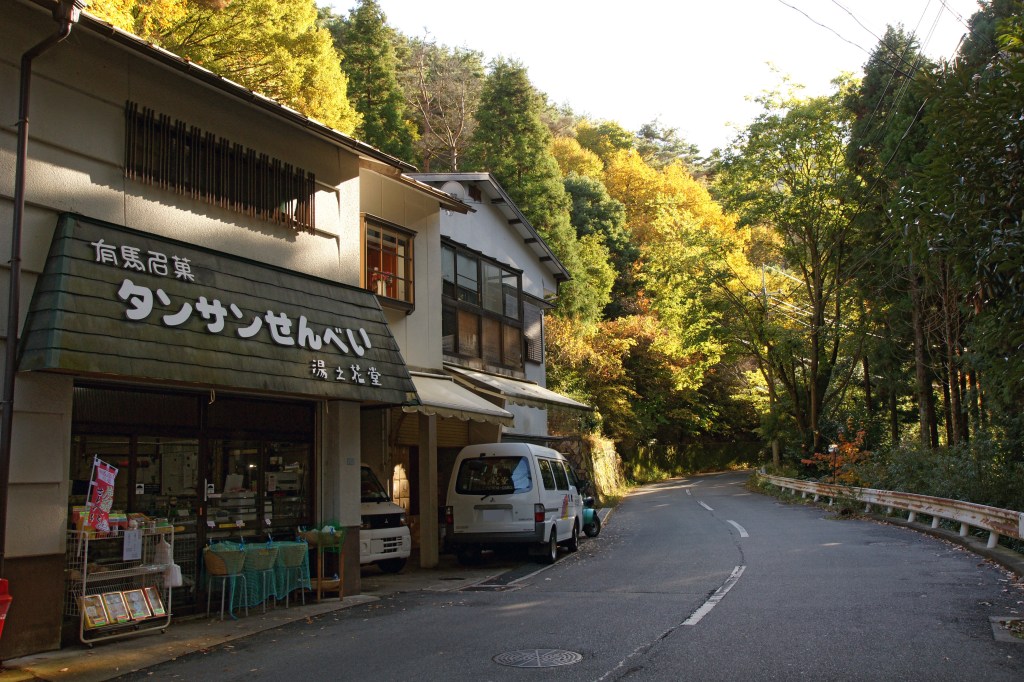
Arima is known for its carbonated rice crackers, its sweets and its local sake, and the shops along the lanes sell them. The crackers are made with the carbonated spring water, light and slightly sweet, and they come in tins that make good gifts. The town also has a few restaurants serving soba, udon and the local beef, and the food is simple and good. The carbonated water from the springs is sold in bottles and used in the sweets, and the small shops along the river are the place to buy it.
The Kobe connection
Arima is within an hour of Kobe and Osaka, and it combines with the city sights: the Kitano district with its old foreign houses, the harbour and the Meriken park, the Nada sake breweries and the Rokko mountain. The bus from Sannomiya and the train from Osaka make it an easy day trip, and the return in the evening is part of the pleasure. If you are based in Kobe, Arima is the natural overnight, and if you are based in Osaka it is a long half-day.
Food and drink
- The kaiseki dinner at a ryokan is the main food experience, with local vegetables, river fish, Kobe beef and the seasonal dishes served in courses.
- The carbonated rice crackers, tansan senbei, are the local speciality, and the shops sell them in tins. They are light and slightly sweet.
- The local sake and the carbonated water are worth trying, and the shops along the lanes sell both.
- The town has a few soba and udon shops, and the restaurants around the bus terminal serve simple set meals at reasonable prices.
- Kobe beef is available in the town, though the best place to eat it is in Kobe itself. The ryokan dinners often include a small portion.
Getting there and around
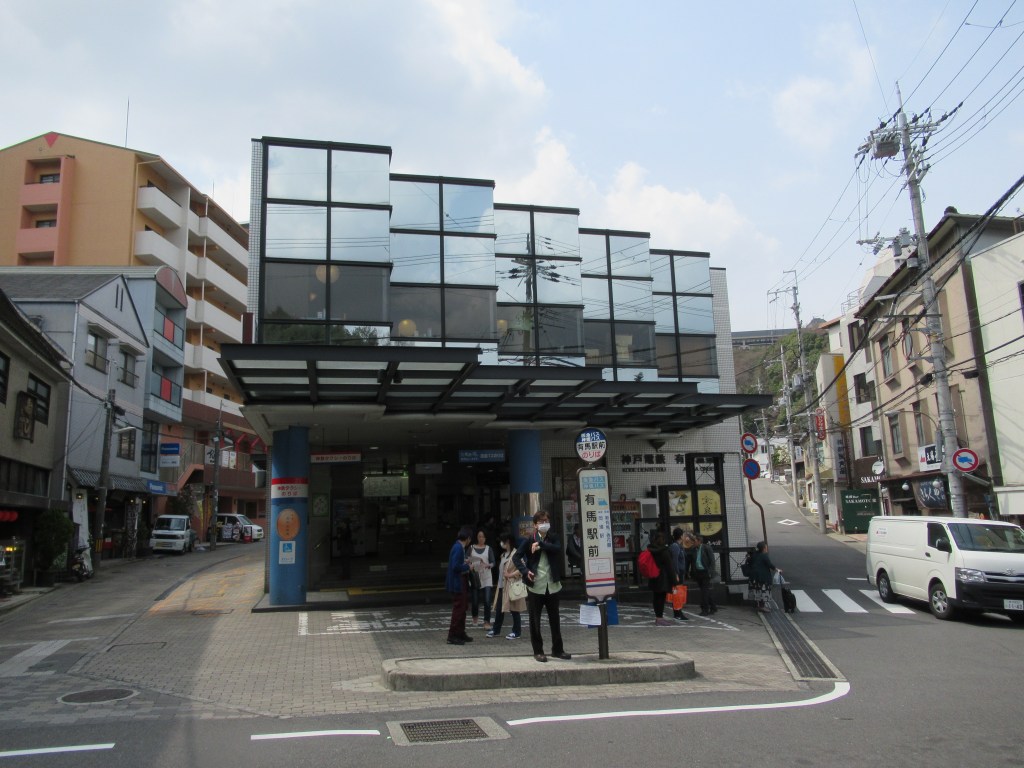
- Arima Onsen is reached by bus from Kobe, about forty minutes from Sannomiya and an hour from Osaka station, and the buses run frequently. The bus terminal is in the centre of the town.
- By train, the Kobe electric railway and the subway connect to Arima, with a change at Tanigami or Shinkaichi, and the ride takes about an hour from Kobe.
- The Rokko ropeway connects the town to the ridge, and the cable car and the bus make a scenic route from Kobe over the mountain.
- By car, the expressways and the mountain roads connect Arima with Kobe, Osaka and the surrounding area, and the town has car parks at the edges.
- The town is small and walkable, and a car is not needed once you arrive. The lanes are narrow and the parking is limited.
Where to stay
- The ryokan are the reason to stay, with tatami rooms, kaiseki dinners and baths in both waters. The famous ones book out months ahead, and the small family inns are cheaper and more personal.
- The hotels and guesthouses in the town are simpler and cheaper, and they suit a short stay or a budget trip.
- Kobe and Osaka are within an hour and have the full range of accommodation, which suits a day trip. The trade-off is missing the evening and the morning in the town.
- The mountain lodges on the Rokko ridge are a different experience, with views over the bay and cooler air, and they connect to Arima by the ropeway.
Best time to visit
- Spring, from late March to April, is mild and clear, with the cherry trees in the town and the hills. The lanes are busy with day visitors.
- Summer is hot and humid in the valley, but the evenings are cool and the ropeway takes you to the ridge. The town is at its busiest in August.
- Autumn, from October to November, is the best season: the colour on the hills, clear air and comfortable walking. The ryokan book out early.
- Winter is cold and quiet, with steam rising from the baths and the lanes nearly empty on weekdays. The baths are at their most welcome.
- The rainy season runs from early June to mid-July. The indoor baths and the ryokan make it a good wet-weather destination.
Practical tips
- Stay overnight if you can. The town is best in the evening and early morning, when the day visitors have gone.
- Try both waters. The gold and silver springs are different, and the public bathhouses let you compare them cheaply.
- Book the ryokan and the ropeway in advance in the autumn and the holidays.
- Check the tattoo policy of the baths before you book. The rules differ between the public bathhouses and the hotels.
- Wear shoes you can slip off. The ryokan and the temples require it, and the lanes are uneven.
- Carry cash for the small shops and the public baths. Not every place takes cards.
Suggested day-trip outline
- Morning: bus from Kobe or Osaka, arrive in the town and walk the lanes and the river.
- Late morning: the public bathhouse, then the Onsenji temple and the stair up the hill.
- Lunch: soba or a set meal at a local shop.
- Afternoon: the ropeway to the Rokko ridge for the view over Kobe and the bay.
- Late afternoon: back in the town for the shops and the sweets, and a second bath.
- Evening: kaiseki dinner at the ryokan, and a quiet walk along the river before bed.
Before you go
Timetables, fares, admission fees, and seasonal access rules can change. Check the official tourism and transport sites linked below for the latest information before you travel.
Explore More of Japan
Published guides that pair with this one:
- Kinkaku-ji Travel Guide: The Golden Pavilion, the Pond and the Best Time to Visit
- Kobe Travel Guide: Beef, the Port and the Hills Above the Bay
- Osaka Travel Guide: Food, Neighborhoods and a Three-Day Plan
- Kyoto Travel Guide: Areas, Temples and a Three-Day Plan
- Himeji Castle Travel Guide: The White National Treasure Keep
Browse every Kansai guide on this site for the rest of the region.
Sources
- arima-onsen.com (checked 2026-11-05)
- feel-kobe.jp (checked 2026-11-05)


Leave a Reply