A practical English guide to Odaiba in Tokyo: the bay promenade, the museums, the shopping and the views back to the city.
Operational details such as opening hours, admission fees, and train times can change. Prefer official pages and reconfirm before you travel (sources checked on 05 November 2026).
Why visit
- Odaiba is a man-made island in Tokyo Bay, built on reclaimed land in the 1990s and now a district of shopping centres, museums, hotels and a long waterfront promenade. It is not the old Tokyo of temples and lanes; it is the city’s modern face, with wide spaces, big buildings and the bay open in front of it.
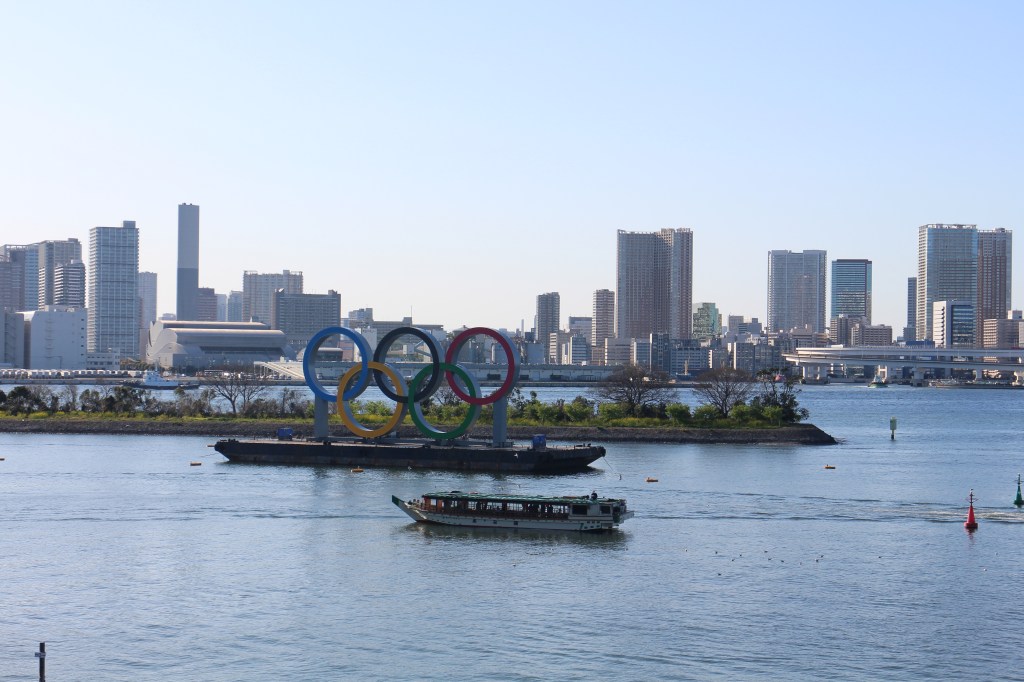
- The appeal is the space and the view. The waterfront park runs along the bay with the Rainbow Bridge on one side and the skyline of the city on the other, and the evening view, with the bridge lit and the buildings reflected in the water, is one of the best in Tokyo. It is a place to walk, sit and look rather than to tick off sights.
- Odaiba also has the city’s science museum, a large ferris wheel, a beach, a replica of the Statue of Liberty and a collection of shopping malls with themed interiors. It is popular with families and with people who want a break from the density of the centre, and it is easy to reach by the Yurikamome train, which crosses the bay on a elevated track.
- It is a half-day rather than a full day, and it works best in the late afternoon and evening, when the heat has gone and the lights come on. It is also a good place to see how Tokyo builds its waterfront, which is a different story from the historic districts.
Top places and highlights
The waterfront promenade
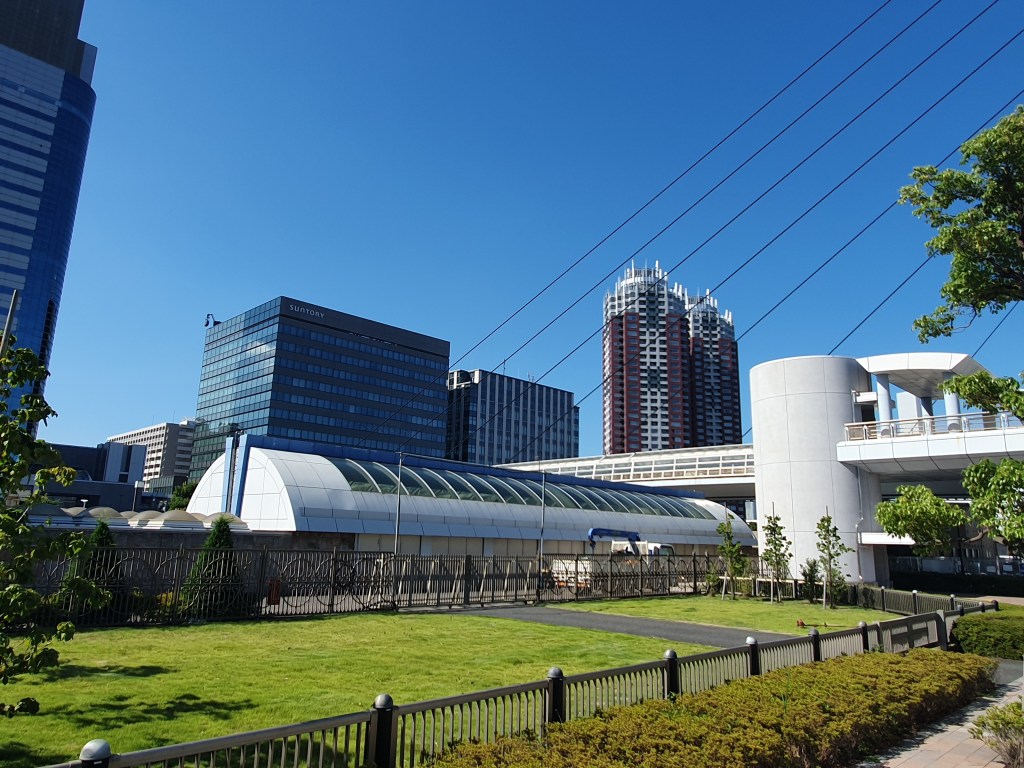
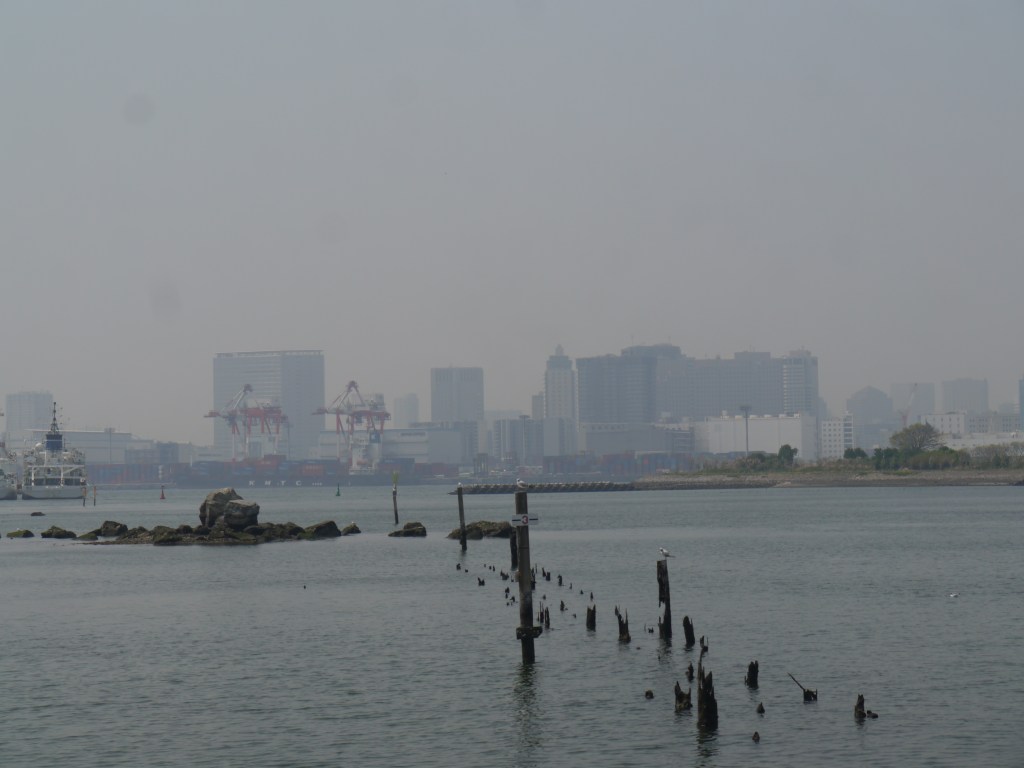
The promenade runs along the bay from the bridge to the far end of the island, with lawns, benches, a small beach and views across the water to the city. The Rainbow Bridge is on one side, the skyline on the other, and the light changes through the afternoon. Walk the whole length at an easy pace, and stop at the points where the view opens up. It is free and open at all hours, and it is at its best in the evening.
The Rainbow Bridge
The bridge carries the expressway and the Yurikamome line across the bay, and its white towers and long span are the symbol of Odaiba. It is lit at night and the colour changes, and the view from the promenade is the classic photograph. The bridge can be crossed on the train, and the approach gives a view of the port and the city. Walking across is possible on a separate path, and it takes about an hour.
The science museum
The National Museum of Emerging Science and Innovation is the best science museum in Tokyo, with hands-on exhibits on robots, space, the brain, the earth and the internet, and a large globe display suspended in the atrium. The exhibits are aimed at a general audience and at children, but the content is serious and the displays are well made. Allow two hours, and book in advance for the popular shows.
The shopping districts
Odaiba has several large malls, each with a theme: a Venetian-style interior with a canal and a painted sky, an American-style waterfront, and a Japanese retro street. They are artificial and cheerful, and they are part of the experience rather than a detour. The shops cover fashion, electronics, souvenirs and food, and the restaurants have views over the bay.
The ferris wheel
The big wheel at the south end of the island gives a view over the bay, the Rainbow Bridge and the city, and it is one of the tallest in Japan. The ride takes about fifteen minutes, and the glass cabins give a clear view in every direction. It is best at dusk, when the city lights come on and the bridge is lit, and the queue is shortest on weekday evenings. The cabins are heated and air-conditioned, so the ride is comfortable in any season, and the top gives the classic photograph of the waterfront.
The beach and the Statue of Liberty
Odaiba has a small artificial beach with a view of the bridge, and a replica of the Statue of Liberty given by France, which has become a local landmark. The beach is not for swimming in the usual sense, but it is a place to sit and look at the water, and it is popular in the evening. The scale of the bridge from the sand is the surprise.
The bay cruise
Several boats run from the Odaiba piers around the bay and under the bridge, and the short cruise gives a different view of the waterfront and the city. The boats are small and the commentary is limited, but the perspective from the water is worth it. It is a good way to end the afternoon, and the boats connect to the other waterfront districts.
Food and drink
- The malls have a wide range of restaurants, from ramen and sushi to Italian and Chinese, and the food courts are good for families. The quality is reliable rather than exceptional.
- The restaurants on the upper floors of the malls have views over the bay, and they are the place for a slow dinner with the bridge lit.
- The waterfront has cafes and ice cream stands, and they are busy in the afternoon and evening.
- For a proper meal, the Toyosu market is a short train ride away, and the sushi and seafood there are among the best in the city.
- The convenience stores and the supermarkets in the malls are useful for a picnic on the promenade, which is a good way to eat cheaply with a view.
Getting there and around
- Odaiba is reached by the Yurikamome train from Shimbashi, which crosses the bay on an elevated track and takes about fifteen minutes to the main stations on the island.
- The Rinkai line from Osaki and Shibuya also serves the island, with stations at Tokyo Teleport and Kokusai-Tenjijo, and it is useful from the west of the city.
- The island is walkable, with wide pavements and a promenade along the water, and a bicycle is a good way to cover the distance between the stations and the far end.
- By car, the Rainbow Bridge and the expressway connect Odaiba with the city, but the parking is expensive and the traffic is heavy at weekends. The train is easier.
- A bay cruise from Asakusa or the city piers is a slower and more scenic way to arrive, and it connects the waterfront districts.
Where to stay
- The hotels on Odaiba have views over the bay and the bridge, and they are the reason to stay rather than visit. The prices are high at weekends and in the holidays.
- The hotels around Shimbashi and Shiodome are a short train ride away and have a wider range of prices, and they connect to the rest of the city.
- The Toyosu and Ariake areas have business hotels and apartments, and they are close to the market and the exhibition halls.
- Tokyo’s other districts are all within half an hour, and most visitors stay in the centre and visit Odaiba as a half-day.
Best time to visit
- Spring, from March to April, is mild and clear, with the cherry trees along the promenade and the bay at its best. The island is busy at weekends.
- Summer is hot and humid, with the beach and the waterfront at their busiest, and the evenings are long and pleasant. The fireworks and events draw crowds.
- Autumn, from October to November, is the best season: clear air, comfortable walking and good light on the bridge and the skyline.
- Winter is cold and clear, with the bridge lit early and the bay quiet on weekdays. The views are sharp and the museums are warm.
- The rainy season runs from early June to mid-July. The museums and the malls are the obvious wet-weather options.
Practical tips
- Go in the late afternoon and stay for the evening. The bridge and the skyline are best after dark.
- Take the Yurikamome from Shimbashi for the approach over the water. The elevated ride is part of the visit.
- Book the science museum in advance. The popular exhibits and shows fill up, especially at weekends.
- Walk the promenade from the bridge to the far end. It is the best free thing on the island.
- Eat at the Toyosu market if you want a serious meal. The mall restaurants are convenient but not the best in the city.
- Check the wind and the weather for the ferris wheel and the cruises. Both close in strong wind.
Suggested day-trip outline
- Afternoon: Yurikamome from Shimbashi, arrive at Odaiba and walk the promenade towards the bridge.
- Late afternoon: the science museum, or the ferris wheel for the view over the bay.
- Early evening: the beach and the Statue of Liberty, with the bridge lit.
- Dinner: a restaurant with a bay view in one of the malls, or a bay cruise with a meal.
- Night: the promenade and the skyline, then the train back to the city.
- Alternative: a full day with the Toyosu market in the morning, the museum in the afternoon and the bay in the evening.
Before you go
Timetables, fares, admission fees, and seasonal access rules can change. Check the official tourism and transport sites linked below for the latest information before you travel.
Explore More of Japan
Published guides that pair with this one:
- Tokyo Travel Guide: Neighborhoods, Transport and a First-Timer’s Plan
- Asakusa and Senso-ji Travel Guide: Temple Gates, Nakamise and the Sumida River
- Tsukiji Outer Market Guide: What to Eat and When to Go
- Yokohama Travel Guide: Harbour, Chinatown, and a Day Trip from Tokyo
- Shibuya Travel Guide: SHIBUYA SKY, Scramble Crossing & Things to Do in Tokyo
Browse every Kanto guide on this site for the rest of the region.
Sources
- tokyo-odaiba.net (checked 2026-11-05)
- gotokyo.org (checked 2026-11-05)


Leave a Reply