A practical English guide to Hanamiyama park in Fukushima: the flower-covered slopes, the best weeks, the shuttle and access from the station.
Operational details such as opening hours, admission fees, and train times can change. Prefer official pages and reconfirm before you travel (sources checked on 05 November 2026).
Why visit
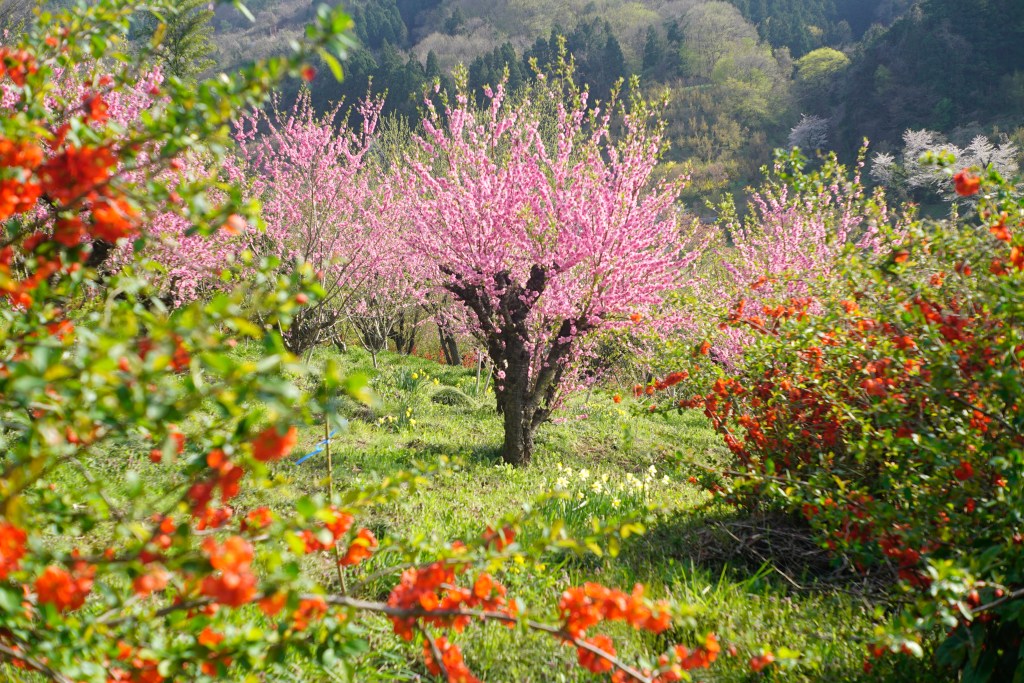
- Hanamiyama is a hillside on the eastern edge of Fukushima city that turns into a single mass of flowers for about six weeks in spring. It is not a formal garden and it is not a park with a plan: farmers planted flowering trees and shrubs on the slopes around their fields decades ago, and the result is a patchwork of plum, cherry, peach, forsythia and magnolia that covers the hill in bands of colour.
- The site became famous through photographs, and the city now manages it as a seasonal attraction, with paths, viewing platforms and a shuttle bus from the station. It is free to enter, it is local rather than commercial, and the view from the top over the flowered slopes to the city and the mountains beyond is the reason people come from all over Japan.
- The timing matters more than at most places. The hill starts with plum in late March, peaks with cherry and peach in mid-April, and is effectively over by early May. The city publishes a flowering report, and the shuttle bus and the car parks are organised around the peak weeks, which is the best indication of when to go.
- Hanamiyama also fits into a wider Fukushima trip: the city has a castle park, a good museum, and the hot spring towns and the lake country are within an hour or two. It is a morning or an afternoon rather than a day, and it is the kind of place where the photographs are easy because the subject is doing all the work.
Top places and highlights
The flowered slopes
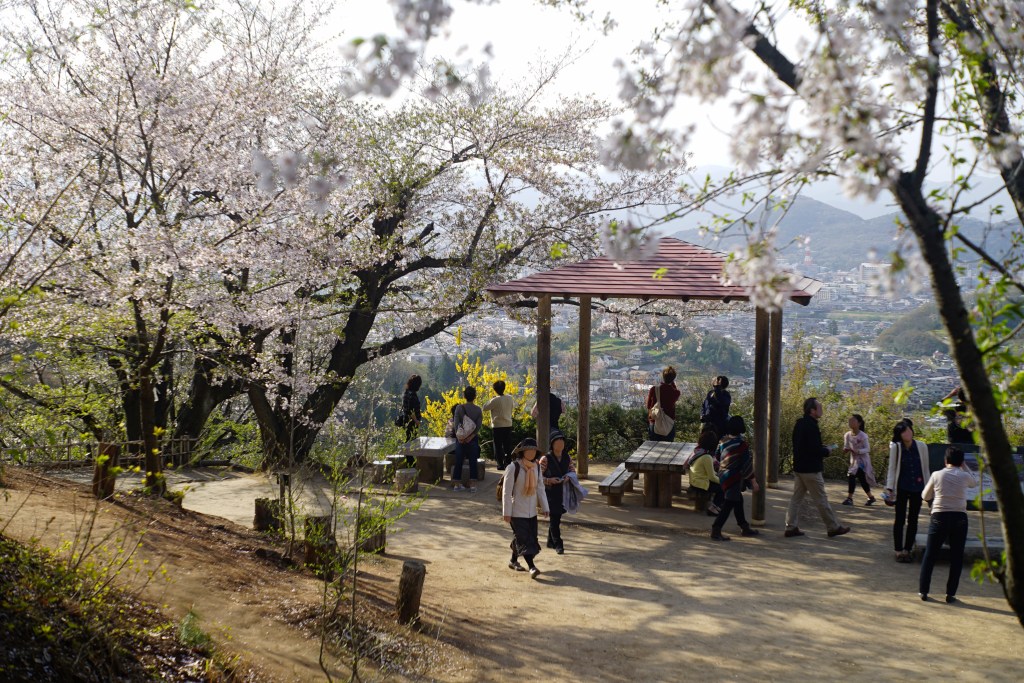
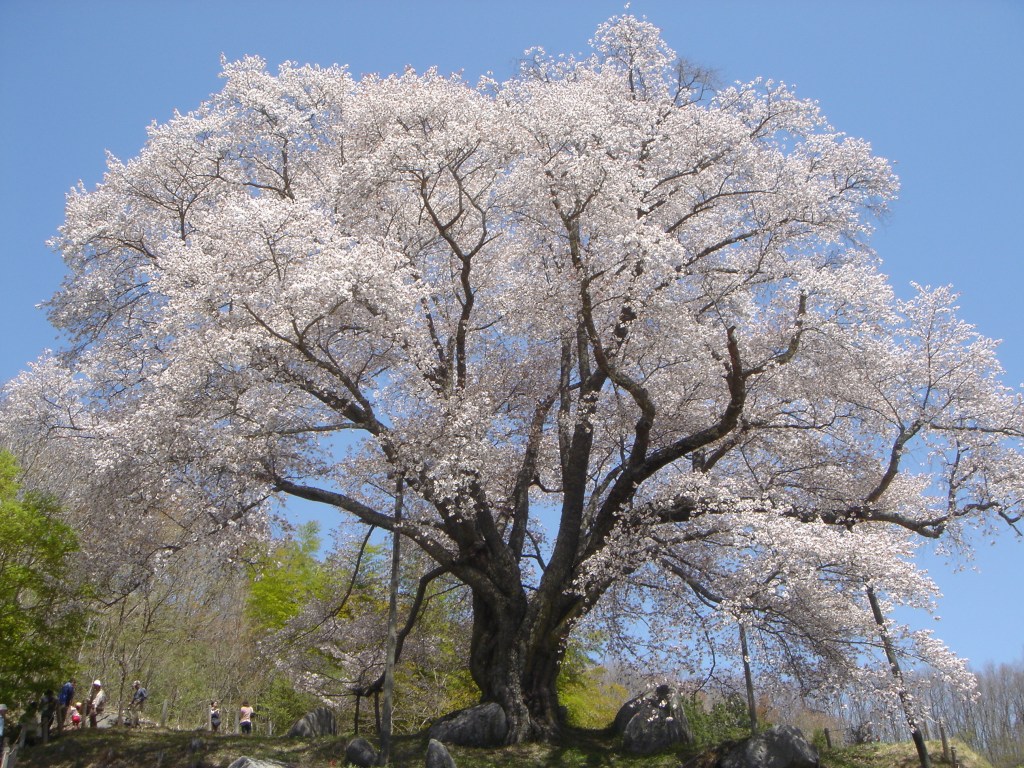
The heart of Hanamiyama is a series of slopes planted in bands, with paths running between them, so that you walk through the colour rather than looking at it from a distance. Cherry and peach dominate, with plum earlier, and the yellow of forsythia and the white of magnolia fill the gaps. The planting is dense and informal, and the effect from the upper paths, looking down across the bands of colour to the fields below, is the image the site is known for. Allow an hour to walk the main loop slowly, and longer if you are photographing.
The viewpoint
At the top of the hill there is a viewing area with benches, and the view opens over the flowered slopes, the plain and the mountains of Fukushima. On a clear day the snow is still on the higher peaks, which makes the foreground colour stronger. It is the busiest spot on the site, and the crowd moves through quickly, so go early or wait for a gap. The path up is a steady climb on a mix of steps and earth, and it takes about fifteen minutes from the lower entrance.
The farming landscape
Hanamiyama is not a walled garden, and the fields and farmhouses are part of the scene. The flowers were planted around working land, and the site still feels like a village on a hill rather than an attraction. Walk the outer paths and you pass vegetable plots, sheds, stone walls and small orchards, with the flowers behind them. It is a reminder that the beauty here is a by-product of ordinary agriculture rather than a designed landscape, and it is the reason the place feels different from the famous gardens of Kyoto.
The shuttle and the approach
During the peak season the narrow road to the site is closed to private cars, and shuttle buses run from Fukushima station and from temporary car parks. The bus ride is short, and the organisation is good, but the queues build through the morning. The walk up from the lower stops is also possible and takes about twenty minutes, which is often faster than waiting. The shuttle is the easiest way in if you are arriving by train, and the fare is small.
Fukushima city itself
The city is worth a half-day beyond the hill: the castle park with its reconstructed keep and moat, the prefectural museum with a good collection of local history and art, and the covered arcades around the station. The food is solid and cheap, with soba, ramen and the local sake, and the city is flat and easy to walk. It is also a practical base for the hot spring towns of Iizaka and Tsuchiyu, both a short bus ride away.
Iizaka Onsen
Iizaka, north-east of the city, is one of the old hot spring towns of the region, with a main street of ryokan, a small shrine and a river running through it. It is quiet, traditional and cheap compared with the famous resorts, and it makes a good overnight after a morning at Hanamiyama. The baths are simple and the streets are walkable, and the town has a long history as a stopping point on the old roads.
The fruit and the markets
Fukushima is a fruit prefecture, and the farms around the city sell peaches, cherries, pears and apples through the summer and autumn. The direct-sale stands and the markets in the city are the place to buy them, and the prices are low. In peach season, from July, the boxes at the roadside stands are the local luxury, and the fruit is as good as anything in Japan.
Food and drink
- Fukushima soba is the local staple, made with buckwheat from the surrounding mountains and served cold with a dipping sauce or hot in broth. The shops around the station and in the old town are cheap and good.
- The prefecture is famous for peaches, and in July and August the direct-sale stands sell them by the box. Cherries, pears and apples follow through the season, and the fruit is the best souvenir that travels.
- Fukushima sake is good and underrated, with breweries in the city and the surrounding towns. The bars around the station carry the local labels, and a tasting set is the easy way in.
- Iizaka and the hot spring towns serve kaiseki dinners in the ryokan, built around local vegetables, river fish and the sake. It is the sit-down meal of the trip.
- For a quick lunch, the covered arcades have ramen, curry and bakeries, and the market near the station sells bento and prepared food for a picnic on the hill.
Getting there and around
- Fukushima is on the Tohoku shinkansen, about an hour and a half from Tokyo, and the station is the hub for the city and the region. The hill is on the eastern edge of the city, about twenty minutes by shuttle bus or taxi from the station.
- During the flowering season, shuttle buses run from the station and from temporary car parks, and the road to the site is closed to private cars. The buses are frequent at peak times but the queues are long.
- Outside the season, the site is reachable by taxi or by a local bus and a walk, and it is much quieter. The flowers are gone, but the paths and the view remain.
- By car, use the expressway interchange on the east side of the city and follow the signs to the temporary car parks during the season. Parking at the site itself is not available.
- From Sendai, the shinkansen takes about thirty minutes, and from Yamagata about an hour. The city is a natural stop between the two.
Where to stay
- Hotels around Fukushima station are the practical base, with business hotels and a few larger ones within walking distance of the restaurants and the shuttle stops.
- Iizaka Onsen has ryokan with outdoor baths and kaiseki dinners, and it is the best place to stay for the atmosphere. The bus from the city takes about twenty minutes.
- Tsuchiyu Onsen, west of the city, is smaller and quieter, with a handful of inns and a river. It is a good base for a slow trip and for the surrounding walks.
- Sendai is thirty minutes away by shinkansen and has a much wider range of hotels, but the trade-off is the early start for the shuttle.
Best time to visit
- The flowering season runs from late March to early May, with plum first, then cherry and peach, and the peak is usually mid-April. The site is at its busiest then, and the shuttle queues are longest at weekends.
- Summer is green and hot, and the hill is quiet. The fruit season is the reason to come, with peaches in July and pears and apples later.
- Autumn brings colour to the trees on the hill and clear air for the view, though the flowered slopes are bare. It is a good time for the city and the hot springs.
- Winter is cold and snowy, and the hill is closed or inaccessible in heavy snow. The city’s museums and the hot spring towns are the attractions then.
- The rainy season runs from early June to mid-July. The hill is green and the crowds are gone, but the paths are muddy.
Practical tips
- Check the flowering report before you book. The peak shifts by a week or two each year, and the shuttle schedule follows it.
- Go early in the morning. The light is better, the crowds are thinner, and the shuttle queues are short before nine.
- Wear shoes with grip. The paths are earth and stone, and they are slippery after rain and busy with people.
- Do not walk into the flower beds for photographs. The paths are laid out to give the views, and the farmers ask visitors to stay on them.
- Carry cash for the shuttle and the stalls. The site is free, but the buses and the food stands are not.
- Combine the hill with the city or a hot spring. It is a half-day, and the shuttle back can be slow at midday.
Suggested day-trip outline
- Early morning: shuttle from Fukushima station to the hill, walk the lower slopes and the outer paths before the crowds.
- Mid-morning: the viewpoint at the top, then the upper paths down through the peach and cherry.
- Lunch: soba in the city, or a bento bought at the station and eaten before the shuttle.
- Afternoon: the castle park and the prefectural museum, then the arcades for coffee and fruit.
- Evening: dinner in the city, or a bus to Iizaka Onsen for a bath and a ryokan dinner.
- Second day: Iizaka or Tsuchiyu onsen, with a walk along the river and a return to the city in the afternoon.
Before you go
Timetables, fares, admission fees, and seasonal access rules can change. Check the official tourism and transport sites linked below for the latest information before you travel.
Explore More of Japan
Published guides that pair with this one:
- Sendai Travel Guide: Gyutan, Jozenji-dori and the Gateway to Tohoku
- Yamadera Travel Guide: The Mountain Temple above Yamagata
- Aizu-Wakamatsu Castle Travel Guide: Tsuruga Castle and the Castle Town
- Hiraizumi Travel Guide: UNESCO Temples and Gardens in Iwate
- Ginzan Onsen Travel Guide: Historic Hot-Spring Town in Yamagata
- Zao Onsen Guide: Snow Monsters, Skiing, and the Ropeway
Browse every Tohoku guide on this site for the rest of the region.
Sources
- hanamiyama.jp (checked 2026-11-05)
- city.fukushima.fukushima.jp (checked 2026-11-05)


Leave a Reply